+91-98111-67809
Group Accidental Insurance Explained: A Collective Safety Net
Group Accidental Insurance Explained: A Collective Safety Net
Table of Contents
- Group Accidental Insurance Explained: A Collective Safety Net
- Understanding Group Accidental Insurance
- Why Group Accidental Insurance Matters
- Who Can Benefit from Group Accidental Insurance?
- Key Features of Group Accidental Insurance
- How to Choose the Right Group Accidental Insurance Policy
- Wrapping Up
- Related Posts
- FAQs
Group Accidental Insurance Explained: A Collective Safety Net
- October 26, 2023
Accidents can happen at any time and to anyone. They often strike without warning, leaving individuals and their families grappling with physical, emotional, and financial burdens. While nobody can predict when an accident will occur, one can certainly prepare for it.
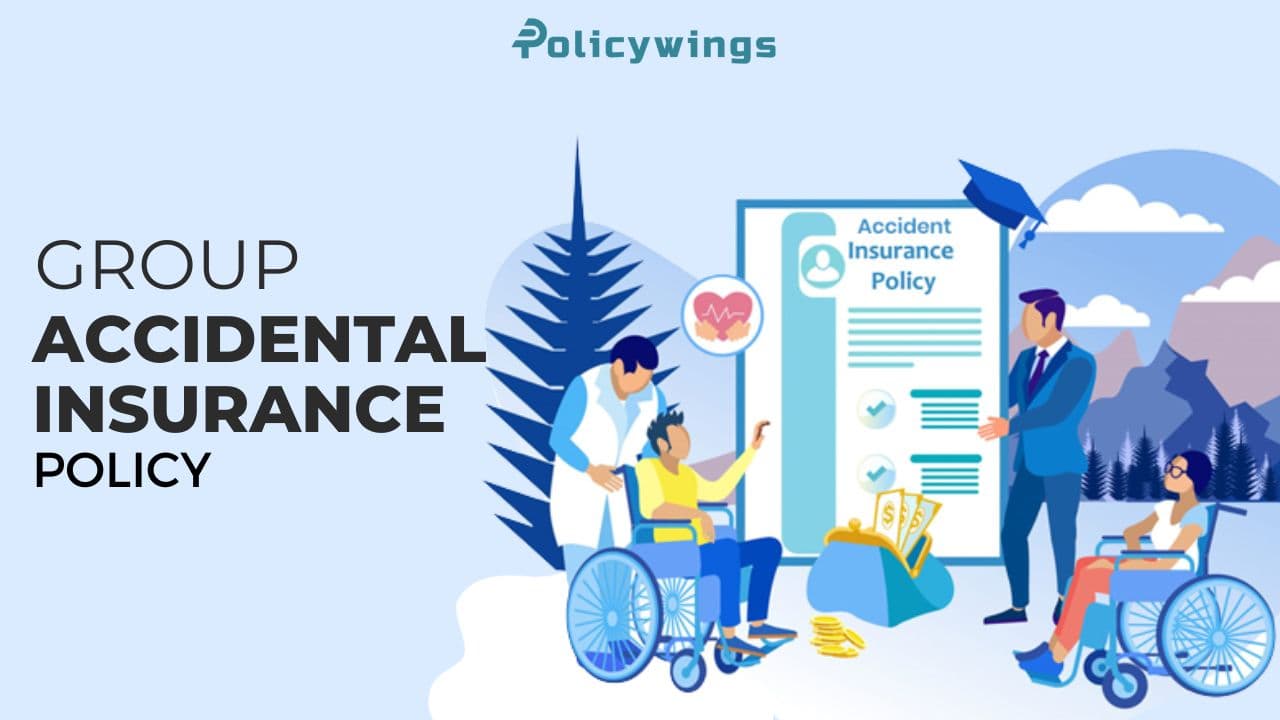
Group Accidental Insurance Policies are a powerful tool that not only offers financial protection but also provides peace of mind to a collective entity, whether it’s a company, an organization, or a group of people with a common interest. In this article, we will delve into the world of Group Accidental Insurance Policies, exploring what they are, why they are important, and how they can benefit various groups.
Understanding Group Accidental Insurance
Group Accidental Insurance is a specialized type of insurance designed to provide coverage for accidental injuries and their associated expenses. Unlike traditional health insurance, which typically covers illnesses and non-accidental injuries, accidental insurance focuses specifically on events that occur suddenly and unintentionally. These events may include slip-and-fall accidents, car crashes, sports injuries, and a wide range of other unforeseen incidents.
Group Accidental Insurance can be offered to various groups, including employees of a company, members of an organization, or participants in a sports club. It is often provided as a benefit or perk, making it an attractive addition to any group’s offering. The key feature of this insurance is that it pays out a lump sum or a predetermined amount to the insured or their beneficiaries in the event of an accident, regardless of whether the insured has other forms of insurance.
{ "@context": "http://schema.org", "@type": "VideoObject", "name": "Personal Accident Insurance Details with REAL LIFE EXAMPLE 😱 Client's Experience Included HINDI", "description": "ENGLISH SUBTITLES INCLUDED IN THE VIDEO A personal accident policy is a type of insurance policy that offers you protection against death or disability caused due to an accident. In case of death due to an accident, the policy pays out a lump sum amount to the nominee of the policyholder. In this video , we have discussed what all situations are covered in Personal Accident Policy & what are not covered. We have also given a Real Life Example of our client who met with an accident and was on a bed rest for 3.5 months. But , thankfully he had his Personal Accident policy. He was given a weekly benefit to cover his loss of income. ✅ To buy insurance policies, click here - https://hareepatti.com/contact-us/ VIDEOS MENTIONED :- - Max Bupa Personal Accident Plan Details : https://youtu.be/wCM1gcXrDwM - HDFC ERGO My : Health Koti Suraksha : https://youtu.be/tzPImd2oo2k ✅ Do SUBSCRIBE to our Youtube Channel for more such informative videos. -------------------------------------------------------------------------------------------- For any queries: 👩🏻🎤 WhatsApp/Call: 9650706699 💌 Mail us at: info@hareepatti.com -------------------------------------------------------------------------------------------- Watch our Other videos :- - HDFC ERGO Optima Restore Details : https://youtu.be/GqVG3HdMjP4 - HDFC ERGO Energy Plan Details : https://youtu.be/W9MKhaaGDyo - HDFC ERGO Energy Plan Details : https://youtu.be/W9MKhaaGDyo - HDFC ERGO Optima Secure VS Optima Restore : https://youtu.be/2DxKv_7qG_k - Max Bupa Reassure Review: https://youtu.be/MHylzt9bR8Y - ICICI Lombard Smart Super Health Insurance Details : https://youtu.be/T2pQWwIuQfk - ICICI Lombard Health AdvantEDGE Details : https://youtu.be/TFlklRl9NoE - ICICI Lombard Criti Shield Plus Plan : https://youtu.be/Dor-TfkJJsM - Max Bupa Health Companion Plan - https://youtu.be/8Vis1Qt7cD - Max Bupa Health Companion VS Health Pulse Enhanced+ : https://youtu.be/7itZyZetoKs -------------------------------------------------------------------------------------------- You can also reach out to us on our Social Media: 📸 Instagram: https://www.instagram.com/gurleentikku/ https://www.instagram.com/hareepatti/ 🎬 Facebook: https://www.facebook.com/HareePatti 👩🏼🏫 LinkedIn: https://www.linkedin.com/in/gurleenkaur/ 🐦 Twitter: https://twitter.com/gurleen011 ✍🏻 Website: https://hareepatti.com Do SUBSCRIBE to our channel for more such informative videos: https://www.youtube.com/channel/UCSGTyCSQ50UUs1WkhfVbTZw -------------------------------------------------------------------------------------------- finance , health insurance , health insurance 2022 , personal accident insurance , personal accidental policy , personal accident insurance details , personal accident insurance facts , things to know about personal accident policy , personal accident policy 2022 , personal accident cover , not covered in personal accidental policy , hdfc ergo koti suraksha plan , max bupa personal accidental plan , personal accident insurance in hindi , personal accident insurance example , client's story of personal accident insurance , weekly benefits , real life example of personal accident policy , gurleen kaur tikku, insurance agent , financial planning , hareepatti #personalaccidentinsurance #personalaccidentalpolicy #personalaccident2022 #personalaccidentplan #healthinsurance2022 #healthinsurance #weeklybenefits #personalaccidentinsurance2022 #gurleenkaurtikku #healthinsuranceagent #hareepatti -------------------------------------------------------------------------------------------- Disclaimer : Information presented in this video is for educational purpose only. It may not necessarily be taken as financial, legal or any other type of advice. It is not as per individual needs, objectives or financial situation of any particular person.The video is based on 15 years of experience of Financial industry. It is based on researches from various books, internet etc and may include opinions of one or more persons who may or may not be the part of Hareepatti. Gurleen Kaur Tikku or any other team member of Hareepatti will not hold be held responsible as this is not to be considered as personal finance advise.The video does not mean to hurt anyone’s sentiments or spread rumours of any sorts.Viewers should do their own due diligence before taking any action based on the video. Viewers discretion is advised.", "thumbnailUrl": "https://i.ytimg.com/vi/F7_0qt8O4_Q/default.jpg", "uploadDate": "2022-01-29T13:42:06Z", "duration": "PT10M35S", "embedUrl": "https://www.youtube.com/embed/F7_0qt8O4_Q", "interactionCount": "30484" }
Why Group Accidental Insurance Matters
Financial Protection: Accidents can result in significant medical bills, rehabilitation costs, and even loss of income due to temporary or permanent disabilities. Group Accidental Insurance provides a financial safety net for members of a group, helping them cover these unexpected expenses. This can alleviate the financial burden that individuals and their families might face after an accident.
Peace of Mind: Knowing that you are covered by a Group Accidental Insurance Policy can provide peace of mind. It allows individuals to focus on their recovery rather than worrying about the financial repercussions of an accident. For organizations, offering this insurance demonstrates a commitment to the well-being of their members or employees, enhancing morale and loyalty.
Affordability: Group Accidental Insurance is often more affordable than individual policies. By pooling the risk of accidents among a larger group, insurers can offer competitive rates. This affordability makes it accessible to a wide range of organizations and their members, regardless of their financial status.
Simplicity and Convenience: Managing individual insurance policies can be cumbersome. Group Accidental Insurance simplifies the process by providing coverage to all eligible members of the group under a single policy. This streamlines administration and reduces paperwork for both the insured and the organization offering the coverage.
Who Can Benefit from Group Accidental Insurance?
Group Accidental Insurance can be tailored to meet the specific needs of various groups. Here are some examples of who can benefit from this type of insurance:
Companies and Employees: Employers can offer Group Accidental Insurance to their workforce as part of their benefits package. This not only attracts and retains talent but also ensures that employees are taken care of in case of work-related accidents or accidents that occur outside of the workplace.
Sports Clubs and Athletes: Sports clubs and associations can provide Group Accidental Insurance to their members, including athletes and coaches. In the world of sports, injuries are common, and having insurance coverage can be a game-changer for athletes pursuing their passions.
Nonprofit Organizations: Nonprofits often rely on dedicated volunteers to carry out their missions. Group Accidental Insurance can be a way to show appreciation and support for these volunteers, providing them with a safety net while they donate their time and effort to a worthy cause.
Social Clubs and Community Organizations: Groups with a common interest, such as social clubs, hobbyist organizations, or community groups, can benefit from Group Accidental Insurance. It enhances the sense of community by taking care of members’ well-being.
Educational Institutions: Schools and colleges can offer Group Accidental Insurance to students, ensuring that they are protected while pursuing their education. This can be especially valuable for students engaged in extracurricular activities or sports.
Key Features of Group Accidental Insurance
Group Accidental Insurance policies can vary in terms of coverage and benefits, but they typically include the following key features:
Accidental Death Benefit: In the unfortunate event of an insured member’s death due to an accident, the policy pays out a lump sum to their beneficiaries. This provides financial support to the deceased member’s family during a difficult time.
Accidental Disability Benefit: If an insured member becomes disabled as a result of an accident and is unable to work, the policy can provide a disability benefit. This helps cover ongoing living expenses and medical costs.
Accidental Medical Expense Benefit: Group Accidental Insurance often includes coverage for medical expenses incurred due to an accident. This can encompass hospitalization, surgery, rehabilitation, and other necessary treatments.
Accidental Dismemberment Benefit: In the event of the loss of a limb or a specific bodily function resulting from an accident, the policy may pay a benefit to the insured member. This benefit can assist with adaptive equipment or modifications to the insured’s living space.
Additional Riders: Many insurers offer optional riders that can be added to Group Accidental Insurance policies. These riders can provide extra coverage for specific types of accidents, such as accidents that occur during travel or while participating in hazardous activities.
How to Choose the Right Group Accidental Insurance Policy
Selecting the right Group Accidental Insurance policy requires careful consideration. Here are some factors to keep in mind:
Coverage Options: Review the coverage options offered by different insurers. Ensure that the policy aligns with the needs and preferences of the group. Consider factors such as benefit amounts, exclusions, and any optional riders that may be relevant.
Cost and Premiums: Compare premium rates among different insurers. While affordability is important, it’s also essential to balance cost with the level of coverage provided. Look for competitive rates that suit the group’s budget.
Claim Process: Understand the claims process of the insurer. A smooth and straightforward claims process can make a significant difference when the need arises to file a claim.
Provider Reputation: Research the reputation of the insurance provider. Look for customer reviews and ratings to gauge the company’s reliability and customer service quality.
Customization Options: Some insurers offer the flexibility to customize Group Accidental Insurance policies to better suit the group’s unique needs. Explore these customization options to tailor the coverage accordingly.
Wrapping Up
Group Accidental Insurance Policies play a crucial role in safeguarding the well-being of various groups, from employees in the corporate world to members of sports clubs and community organizations. These policies offer financial protection, peace of mind, affordability, and convenience, making them a valuable asset to any group. By carefully selecting the right policy and coverage, organizations and individuals can ensure that they are prepared for the unexpected, allowing them to focus on what matters most: their collective peace of mind.
Related Posts
Travel Insurance: Valuable Investment for Travellers
How BMI Affects Health Insurance Premium
FAQs
What is Group Accidental Insurance?
Group Accidental Insurance is a specialized insurance policy that provides coverage for accidental injuries and their associated expenses. It is typically offered to a group of people, such as employees, club members, or volunteers.
How does Group Accidental Insurance differ from regular health insurance?
Group Accidental Insurance focuses exclusively on accidents, while regular health insurance covers illnesses and non-accidental injuries. Group Accidental Insurance provides financial support for medical bills and related costs resulting from accidents.
Who can benefit from Group Accidental Insurance?
Various groups can benefit, including employees of a company, members of sports clubs, nonprofit organizations, social clubs, and students in educational institutions. Essentially, any group interested in providing financial protection to its members in case of accidents can benefit.
What does Group Accidental Insurance typically cover?
Group Accidental Insurance policies often cover accidental death, accidental disability, accidental medical expenses, and accidental dismemberment. Some policies may also offer additional riders for specific accident scenarios.
How does the claims process work for Group Accidental Insurance?
To make a claim, the insured or their beneficiaries typically need to contact the insurance provider, provide necessary documentation, and follow the insurer’s guidelines. The claims process may vary from one insurer to another, so it’s essential to understand the specific steps involved.
Is Group Accidental Insurance affordable?
Yes, Group Accidental Insurance is generally more affordable than individual policies because the risk is spread across a larger group. This affordability makes it accessible to a wide range of organizations and their members.
{"@context":"https:\/\/schema.org","@type":"FAQPage","mainEntity":[{"@type":"Question","name":"What is Group Accidental Insurance?","acceptedAnswer":{"@type":"Answer","text":"
<span style=\"font-weight: 400;\">Group Accidental Insurance is a specialized insurance policy that provides coverage for accidental injuries and their associated expenses. It is typically offered to a group of people, such as employees, club members, or volunteers.<\/span><\/p>"}},{"@type":"Question","name":"How does Group Accidental Insurance differ from regular health insurance?","acceptedAnswer":{"@type":"Answer","text":"
<span style=\"font-weight: 400;\">Group Accidental Insurance focuses exclusively on accidents, while regular health insurance covers illnesses and non-accidental injuries. Group Accidental Insurance provides financial support for medical bills and related costs resulting from accidents.<\/span><\/p>"}},{"@type":"Question","name":"Who can benefit from Group Accidental Insurance?","acceptedAnswer":{"@type":"Answer","text":"
<span style=\"font-weight: 400;\">Various groups can benefit, including employees of a company, members of sports clubs, nonprofit organizations, social clubs, and students in educational institutions. Essentially, any group interested in providing financial protection to its members in case of accidents can benefit.<\/span><\/p>"}},{"@type":"Question","name":"What does Group Accidental Insurance typically cover?","acceptedAnswer":{"@type":"Answer","text":"
<span style=\"font-weight: 400;\">Group Accidental Insurance policies often cover accidental death, accidental disability, accidental medical expenses, and accidental dismemberment. Some policies may also offer additional riders for specific accident scenarios.<\/span><\/p>"}},{"@type":"Question","name":"How does the claims process work for Group Accidental Insurance?","acceptedAnswer":{"@type":"Answer","text":"
<span style=\"font-weight: 400;\">To make a claim, the insured or their beneficiaries typically need to contact the insurance provider, provide necessary documentation, and follow the insurer’s guidelines. The claims process may vary from one insurer to another, so it’s essential to understand the specific steps involved.<\/span><\/p>"}},{"@type":"Question","name":"Is Group Accidental Insurance affordable?","acceptedAnswer":{"@type":"Answer","text":"
<span style=\"font-weight: 400;\">Yes, Group Accidental Insurance is generally more affordable than individual policies because the risk is spread across a larger group. This affordability makes it accessible to a wide range of organizations and their members.<\/span><\/p>"}}]}