Property and Equipment Insurance hero background

Property and Equipment Insurance

Property and Equipment Insurance

You spend your hard-earned money to buy property and assets, just to call it your own!, But, what if one morning you woke up with news saying your property caught fire? You would want it to be a bad dream, right? (touchwood!). Life can take unexpected turns and you don't know what's in the future, so only buying a property isn't enough. You need to secure your property from all kinds of unforeseen events. For this, you need property and equipment insurance. Here's a quick guide on Property and Equipment insurance.

What Exactly is Property and Equipment insurance?

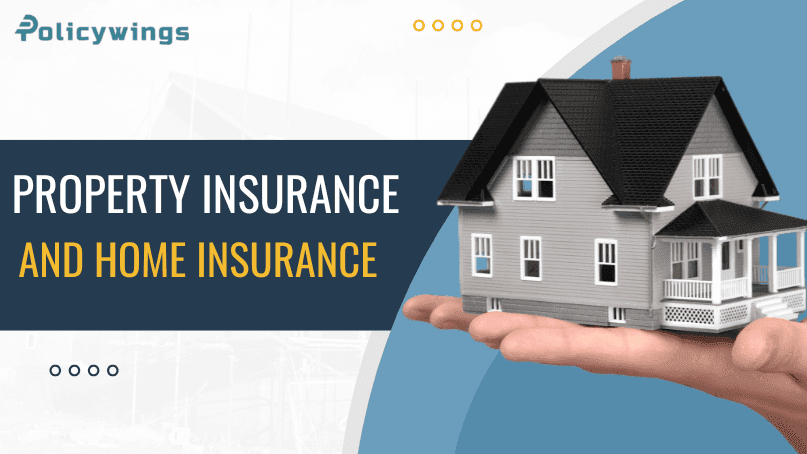
You call it property and equipment insurance/property insurance/asset protection insurance, or commercial insurance- it's all the same. When we say property and equipment insurance, it includes coverage against damage or loss of physical assets, encompassing commercial buildings, homes,  equipment, machinery, and inventory. Property and equipment insurance will help the owner eliminate financial loss, which might occur due to damage caused to the property by natural calamities, theft, fire, damage etc. In simple terms, if your building, tools, or intellectual property is damaged or destroyed, a property and equipment policy will save you from great expenses.

Types of Property and Equipment insurance

There are several types of property and equipment insurance policies designed to cover different risks and assets.

Flood Insurance

Flood Insurance

Covers damage or loss caused by flooding due to natural disasters or other events. Essential for properties in flood-prone areas.

Extra Expense Insurance

Covers additional expenses a property owner or business may incur to continue operations after a covered loss. Helps maintain business continuity during recovery.

Earthquake Insurance

Covers damage or loss occurring from earthquakes. Particularly important for properties in seismically active areas.


Business Interruption Insurance

Covers lost income and extra expenses from covered disruptions like fire or natural disaster. Helps maintain cash flow when normal business operations are disrupted.

Commercial Property Insurance

Commercial Property Insurance

Covers buildings, equipment, inventory, and furniture against fire, theft, vandalism, and natural disasters. Comprehensive protection for commercial property assets.

Equipment Breakdown Insurance

Covers damage or loss from breakdown of mechanical, electrical, or technological equipment. Protects equipment critical to property operations.

Why You Need Property and Equipment Insurance?

  • It is necessary to buy property and equipment insurance to avoid all sorts of financial burdens that you face due to damage to your property and property assets. The various reasons to get property and equipment insurance right today are:
  • Protection Against Damage or Loss: property and equipment insurance offers financial protection against damage or loss of a physical asset such as equipment, inventory, and supplies. This insurance coverage will help a property owner recover quickly and avoid financial losses that occur due to unforeseen events such as fire, theft, or natural calamities.
  • Business Continuity: Property insurance will keep your business running by covering the cost of repairs, equipment replacement, and temporary relocation expenditures. With this, you will be assured that your business can continue to serve clients and generate income.
  • Peace of Mind: Knowing that your property and assets are protected, will give you peace of mind and let you focus on other stuff without worrying about potential losses or unexpected expenses.
  • Improved Credit Worthiness: By having property and asset insurance coverage you can enhance your creditworthiness in the eyes of the lenders and investors. It's because insurance coverage signifies that a business is prepared for unexpected events and has taken steps to protect its assets. With this, a business secures better financing terms and attracts more investments.

What Are The Factors Impacting Property and Equipment Insurance?

  • There are some factors that can impact your property and equipment insurance such as:
  • Location: If your property is situated in a flood/earthquake-prone locality then your insurance premium will be on a slightly higher side.
  • Age/Structure of Building: If your property is old and has few constructive challenges then your premium will be high.
  • Amount of Belongings it Contains: If your property has some valuable assets which you want to ensure then in that case the premium will depend on the value of the asset.
  • Total Value of the Property: The total value of your property matters the most at the time of deciding on a premium. If your property's value is high then your premium will be high and vice versa. You can say, it's the market value of your property.

What Will a Property and Equipment Policy Cover?

  • Fire can decimate your dream property. Thus, property and asset insurance covers the damage caused due to fires.
  • Thieves can run away with your expensive valuables and precious jewellery. But with insurance, you can rest easy that it's all got covered.
  • You can't imagine your life without electrical equipment. Make sure that all your equipment gets covered in the event of an emergency.
  • If your property gets damaged due to natural calamities like floods, earthquakes, cyclones etc. Don't worry it can get all covered. Also, you can secure against riots, terrorism, and other man-made hazards.
  • With property and equipment insurance you can also get coverage on expensive equipment if any kind of accidental damage occurs.

What is Not Covered in the Policy?

  • Understanding what is not covered in the policy is also very useful. It will help you make informed decisions while filing for the claim. Below are the points that are usually not covered in the Property and equipment policy:
  • Your insurance will not cover the consequential loss that has not occurred naturally.
  • Any damage that has occurred to your property because of third-party construction.
  • The insurance will also not cover the usual maintenance and renovation.
  • An under-construction property will not get coverage.
  • Loss or damage that occurred due to events like war, invasion, hostile, and nuclear attack is also not covered under property and equipment insurance.

How To File a Claim?

  • For intimating a claim for property insurance, you can follow the below-given steps :
  • Inform the insurer immediately about the damage caused to your property/asset with a rough estimate of the damaged valuables. This is done by filling out a duly signed claim form. (Dont do the repair on your own at this stage)
  • A surveyor will be appointed to inspect the damage and will provide a report.
  • Now, you have to submit the original documents required by the insurance company.
  • After getting a head's up from the insurance company, you can begin your repair work and claim for expenses within the limits of the total sum assured.
  • There you will have to share the original bills, according to that the net liability will be computed and your bill will be settled.
  • Documents Required for Property and Asset Insurance Policy :
  • Duly filled and signed claim form
  • The building plan
  • The FIR copy/ report or any other document showing the cause of loss or damage.
  • Bills and receipts
  • KYC documents
  • Damage certificate for equipment
  • Cancelled check
  • Keep in mind that the documents required to claim property and equipment insurance can vary with different insurance companies.

Summing Up!

Property and equipment insurance gives essential protection for your valuable assets. Knowing all the details about this insurance type, customizing coverage, filling claims, and implementing safety and security measures, can maximize the benefit of this insurance.

Property & Equipment Insurance Tip

Make a detailed inventory of all your equipment with purchase receipts, serial numbers, and photographs. Store this list in a cloud backup (not just on your office computer). During a claim, insurers require proof of ownership and value. Having this inventory ready can speed up claim settlement by weeks and ensure you receive the full amount you are entitled to.

Property & Equipment Insurance Coverage Overview

Coverage TypeWhat It CoversKey Benefit
Fire & Allied PerilsDamage from fire, lightning, explosion, storms, floodsCore protection for all property types
Burglary & TheftLoss due to break-in, housebreaking, or robberySecures valuable assets and inventory
Equipment BreakdownMechanical and electrical breakdown of machineryMinimizes downtime and repair costs
Business InterruptionLoss of income due to insured property damageCovers ongoing expenses during recovery
Earthquake & FloodDamage from seismic activity and flooding (add-on)Essential for disaster-prone locations

Property and equipment insurance protects your physical assets such as buildings, machinery, tools, and inventory against risks like fire, theft, natural disasters, and accidental damage.

Trusted & Partnered

Partner logo 1
Partner logo 2
Partner logo 3
Partner logo 4
Partner logo 5
Partner logo 6
Partner logo 7
Partner logo 8
Partner logo 9
Partner logo 10
Partner logo 11
Partner logo 12
Partner logo 13
Partner logo 14
Partner logo 15
Partner logo 16
Partner logo 17
Partner logo 18
Partner logo 19
Partner logo 20
Partner logo 21
Partner logo 22
Partner logo 23
Partner logo 24
Partner logo 1
Partner logo 2
Partner logo 3
Partner logo 4
Partner logo 5
Partner logo 6
Partner logo 7
Partner logo 8
Partner logo 9
Partner logo 10
Partner logo 11
Partner logo 12
Partner logo 13
Partner logo 14
Partner logo 15
Partner logo 16
Partner logo 17
Partner logo 18
Partner logo 19
Partner logo 20
Partner logo 21
Partner logo 22
Partner logo 23
Partner logo 24
Key Services

What Makes us different from other platform?

Policywings.com is operated by Policywings Insurance Broking Services Private limited. It is duly licensed by IRDAI under its broking regulations.

At Policywings, we wish to simplify and de-jargonise Insurance

Blog

Our Blogs

Practical tips, guides, and insights to help you make smarter insurance decisions for yourself and your family.

How to Buy the Right Insurance Policy with PolicywingsGeneral Insurance

How to Buy the Right Insurance Policy with Policywings

Insurance is a financial protection that secures your family, health and assets against unexpected events. The market today is filled with insurance policy options to choose from. However, it can also be so confusing. This is where Policywings enters to save you the trouble. It’s a helpful platform that lets to buy insurance online quickly and securely whether it’s a term plan, health coverage, a car insurance or any other policy. Compare plans, check details and choose the most fitting option, all from the comfort of your home and on your preferred time. Steps to Choose the Right Insurance Policy with Policywings The user-friendly platform and expert guidance at Policywings help you buy online insurance confidently. Here is how you can select the most suitable policy: Understand Your Insurance Needs Before comparing the shortlisted plans, you must clearly think about your personal requirements. Depending on your life stage, assets and risk involved, your needs will also vary. To be sure, consider these questions: Do you aim to protect the financial future of your family? Then opt for a term plan. Are you looking for coverage for medical emergencies? Check health insurance plans. Are you a car owner seeking protection against mishaps? Explore the options for car insurance. Based on your needs, we help you identify the right type of insurance policy so you can make informed choices and not by just any policy. Explore the Range of Policies Offered Explore our website to find multiple types of insurance available: Life Insurance– Including term plans and other options for life cover Health Insurance– There are individual plans, family floaters and specialized coverage Motor Insurance– You can choose third-party liability, comprehensive coverage and some practical add-ons for extra protection. We help you select an insurance policy that is just in line with your lifestyle, budget and future plans. Evaluate Different Insurance Options Only after you have the necessary details of each plan can you choose the right one. We provide clear and detailed information and expert guidance to help you decide to buy insurance online. With Policywings, you can: Learn about coverage, inclusion & exclusions and benefits of different plan Get professional advice on which plan would suit you the best Thoroughly understand premium structures and related add-ons Detailed information with expert support in the same place help you select the insurance policy that’s right for you. Choose the Right Coverage Amount and Policy Duration The step of selecting the right insurance policy is incomplete without knowing how much coverage you need and for how long. Under-insurance will not offer enough financial support. Over-insurance means you will pay unnecessarily. Ideal amount: Should be according to your income, dependents and current liabilities Appropriate policy duration: Depends on your age, future goals and life stage When you buy insurance online, also remember that premium amounts vary with coverage limits and policy duration. This approach will help you select suitable options across term plan, health insurance, and motor insurance. Hence, your coverage will surely align with future needs, medical expenses and value of the vehicle. Check for Policy Features and Add-Ons Every insurance policy has its own specific terms, coverage limits and optional add-ons. At Policywings, you can carefully review these features like: Health insurance: It may include maternity benefits, critical illness cover etc Car insurance: There could be roadside assistance or zero dep cover Life insurance plans: You may get choose to get accidental death benefits or waiver of premium When you check these features before purchase, you secure a comprehensive insurance policy that is also customized to your needs. Begin Your Insurance Purchase Users can easily to explore suitable options from the website. Once you know which insurance policy to buy, we help you proceed through a structured, digital process and less intrusive purchase. The buying process includes: Sharing policy details, quotes and required documents online Communication through WhatsApp, email or phone (as you decide) Minimal calling for avoiding unnecessary or repeated follow-ups Coordination with insurance providers to complete documentation and issuing policy Being a licensed insurance broker, we represent the interests of our customer and work closely with insurance companies so that you can buy insurance online with transparency and convenience. Seek Expert Guidance if Needed Although we provide a seamless digital experience, a human touch takes the purchase experience to a higher level. For expert guidance, you can always consult insurance professionals through our platform to: Clear all your doubts about coverage or premium Understand the process and timeline of the claims Get assistance in selecting the most suitable plan for your needs When digital convenience and human support is brought in the same place, you will have a smooth insurance purchase experience. Keep Your Policy Updated and Accessible You’re not done after buying the insurance policy, you have to update it from time to time because your personal details, insurance needs or policy requirements may also change. Policywings can help you with: Assistance in matching updates or changes with the insurance company Getting support during renewals by informing about available options Claims-related processes and document submission when required As a reliable insurance broker service provider, we are here to ensure that online insurance journey extends beyond purchase. For that we offer continuous support and clarity throughout the term. Conclusion By selecting the right insurance policy for life, health or vehicle, you can secure the desired protection. Policywings makes it simple to buy insurance online with detailed information and expert guidance. You can count on us for reliable and convenient online insurance solutions. Whether you are considering a term plan, a strong health coverage or comprehensive car insurance, we will help you from start to finish. Take a step towards financial security today and we’ll be with you all the way!

Written byBy PolicyWingsPublished onJanuary 19, 2026
Third Party vs Comprehensive Car Insurance – Which Should You Buy?Car Insurance

Third Party vs Comprehensive Car Insurance – Which Should You Buy?

Introduction At the time of renewing or buying car insurance, people generally have two main options in front of them. Either to go for third party insurance or choose a comprehensive policy. While one is cheaper, the other offers better protection. The question here is which one do you really need? At first glance, the cheaper option may seem more attractive but the real decision isn’t only about price alone. It’s about how much risk you can take, usage of your car and how much are you ok to spend after an accident. Basically, you should ensure what you’re actually protected against. If you are at the decision stage, confused how to go ahead, we will help you choose the one that make the most sense for your car so you can make a confident decision. Understanding the Two Types of Car Insurance What Is Third Party Car Insurance? For the car owners in India, this is the minimum legal requirement and should be taken very seriously. If, because of your car, there is any kind of damage or injury to another person, vehicle or property, it will be covered. In short, it does not cover: Damage to your own car Theft of your car Your car damaged by fire or flood It is also known as a third party liability insurance policy and it is a legal requirement to bring your car on the road in India. And since it only covers the other people and their assets, it’s also the cheapest insurance for car. What Is Comprehensive Car Insurance? This car insurance goes a lot further in terms of benefits and covers: Third-party damage (as a mandatory part) Damage caused to your own car due to any accident Theft of car or destruction by fire, floods and natural disasters Further, you even have the option to enhance it with some amazing add-ons like bumper to bumper insurance, engine protection and roadside assistance. These features are very useful and can significantly reduce your expenses at the time of making claims. Third Party vs Comprehensive: The Real Difference So, the easiest way to understand how these two insurances differ this: Third party insurance is designed to protect others from your car Comprehensive insurance promises to protect both others as well as your car When you have third party insurance, you only meet the legal requirement but with comprehensive car insurance, your financial exposure is a lot lower after an accident happens. Is the Cheapest Insurance for Car Always the Right Choice? It’s understandable why so many buyers choose the cheapest insurance for car is especially when it’s time to renew. However, low cost and always mean it’s a safer option. If you have a basic third-party insurance: Any damage to your car will be settled entirely from your own pocket Even minor accidents can lead to high repair bills There would be zero compensation on case of theft or flood damage Yes, there is a higher upfront cost in comprehensive car insurance but it also reduces a lot of unexpected expenses later. Where Bumper to Bumper Fits In Bumper to bumper insurance is surely one of the biggest reasons why people upgrade to comprehensive cover. In regular policies, insurance providers generally apply depreciation during claims on parts made of plastic, rubber and fibre. Hence, you still pay a share of total repair costs. Having bumper to bumper means: Depreciation deductions are minimal or even none at all Your pay much lower out-of-pocket expense after an accident Claims feel a lot less stressful and more expected Overall, this add-on is especially useful for new cars and those who drive in busy cities. Which One Should You Buy? For this, you must pay more attention to what happens if an accident or theft actually happens. Third party insurance makes more sense if: Your car is very old and its resale value is also low You drive only occasionally and that too in low-risk areas mainly You want to simply comply with the law without spending much Comprehensive car insurance is better if: Your car is new or even mid-aged You frequently take your car out in traffic-heavy city It would be difficult to manage repair costs out of pocket You want full peace of mind and not just compliance For most car owners, comprehensive car insurance is the correct choice. While it isn’t the cheapest option, it offers better overall value Cost vs Protection: Think Beyond the Premium It’s a very common mistake to only compare the annual premiums but a much better way to think is: Third party insurance= you pay lower premium but there is higher risk Comprehensive insurance = you pay higher premium but there’s lower financial shock The major difference is seen on the day you actually need to file a claim. Conclusion Summing it up, if your goal is to only meet legal requirements then third party insurance will do the job for you. On the other hand, if you aim to protect your car, savings and peace of mind then you need a comprehensive car insurance. Additionally, you can enhance it even more with bumper to bumper insurance. Car insurance shouldn’t be about just saving money upfront but about choosing a policy that helps you when unexpected situations happen. For more details on policies and insurers, get in touch with the PolicyWings team!

Written byBy PolicyWingsPublished onJanuary 28, 2026
Best Family Health Insurance Plans in Indiahealth Insurance

Best Family Health Insurance Plans in India

With every year, healthcare is becoming more expensive. Whether it’s a routine check-up or a surgery, medical bills are getting out of hand. We need health insurance, especially family health insurance plans to keep our loved ones financially protected in the time of need. Here, we will talk about the concept of family health insurance, how a family floater plan works and the benefits and coverage you get. What is Family Health Insurance? Buying separate health insurance policies for each family member may not always be financially feasible. Instead, you can get a family health insurance plan because it covers your entire family under one roof against one affordable premium payment. Also, you need to remember just a single renewal date. Types of Family Health Insurance You can cover you family in two main ways: Family Floater Plan In this, multiple family members are covered under one single sum insured. All the insured members shared the total coverage amount When needed, any member can use the sum insured You pay only one premium for the entire family Example: With a family floater plan of a ₹10 lakh cover, any family member covered in the policy can use this amount in a policy year. It’s cost-effective especially for young families because members are generally healthy. Individual Health Insurance Plans for Family Members Here, each family member has a separate health insurance plan with their dedicated sum insured. They all get independent coverage and claims by one member don’t affect others. Logically, premiums are paid separately for all. It’s better to prefer this option when: There are older members in the family Parents have existing health conditions You want that everyone must have higher and dedicated coverage Which Plan is Better? For young couples and families with small children, a family floater plan works good enough and for families that have elderly parents or members with medical histories, individual plans may be considered. In fact, many Indian households choose to get a family floater plan for self, spouse and children and separate individual policies for parents. This approach is very practical. What Does a Family Health Insurance Cover? Most of the family health insurance plans provide a broad range of coverage. As per the policy and insurer chosen, typical coverage includes the following: In-Hospitalization Costs (essentials of each plan) Charges of room and ICU Surgery fees Charges for doctor and nursing Pre and Post Hospitalization: Expenses before getting admitted to the hospital (like tests) and after discharge (like follow-ups and medicines). Daycare Procedures: Those treatments where you don’t have to stay but special care is needed (like chemo or dialysis). Cashless Treatment: Many plans also include cashless hospitalisation at network hospitals in which the insurer directly settles the bill with the hospital. AYUSH Treatments: Some insurance providers even cover Ayurveda, Yoga, Unani, Siddha and Homeopathy treatments. Add-Ons and Riders: You can always improve your policy with extra covers like maternity benefits, according to what your insurer offers. Key Benefits of Family Health Insurance Financial Protection for Emergencies: Medical emergencies can be highly expensive. Having family health plan protects your savings and ensures timely treatment. Cost-Effective Premiums: Since one premium is paid for the whole family, buying a family floater plan would generally be cheaper than separate plans for all. Tax Benefits: The premiums that you pay towards health insurance can be claimed as tax deductions (up to specified limits). Flexible and Add-On Options: often, there is an option to add newborn babies or cover elderly parents (as per the plan). How Much Does Family Health Insurance Cost? The final cost of the plan varies according to several factors: Sum Insured: Higher coverage obviously means a higher premium. Ages of Family Members: Coverage cost for older people is more. Including parents increases premium. Number of Members Covered: The premium increases with multiple people under one plan but still it’s cheaper than individual plans. Lifestyle and Health Conditions: Any pre-existing conditions and poor lifestyle habits (smoking etc) can also affect premium amount. Why You Should Buy Insurance Online Today, it’s very easy to compare plans (benefits, prices etc) and buy insurance online. Purchasing online has many advantages: Convenience: You can search for and compare different options from anywhere. Instant Quotes: Based on what you need, you get an instant estimate of the premium. Paperless Policies: Since all documents are digital, there’s not a lot of paperwork to manage. Easy Renewals: Renewals is just a matter of a few clicks every year. Certainly, buying health insurance online saves a lot of time and helps you make a better decision. Family Health Insurance vs. Government Schemes In India, we also have public health schemes like Ayushman Bharat – Pradhan Mantri Jan Arogya Yojana (PM-JAY). They are designed to offer health coverage to low-income families. Households with annual income of up to ₹5 lakh can get for secondary and tertiary care. However, we should not confuse these social welfare schemes with private health insurance plans since they can be bought online or through agents. Tips to Consider Before You Buy Here are some points that you must follow before you pick and finalize a policy: Carefully read policy terms, especially what’s not included. Do check the waiting periods for pre-existing diseases. Compare the listed hospitals that provides cashless treatment. Look for plans that come with lifelong renewability. Choose the right sum insured according to the health needs of your family. Conclusion You can actually make one of the smartest financial decisions by getting family health insurance plan, especially a family floater plan. Your family will stay protected against unpredictable medical expenses, you’ll get tax benefits and there will also be peace of mind. It doesn’t matter whether you’re starting a family young or planning for the healthcare of your parents, this plan will certainly provide the essential financial security and easy access to quality medical care. Don’t wait for a medical emergency to realise how important it is to secure the health and future

Written byBy PolicyWingsPublished onJanuary 16, 2026