How Natural Disasters Affect Business Insurance Claims?
By Rahul Narang
How Natural Disasters Affect Business Insurance Claims?

**How Natural Disasters Affect Business Insurance Claims: What Every Business Owner Should Know

**

natural disaster effects on business insurance, business insurance, insurance policy

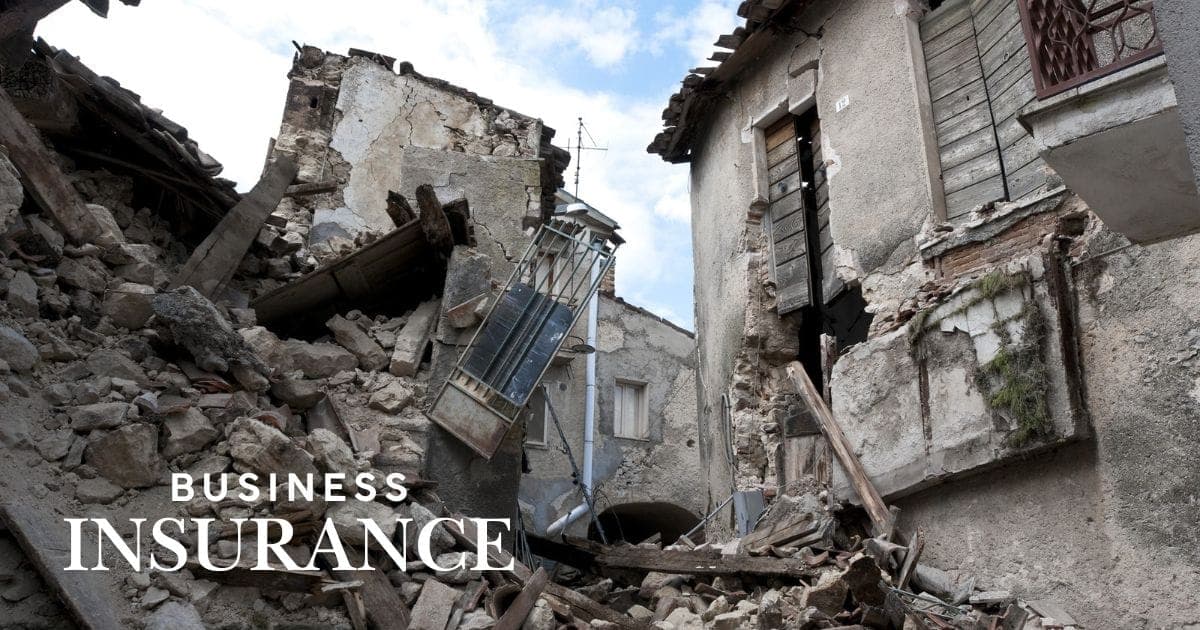
Natural disasters don’t just leave behind physical damage; they disrupt economies, alter the landscape of communities, and create financial strains for businesses. From hurricanes and earthquakes to floods and wildfires, every disaster poses unique challenges for businesses that extend far beyond recovery. Understanding the way these events impact business insurance claims can be the key to smoother, faster recovery in the aftermath.

Surge in Claims Can Mean Delays

When natural disasters strike, insurance companies are flooded with claims from multiple businesses and homeowners all at once. Imagine hundreds of other companies in your area needing claim assistance simultaneously. This flood (literally and figuratively!) of claims puts enormous pressure on insurance adjusters, who may take longer to process each individual claim.

Some businesses have had to wait months to settle their claims due to the volume of claims insurers handle after large-scale disasters. This is why it’s essential to be proactive: if you’re prepared with documentation and accurate reporting, it may help expedite the process.

Documenting the Damage

Documentation is essential. Photos, videos, inventory lists, and receipts—everything counts when it comes to making your case with your insurer. Insurers need specific information to assess damage accurately, and the more comprehensive the documentation, the stronger your claim. Business owners who anticipate potential disaster scenarios often have disaster recovery plans that include specific documentation processes to streamline their insurance claims.

An important tip: If you can, take “before” photos of your business property, so you can compare them to “after” photos following a disaster. It’s a simple but powerful way to help validate the extent of damages.

Understanding Policy Limits and Exclusions

Insurance coverage has its boundaries. For instance, many business policies have strict limits or exclusions when it comes to certain types of natural disasters. While basic property insurance typically covers damage from fire and wind, it may not cover floods or earthquakes unless specified in the policy. Business owners in disaster-prone areas often need to purchase separate coverage—like flood or earthquake insurance—to ensure they’re fully protected.

Also, reviewing policy limits is crucial. Natural disasters can cause widespread destruction, and rebuilding costs can be steep. If your policy has a cap on payouts for property damage or business interruption, it’s wise to know what these limits are ahead of time.

 Assessing Business Interruption Coverage

One of the most critical aspects of business insurance is business interruption coverage. This part of your insurance policy can help cover lost revenue, rent, payroll, and other essential expenses while your business is closed due to damage. However, claims involving business interruption can be complex.

For example, business interruption coverage typically only kicks in if there is direct physical damage to the property. So, if your business can’t operate because the city has shut down after a natural disaster—but there’s no physical damage—your coverage may not apply. Knowing the ins and outs of your policy, including what qualifies for a claim, can make a world of difference.

Communicating with Your Insurer Effectively

After a disaster, communication is critical. The earlier you reach out to your insurance provider, the better. Even if you’re still assessing the damage, notifying them quickly and maintaining open lines of communication can ensure that your claim is prioritized.

Many business owners make the mistake of waiting to file their claim or failing to follow up consistently, which can cause delays in the entire process. Contact your insurer immediately, provide any initial documentation you can, and keep them updated on your repair and recovery timeline.

Preparing for Future Disasters

While we can’t prevent natural disasters, we can prepare. Knowing your policy, ensuring you have adequate coverage, and keeping your documentation ready are some of the best defenses a business can have against future disasters. Regularly review your policies to make sure they meet the changing needs of your business, especially if you’ve expanded, added new inventory, or made other significant changes.

Beyond insurance, having an emergency response plan for your business, training employees, and staying informed about local resources can make a world of difference when disaster strikes. When your business is prepared, recovering from a disaster and managing the insurance claims process can be much more manageable.

Final Thoughts

Natural disasters may be unavoidable, but you can always be proactive and prepared. By understanding your insurance policy, keeping detailed records, and knowing what to expect in the claims process, you can better protect your business and bounce back quicker after disaster strikes. Remember, preparation today can pave the way for a smoother recovery tomorrow.

Share this article:

Key Services

What Makes us different from other platform?

Policywings.com is operated by Policywings Insurance Broking Services Private limited. It is duly licensed by IRDAI under its broking regulations.

At Policywings, we wish to simplify and de-jargonise Insurance

Blog

Our Blogs

Practical tips, guides, and insights to help you make smarter insurance decisions for yourself and your family.

Third Party vs Comprehensive Car Insurance – Which Should You Buy?Car Insurance

Third Party vs Comprehensive Car Insurance – Which Should You Buy?

Introduction At the time of renewing or buying car insurance, people generally have two main options in front of them. Either to go for third party insurance or choose a comprehensive policy. While one is cheaper, the other offers better protection. The question here is which one do you really need? At first glance, the cheaper option may seem more attractive but the real decision isn’t only about price alone. It’s about how much risk you can take, usage of your car and how much are you ok to spend after an accident. Basically, you should ensure what you’re actually protected against. If you are at the decision stage, confused how to go ahead, we will help you choose the one that make the most sense for your car so you can make a confident decision. Understanding the Two Types of Car Insurance What Is Third Party Car Insurance? For the car owners in India, this is the minimum legal requirement and should be taken very seriously. If, because of your car, there is any kind of damage or injury to another person, vehicle or property, it will be covered. In short, it does not cover: Damage to your own car Theft of your car Your car damaged by fire or flood It is also known as a third party liability insurance policy and it is a legal requirement to bring your car on the road in India. And since it only covers the other people and their assets, it’s also the cheapest insurance for car. What Is Comprehensive Car Insurance? This car insurance goes a lot further in terms of benefits and covers: Third-party damage (as a mandatory part) Damage caused to your own car due to any accident Theft of car or destruction by fire, floods and natural disasters Further, you even have the option to enhance it with some amazing add-ons like bumper to bumper insurance, engine protection and roadside assistance. These features are very useful and can significantly reduce your expenses at the time of making claims. Third Party vs Comprehensive: The Real Difference So, the easiest way to understand how these two insurances differ this: Third party insurance is designed to protect others from your car Comprehensive insurance promises to protect both others as well as your car When you have third party insurance, you only meet the legal requirement but with comprehensive car insurance, your financial exposure is a lot lower after an accident happens. Is the Cheapest Insurance for Car Always the Right Choice? It’s understandable why so many buyers choose the cheapest insurance for car is especially when it’s time to renew. However, low cost and always mean it’s a safer option. If you have a basic third-party insurance: Any damage to your car will be settled entirely from your own pocket Even minor accidents can lead to high repair bills There would be zero compensation on case of theft or flood damage Yes, there is a higher upfront cost in comprehensive car insurance but it also reduces a lot of unexpected expenses later. Where Bumper to Bumper Fits In Bumper to bumper insurance is surely one of the biggest reasons why people upgrade to comprehensive cover. In regular policies, insurance providers generally apply depreciation during claims on parts made of plastic, rubber and fibre. Hence, you still pay a share of total repair costs. Having bumper to bumper means: Depreciation deductions are minimal or even none at all Your pay much lower out-of-pocket expense after an accident Claims feel a lot less stressful and more expected Overall, this add-on is especially useful for new cars and those who drive in busy cities. Which One Should You Buy? For this, you must pay more attention to what happens if an accident or theft actually happens. Third party insurance makes more sense if: Your car is very old and its resale value is also low You drive only occasionally and that too in low-risk areas mainly You want to simply comply with the law without spending much Comprehensive car insurance is better if: Your car is new or even mid-aged You frequently take your car out in traffic-heavy city It would be difficult to manage repair costs out of pocket You want full peace of mind and not just compliance For most car owners, comprehensive car insurance is the correct choice. While it isn’t the cheapest option, it offers better overall value Cost vs Protection: Think Beyond the Premium It’s a very common mistake to only compare the annual premiums but a much better way to think is: Third party insurance= you pay lower premium but there is higher risk Comprehensive insurance = you pay higher premium but there’s lower financial shock The major difference is seen on the day you actually need to file a claim. Conclusion Summing it up, if your goal is to only meet legal requirements then third party insurance will do the job for you. On the other hand, if you aim to protect your car, savings and peace of mind then you need a comprehensive car insurance. Additionally, you can enhance it even more with bumper to bumper insurance. Car insurance shouldn’t be about just saving money upfront but about choosing a policy that helps you when unexpected situations happen. For more details on policies and insurers, get in touch with the PolicyWings team!

Written byRahul NarangPublished onJanuary 28, 2026