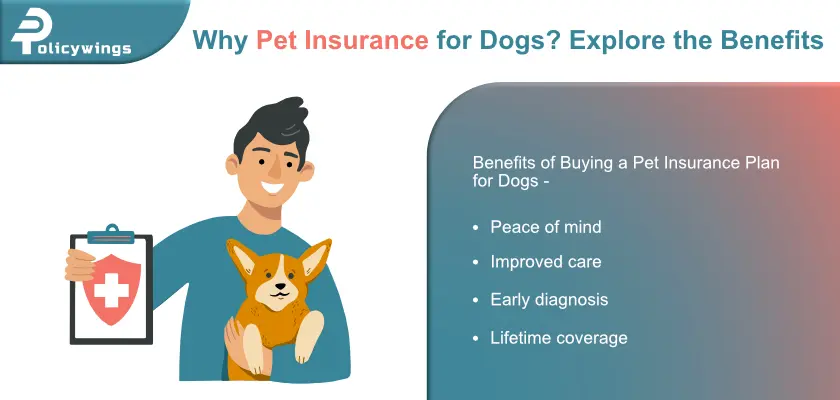
How to Choose the Best Pet Insurance Policy: A Comprehensive Guide
By Sagar Narang
How to Choose the Best Pet Insurance Policy: A Comprehensive Guide

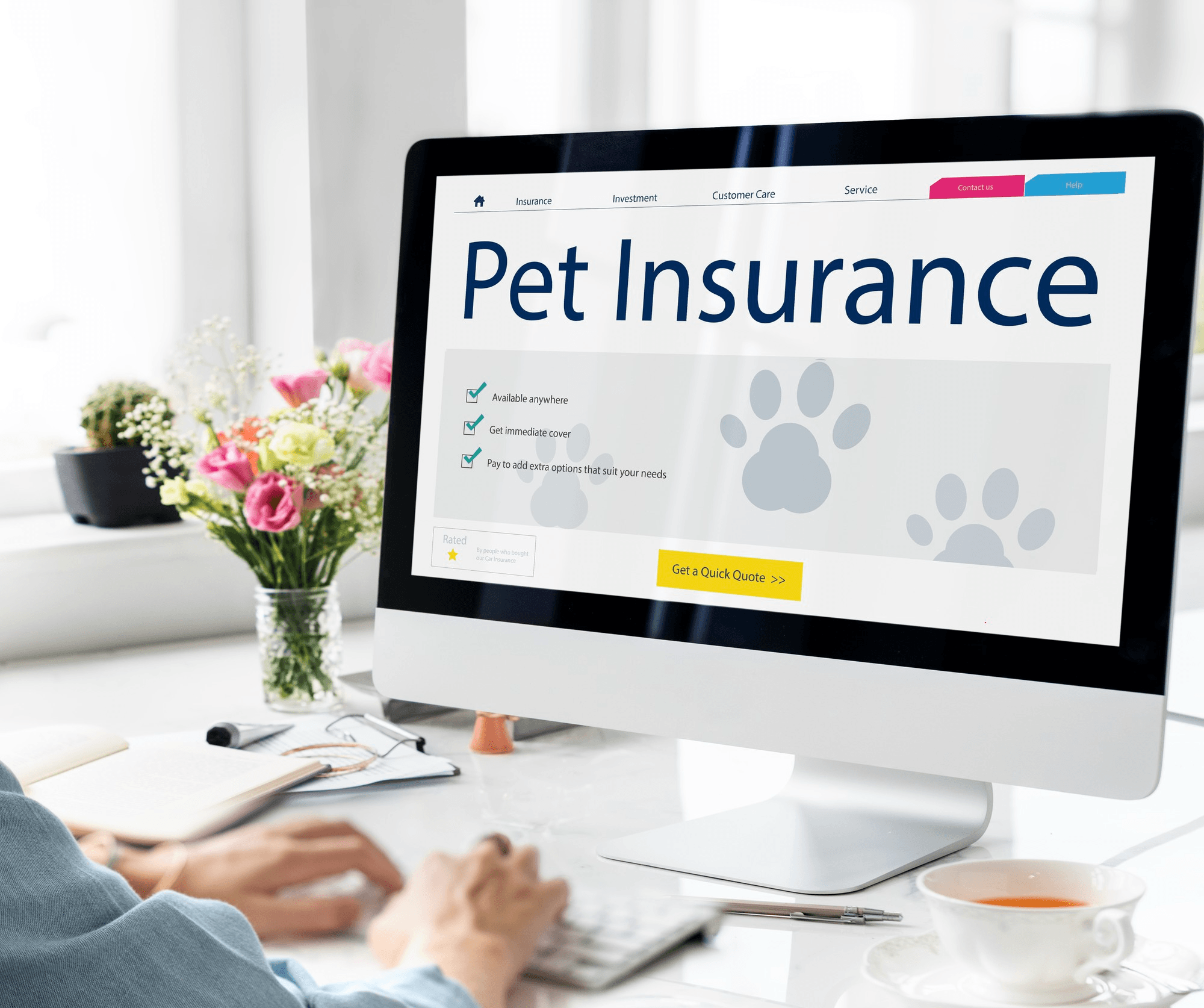
Making sure your pets get medical attention involves buying a pet insurance policy as your financial backup plan. Getting veterinarian care and continuing medical care becomes easier when you choose a suitable insurance coverage for your pet.

Table of Contents

Toggle

Thanks to our status as pet owners, we work to give the best experience possible to our animals. Good pet owners take care of their pets by making sure they eat healthily and seeing their vets while living in safe conditions.

Medical emergencies force pet owners to pay large veterinary costs which strains their budget for caring for their beloved pets. A pet insurance policy steps in at this point to help.

In this blog, we will share all the necessary information to select the best pet insurance policy for your pet which includes various policy types, payment elements, plan evaluations, and specialist tips.

Understanding Pet Insurance

What is pet insurance?

When illness or injuries strike your pet there is a way to protect your finances: a Pet Insurance Policy helps you pay for help from the vet. Your pet insurance coverage helps you pay for a part of your pet’s medical costs so you can access top treatment at all times.

Under this type of coverage you pay the vet now then submit reimbursement claims to the insurance provider. When you select firms that offer direct billing services they pay your vet directly so you need to spend less out of your own pocket.

A Pet Insurance Policy pays for medical costs to ease the financial pressure of urgent medical procedures and continuous healthcare.

Your pet’s health depends on picking the best insurance plan and giving you comfort at the same time. Choosing between various policy options becomes difficult even though many plans exist.

How Does Pet Insurance Work?

Pet insurance typically follows these steps:

  1. Choose a plan: Select a policy based on your pet’s age, breed, and medical history.
  2. Pay monthly premiums. The amount depends on coverage, deductibles, and other factors.
  3. Visit the vet. Take your pet for treatment when needed.
  4. Submit a claim. Pay the bill and send a claim to the insurer.
  5. Get reimbursed: The insurer processes the claim and reimburses a percentage based on your policy.

Types of Pet Insurance Coverage

  • Accident-Only Plans protects against injury types including fractures, wounds, and accidental poisonings.
  • These plans protect against sickness, including infections, cancer and long-term medical illnesses.
  • These Plans Take Care of Both Medical Emergencies and Regular Healthcare Services
  • Wellness Plans Provide Basic Health Care, which Includes Regular Checkups Vaccinations and Dental Cleanings

Your pet insurance selection depends on your pet’s health needs alongside their breed risks and available finances.

Key Factors to Consider When Choosing a Pet Insurance Policy

/*! elementor - v3.22.0 - 26-06-2024 */
.elementor-widget-image{text-align:center}.elementor-widget-image a{display:inline-block}.elementor-widget-image a img[src$=".svg"]{width:48px}.elementor-widget-image img{vertical-align:middle;display:inline-block}

Article image

Key Factors to Consider When Choosing a Pet Insurance Policy

Coverage Options

  • Accident and Illness Coverage: Covers injuries, diseases, and hospital stays.
  • Chronic Conditions: Includes long-term illnesses like diabetes and arthritis.
  • Hereditary problems develop best in the following breeds.
  • Wellness & Preventive Care: Routine checkups, vaccinations, and dental cleanings.
  • Your insurance policy may include coverage for professional physical treatment sessions and related eastern therapies.The variety of pet insurance plans makes them different in their coverage range. Plans exist either for emergency care or for covering preventive medical needs. When evaluating policies, check for:
  • Before your purchase, check details about what benefits and exclusions are part of the policy.
  • These plans protect against sickness, including infections, cancer and long-term medical illnesses.
  • These Plans Take Care of Both Medical Emergencies and Regular Healthcare Services
  • Wellness Plans Provide Basic Health Care, which Includes Regular Checkups Vaccinations and Dental Cleanings

Your pet insurance selection depends on your pet’s health needs alongside their breed risks and available finances.

Cost and Premiums

The amount you pay for a debit insurance policy depends on different elements including:

  • The insurance rate increases according to a pet’s age and susceptibility to medical conditions while they belong to certain breed groups.
  • Plans that cover complete health issues usually demand more money than basic accident protection.
  • The prices of veterinary treatment in different areas determine insurance rates across regions.
  • Choosing higher deductible amounts decreases your premium charges but raises how much money you pay yourself before insurance help arrives.

To choose wisely assess different plans and decide which one gives you the best value for your money.

You Need to Contrast Policies to Find Affordable Insurance Plans That Offer Good Protection.

  • Look at different policies to identify affordable plans with quality protection.
  • Do not select the least expensive plan until you verify its benefits.
  • If you own multiple pets look for discounts that cover several pets at once.

Deductibles, Reimbursements, and Payout Limits

It is essential to know your personal costs versus what insurance will cover in detail.

  • Your insurance starts paying only after you pay your annual or incident-based deductible. Can be annual or per-incident.
  • Insurance companies pay a portion of the bill at the specified rates (70%, 80%, or 90%).
  • The insurer establishes the highest yearly and per-condition payment amounts they will provide.

Decide your reimbursement rate based on your finances, yet pick a level of insurance that offers good coverage.

**Example:
**If your pet’s surgery costs ₹50,000 and your plan has:

  • ₹5,000 deductible
  • 80% reimbursement rate
  • ₹1,00,000 annual payout limit

Your insurer will cover ₹36,000 (80% of ₹45,000 after deductible).

Waiting Periods and Exclusions

The cover needs to wait a defined span of time before taking effect in every insurance policy (14 days for sickness and 48 hours for injuries). Insurers also do not pay for:

  • Pre-existing conditions
  • Elective operations (e.g., tail docking, ear cropping)
  • Breeding-related costs

Tip: Insure your pet early to avoid pre-existing condition problems.

Reputation and Customer Reviews

Before choosing an insurer, consider:

  • Claim settlement ratio: claim processing speed.
  • Customer service: responsiveness and quality of support.
  • Online reviews: real feedback from other pet owners.

Tip: Choose a provider with good reviews and transparent claim processes

How to Research Providers:

  • Find customer reviews at reputable review websites.
  • Read social media feedback.
  • Ask other pet owners for business referrals.

Comparing Pet Insurance Providers

How to Research and Compare Plans

Use online comparison tools to evaluate different insurers. Check for:

  • Coverage inclusions & exclusions
  • Premium costs & deductible options
  • Reimbursement rates & payout limits

Policy Wings’ Recommendations

Policy Wings is a trusted source for pet insurance comparisons, providing insights into the best plans available. Visit Policy Wings for detailed comparisons.

Tips for Choosing the Right Policy for Your Pet

Match Coverage to Your Pet’s Needs

  • Young pets: wellness plans for preventive care.
  • Senior pets: Comprehensive plans covering chronic conditions.
  • Active pets: Accident coverage for injuries.

Consider Long-Term Costs

  • Cheap policies may not offer adequate coverage.
  • Look for policies with lifetime benefits rather than annual limits.

Read the Fine Print

  • Understand exclusions and waiting periods.
  • Look for hidden fees or restrictions on claims.

Latest Trends in Pet Insurance for 2025

  • AI systems help customers design insurance plans through personal health records of their pets.
  • Digital-First Insurance Helps Companies Process Claims Faster by Using Smartphone Applications
  • Mental Health Coverage for Pets – Support for anxiety and behavioral issues.
  • The company wants to focus more on preventing diseases to keep pets healthy in the long term.

Conclusion

Selecting an appropriate pet insurance policy helps you pay for your pet’s top-quality healthcare while preventing financial difficulties.

Evaluating different policies provides practical ways to select the best insurance coverage suited for your pet’s requirements.

The best way to find the best health insurance provider in India is through Policy Wings’ expert insights on high-rated healthcare plans.

Get proper pet insurance now to secure your pet’s health.

Share this article:

Key Services

What Makes us different from other platform?

Policywings.com is operated by Policywings Insurance Broking Services Private limited. It is duly licensed by IRDAI under its broking regulations.

At Policywings, we wish to simplify and de-jargonise Insurance

Blog

Our Blogs

Practical tips, guides, and insights to help you make smarter insurance decisions for yourself and your family.

Insurance Planning in India: A Practical GuideGeneral Insurance

Insurance Planning in India: A Practical Guide

Introduction A lot of people treat insurance as a last-minute purchase and buy it only because it feels necessary in that moment. Sadly, they don’t fully understand what they need or why. Similarly, business insurance is also seen as a formality rather than a safety net. In reality, proper insurance planning makes a significant difference in financial stability. The right insurance policy helps individuals protect the income, health and assets of their family. For businesses, it secures their operations, employees and finances. Let’s discuss how insurance brings long-term stability and peace of mind. What Is Insurance Planning? It is the process of identifying risks and then selecting proper insurance covers that will protect against financial loss. Basically, you can better decide what kind of coverage do you actually need, how much coverage would be good enough and how policies should evolve as circumstances change. The whole point is to not buy random policies. Insurance planning is entirely focused on getting correct coverage with real needs. It could be income protection, health expenses, safety of assets and even liability risks. Why Insurance Planning Matters for Individuals Insurance planning, for individuals, is mainly about achieving financial protection and mental satisfaction. We know how unpredictable is life. Health-related expenses, sudden accidents or an unfortunate case of income loss can disturb long-term goals if there is no proper planning. insurance will help with: Income Protection A term plan is what you need to protect those who are financially dependent on you. With this, family members are able to manage daily expenses, pay off EMIs and accomplish future goals even when the earning member is no more. Health and Medical Security Medical costs can hit anyone at any time and often, they are very expensive. But when you have a planned health coverage, you can preserve your years of savings or avoid taking on debt for emergencies. Asset Protection Only a suitable insurance coverage can protect assets like cars or homes against damage, theft or big accidents. Repair or replacement costs can certainly be reduced through a well-chosen insurance policy. Long-Term Financial Discipline Insurance planning also encourages individuals to think about their financial situation practically. Hence, their protection grows along with income and responsibilities. Why Businesses Need Insurance Planning Not just individuals, even businesses need insurance planning. Beyond protection, it also supports the continuity and credibility of the company. Unexpected events can shut down operations temporarily, cause legal complications or make businesses face financial losses. However, insurance planning helps in: Operational Risk Management Businesses are prone to face risks related to property damage, safety of employees, legal liability and data security. With insurance planning, businesses can identify these risks and then assign appropriate coverage. Employee and Legal Responsibility Certain covers are really helpful to businesses in managing employee-related risks and meet legal requirements. This reduces both legal troubles and financial strain. Business Continuity Through smart planning, business operations can go on even during mishaps. This helps businesses in fast recovery without having to spend the working capital. Key Elements of Effective Insurance Planning Consider Real Risks Always start by understanding what risks can cause you financial stress. Individuals usually find it hard to deal with loss of income or medical emergencies. For businesses, it could be damage to assets, liability claims or even an operational halt. Choose Coverage Based on Needs Both under-insuring or over-insuring are big mistakes. You must choose an insurance policy that balances affordability while also promising adequate protection in need. Regular Review of Coverage Over the years, there is a change in the stage of life, income levels and business operations. By reviewing insurance from time to time, you can make sure that coverage continues to be relevant. Understand Policy Terms It’s suggested to know the inclusions, exclusions, waiting periods and even the whole claim process so that there is no confusion during emergencies. The Role of Online Insurance in Modern Planning Thanks to digitalisation, insurance planning has become quite stress-free. Many people now prefer online insurance platforms to do their research, compare options and manage different policies. When you buy insurance online, you get these benefits: Plans can be compared easily Pricing is transparent Policy is issued quickly Digital storage and easy policy renewal Besides being so convenient, the option to buy insurance online also lets you make a purchase whenever you want, without any sales pressure Mistakes to Avoid in Insurance Planning Here are some common mistakes that you must avoid to ensure effective and reliable insurance planning: Choosing policies only because of low premiums Ignoring what’s ‘not’ included and T&C of the claim Delaying purchasing a term plan Not updating coverage even after major life or business changes have happened Treating insurance as a one-time purchase and forgetting about it later Insurance Planning Is an Ongoing Process It should always be remembered that insurance needs don’t remain the same throughout. There could be an increase in your income, growth in responsibilities or expansion in businesses. Hence, coverage must be accordingly updated. Only with regular evaluation can you make sure that the insurance policy continues to serve its core purpose. In fact, today we have different online insurance platforms. They make it easier to track, update and manage multiple policies from the same site or app. Conclusion Insurance planning is about fearing but staying prepared. Both individuals or businesses need the right mix of policies to manage unexpected mishaps and protect their long-term goals. Planning can be a very practical and empowering financial decision. All you need to do is choose coverage thoughtfully and review it regularly. Also, you can buy insurance online for the most convenience. Just follow a structured approach and you can secure a safety net. For more details regarding plans and coverage, connect with PolicyWings!

Written byRahul NarangPublished onJanuary 27, 2026
Third Party vs Comprehensive Car Insurance – Which Should You Buy?Car Insurance

Third Party vs Comprehensive Car Insurance – Which Should You Buy?

Introduction At the time of renewing or buying car insurance, people generally have two main options in front of them. Either to go for third party insurance or choose a comprehensive policy. While one is cheaper, the other offers better protection. The question here is which one do you really need? At first glance, the cheaper option may seem more attractive but the real decision isn’t only about price alone. It’s about how much risk you can take, usage of your car and how much are you ok to spend after an accident. Basically, you should ensure what you’re actually protected against. If you are at the decision stage, confused how to go ahead, we will help you choose the one that make the most sense for your car so you can make a confident decision. Understanding the Two Types of Car Insurance What Is Third Party Car Insurance? For the car owners in India, this is the minimum legal requirement and should be taken very seriously. If, because of your car, there is any kind of damage or injury to another person, vehicle or property, it will be covered. In short, it does not cover: Damage to your own car Theft of your car Your car damaged by fire or flood It is also known as a third party liability insurance policy and it is a legal requirement to bring your car on the road in India. And since it only covers the other people and their assets, it’s also the cheapest insurance for car. What Is Comprehensive Car Insurance? This car insurance goes a lot further in terms of benefits and covers: Third-party damage (as a mandatory part) Damage caused to your own car due to any accident Theft of car or destruction by fire, floods and natural disasters Further, you even have the option to enhance it with some amazing add-ons like bumper to bumper insurance, engine protection and roadside assistance. These features are very useful and can significantly reduce your expenses at the time of making claims. Third Party vs Comprehensive: The Real Difference So, the easiest way to understand how these two insurances differ this: Third party insurance is designed to protect others from your car Comprehensive insurance promises to protect both others as well as your car When you have third party insurance, you only meet the legal requirement but with comprehensive car insurance, your financial exposure is a lot lower after an accident happens. Is the Cheapest Insurance for Car Always the Right Choice? It’s understandable why so many buyers choose the cheapest insurance for car is especially when it’s time to renew. However, low cost and always mean it’s a safer option. If you have a basic third-party insurance: Any damage to your car will be settled entirely from your own pocket Even minor accidents can lead to high repair bills There would be zero compensation on case of theft or flood damage Yes, there is a higher upfront cost in comprehensive car insurance but it also reduces a lot of unexpected expenses later. Where Bumper to Bumper Fits In Bumper to bumper insurance is surely one of the biggest reasons why people upgrade to comprehensive cover. In regular policies, insurance providers generally apply depreciation during claims on parts made of plastic, rubber and fibre. Hence, you still pay a share of total repair costs. Having bumper to bumper means: Depreciation deductions are minimal or even none at all Your pay much lower out-of-pocket expense after an accident Claims feel a lot less stressful and more expected Overall, this add-on is especially useful for new cars and those who drive in busy cities. Which One Should You Buy? For this, you must pay more attention to what happens if an accident or theft actually happens. Third party insurance makes more sense if: Your car is very old and its resale value is also low You drive only occasionally and that too in low-risk areas mainly You want to simply comply with the law without spending much Comprehensive car insurance is better if: Your car is new or even mid-aged You frequently take your car out in traffic-heavy city It would be difficult to manage repair costs out of pocket You want full peace of mind and not just compliance For most car owners, comprehensive car insurance is the correct choice. While it isn’t the cheapest option, it offers better overall value Cost vs Protection: Think Beyond the Premium It’s a very common mistake to only compare the annual premiums but a much better way to think is: Third party insurance= you pay lower premium but there is higher risk Comprehensive insurance = you pay higher premium but there’s lower financial shock The major difference is seen on the day you actually need to file a claim. Conclusion Summing it up, if your goal is to only meet legal requirements then third party insurance will do the job for you. On the other hand, if you aim to protect your car, savings and peace of mind then you need a comprehensive car insurance. Additionally, you can enhance it even more with bumper to bumper insurance. Car insurance shouldn’t be about just saving money upfront but about choosing a policy that helps you when unexpected situations happen. For more details on policies and insurers, get in touch with the PolicyWings team!

Written byRahul NarangPublished onJanuary 28, 2026