Is Home Insurance Worth It in India?

By Rahul NarangUpdated:
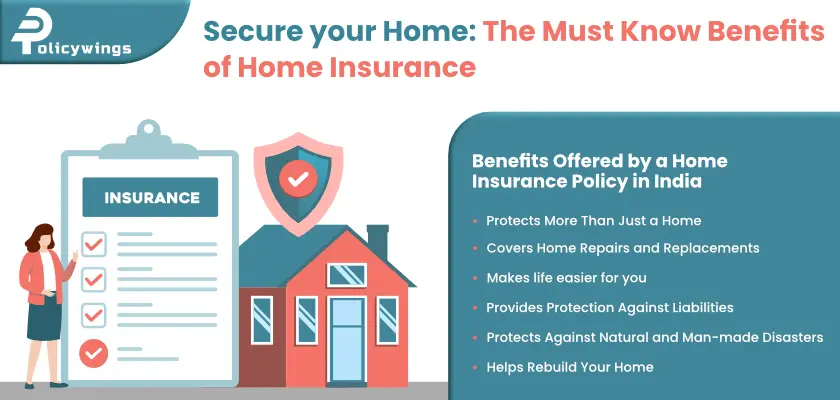
A small house model with insurance card in background

For most people in India, buying a home is one of the biggest financial milestones of their lives. It often involves years of savings, home loans, and long-term planning. However, while a lot of effort goes into acquiring a home, protecting it is something that is often overlooked.

Unlike health or motor insurance, home insurance is still not widely adopted in India. Many homeowners either are not aware of its importance or assume that the risk of damage or loss is too low to justify buying a policy. However, with increasing incidents of natural disasters, fire hazards, and theft, this assumption can be risky.

This brings us to an important question: Is home insurance worth it in India?

To answer this properly, it is essential to understand what home insurance covers, the risks it protects against, and how it can safeguard your finances in real-life situations.

What Is Home Insurance?

Home insurance is a financial protection tool that safeguards your house and its contents against unexpected risks such as damage, destruction, or loss. It ensures that if something goes wrong, whether due to natural causes or human actions, you are not left bearing the full financial burden.

A standard home insurance policy typically covers both the physical structure of your house and the belongings inside it. Depending on the policy, it can also include additional protections that further enhance your coverage.

What Does Home Insurance Typically Cover?

Home insurance is usually divided into two main components, each addressing a different aspect of your property.

1. Structure Coverage

Structure coverage focuses on protecting the physical construction of your home. This includes the core elements that make up the building, such as walls, ceilings, flooring, and the roof.

In addition to the basic structure, it also covers permanent fixtures like built-in wardrobes, modular kitchens, and electrical wiring. These are considered part of the property and are included in the overall coverage.

If your home is damaged due to events like fire, floods, or earthquakes, the cost of repairing or rebuilding these structural components can be extremely high. Structure coverage ensures that such expenses are taken care of by the insurer, reducing your financial burden significantly.

2. Contents Coverage

While the structure forms the outer shell of your home, the contents represent everything inside it that you use in your daily life. This includes furniture, appliances, electronics, clothing, and other personal belongings.

Contents coverage protects these items against risks such as theft, fire, or accidental damage. For example, if a burglary results in the loss of valuables or a fire damages your furniture and electronics, this component of the policy helps compensate for those losses.

Many people underestimate the value of their belongings, but when calculated collectively, the cost of replacing everything inside a home can be substantial.

3. Additional Coverage Areas

Most modern home insurance policies go beyond just basic protection and include coverage for a variety of risks.

These typically include:

  • Fire and explosion, which are among the most common causes of property damage
  • Natural disasters such as floods, earthquakes, storms, and cyclones
  • Theft and burglary, especially in urban or semi-urban areas
  • Vandalism and riots, which can cause unexpected damage to property

Some policies also offer optional add-ons for enhanced protection, such as coverage for high-value items like jewelry or temporary accommodation if your home becomes uninhabitable.

Why Home Insurance Is Often Ignored in India

Despite its importance, home insurance has not gained widespread popularity in India. This is largely due to a combination of misconceptions and lack of awareness.

1. Lack of Awareness

A significant number of homeowners are simply unaware that home insurance exists or do not fully understand how it works. Unlike motor insurance, which is mandatory, home insurance is optional, so it does not receive as much attention.

As a result, people often do not explore it unless they face a loss.

2. Assumption of Low Risk

Many individuals believe that events like fires, floods, or theft are rare and unlikely to happen to them. This sense of security often leads them to ignore the need for insurance.

However, risks are unpredictable, and even a single incident can lead to heavy financial loss.

3. Misunderstanding Loan-Linked Insurance

In cases where homes are purchased through loans, banks may offer or require insurance. However, these policies often cover only the loan amount or the lender’s interest, not the full value of the property or its contents.

This creates a false sense of security, leaving homeowners underinsured.

Real Risks That Homeowners Face

While home insurance may seem optional, the risks it covers are very real and increasingly common.

1. Natural Disasters

India is geographically diverse and prone to various natural disasters. Floods during monsoons, earthquakes in certain zones, and cyclones in coastal regions can cause severe property damage.

Repairing or rebuilding a home after such events can be financially overwhelming without insurance.

2. Fire Hazards

Fire incidents can occur due to electrical faults, gas leaks, or short circuits. Even a small fire can cause extensive damage to both the structure and contents of a home.

The financial impact of such incidents can be significant, especially in urban homes with expensive interiors.

3. Theft and Burglary

With increasing urbanization, cases of theft and burglary are not uncommon. Homes that are unoccupied for long periods are particularly vulnerable.

Replacing stolen items, especially electronics or valuables, can be costly.

4. Structural Damage

Over time, buildings may develop structural issues due to wear and tear or environmental factors. While not all such damage is covered, sudden and accidental structural failures may be included under certain policies.

Benefits of Home Insurance

Understanding the benefits helps in evaluating whether the investment is worthwhile.

1. Financial Protection Against Major Losses

One of the biggest advantages of home insurance is that it protects you from large, unexpected expenses. Whether it is rebuilding a damaged home or replacing valuable belongings, the policy ensures that you are not forced to dip into your savings.

2. Protection of Both Structure and Contents

Unlike many other forms of insurance, home insurance provides dual protection, covering both the physical property and the items inside it. This makes it a comprehensive solution for safeguarding your home.

3. Peace of Mind

Knowing that your home is protected against multiple risks allows you to live with greater confidence and less stress. This is especially important in areas prone to natural disasters or theft.

4. Affordable Premiums

Compared to the value of the asset being protected, home insurance premiums are relatively low. This makes it a cost-effective way to secure one of your most valuable investments.

Is Home Insurance Worth It in India?

The answer depends on your individual circumstances, but in most cases, the benefits far outweigh the costs.

Situations Where Home Insurance Is Highly Recommended

Home insurance becomes especially valuable in the following scenarios:

  • You own a high-value property
  • You live in a flood-prone or disaster-prone area
  • You have expensive interiors, electronics, or valuables
  • Your home remains unoccupied for long periods
  • You want to protect your long-term financial investment

Situations Where People Often Skip It

Some homeowners choose not to opt for home insurance due to perceived low risk or cost concerns. However, even in such cases, the relatively low premium makes it a worthwhile consideration.

Home Insurance for Homeowners vs Tenants

1. For Homeowners

Homeowners should ideally opt for both structure and content coverage to ensure complete protection. This ensures that both the building and belongings are financially safeguarded.

2. For Tenants

Tenants do not need structure coverage, as they do not own the property. However, they can benefit from content insurance to protect their personal belongings from theft or damage.

Key Factors to Consider Before Buying Home Insurance

1. Coverage Amount

It is important to insure your home for its reconstruction cost rather than its market value. This ensures that you receive adequate compensation in case of damage.

2. Inclusions and Exclusions

Carefully reviewing what is covered and what is excluded helps avoid surprises during claim settlement. Not all types of damage are covered, so clarity is essential.

3. Add-On Covers

Add-ons allow you to enhance your policy by including coverage for specific needs, such as high-value items or temporary living expenses.

4. Claim Process

Choosing an insurer with a simple and efficient claim process can make a significant difference during stressful situations.

Common Mistakes to Avoid

Avoiding common mistakes can improve the effectiveness of your policy:

  • Underinsuring your property
  • Ignoring the value of contents
  • Not updating coverage after renovations
  • Assuming all risks are automatically covered

How Policywings Helps You Make the Right Choice

At Policywings, we help you understand your home insurance needs in a simple and practical way. We guide you in selecting the right coverage based on your property, location, and risk factors.

Our support continues beyond purchase, ensuring that you are well-assisted during claims and policy updates.

Final Thoughts

Home insurance may not yet be a common practice in India, but its importance cannot be ignored. Your home is a place of security, comfort, and emotional value.

Considering the relatively low cost of premiums and the potentially high cost of damage or loss, home insurance is a smart and responsible decision.

FAQs

1. Is home insurance mandatory in India?

No, it is optional but highly recommended.

2. Does home insurance cover natural disasters?

Yes, most policies include coverage for floods, earthquakes, and storms.

3. Can tenants buy home insurance?

Yes, tenants can opt for content insurance.

4. Is home insurance expensive?

No, it is generally affordable compared to the value it protects.

5. What is not covered?

Wear and tear, intentional damage, and certain exclusions are typically not covered.

Share this article:

More on Property Insurance

Hand-picked reads on property insurance to help you decide with confidence.

How to Compare Property Insurance Quotes?Property Insurance

How to Compare Property Insurance Quotes?

Introduction Damage to property can be a huge loss. We need reliable property insurance to protect our home, workplace or any other valuable property against uncertainties. It’s certainly a must-have. But there are just so many different property insurance plans out there. Each insurance company makes the same promise. They claim to offer affordable premiums, extensive coverage and quick & easy claim settlements. With so many options, how do you know which one is actually the one for you? Comparing property insurance quotes is very important; it’s just like comparing prices before buying a gadget or maybe a bike. Only by analysing multiple insurance quotes can you find the perfect option that offers value for money. Why Property Insurance Matters Buying a property, whether a home or a place of work, means making one of the biggest investments. Any kind of damage to it due to fire, theft, accident or even a natural disaster leads to a huge financial loss that can only be covered with a property insurance policy. The right property insurance plans in place will: Protect your property from damaging natural disasters. Cover losses that may happen due to fire or explosions on the premises. Get protection for the loss in case of robbery. Stay protected in case of accidental damage. Continue with the business if it was a commercial property. Getting a property insurance plan gives you assurance that you won’t have to face the entire financial burden alone in case of an unexpected mishap. What Are Property Insurance Quotes? When you reach out to an insurance company to buy a policy, they give you a cost estimate for the kind of coverage you’re seeking. This is called a property insurance quote and it includes various information like: The premium: How much you will have to pay and the frequency (monthly, quarterly or annually). The coverage details: What all risks are covered and the maximum amount that’ll be received. The deductibles: How much would you have to pay from your pocket before the insurance comes into the picture. All the detailed terms and conditions of the insurance policy. Upon comparing property insurance quotes, you not only see the difference in the prices but also what you will actually pay for. Why It’s Important to Compare Property Insurance Quotes? Would you ever buy the car you see in the showroom without checking a few more? You won’t! And the same behaviour should be for insurance. Here’s why you must compare: Save Money– Different companies offer similar coverage but premiums may differ. When you compare, you can get the most cost-effective deal. Understand Coverage– Not all property insurance plans available will cover the same set of risks. For example, some companies just don’t include natural disasters. Avoid Surprises– Reading the details carefully helps you know what’s included and what’s not and hence, no shocks later during claims. Tailor to Needs– By comparing, you choose the correct plan for your property type, whether it’s residential, commercial, rental, etc. Best Ways to Compare Property Insurance Quotes Now comes the main part! How exactly should you compare quotes so that you end up making a smart decision? Look Beyond the Premium While it’s normal to check the price as the first thing, it’s not a good idea to get swayed by the cheapest property insurance quotes. A low premium often means either that the coverage is limited or the deductibles are high. Let’s say you might find one policy at ₹7,000 per year and the other one at ₹11,500. The catch is that the cheaper one doesn’t cover natural disasters, while the expensive one does. Hence, you get better value in the second one. Check the Coverage in Detail Not all property insurance plans will protect you against the same set of risks. The coverage should match your property type and location risks. So, make sure that all this is included: Damage due to fire and accident Natural calamities cover Theft or burglary Electrical or mechanical breakdown Third-party liability (you causing damage to another person’s property) Understand Deductibles Basically, a deductible is the amount you agree to pay before insurance kicks in and lower premiums usually have higher deductibles. When comparing property insurance quotes, don’t miss out on this point. Say your policy has a ₹40,000 deductible. So if your damage is ₹65,000 then the insurance will only cover ₹25,000. Compare Claim Settlement Ratios Getting a property insurance plan is only useful if the company doesn’t make a fuss while settling claims. You must check the claim settlement ratio of the insurer and learn how many claims they actually take action on. Even if the premium is slightly higher, go for a trusted insurer because a cheap plan might delay payments. Look for Add-Ons and Benefits Some insurers offer extra features. Adding them may slightly increase your premium but then the protection also becomes wider. You can consider: Rent loss cover: If you live in a rented house and it becomes unlivable after damage, the policy will help. Coverage for valuable contents inside the property: It provides coverage for jewelry, expensive appliances, etc. Temporary accommodation expenses: In case you can’t stay in your home after damage, that will be taken care of. Compare Policy Terms and Exclusions Always read the fine print because you might assume some coverage when it might not be there. Like some plans don’t include damages caused by negligence or damages from gradual wear and tear. And when you carefully compare property insurance quotes, you’ll know exactly what you’re getting. Check Flexibility of Payment Plans Some insurers allow you to pay premiums at your preferred duration. Monthly, quarterly or annually; you choose. You can always pick what fits your budget and which option helps you save more over time. Monthly vs Annual Premiums – Which is Better? When you have a bunch of property insurance quotes with you, you’ll notice that there is also an option of paying monthly or annual premiums. Here’s the difference:

Written bySagar NarangPublished onNovember 5, 2025
Cheapest Property Insurance: Affordable Protection for Your PropertyProperty Insurance

Cheapest Property Insurance: Affordable Protection for Your Property

Introduction Finding cheapest property insurance India doesn’t mean you should sacrifice protection. For homeowners, landlords and small business owners, low cost property insurance and budget property insurance India options exist but the trick is to balance premium savings with meaningful cover. This article for Policywings explains how to get affordable cover, what to watch for and the recent regulatory changes that affect buyers. What “cheap” should really mean Cheap should mean “cost effective”, not “thin”. A low premium is attractive, but policies that exclude common perils or skimp on sums insured can leave you with large out of pocket losses. Look for a policy that covers both the building (structural damage) and contents (furniture, appliances) and check addons for important risks like flood, earthquake or theft. Consider replacements vs. indemnity bases, replacement cost cover costs more but avoids depreciation disputes at claim time. How insurers keep premiums low Insurers reduce premiums by using narrower cover, higher deductibles (excess) and risk based pricing. You’ll often find cheaper annual premiums if you: Raise the deductible (you pay more for small claims). Limit cover to specific perils (e.g. “fire & allied perils” vs. “all risks”). Install basic safety measures like smoke alarms, burglar grills or approved fire extinguishers and declare them when buying a policy, since many insurers offer discounts. Buy multi year or family/group policies, where available. Practical tips to find the cheapest policy without underinsuring Compare insurer quotes on Bima Sugam and major aggregators, but always verify product wording before buying. Bima Sugam aims to make offerings transparent and comparable. Calculate correct sum insured: undervaluing your property gives cheap premiums but leads to shortfall at claim time; overvaluing wastes money. Choose sensible addons only for example, include flood cover if you live in a flood prone region; skip niche riders you don’t need. Keep records like photographs, receipts and property plans speed up claims and reduce disputes. Recent regulatory changes and compliance you must know The insurance regulator has been active with new regulations in recent years, focused on product clarity, consumer protection and digitisation. In 2024-2025 the IRDAI updated consolidated regulations that affect product filings, solvency and policyholder protection; these set higher standards for product disclosures and grievance handling by insurers. Buying via regulated marketplaces and insurers that follow IRDAI product wordings helps ensure more consistent protection. In addition, the regulator has promoted Bima Sugam, a centralised electronic marketplace to improve choice and transparency for retail buyers, which can help you compare low cost property insurance plans more reliably. There are also active policy discussions and pilot ideas on climate linked and parametric insurance for disaster payouts, which if implemented nationally could change how flood and cyclone risks are priced and paid out. This is particularly relevant for property owners in climate vulnerable areas. Finally, IRDAI has been strengthening grievance resolution mechanisms; draft proposals include in-house ombudsman concepts to speed internal complaint redressal before escalation to external forums. This improves consumer protection when buying even budget policies. What to check in the policy document (must read clauses) Perils covered/excluded: floods and earthquakes are often excluded unless expressly added. Sum insured and basis of settlement: indemnity vs. replacement basis. Deductible/excess: higher deductibles lower premium but increase your exposure for smaller losses. Sub limits and depreciation: watch for limits on specific items (electronics, jewellery) and depreciation tables that reduce payouts. Claim process and timelines: look for insurer commitment on turnaround times and documentation requirements. When cheapest is NOT the right choice If your property is in a high risk zone (coastal, floodplain, seismic), buying the very cheapest plan may leave you exposed to catastrophic loss. Similarly, landlords with rental liability exposures or owners of high value contents should prioritise adequate limits and liability cover over lowest premiums. Quick checklist before you buy Verify the insurer is IRDAI registered. Read the product brochure/wording not just the marketing blurb. Check claim settlement ratio and sample claim timelines if available. Ask about discounts (multi year, security device, salaried). Keep an inventory with photos and proofs. Conclusion Affordable property protection in India is achievable with a disciplined approach: choose the right cover, use regulated comparison channels and stay informed about regulatory changes that improve transparency and claims handling. Policywings recommends prioritising correct sums insured and essential covers (fire, flood where needed and liability) because genuine value lies in the policy’s ability to restore your life after loss, not only in the premium paid.

Written bySagar NarangPublished onDecember 1, 2025

You may also like: Business Insurance

Related guides from our business insurance desk.

Commercial Property Insurance Growth in India: Managing Urban RisksCommercial Property Insurance

Commercial Property Insurance Growth in India: Managing Urban Risks

Introduction With India urbanizing so quickly, the insurance landscape particularly in the commercial sector has undergone a major change. With cities expanding, real estate development is rising and businesses increasingly exposed to natural and man made disasters are driving record demand for commercial property insurance which is reaching unmatched levels. This part of insurance has shifted far behind just asset protection and has become an important part of risk management for enterprises navigating today’s urban challenges. Rising Demand for Business Property Coverage As India’s business centers grow, the chance of damage from fire, floods, earthquakes, theft and cyber attacks increases. The rise in climate related events has made city properties more at risk. Because of this the business property insurance is now needed for all businesses from small stores to big factories. A big change is that there are more businesses that are buying policies that cover not only buildings but also equipment, stock and business interruption. This complete approach shows that companies understand that the business disruptions can cause bigger financial losses than the cost of fixing physical damage. Regulatory Oversight and Policyholder Protection The Insurance Regulatory and Development Authority of India (IRDAI) guides India’s insurance rules. These rules emphasize clear information, fair pricing and quick claim settlements. Policies have to follow strict rules about what they cover to avoid arguments. For cities facing high risks there is an additional cover option such as earthquake or terrorism protection which are commonly advised. Recent court cases show the legal issues that can come up in business insurance disputes. In some cases before consumer commissions and High Courts the insurers had to pay claims because they rejected them using unclear exclusions or not fully explaining the policy. Courts have said many times that insurance contracts must be handled with honesty and that insurers should interpret policies in a way that benefits the policyholders. This legal trend makes it easier for businesses to get compensation and makes insurers more responsible for handling claims quickly and honestly. Urban Risks Driving Policy Growth India’s urban centers face a wide spectrum of risks and insurance adoption is rising accordingly: Natural Disasters like Flooding in metro regions and seismic risks in northern and northeastern states demand specialised coverage. Densely packed industrial and commercial areas have more fire risks so fire riders are important. Because property crimes are up in cities there is a greater need for protection of inventory and buildings. Since businesses rely on being open all the time then even brief shutdowns can lead to big losses which makes business interruption coverage very important. Urban businesses are realizing property insurance is a necessity rather than just an option because of the risks involved. Digital Change in Commercial Property Insurance Commercial property insurance in India has changed because of digital platforms and AI based risk assessment. Tools can now check how strong buildings are and also location based risks even the weather patterns so insurers can set policy prices better. For those with policies the digital claim systems cut down on paperwork and speed up payments. Also devices like fire sensors and security systems are being added to insurance plans. Companies that use these tools to lower risks often get lower premiums which encourages them to take safety steps. Legal Consequences and Responsibilities Business insurance regulations have a few important responsibilities for insurers and policyholders: Insurers: If an insurer mistakenly denies a claim they may face penalties under consumer protection laws. Courts may also order compensation for emotional distress and legal fees on top of requiring the claim to be paid. Policyholders: If a policyholder does not disclose all important information like previous damage or poor safety procedures, their claims may be rejected and they could face legal action. It is critical to be honest and meet all policy demands. Duty of Good Faith: Courts have confirmed that both sides of an insurance deal have to act honestly and if they don’t then they can be sued and lose money. Strategic Considerations for Businesses Businesses in cities should do risk assessments that look at both building risks and location related risks when picking insurance. Think about using extra coverage options: Things like coverage for natural disasters, theft and business problems can add important protection in cities. Follow the law and be honest when you apply and follow safety rules you can avoid problems with claims and get better insurance options. Use of technology: Prevent problems like fire systems as they have security cameras and they keep monitoring tech which can lower risks and also even lower your insurance costs. Keep up with legal news: Knowing about court decisions can help you be ready for possible legal arguments. Conclusion Commercial property insurance in India has evolved because of the digital platforms and AI based risk assessment. By 2025 the business property insurance will be an important part of how companies in India deal with the risks of fast-growing cities. The higher need for this kind of insurance shows that risks are increasing and that people know more about how insurance can protect them financially. Because rule makers want things to be clear, courts are protecting the rights of people with insurance and technology is making coverage smarter. Property insurance is becoming a main part of keeping businesses going. For businesses it’s vital to pick complete policies, follow the rules and take steps to prevent problems in cities.

Written bySagar NarangPublished onOctober 3, 2025
The Cost of Not Having Liability Insurance: Real Stories from Indian CompaniesBusiness Insurance

The Cost of Not Having Liability Insurance: Real Stories from Indian Companies

Introduction Liability insurance India and business insurance claims are more than just catchphrases; they have the power to determine whether a business endures or fails in the face of financial or legal danger. Lack of proper liability insurance can have disastrous consequences in India’s changing regulatory environment, ranging from harsh tribunals to astounding compensations. Why Liability Insurance Is Non-Negotiable in India Regardless of whether the insured is at fault, liability insurance serves as a financial buffer for companies by paying for court awarded damages, settlements, and legal fees resulting from accidents, property damage, or carelessness. In cases involving hazardous activities, the Indian legal system also enforces strictures like absolute liability, which eliminates the use of defences like mistake, third party fault, or force majeure. The risks are just too great for companies that participate in or support risky activities to be uninsured. Real Life Illustrations: What Happens Without Coverage Medical Career Errors Revealed An X-ray report from a doctor in Ghaziabad was filled with mistakes, including incorrect gender, age, referral date, and referring physician information. The doctor and her insurer, New India Assurance, were ordered to pay INR 20,000 in compensation and litigation costs each by the District Consumer Disputes Redressal Commission (DCDRC), which declared it a “deficiency in service”. The entire financial and reputational burden of liability would have fallen on the doctor alone if she had not had insurance. Insurance Boundary Bend: A Transporter’s Nightmare Four days prior to the expiration of the insurance policy, a truck was stolen. The insurer claimed a settlement had already been reached and only paid INR 5.3 lakh. The DCDRC ordered the insurer to pay the INR 15,949 shortfall plus INR 5,000 for mental distress and required payment of 75% of the Insured Declared Value (IDV) based on Supreme Court precedent. The transporter would lose hundreds of thousands of rupees if they didn’t have insurance. Tragic Traffic Accident: Compensation for the Family Under Sections 279 and 304A of the IPC, the negligent tractor driver and Liberty General Insurance Co. shared liability for a fatal accident that occurred in Gurgaon in July 2020. The victim’s family was awarded INR 22.22 lakh plus 9% annual interest. The driver or worse, the victim’s family would be compelled to engage in a drawn-out, potentially fruitless legal battle in the absence of insurer involvement. A Billion Rupee Claim Is Awaiting in the Aviation Disaster Over 240 people were killed in the Air India Boeing 787 Dreamliner crash near Ahmedabad, which could result in insurance claims totalling more than INR 1,000 crore, which would be the largest aviation insurance payout in Indian history. Experts caution that both Boeing and Air India might be held “unlimited” liable under international aviation law, which would be far more than the usual policy limits, if negligence is proven. Corporate reserves would be dwarfed by the financial consequences of inadequate liability coverage. Legal & Regulatory Landscape: The Why Behind the What The Public Liability Insurance Act of 1991 requires operators of hazardous industries to carry public liability insurance. Policies pertaining to directors and officers (D&O), employer’s liability, product liability, professional indemnity, and cyber liability are becoming more and more important in a variety of sectors, including corporate governance, IT, healthcare, and manufacturing. The market for insurance is expanding quickly. Liability insurance premiums increased by almost 15% between 2013-14 and 2022-23, and INR 1,137 crore in claims were paid. Legal Strategy & Takeaways With the appropriate combination of sector-specific policies, such as public, professional, product, D&O, or cyber liability, you can avoid liability expenses. Legally anchored: Certain liability policies, like public liability, are statutory, so compliance is not optional. Others protect international collaborations, vendor contracts, and tender eligibility. Make good use of precedent: Even when procedural problems occur, expected payouts are guided by cases such as National Insurance Co. vs. Nitin Khandelwal. Catastrophic risk equals to uninsured exposure The financial and reputational harm is rarely contained, whether it is due to transport theft, industrial disasters, or professional errors. Conclusion: Liability insurance is more than just caution in India; It’s preservation. Every example, from court rulings to significant insurance claims, demonstrates how liability insurance in India is a lifeline rather than an expense. Accountability is strengthened by regulations, and actual court decisions demonstrate that not having insurance can lead to financial ruin. Liability coverage is not only wise, but necessary for businesses to succeed, particularly in high risk, regulated, or public facing industries.

Written byRahul NarangPublished onAugust 25, 2025
Insurance Planning in India: A Practical Guide for Individuals and BusinessesBusiness Insurance

Insurance Planning in India: A Practical Guide for Individuals and Businesses

Introduction A lot of people treat insurance as a last-minute purchase and buy it only because it feels necessary in that moment. Sadly, they don’t fully understand what they need or why. Similarly, business insurance is also seen as a formality rather than a safety net. In reality, proper insurance planning makes a significant difference in financial stability. The right insurance policy helps individuals protect the income, health and assets of their family. For businesses, it secures their operations, employees and finances. Let’s discuss how insurance brings long-term stability and peace of mind. What Is Insurance Planning? It is the process of identifying risks and then selecting proper insurance covers that will protect against financial loss. Basically, you can better decide what kind of coverage do you actually need, how much coverage would be good enough and how policies should evolve as circumstances change. The whole point is to not buy random policies. Insurance planning is entirely focused on getting correct coverage with real needs. It could be income protection, health expenses, safety of assets and even liability risks. Why Insurance Planning Matters for Individuals Insurance planning, for individuals, is mainly about achieving financial protection and mental satisfaction. We know how unpredictable is life. Health-related expenses, sudden accidents or an unfortunate case of income loss can disturb long-term goals if there is no proper planning. insurance will help with: Income Protection A term plan is what you need to protect those who are financially dependent on you. With this, family members are able to manage daily expenses, pay off EMIs and accomplish future goals even when the earning member is no more. Health and Medical Security Medical costs can hit anyone at any time and often, they are very expensive. But when you have a planned health coverage, you can preserve your years of savings or avoid taking on debt for emergencies. Asset Protection Only a suitable insurance coverage can protect assets like cars or homes against damage, theft or big accidents. Repair or replacement costs can certainly be reduced through a well-chosen insurance policy. Long-Term Financial Discipline Insurance planning also encourages individuals to think about their financial situation practically. Hence, their protection grows along with income and responsibilities. Why Businesses Need Insurance Planning Not just individuals, even businesses need insurance planning. Beyond protection, it also supports the continuity and credibility of the company. Unexpected events can shut down operations temporarily, cause legal complications or make businesses face financial losses. However, insurance planning helps in: Operational Risk Management Businesses are prone to face risks related to property damage, safety of employees, legal liability and data security. With insurance planning, businesses can identify these risks and then assign appropriate coverage. Employee and Legal Responsibility Certain covers are really helpful to businesses in managing employee-related risks and meet legal requirements. This reduces both legal troubles and financial strain. Business Continuity Through smart planning, business operations can go on even during mishaps. This helps businesses in fast recovery without having to spend the working capital. Key Elements of Effective Insurance Planning Consider Real Risks Always start by understanding what risks can cause you financial stress. Individuals usually find it hard to deal with loss of income or medical emergencies. For businesses, it could be damage to assets, liability claims or even an operational halt. Choose Coverage Based on Needs Both under-insuring or over-insuring are big mistakes. You must choose an insurance policy that balances affordability while also promising adequate protection in need. Regular Review of Coverage Over the years, there is a change in the stage of life, income levels and business operations. By reviewing insurance from time to time, you can make sure that coverage continues to be relevant. Understand Policy Terms It’s suggested to know the inclusions, exclusions, waiting periods and even the whole claim process so that there is no confusion during emergencies. The Role of Online Insurance in Modern Planning Thanks to digitalisation, insurance planning has become quite stress-free. Many people now prefer online insurance platforms to do their research, compare options and manage different policies. When you buy insurance online, you get these benefits: Plans can be compared easily Pricing is transparent Policy is issued quickly Digital storage and easy policy renewal Besides being so convenient, the option to buy insurance online also lets you make a purchase whenever you want, without any sales pressure Mistakes to Avoid in Insurance Planning Here are some common mistakes that you must avoid to ensure effective and reliable insurance planning: Choosing policies only because of low premiums Ignoring what’s ‘not’ included and T&C of the claim Delaying purchasing a term plan Not updating coverage even after major life or business changes have happened Treating insurance as a one-time purchase and forgetting about it later Insurance Planning Is an Ongoing Process It should always be remembered that insurance needs don’t remain the same throughout. There could be an increase in your income, growth in responsibilities or expansion in businesses. Hence, coverage must be accordingly updated. Only with regular evaluation can you make sure that the insurance policy continues to serve its core purpose. In fact, today we have different online insurance platforms. They make it easier to track, update and manage multiple policies from the same site or app. Conclusion Insurance planning is about fearing but staying prepared. Both individuals or businesses need the right mix of policies to manage unexpected mishaps and protect their long-term goals. Planning can be a very practical and empowering financial decision. All you need to do is choose coverage thoughtfully and review it regularly. Also, you can buy insurance online for the most convenience. Just follow a structured approach and you can secure a safety net. For more details regarding plans and coverage, connect with PolicyWings!

Written byRahul NarangPublished onJanuary 20, 2026

Explore: Claims & Support

Broaden your view with a quick read on claims & support.

Common Mistakes When Buying Insurance Online in India (And How to Avoid Them)Claim

Common Mistakes When Buying Insurance Online in India (And How to Avoid Them)

Introduction The increase in digital platforms has evolved the way Indians buy financial products, particularly insurance. Only with a few clicks, anyone can compare policies, calculate premiums and complete the purchase online. Though this easiness comes with a set of complexities. Many first time buyers make notable mistakes during the online policy purchasing. These mistakes turn into financial loss and can also cause legal complications while making claims. Rapid increase in Trend of Online Insurance In the past few years, India has observed an increase in online insurance purchases. Factors like use of day to day smartphone usage, digital literacy and the pandemic driven requirement for no contact services have reinforced individuals to shift to online platforms. While these portals give transparency and convenience, the lack of a physical advisor means buyers have to be extra cautious. Insurance contracts are legally binding agreements and even a small mistake while purchasing can affect the validity of claims in the future. Ignoring Policy Terms and Exclusions The biggest common insurance mistake in India is not reading policy documents precisely. Online buyers mostly lightly go through the terms and conditions and depend on the highlights given on aggregator websites. But exclusions, waiting periods and particular conditions are there as well. The doctrine of utmost good faith can be applied here, which means both insurer and insured have to fully disclose all the material facts. If buyers could not understand exclusions then disputes may rise when claims are denied and courts generally take the side of written contract and not the verbal assurances. Tip: Make sure to download the full policy wording and not just the product brochure. Take time to review/ recheck exclusions, sublimits and definitions. Consulting a financial advisor or legal expert for interpretation can help as well to prevent these types of disputes. Misrepresentation or Incomplete Information Another general error is giving inaccurate or incomplete information while filling proposal forms. Buyers may lie about their smoking habits, not tell about preexisting medical conditions or misreport income levels to get lower premiums. And this can seem harmless but can have serious legal implications. Under Section 45 of the Insurance Act 1938, insurers have the right to deny claims within the first three years if material misrepresentation is catched. Courts have constantly upheld the insurer’s right to deny claims where incomplete material facts affect the risk. So, even if premiums are paid on time, claim settlement can be denied due to false or incomplete declarations. Tip: Make sure that all personal, health and lifestyle information is true and complete. If you are in doubt then be on the safer side and over disclose details rather than concealing them. This makes your legal standing strong, in case of denial in claim. Choosing Cost Over Coverage Many individuals focus mainly on the premium amount and not on the sufficiency of the coverage. Selecting the lowest cost policy can result in incomplete security. Choosing inadequate coverage does not make the insurer liable for extra financial required beyond the agreed sum assured. Courts and consumer forums impose the principle of contracts being binding only to the agreed point. Tip: Rather than choosing the cheapest premium, compare and calculate the policies based on the comprehensiveness of coverage, claim settlement ratio and reputation of the insurer. Also consider affectation and rising medical costs while deciding coverage amounts. Not paying attention to Claim Settlement Ratio Claim settlement ratio (CSR) indicates the percentage of claims an insurer clears up in a financial year. Loads of online buyers ignore checking this essential parameter as they assume every insurer functions uniformly. But, CSR shows the dependency of an insurer in fulfilling claims. A low CSR could mean a greater probability of claim denials which can lead to extended litigation. In many Indian consumer court cases insurers with not good claim histories have been told to compensate policyholders but this type of litigation is time consuming and stressful as well. Tip: Make sure CSR data from the Insurance Regulatory and Development Authority of India (IRDAI) annual reports. Go for insurers with invariably high ratios, preferably above 90%. This decreases the chances of disputes and makes sure quicker claim processing. Ignoring Riders and Add Ons Online platforms mostly show the basic policy without focusing on optional riders like critical illness cover, accidental death advantages or waiver of premium clauses. Buyers who leap from these add ons will surely later regret their decision when facing unforeseen financial requirements. Legally, once a policy is purchased without a rider then the insurer is not bound to extend those advantages even if the buyer presumes differently. Courts follow the principle of contract sanctity and do not take into consideration claims which are beyond the agreed terms. Tip: Calculate if riders can enhance your financial protection. For example a term policy with an accidental death rider should ensure higher payouts in case of accidental death. Pay attention to add ons that match your particular needs before finalising the policy. Not Maintaining Proper Documentation Many buyers fail to keep digital copies of policy documents or payment receipts and while claiming any disputes the documentary evidence is important. Without any strong proof the policyholders can face complications in consumer forums and courts. Tip: Always download and safely maintain your policy documents. Maintain both soft copies and physical copies and make sure that family members know where to retrieve them. This safeguards legal rights in case of disputes. Conclusion Purchasing insurance online offers easiness, convenience, transparency and efficiency. And the shortage of professional guidance means buyers have to be attentive against general mistakes. Misrepresentation, inadequate coverage, ignoring exclusions and poor documentation are mistakes that convey both financial and legal consequences. If you do not want to make these mistakes then individuals should precisely research policies, disclose accurate information, review legal terms and maintain proper documentation.

Written bySagar NarangPublished onOctober 6, 2025
Car Insurance Claim Process in India: Step-by-Step GuideClaim

Car Insurance Claim Process in India: Step-by-Step Guide

Whether it’s a little scratch or a big accident, a car insurance claim can save time, money and a lot of unnecessary stress. Sadly, filing a car insurance claim seems like a complicated task to a lot of people. They tend to get all blank when the situation arises. When in reality, it’s just a simple process. Once you know what to do and when, you will have your vehicle back on the road faster. Here, we will discuss how to get the most benefit of your insurance and what a well-handled claim actually looks like. Step 1: First, Ensure Safety Before you get straight to thinking about insurance, just make sure that everyone is safe around you. If possible, move the car to a safe spot Switch on hazard lights If anyone is injured, call for medical help There is nothing bigger than personal safety. The ‘claim’ part should come later. Step 2: Immediately Inform the Insurance Company Once you have the situation under control, it’s time to inform your insurer. Most insurers let you contact them through a customer care helpline, mobile app or website, writing an email or simply by visiting the branch. The earlier you inform, the better your insurer can guide you and speed up the process. Step 3: File an FIR In certain situations, you need to file an FIR. It could be after: The vehicle gets stolen There has been a major accident involving injury or death There is physical or property damage to third party If there are only minor damages, insurance providers usually don’t ask for an FIR. Still, you must always confirm with your provider. Step 4: Document the Damage A claim settlement can become much smoother if you have proper documentation in place. Your insurer may ask you to: Take clear photos or videos of the damaged vehicle Provide the date, time and location details of the incident Share basic details of what exactly happened This step is where you exchange proofs that help the insurer assess the claim accurately. Step 5: Vehicle Inspection by Surveyor After you have informed your insurer about the claim, the insurance company then appoints a surveyor who will come to inspect the vehicle. Depending on the insurer and severity of the damage, inspection may either happen physically at the garage or can even be done digitally through photos/video calls. A reliable motor insurance provider will make sure that inspections are timely done because delays can slow the entire claim process. Step 6: Repair at Network Garage or Preferred Garage You now have two options for the repair work: Cashless Claim (Network Garage): You can take your car to an authorised garage to fix it. Your Insurer settles the bill directly with the garage and you only have to pay for deductibles and non-covered items. Reimbursement Claim: You make an upfront payment for the repair bill and submit invoices and documents to the insurer. For this, you will be reimbursed later. This step becomes much easier when your policy is backed by an extensive network of garages. Step 7: Claim Settlement Once all repairs are done and documents are verified, you can relax. The insurer will settle the claim. The final amount depends on the coverage amount of the policy, deductibles and depreciation. If you have bumper to bumper insurance, depreciation is not a stress. An honest insurer will clearly explain if there will be any deductions. This really builds trust in the process. Step 8: Delivery of Vehicle After the settlement is done, the garage releases your vehicle and you can thoroughly inspect the repairs before taking your vehicle home. This is the stage when your claim is considered closed. How Add-Ons Affect the Claim Experience Add-ons are often very helpful and make your policy stronger. They can really make the claim process smoother for you. Let’s take examples: Zero depreciation (bumper to bumper insurance): Reduces depreciation deduction on parts Roadside assistance: Helps a lot during claims related to breakdowns Similarly, there are other add-ons. While they lightly increase premiums, they also simplify the claim experience. Common Reasons Why Claims Get Delayed or Rejected Here is the most important part. Some people complain that their claim wasn’t settled or that there have been issues. But this is because they made these mistakes: They were late for claim intimation Their documents were incorrect or incomplete Driving under the influence (eg. Alcohol) Policy had expired at the time of the incident A policy alone won’t solve things for you. While filing a claim, make sure you follow the right process whether you have the cheapest insurance for car or an expensive one. Why Claim Support Matters More Than Premium Premium is surely an important part of buying car insurance. However, the real test of a policy is during a claim. When claim support is strong, it means: Claim intimation is very easy Inspections are done faster Clear communication at each step Settlements are done on time Conclusion In India, the car insurance claim process is pretty structured. But your experience will largely depend on how informed you are about the process and how supportive your insurance provider. Keep in mind all the discussed steps because they will put you in control. Whenever something unexpected happens, you know what to do next. At the end, good car insurance not only protects your vehicle but also supports you in need.

Written bySagar NarangPublished onJanuary 23, 2026
WFYP Full Form in Insurance: Meaning, Benefits and How It WorksClaim

WFYP Full Form in Insurance: Meaning, Benefits and How It Works

Introduction Upon buying insurance, you will notice different short forms in your policy documents that might confuse you. One of them is WFYP. It’s very commonly found in papers after the renewal of insurance premium for car or when you check the status of your health insurance premium payment. This short code often confuses people but it’s actually a very simple term to understand. Here, we will explain to you in the simplest way possible so that you know what you are agreeing to when buying a policy or learning your policy status. What Is WFYP Full Form in Insurance? So, WFYP is the short form for “Waiting For Your Premium.” This term in insurance is mainly used by insurance companies when your policy has been generated but the premium amount that you need to pay is still pending. Basically, it means that “Your policy is ready. Once you make the premium payment, we will activate it”. Your policy will not start till you make the payment. Why Does WFYP Matter? It is very important simply because the benefits of your policy will not start until the insurer receives the premium. Don’t just assume that you will be instantly protected after applying for a policy. WFYP clearly indicates that: Your application is accepted Your policy is all set and ready The company is only waiting for your premium so that your coverage can begin You can think of it like ordering food online. It will be prepared but you won’t get it without paying fir it. Why Insurers Use WFYP The real purpose behind using WFYP is used avoid confusion between the issued and an active policy because so many people make this mistake. Insurance companies use WFYP so that: Customers know that their payment is pending No claim is assumed without a premium receipt A record-based transparency is maintained Both parties know when the coverage starts When and Where You Usually See WFYP You can come across the term WFYP commonly during: Purchasing a new policy Renewing a car insurance policy Health insurance premium updates Porting to a new insurer Making changes in policy details Premium payments getting delayed It often shows up on: Policy dashboards SMS alerts Email updates App notifications Documents of proposal/issuance How WFYP Works: Step-by-Step Process Simply put, WFYP is the phase before insurance activation. Here’s how the actual WFYP process works in India: You select a plan: It could be car, health, life or any general insurance Submitting the application: Whether online or through an agent Reviewing your details: The insurer does KYC checks, run medical tests, does vehicle inspection, verifies documents etc. The policy gets approved: Your policy number is generated. Status changes to WFYP: The insurer is now waiting for your premium payment to be made. You pay the premium: Whether through UPI, card, net banking or cash Policy becomes immediately active: Payment is received and now claims are valid. What Happens If You Ignore a WFYP Status? WFYP is a clear message that your policy is not completed yet. You should not ignore it because: You won’t be having insurance protection Claims made will be rejected Your vehicle would be uninsured and this is illegal in India Health benefits don’t start till you make the payment Your policy may be cancelled if the premium is unpaid WFYP in Car Insurance For car owners, WFYP matters more than you think. It directly affects the insurance premium for car and also your legal safety. If your car insurance shows WFYP, it should be cleared immediately because otherwise: You can’t claim for any accidents or damages Third-party liability coverage won’t be active There may be fines if caught without active insurance If it’s a new car, the dealer may not release it without premium confirmation WFYP in Health Insurance Health insurance only works after the premium is paid. Thus, the health insurance premium must be cleared on time. If your policy shows WFYP, it means: Hospitalisation is not covered Cashless treatment is not allowed Waiting periods are not started Benefits for pre-existing disease are not active If overdue, renewal continuity can break Key Benefits of WFYP for Policyholders WFYP is not to be scared of; it’s actually helpful for the customers in many ways: Clear communication: With clear updates, you can instantly know where your policy stands. Prevents misunderstanding: There are no assumptions. You would know when the coverage starts and whether you are insured or not. Helps avoid claim disputes: All the details are clear before the policy gets active. Works as a reminder: Helps with timely premium payment so your policy doesn’t lapse. Tracks policy progress: You can know your policy is at which stage and can also be tracked step-by-step. How to Quickly Clear WFYP Just with a few minutes of attention, you can ensure uninterrupted protection. This is what you should do to avoid delays: Clear the premium payment immediately after the policy is approved Turn on updates (SMS/Email/WhatsApp) from your insurance company Enable auto-debit for car and health insurance, if possible Avoid waiting till the last day of the renewal Keep UPI/card details updated Keep the payment receipts with you for reference Conclusion WFYP simply means you must pay now to activate your coverage. Your insurance company has issued your policy, but your coverage starts once the premium is paid. Coming across a new term like WFYP, waiting for your premium, etc may bring multiple thoughts but aim to understand it. It will help you stay informed and you can avoid claim-related issues. If at all it feels overwhelming and you want a smoother experience, PolicyWings will guide you through the entire process. Let’s help you stay fully protected without stress.

Written bySagar NarangPublished onDecember 16, 2025