+91-98111-67809
Travel Insurance: Valuable Investment for Travellers

Travel Insurance: Valuable Investment for Travellers
Table of Contents
- Travel Insurance: Valuable Investment for Travellers
- Get Expert Advice
- Get Expert Advice
- What is Travel Insurance?
- What Does Travel Insurance Cover?
- Why is Travel Insurance a Valuable Investment?
- Types of Travel Insurance:
- Pre-Existing Medical Conditions:
- Emergency Assistance Services:
- Exclusions and Limitations:
- Related Posts
- FAQs
Travel Insurance: Valuable Investment for Travellers
/* Styles for desktop / @media (min-width: 768px) { .hide-on-mobile { display: block; } } / Styles for mobile and tablet / @media (max-width: 767px) { .hide-on-mobile { display: none; } } / Styles for mobile / @media (max-width: 767px) { .show-on-mobile { display: block; } } / Styles for desktop and tablet */ @media (min-width: 768px) { .show-on-mobile { display: none; } }
Get Expert Advice
Get Expert Advice
Get Expert Advice
Traveling is a wonderful experience that allows us to explore new places, meet new people, and make unforgettable memories. However, it also comes with its share of risks and uncertainties, such as flight cancellations, lost luggage, medical emergencies, and other unexpected events. This is where travel insurance comes into play, as it can provide you with protection and peace of mind during your travels. In this article, we’ll discuss the benefits of travel insurance in the Indian context.
What is Travel Insurance?
Travel insurance is a type of insurance policy that provides coverage for unexpected events that may occur while traveling. These events can include medical emergencies, trip cancellations or interruptions, lost or stolen baggage, and more. Travel insurance can be purchased by individuals or families before embarking on a trip, and can cover a range of travel-related expenses. The coverage and cost of a travel insurance policy can vary widely depending on factors such as the length of the trip, the destination, the type of coverage needed, and the age and health of the traveller. Travel insurance can provide financial protection for travellers, especially when visiting unfamiliar places or engaging in activities that comes with inherent risks. Having travel insurance can also ensure that travellers receive timely and appropriate medical care in case of an emergency, and can cover the cost of unexpected expenses such as medical emergency or trip cancellations due to unexpected circumstances.
What Does Travel Insurance Cover?
It’s important to note that the coverage and exclusions of travel insurance policies can vary widely depending on the provider and policy, it’s important to carefully review the policy terms and conditions before purchasing a travel insurance policy to ensure that it provides the necessary coverage for your specific travel needs. However, Trip cancellation and interruption coverage is an important aspect of travel insurance. This coverage can provide financial protection in case of unexpected events that may cause a traveller to cancel or interrupt their trip.
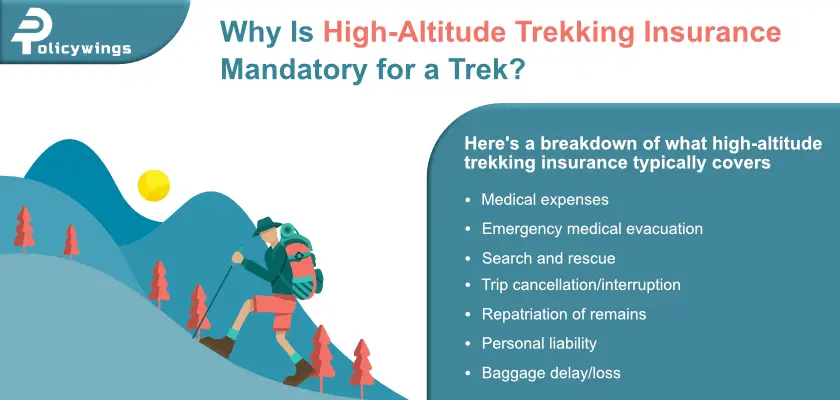
Trip Cancellation and Interruption: This coverage reimburses you for non-refundable trip expenses if you have to cancel or interrupt your trip due to specific or covered reasons. Some common reasons for trip cancellation or interruption include: Medical Emergencies, Natural Disasters, Political Unrest, and Unexpected Work Obligations.
Emergency Medical and Dental: Emergency medical and dental coverage is another important aspect of travel insurance. This coverage may also provide financial protection in case of unexpected medical or dental emergencies that may occur while traveling. Medical emergencies can be particularly expensive when traveling abroad, and emergency medical coverage can provide ease of treatment. This coverage typically includes expenses related to hospitalisation, doctor’s visits, prescription medications, and emergency medical evacuation if necessary. Dental emergencies can also occur unexpectedly during travel, and emergency dental coverage can provide coverage for expenses related to dental treatment or services needed due to injury or pain. It’s important to carefully review the policy terms and conditions to understand the coverage limits and exclusions. For example, some travel insurance policies may not cover pre-existing medical conditions, or may have specific exclusions related to certain activities. It’s also important to carry a copy of the travel insurance policy and emergency contact information with you while traveling, and to inform any travel companions or family members of the policy and contact information in case of an emergency.
Overall, emergency medical and dental coverage is an important aspect of travel insurance for travellers, and can provide valuable protection and peace of mind while traveling domestically or internationally. Lost or Stolen Luggage: This coverage reimburses you for the value of lost or stolen luggage and personal belongings while traveling.
Flight Delays and Cancellations: Flight delays and cancellations are a common occurrence in air travel, and can cause inconvenience and unexpected expenses for travellers. Flight delay and cancellation coverage is an important aspect of travel insurance for travellers, that can provide financial protection and assistance in case of flight disruptions. Flight delay and cancellation coverage typically includes reimbursement for expenses such as meals, accommodation, and transportation that may be necessary due to a flight delay or cancellation. This coverage can also provide assistance in rebooking flights and making alternative travel arrangements.
Some travel insurance policies may also provide coverage for missed connections due to flight delays, as well as trip interruption coverage for expenses related to unexpected changes in travel plans. It’s important to carefully review the policy terms and conditions to understand the coverage limits and exclusions. For example, some travel insurance policies may only provide coverage for delays or cancellations due to specific reasons such as severe weather or mechanical failure, and may not cover delays or cancellations due to other reasons.
Emergency Evacuation: Emergency evacuation coverage typically includes expenses related to emergency medical transportation, such as air ambulance or medical repatriation to the traveller’s home country. This coverage can also provide assistance in coordinating and arranging emergency evacuation and medical care. In addition to medical emergencies, emergency evacuation coverage may also provide coverage for other crises such as natural disasters, political unrest, or terrorism.
It’s important to carefully review the policy terms and conditions to understand the coverage limits and exclusions. For example, some travel insurance policies may only provide coverage for emergency evacuation if it is deemed medically necessary by a physician or emergency medical provider. Overall, emergency evacuation coverage is an important aspect of travel insurance for Indian travellers, particularly for those traveling to remote or high-risk destinations. This coverage can provide peace of mind and financial protection in case of a crisis that requires emergency evacuation.
Why is Travel Insurance a Valuable Investment?
Travel insurance is a valuable investment for several reasons, including:
Protection against Financial Losses: Travel insurance can provide protection against financial losses due to unexpected events, such as trip cancellations, medical emergencies, or lost luggage.
Peace of Mind: Traveling can be stressful, especially when unexpected events occur. Travel insurance can provide peace of mind by offering financial protection and assistance during such events.
Assistance and Support: Travel insurance provider’s offer 24/7 emergency assistance and support services to travellers in case of emergency situations, such as medical evacuations or lost passports.
Affordable options: Travel insurance is generally an affordable investment, particularly when compared to the potential costs of unexpected expenses or emergencies during travel. There are a variety of travel insurance options available, with varying levels of coverage and price points to fit different travel needs and budgets.
In continuation, travel insurance is an important investment for any traveller, as it provides protection and peace of mind during unexpected events. It is important to carefully review and understand the coverage provided by different travel insurance policies before selecting one that best suits your needs. Whether you’re traveling for business or pleasure, travel insurance can provide the security you need to enjoy your trip with confidence.
Types of Travel Insurance:
Travel insurance policies can vary widely in terms of coverage and cost. Some common types of travel insurance policies include trip cancellation/interruption insurance, medical/health insurance, and baggage insurance. It’s important to choose a policy that best fits your needs and budget.
Pre-Existing Medical Conditions:
If you have a pre-existing medical condition, it’s important to disclose it to your travel insurance provider when purchasing a policy. Some policies may exclude coverage for pre-existing conditions, while others may offer coverage at a higher premium.
Emergency Assistance Services:
Many travel insurance policies offer emergency assistance services, such as 24-hour hotlines, travel assistance, and medical evacuation. These services can provide invaluable support in case of an emergency, especially if you’re traveling in a foreign country.
Exclusions and Limitations:
- It’s important to carefully review the terms and conditions of your travel insurance policy, as there may be exclusions and limitations to coverage. For example, some policies may not cover extreme sports or activities, or may have limits on the amount of coverage for certain expenses.
Some Key Highlights
- 7 Region Specific plan to suit your needs.
- No age bar
- Schengen approved Travel Insurance
Key Coverage
- Hospitalisation Cover, In Patient and Out Patient.
- Common Carrier Accidental Death And Disability
- Up-Gradation To Business Class
- Loss Of Passport And/or International Driving License
- Daily Allowance For Hospitalisation Expenses
- Dental Treatment
- Automatic Trip Extension
Related Posts
How BMI Affects Health Insurance Premium
How to File a Claim & What Is the Process?
FAQs
What Does Travel Insurance Cover?
Travel insurance coverage varies depending on the policy and provider. However, common coverage includes:
- Trip Cancellation and Interruption: Reimbursement for non-refundable trip expenses due to specific covered reasons.
- Emergency Medical and Dental: Coverage for medical and dental emergencies while traveling, including expenses for hospitalization, doctor’s visits, and more.
- Lost or Stolen Luggage: Reimbursement for lost or stolen luggage and personal belongings.
- Flight Delays and Cancellations: Coverage for expenses like meals, accommodation, and transportation due to flight disruptions.
- Emergency Evacuation: Assistance and expenses for emergency medical transportation or evacuations.
Why is Travel Insurance a Valuable Investment?
Travel insurance is a valuable investment because it provides:
- Protection against Financial Losses: Coverage for unexpected events like trip cancellations or medical emergencies.
- Peace of Mind: Assurance and financial support during unexpected travel disruptions.
- Assistance and Support: 24/7 emergency assistance for medical evacuations, lost passports, and more.
- Affordable Options: Various coverage levels and price points to fit different budgets.
It offers security and peace of mind during travel, reducing the financial impact of unforeseen events.
What Are the Types of Travel Insurance?
There are different types of travel insurance policies, including:
- Trip Cancellation/Interruption Insurance: Covers non-refundable trip expenses due to specific reasons.
- Medical/Health Insurance: Provides coverage for medical emergencies while traveling.
- Baggage Insurance: Reimburses for lost or stolen luggage and personal belongings.
Select a policy that best suits your needs and budget.
What Should I Consider When Purchasing Travel Insurance?
When purchasing travel insurance, consider these factors:
- Pre-Existing Medical Conditions: Disclose any pre-existing conditions to your provider. Some policies may exclude or offer coverage at a higher premium.
- Emergency Assistance Services: Look for policies offering 24-hour hotlines, travel assistance, and medical evacuation services, especially for foreign travel.
- Exclusions and Limitations: Carefully review policy terms and conditions, as there may be exclusions or limits on coverage for certain activities or expenses.
Choose a policy that aligns with your specific travel needs and read the fine print to understand its coverage.