Waiting Periods in Health Insurance India — All 4 Types Explained Clearly

By Rahul Narang
Waiting Periods in Health Insurance India

The most common source of shock among health insurance claimants in India isn't the premium — it's discovering that the condition they're being treated for isn't covered yet because the waiting period hasn't ended.

Waiting periods are built into virtually every health insurance policy in India. They exist because insurance is designed to protect against future unknown events, not to pay for conditions that already exist or procedures that were always going to happen. Understanding exactly how they work — and planning your policy purchases around them — is one of the most practically important things any insurance buyer can do.

There are four distinct types of waiting periods in Indian health insurance. Each works differently.


Type 1 — The Initial Waiting Period (30 Days)

Every health insurance policy has an initial waiting period of 30 days from the policy start date. During these 30 days, no claims are admitted for illness-related hospitalizations — regardless of whether the condition was pre-existing or developed after you bought the policy.

The single exception: Accidental injuries are covered from Day 1. If you break your arm in a road accident on Day 5 of your policy, that claim will be processed.

Why it exists: To prevent people from buying insurance the moment they feel unwell, getting treated, and then not renewing. The 30-day window removes the incentive for this kind of opportunistic behavior.

Practical implication: If your policy starts on March 1st and you're hospitalized on March 15th for something illness-related, that claim will be rejected. Don't schedule elective procedures in the first 30 days of a new policy.


Type 2 — The Pre-Existing Disease (PED) Waiting Period (2–3 Years)

The PED waiting period is the most consequential and most misunderstood type of waiting period in health insurance.

What it applies to: Any condition that was diagnosed or treated within 36 months before you bought your health insurance policy. This includes conditions you disclosed on the application form. IRDAI's current definition of a pre-existing disease is specifically limited to conditions diagnosed or treated in the 36 months preceding policy purchase.

How long it lasts: IRDAI capped the maximum PED waiting period at 36 months (3 years) in its 2024 regulations. No insurer can legally impose a PED waiting period longer than 3 years. Many plans offer 2-year PED waiting periods; specialized plans for conditions like diabetes may have shorter periods.

What happens during the PED waiting period: The policy is active and covers everything else — accidents, other illnesses, hospitalizations unrelated to the PED. Only claims directly related to the pre-existing condition are excluded during this period.

What happens after it ends: PED-related claims are covered normally, within the sum insured and other policy terms. If you've disclosed diabetes and the 2-year waiting period has ended, a diabetic complication requiring hospitalization is now fully covered.

Real example: A professional in Noida has had hypertension for 5 years. She buys a ₹15 lakh health plan on January 1, 2024, disclosing her hypertension. The plan has a 2-year PED waiting period for hypertension. In March 2024, she's hospitalized for a hypertension-related cardiac event — rejected (PED waiting period not over). In March 2026, an identical event — covered.

Key point: The PED waiting period clock starts only when you buy the policy. Every year you wait to buy insurance is a year longer until your PED is covered.


Type 3 — Specific Disease Waiting Period (1–2 Years)

This is separate from the PED waiting period and applies to a defined list of conditions and procedures — regardless of whether you had them before or not.

Insurers maintain a list of conditions that require waiting periods even if they weren't pre-existing. The rationale: these are procedures commonly planned in advance, and without a waiting period, people would buy insurance specifically to cover an imminent planned procedure.

Commonly listed conditions with specific waiting periods:

  • Cataracts: typically 24 months waiting
  • Hernia: typically 24 months
  • Joint replacement (knee, hip): typically 24 months
  • Tonsillectomy: typically 12–24 months
  • Piles, fistula, fissures: typically 24 months
  • Calculus (kidney stones): typically 24 months
  • Benign prostatic hyperplasia: typically 24 months
  • Deviated nasal septum: typically 24 months
  • Varicose veins: typically 24 months

Important distinction: If you bought your policy 3 years ago and have never had hernia, and you now develop hernia requiring surgery — your specific disease waiting period of 24 months has already passed (it ran alongside your PED waiting period from policy start). The claim is covered.

If you're planning a procedure in one of these categories: Ensure your policy's specific disease waiting period has ended. If you've just bought a new policy, verify whether the planned procedure falls on the specific disease list.


Type 4 — The Maternity Waiting Period (9 Months to 4 Years)

The maternity waiting period is specific to maternity benefits and applies separately from the PED and specific disease waiting periods.

What it applies to: All expenses related to pregnancy, delivery (normal and C-section), pre-natal and post-natal care, and newborn care that are claimed under the maternity benefit of a health insurance policy.

How long it lasts: This varies enormously between plans:

  • Some specialized maternity plans: 9–12 months
  • Standard plans with maternity riders: 24–48 months
  • Employer group health plans: typically 9–12 months

Why it's longer than other waiting periods: Maternity is a planned event in most cases. Without a meaningful waiting period, the maternity benefit would be chronically misused — people would buy insurance after planning a pregnancy and cancel it after delivery. The longer waiting period ensures the policy is genuinely maintained beyond the immediate need.

What it doesn't apply to: Complications of pregnancy that turn into medical emergencies are often covered even during the maternity waiting period, under the general illness hospitalization coverage. The maternity waiting period applies specifically to routine maternity benefits — normal delivery, C-section, pre-natal checkups.

The critical planning point: The maternity waiting period clock starts from the date you buy the policy. If you want maternity benefits to be available when you plan to have a child, you need to buy the plan 1–4 years in advance depending on the plan's waiting period.


How Waiting Periods Are Tracked in Portability

When you port your health insurance from one insurer to another, the waiting period credit you've accumulated transfers to the new insurer. IRDAI's portability rules require this.

If you've served 2 years of a 3-year PED waiting period with Insurer A and port to Insurer B, Insurer B can only apply a 1-year remaining PED waiting period — not start the clock from scratch.

This credit transfer is one of the most valuable features of portability and one of the strongest reasons to keep your health insurance continuous. A break in policy (even a 30-day lapse) can reset waiting period credit.


The Moratorium — How Waiting Periods Eventually Stop Mattering

After five continuous years of holding a health insurance policy, the moratorium period is reached. At this point, the insurer can no longer reject claims citing non-disclosure of medical history at policy purchase — unless there's proven fraud.

This doesn't eliminate waiting periods that haven't been served (e.g., if you joined late in the 5-year period), but it does mean that after 5 years of continuous coverage, the practical risk of claim rejection for non-disclosure is substantially reduced.

The implication: the longer you've held a policy, the more protected you are. Each year of continuous coverage strengthens your position.


A Waiting Period Planning Timeline for Noida Policyholders

If you're 25–30 and buying insurance for the first time:

Buy now. All waiting periods start today. By your late 20s to early 30s — exactly when health events start becoming more likely — the PED and specific disease waiting periods will already be served.

If you're 35–40 with known conditions:

The PED clock needs to start immediately. Each year of delay is a year longer before your conditions are covered.

If you're planning to have a child in the next 2–3 years:

Buy maternity cover now. The 24-month waiting period means you need to buy at least 2 years before the intended delivery date.

If you're planning a specific procedure (joint replacement, cataract):

Check your policy's specific disease waiting period. If it hasn't served, know the timeline before scheduling.


Policywings helps clients across Noida and Greater Noida map their waiting period status across all current policies and identify gaps — especially when buying or porting plans with specific health conditions in mind.

For a waiting period assessment on your specific situation, call +91-98111-67809.


Policywings Insurance Broking Pvt. Ltd. | IRDAI License No. DB 835 | A-57, 5th Floor, Sector-136, Noida | +91-98111-67809


Share this article:

More on Health Insurance

Hand-picked reads on health insurance to help you decide with confidence.

Health Insurance Plans for Family: Compare, Buy & SaveHealth Insurance

Health Insurance Plans for Family: Compare, Buy & Save

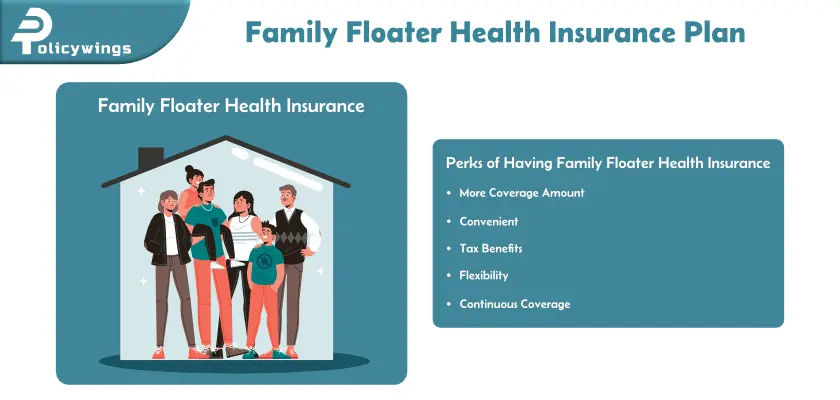
Introduction Rushing to the hospital for an emergency and coming back with a bill of lakhs of rupees is such a nightmare. Nobody even wants to imagine being in such a situation. Medical expenses are getting out of hand and it’s literally so unaffordable for so many of us. You go for a treatment once and all your savings are shaken. This is where having the best health insurance policy for family in place is so important. It ensures that your family gets the best treatment without you having to worry about expenditures. Let’s discuss health insurance, how to pick the right health insurance plans and how having insurance for family can save money while keeping your family protected. What is Health Insurance for Family? Health insurance is a financial tool that comes in handy when you need to pay your medical bills. It covers the treatment for illness, injury or hospitalization and relieves you from the stress. You don’t have to pay entirely from your pocket because, as per the policy, it’s on your insurance provider. Health insurance plans are very helpful. A single plan covers your spouse, children and sometimes even parents. This is generally known as a family floater health insurance where, instead of buying separate policies for everyone, you pay a single premium and then the coverage is shared by all members of the family. Let’s say you buy a family floater plan of ₹15 lakh. Now, any person covered under it can use it as and when needed. Why Do You Need Health Insurance for Family? Everyone needs a financial cover that will help them in medical situations. Here are the reasons why health insurance for family is essential: Rising Medical Costs– Hospital admission can be a matter of lakhs, but health insurance plans save you as well as your savings. Complete Protection– Doctor fees, medicines, hospital admission, surgeries and some other treatments are also all covered. Peace of Mind– When your family is financially secure, you don’t have to worry about anything else. Cashless Treatment– You don’t have to run around to arrange for money because many health insurance plans offer cashless treatment in listed hospitals. Tax Benefits– There is no tax on the premiums that you pay for the best health insurance policy for family. Key Features of Health Insurance Plans for Family Below are some important features that you need to consider while choosing the best health insurance policy for family: Sum Insured– The total coverage amount matters the most. Cashless Network Hospitals– The insurance company must have tie-ups with good hospitals near your location. Pre & Post-Hospitalization– All or most expenses before and after hospitalization have to be covered. Daycare Procedures– Many plans also include surgeries that don’t need 24-hour admission. Maternity Cover– Some health insurance plans also cover maternity and newborn, so see if that’s what you need. Restoration Benefit– If you use up the full cover amount, some plans even restore it for the rest of the year. No-Claim Bonus– If you didn’t have to make a claim in a year, your sum insured gets increased without any extra cost. Family Floater vs Individual Health Insurance While getting insurance for family, people often can’t decide between family floater plans and individual plans but this simple comparison will help you decide: Feature Family Floater Individual Plan Coverage Shared among all members covered Separate for each family member Premium Usually economical Higher because you buy separate plans Best for Families with young people and kids Families with elderly members If the family members are around a similar age and everyone is in good health, a family floater health insurance is a very good option but if you have elderly at home, it’s always wiser to get them individual plans. How to Compare Health Insurance Plans for Family Today, there are just so many options available. This makes choosing the best health insurance policy for family quite overwhelming. Keeping in mind these points would really help: Check the Coverage– Make sure that the sum insured is enough for a family of up to 5 members, considering the standard medical costs. Look for Room Rent Limits – Some plans have a cap on room rent. A higher coverage lets you choose a better hospital room. Claim Settlement Ratio (CSR)– A higher CSR of the insurance company means it easily settles most claims. Cashless Hospitals– With more tie-ups with reputed hospitals, the treatment process becomes hassle-free. Inclusions & Exclusions– Carefully go through the documents to know what’s covered and what’s not. Waiting Periods– There may be a 2-4 year waiting period for pre-existing diseases and getting maternity benefits. Premium vs Benefits– Don’t jump on the first cheapest plan. There has to be a balance of affordability and benefits. Steps to Buy Health Insurance for Family You can always buy the right health insurance plans if you follow these steps: Assess Your Needs– The plan has to align with your family size, age, lifestyle and existing health issues (if any). Choose the Sum Insured– Be realistic with the amount and choose the sum that can cover even big medical expenses. Compare Plans Online– You can use comparison tools online to see a side-by-side comparison of premiums, coverage and benefits. Check Add-ons– In case you need it, you can also add maternity cover, critical illness cover or even personal accident. Read Policy Documents– Read the fine print carefully to not skip any important point about what’s included and excluded. Buy Online– At times, purchasing online is more affordable and even comes with extra discounts. Tips to Save on Health Insurance for Family We have some good times that will come in handy while buying health insurance: Buy Early– When you buy at a younger age, you generally have to pay lower premiums. Choose Family Floater– It’s certainly cheaper compared to getting multiple individual plans. Opt for Long-Term Plans– Long-term policies like 2–3 years come with good discounts. No-Claim Bonus–

Written byRahul NarangPublished onSeptember 20, 2025
LIC Health Insurance: Government Backed Medical Insurance PlansHealth Insurance

LIC Health Insurance: Government Backed Medical Insurance Plans

Introduction Life Insurance Corporation of India (LIC) is a household name for life and pension products and many consumers search for “LIC health insurance plans”, “LIC health insurance policy India” or “LIC medical insurance reviews” when shopping for medical cover. Historically LIC has focused on life and savings products rather than standalone health policies, but recent industry and regulatory shifts make this a good time to re-examine what LIC’s role is and what buyers should watch for when comparing health cover. Where LIC stands today (and what’s changing) LIC does not currently dominate the retail health insurance market the way private health insurers do, but it has publicly signalled interest in entering the space by acquiring stakes in a specialist health insurer rather than building a new standalone business from the ground up. This approach would mean LIC-branded health offerings could appear through a joint venture or minority stake in a licensed health insurer, rather than as a direct LIC issued product immediately. At the same time, regulatory action from the Insurance Regulatory and Development Authority of India (IRDAI) and fiscal reforms by the government are reshaping the health-insurance landscape and any LIC foray will be influenced by those rules. Key recent regulatory developments affect waiting periods, coverage of alternative medicine (AYUSH), portability and claim processes; insurers and platforms have been updating product designs to comply. What to expect from an LIC health insurance policy (if/when available) If LIC launches or partners to offer medical cover, you can reasonably expect: Standardised hospitalisation benefits (room rent, ICU, surgeon and diagnostic charges) aligned with IRDAI minimums. Cashless tie ups with a network of hospitals through a third party administrator (TPA) or the insurer’s own network. Optional addons (maternity, outpatient, critical illness riders) offered by most commercial health insurers. These are market norms that any new entrant must follow; product specifics (sum insured slabs, sublimits, copayments) will determine real value. Buying health cover today: practical checklist When comparing policies LIC branded or otherwise focus on the items that determine claim success and long term value: Sum insured and inflation protection choose cover that scales with future medical inflation. Waiting periods for pre-existing diseases check how many years are required before coverage for pre-existing conditions begins. Recent IRDAI guidance aims to reduce unreasonable waiting periods, but individual products still differ. Cashless hospital network and claim turnaround verify the insurer’s network and average claim settlement times. The government is tightening oversight of national claims infrastructure to curb invoice inflation, which should help standardise cashless transactions. Exclusions and sublimits read policy wordings for room rent caps, procedure sublimits and AYUSH coverage. IRDAI’s consumer facing changes are pushing for fewer restrictive sublimits on alternative therapy coverage. Required documents & compliance (quick list) Identity proof (Aadhaar, passport, driver’s licence). Proof of address. Age proof (for eligibility and premium calculation). Medical history / declarations accurate disclosure avoids claim repudiation. These documents and truthful declarations are non negotiable across insurers; portability and renewal benefit from complete records. Recent legal and tax changes that affect premiums A landmark fiscal change in 2025 (implemented by the GST Council and notified by the government) exempted GST on individual life and health insurance premiums effective 22 September 2025. This reduces the effective premium paid by retail policyholders and can make higher cover more affordable. Insurers may, however, adjust commission structures or pricing mechanics as the input tax and accounting impacts are passed through the value chain, so compare final premium quotes. Separately, IRDAI has issued consumer centric guidelines in 2024–2025 aimed at improving transparency, reducing arbitrary waiting periods, ensuring AYUSH coverage without excessive sub-limits and simplifying portability and claims all of which raise the baseline expectations for any insurer offering health plans in India. LIC medical insurance reviews: what reviewers watch Professional reviews of “LIC health insurance” (or any new LIC offering) will typically evaluate: Claim settlement ratio and average claim processing time; Network hospital breadth for cashless service; Pricing vs. comparable private insurers; Policy wordings for exclusions, co-pay and renewability. Because LIC’s brand equity rests on trust and a large customer base, reviewers will pay close attention to how LIC handles post sale service, disclosures and claim disputes. Conclusion If you’re searching for “LIC health insurance plans” or “LIC health insurance policy India”, remember that LIC’s move into health may materialise through a stake in an existing health insurer not necessarily as a direct, standalone LIC policy immediately. Meanwhile, recent regulatory reforms from IRDAI and the GST exemption for retail premiums materially improve affordability and consumer protections across the market. Shop by total cost, wording transparency, network quality and documented claim performance and treat any new LIC health product as you would any other insurer’s offering: read the policy wordings closely and compare final premium and claim terms before you buy.

Written byRahul NarangPublished onNovember 21, 2025

You may also like: Life Insurance

Related guides from our life insurance desk.

Which is Better: Term Insurance or Traditional Life Insurance?Term Insurance

Which is Better: Term Insurance or Traditional Life Insurance?

Introduction Life insurance is hands down one of the smartest steps you can take to secure your family’s financial future. However, the one big question is whether to go for a life insurance term plan or choose from traditional life insurance plans (endowment or whole life policies). People usually find them similar since they’re both part of life insurance but they really work very differently. While one plan is all about providing protection, the other combines double benefits of insurance and savings. For most of us, i could be really confusing to pick between both the options. So let’s make it simple for you to understand and decide. What is a Term Insurance Plan? A life insurance term plan is the most straightforward form of insurance out there. You just need to pay regular premiums and if something happens to you during the policy term, the insurance company will give your family a fixed sum assured. The key points about term plans are: Premiums are low but coverage is high. There’s no maturity benefit. Basically, if you survive the policy period, you don’t get any money back unless you have signed up for the “return of premium” plan. Ideal for those who want maximum financial protection but can’t pay a lot. For example, you may be just but with a life insurance term plan you already have coverage worth ₹1 crore for just ₹10,000 per year. Honestly, this makes your family’s lifelong security cheaper than a Netflix subscription. What is Traditional Life Insurance? Traditional life insurance plans offer protection and savings both. Under plans like endowment or whole life policies, you pay regular premiums. In return, along with life cover, some part of your money also gets invested or saved. As the term ends, you or your family receives a maturity benefit. Important points about traditional plans: The policyholders get both insurance cover and savings/investment returns. For the same amount of coverage, premiums are higher compared to term plans. These plans are highly preferred by those who seek sure-shot returns along with insurance. Now for getting ₹1 crore coverage in a traditional plan, you might pay ₹1,00,000 yearly or even more, which is much higher than a life insurance term plan. Quick Comparison Between Term Insurance and Traditional Life Insurance Feature Life Insurance Term Plan Traditional Life Insurance Plans Coverage Low premium but high cover Lower cover but high premium Premium Typically affordable (₹10k–15k for ₹1 crore) It’s expensive (₹1 lakh+ for ₹1 crore) Savings/Investment Only protection and no returns Insurance with savings both Maturity Benefit None. Though you might get with return of premium plan Yes, you get maturity value or bonuses Flexibility Simple and easy to understand More complex and less flexible Best For People who seek maximum security for their family People who prefer cover + savings both Advantages of Term Plans High Coverage at Low Cost: For a small and affordable premium amount you get a large cover which is perfect if you want to protect your family’s lifestyle. Easy to Understand: There are no hidden conditions or difficult investment terms. Just a simple insurance. Flexibility: To add more protection, you can also buy riders like critical illness cover or accidental death benefit. Peace of Mind: It feels great to know that your family is financially secure even if you’re not around. Limitations of Term Plans You do not get anything (no returns) if you survive the term. You need to invest separately to build your wealth. Advantages of Traditional Life Insurance Insurance + Savings: You get the best of both worlds- protection and future savings. Guaranteed Returns: Plans like endowment and whole life policies are known to provide assured maturity benefits. Good for Conservative Investors: Traditional life insurance plans are a safe choice compared to the risky market-linked products. Limitations of Traditional Life Insurance Very high premiums for providing such low coverage. Returns are not that great compared to other investment options available like mutual funds or PPF. Often, there are tricky terms, conditions and bonus rules that may just confuse the buyers. But Which is Better for You? Ok, so the answer mainly depends on your goals. You must choose a life insurance term plan if: You seek maximum financial protection for your loved ones. You are young and looking for high coverage but at a low cost. You don’t want to combine insurance and investment. You want to invest your money separately like in mutual funds, stocks or maybe FDs. You must choose traditional life insurance plans if: You want a safe savings option with built in insurance. You want to receive guaranteed maturity benefits. You don’t want to separately manage investments. You don’t mind lower coverage but want steady returns. Let’s take an example of two people. Person A buys a life insurance term plan for ₹1 crore. He pays ₹12,000 premium per year and invests the rest of his money (₹88,000) in other avenues (mutual funds and FDs). 20 years later, besides having full protection, he has also built wealth from investments. Person B buys a traditional life insurance plan with ₹1 crore coverage where he gives a premium of ₹1 lakh annually. While he does get insurance and guaranteed returns at maturity, he doesn’t have the flexibility to invest his funds separately. At the end of 20 years, Person A has both a high cover and a considerable investment. However, person B does have cover but only a smaller fixed maturity benefit. Common Misconceptions People Have “Term plans are a waste because you don’t get money back.” Well, you can think of it like car insurance. Here, you pay to get peace of mind. If nothing happens, it’s already good news! “Traditional plans always give the best returns.” Not always. While returns are safe but they are also lower compared to other investment tools. “I should only choose one.” Actually, you can also combine both. Get a term plan for protection and maybe

Written bySagar NarangPublished onNovember 13, 2025
Life Insurance Retirement Plans (LIRP): A Smart Way to Grow WealthLife Insurance

Life Insurance Retirement Plans (LIRP): A Smart Way to Grow Wealth

Introduction After years of working so hard and saving & planning for everyone else, your retirement years have to be just about you, no? It’s finally time to live on your own terms. However, the question is whether your savings alone would be enough to help keep up with inflation or emergencies. Now, imagine getting the best of life insurance protection and long-term investment growth together. This is possible with Life Insurance Retirement Plans (LIRPs). This retirement insurance plan ensures your loved ones are protected even after you and your money keep growing for the years ahead. Whether you’re just starting your financial journey or you’re close to your retirement, an LIRP offers a structured and tax-efficient way to create financial freedom for the years when you should be relaxing. Read on to know how it works! What is a Life Insurance Retirement Plan (LIRP)? It’s an efficient retirement insurance plan that provides both life coverage and savings. In this, you are required to pay regular premiums. A part of it goes toward your life cover and the remaining gets invested to build more money over time. All this accumulated amount can be later used as your regular income during retirement. Basically, an insurance for retirement is combined with a financial plan that continues to safely grow your wealth. How Does a LIRP Work? LIRP is a flexible and long-term tool for dual benefits. Here’s how this brilliant retirement insurance plan functions: Payment of Premium: You pay a fixed monthly or annual amount. Dual Purpose: The insurance company gives part of the premium to life insurance and invests the remainder. Cash Value Growth: The investment part of your plan grows into cash value over time and it’s also tax-free for as long as it stays invested. Withdraw or Borrow: Once enough savings have grown, you can withdraw or borrow from this amount to fund your retirement years. Death Benefit: In case something unfortunate happens to you, your family still receives a death benefit. Benefits of a Life Insurance Retirement Plan When it comes to offering advantages, the retirement insurance plan goes beyond a traditional life insurance policy. Here’s how: Double Benefit of Protection + Savings It offers life cover for your loved ones and a steadily growing savings fund for you. Ultimately, there will be financial relief during and after your working years. Tax-Deferred Growth The invested amount continues to grow without any immediate tax deductions. You will only be charged taxes when you withdraw. Hence, your investment compounds efficiently. Withdrawal Flexibility The regular pension schemes put a limit on when and how much you can withdraw. But with insurance for retirement, you have more control. You can always access your funds when needed. Guaranteed Returns with Low Risk LIRPs are great for those who prefer stability over risk. They offer predictable returns and keep your capital protected. This is a very reassuring feature of retirement insurance for seniors. Lifetime Coverage You continue to enjoy life cover benefits even after getting retired. If you see it, you secure financial support for your family while your savings also continue to grow. Why LIRP is Becoming Popular in India Today, both life expectancy and healthcare costs are rising and this is pushing people to plan ahead. When you have a retirement insurance plan, it creates a financial shield for you that protects you from the stress of market fluctuations. A lot of people in India are opting for these plans because: They come with the dual advantage of protection and wealth creation. The payout amount is flexible and can be used for both healthcare purposes and regular living expenses. The attraction of the plan increases even more with the tax benefits under Sec 80C and 10(10D). In a nutshell, a LIRP assures that you have sufficient savings for yourself, which has always been a matter of concern among retirees. LIRP vs. Traditional Retirement Plans While both options help you prepare for retirement, they don’t work the same way. Here’s a quick comparison that highlights how LIRPs are different from traditional plans: Feature Life Insurance Retirement Plan (LIRP) Traditional Pension/Retirement Plan Protection Double power of life cover + savings The usual focus is only investment Returns Depending on the plan, it could be market-linked or fixed Fixed and often lower Tax Benefits You get the advantage on both premiums and maturity Limited tax benefits Flexibility You are allowed to make partial withdrawals or take loans Limited access to the funds Ideal For Those who want long-term growth and safety Individuals who don’t prefer risk Who Should Consider a LIRP? These individuals can trust the Life Insurance Retirement Plan and go for it: Working professionals: Those who want to start their savings journey early. Business owners: The ones who prefer flexible investment options. Retirees or near-retirees: People who seek low-risk income along with life cover benefits. Parents or couples: LRIP is very useful for planning long-term family security. In fact, it’s also an excellent choice for those who want retirement insurance for seniors. Why? Because the returns are constant and risk exposure is minimal. Important Things to Do Before Buying Before you decide to go on with a retirement insurance plan, do consider these points: Carefully go through the terms of the policy, charges involved and the lock-in period. Compare the offerings of different insurers. Also pay special attention to their claim settlement ratios. Calculate how long you can keep your money invested to make the most out of the plan. Check if your preferred policy will help you with your future financial goals. It’s totally fine if you have a little extra time before selecting a plan. At least there won’t be any confusion later and you’ll be covered for life. Conclusion A Life Insurance Retirement Plan (LIRP) is a very smart way to build financial independence. It actually keeps you secure through every stage of life. Whether you’re starting early in your career or planning closer to retirement,

Written bySagar NarangPublished onNovember 11, 2025

Explore: Claims & Support

Broaden your view with a quick read on claims & support.

WFYP Full Form in Insurance: Meaning, Benefits and How It WorksClaim

WFYP Full Form in Insurance: Meaning, Benefits and How It Works

Introduction Upon buying insurance, you will notice different short forms in your policy documents that might confuse you. One of them is WFYP. It’s very commonly found in papers after the renewal of insurance premium for car or when you check the status of your health insurance premium payment. This short code often confuses people but it’s actually a very simple term to understand. Here, we will explain to you in the simplest way possible so that you know what you are agreeing to when buying a policy or learning your policy status. What Is WFYP Full Form in Insurance? So, WFYP is the short form for “Waiting For Your Premium.” This term in insurance is mainly used by insurance companies when your policy has been generated but the premium amount that you need to pay is still pending. Basically, it means that “Your policy is ready. Once you make the premium payment, we will activate it”. Your policy will not start till you make the payment. Why Does WFYP Matter? It is very important simply because the benefits of your policy will not start until the insurer receives the premium. Don’t just assume that you will be instantly protected after applying for a policy. WFYP clearly indicates that: Your application is accepted Your policy is all set and ready The company is only waiting for your premium so that your coverage can begin You can think of it like ordering food online. It will be prepared but you won’t get it without paying fir it. Why Insurers Use WFYP The real purpose behind using WFYP is used avoid confusion between the issued and an active policy because so many people make this mistake. Insurance companies use WFYP so that: Customers know that their payment is pending No claim is assumed without a premium receipt A record-based transparency is maintained Both parties know when the coverage starts When and Where You Usually See WFYP You can come across the term WFYP commonly during: Purchasing a new policy Renewing a car insurance policy Health insurance premium updates Porting to a new insurer Making changes in policy details Premium payments getting delayed It often shows up on: Policy dashboards SMS alerts Email updates App notifications Documents of proposal/issuance How WFYP Works: Step-by-Step Process Simply put, WFYP is the phase before insurance activation. Here’s how the actual WFYP process works in India: You select a plan: It could be car, health, life or any general insurance Submitting the application: Whether online or through an agent Reviewing your details: The insurer does KYC checks, run medical tests, does vehicle inspection, verifies documents etc. The policy gets approved: Your policy number is generated. Status changes to WFYP: The insurer is now waiting for your premium payment to be made. You pay the premium: Whether through UPI, card, net banking or cash Policy becomes immediately active: Payment is received and now claims are valid. What Happens If You Ignore a WFYP Status? WFYP is a clear message that your policy is not completed yet. You should not ignore it because: You won’t be having insurance protection Claims made will be rejected Your vehicle would be uninsured and this is illegal in India Health benefits don’t start till you make the payment Your policy may be cancelled if the premium is unpaid WFYP in Car Insurance For car owners, WFYP matters more than you think. It directly affects the insurance premium for car and also your legal safety. If your car insurance shows WFYP, it should be cleared immediately because otherwise: You can’t claim for any accidents or damages Third-party liability coverage won’t be active There may be fines if caught without active insurance If it’s a new car, the dealer may not release it without premium confirmation WFYP in Health Insurance Health insurance only works after the premium is paid. Thus, the health insurance premium must be cleared on time. If your policy shows WFYP, it means: Hospitalisation is not covered Cashless treatment is not allowed Waiting periods are not started Benefits for pre-existing disease are not active If overdue, renewal continuity can break Key Benefits of WFYP for Policyholders WFYP is not to be scared of; it’s actually helpful for the customers in many ways: Clear communication: With clear updates, you can instantly know where your policy stands. Prevents misunderstanding: There are no assumptions. You would know when the coverage starts and whether you are insured or not. Helps avoid claim disputes: All the details are clear before the policy gets active. Works as a reminder: Helps with timely premium payment so your policy doesn’t lapse. Tracks policy progress: You can know your policy is at which stage and can also be tracked step-by-step. How to Quickly Clear WFYP Just with a few minutes of attention, you can ensure uninterrupted protection. This is what you should do to avoid delays: Clear the premium payment immediately after the policy is approved Turn on updates (SMS/Email/WhatsApp) from your insurance company Enable auto-debit for car and health insurance, if possible Avoid waiting till the last day of the renewal Keep UPI/card details updated Keep the payment receipts with you for reference Conclusion WFYP simply means you must pay now to activate your coverage. Your insurance company has issued your policy, but your coverage starts once the premium is paid. Coming across a new term like WFYP, waiting for your premium, etc may bring multiple thoughts but aim to understand it. It will help you stay informed and you can avoid claim-related issues. If at all it feels overwhelming and you want a smoother experience, PolicyWings will guide you through the entire process. Let’s help you stay fully protected without stress.

Written bySagar NarangPublished onDecember 16, 2025
How to Claim Third-Party Insurance After an Accident?Claim

How to Claim Third-Party Insurance After an Accident?

Introduction Accidents can happen to anyone, anytime and even to the most careful drivers. It could be a small scratch or a major car crash; it is not hard to deal with it. But in such times, having third party liability insurance helps big time. However, many people aren’t sure of how exactly to make a claim, what to do and what to avoid. If you are also on the same boat, don’t worry! This quick guide will tell you what third party insurance covers and how you can file a claim after an accident. What is Third-Party Insurance? Before we discuss the claim process, let’s understand what it is. Basically, third party insurance is a compulsory form of motor insurance in India and all drivers need to have it. If at all your vehicle causes damage to another person, their vehicle or property, this plan will be your financial protection. Here, the “third party” is anyone who is affected by your vehicle in an accident, except you or your insurance company. Your third party liability insurance policy will pay for: Injury or death of another person because of your vehicle. Damage to the property of third-party like a car, scooter, wall, fence etc However, you must know and remember that insurance for third party liability will never cover any damages to your own vehicle or injuries that are caused to you. If you want complete coverage, a comprehensive policy is what you need When Can You Claim Third-Party Insurance? A third party insurance claim can be made in these situations: If physical injury or death is caused to another person in an accident. If your vehicle has caused damage to someone else’s property or vehicle. For example, if your car hits another vehicle, then your third party liability insurance will cover the repair cost. Or maybe for covering medical or legal compensation if a pedestrian gets injured. Step-by-Step Process to Claim Third-Party Insurance You need to follow a few steps for filing a third party liability insurance policy claim. Let’s go through them: Step 1: Inform Your Insurance Company Immediately Without wasting any time, the first thing you should do after an accident is inform your insurance company. This better be done within 24 hours because delays might weaken your claim. You can go to their helpline or mobile app and quickly report the accident. Provide them with important details like: Date, time and accident location Describe exactly what happened Inform about the vehicles and people that were involved Step 2: File an FIR at the Nearest Police Station Go right away to file an FIR (First Information Report), especially if there’s an injury, death or major damage to property, because without it, your third party insurance claim might be rejected. Reach the nearest police station and explain what happened in detail. Don’t miss mentioning all vehicles and people involved. Do keep a copy of the FIR to be used during the insurance claim. Step 3: Collect Evidence from the Accident Site Having proper evidence makes your claim stronger. All these details will help your insurer to evaluate the whole situation and process your claim faster: Take photos or record videos of the damaged vehicle and the overall accident scene. Note the registration number of the vehicle, details of the driver’s license and even contact information of the witness, if there are any. Step 4: Register the Case with the Motor Accident Claims Tribunal (MACT) Basically, the insurer doesn’t directly settle the third party liability insurance. It’s handled through the Motor Accident Claims Tribunal (MACT). This is a legal body that ensures that both the vehicle owner and the affected party are treated with fairness. Here’s how it works: The affected third party files a claim with MACT. MACT reviews the case from both parties and decides the compensation amount. Your insurer then pays you as per the tribunal’s decision. Step 5: Submit the Required Documents You will need to submit certain documents to process your insurance for third party liability claim. Have these documents ready to avoid settlement delays: Copy of your insurance policy FIR Copy Driving licence of the person who was driving Vehicle’s registration Certificate (RC) Photos of the damaged vehicles and the accident area Any notice from court or MACT (if applicable) Step 6: Cooperate During the Investigation Your insurance company may also appoint an investigator on the case. They will inspect the damages and verify the details of the incident. Here, you need to give your full cooperation. Provide them with honest information and access to your vehicle. This keeps the process transparent and helps your insurer smoothly settle the claim. Step 7: Tribunal Decision and Claim Settlement Once the MACT reviews all details, the compensation amount to be paid is decided. After that, your third party liability insurance policy will cover this compensation. The amount will be paid directly to the third party and not to you. Checklist of Documents Required for Third-Party Insurance Claims Make sure you don’t miss anything from the following: Copy of third party insurance policy Copy of FIR Driving licence RC of the Vehicle Photos of the Vehicle Witness statements (if any) MACT forms and legal notice (if they are issued) In fact, you’d better keep both digital and printed copies for convenience and last minute requirements. Common Mistakes to be Avoided When Filing a Claim Even a small error can lead to the rejection of your claim and there are many such cases. Be careful and avoid these common mistakes: Not informing the insurer ASAP. Skipping filing the FIR. Providing incorrect details or false statements. Failing to collect proper evidence at the accident spot. Trying to settle privately and not involving the insurer. How Long Does It Take to Settle a Third-Party Claim? We just learned that insurance for third party liability claims have to be processed through the MACT proceedings. This is the reason that they tend to take a bit

Written byRahul NarangPublished onOctober 27, 2025
Everything you need to know about Credit Insurance in IndiaClaim

Everything you need to know about Credit Insurance in India

Introduction Small and medium enterprises (SMEs) are the support systems of India’s economy which contributes nearly 30% to the GDP and employs millions across diverse sectors and still one of their biggest challenges lies in managing cash flow disruptions caused by delayed payments or outright defaults from buyers. In a cut throat market where access to credit is limited, even one unpaid invoice can hamper an SME’s financial stability. This is exactly when credit insurance in India comes into light as a strong safeguard providing trade credit protection to reduce risks and strengthen business security. Understanding Credit Insurance Credit insurance can also be termed as trade credit insurance or accounts receivable insurance which is a risk management instrument that secures businesses from losses arising due to failure of payment by buyers. If a customer fails due to insolvency, bankruptcy or prolonged delays then the insurer compensates the policyholder for a large portion of the outstanding dues. In the Indian framework, credit insurance provides a protection where delayed payments are a constant concern particularly for SMEs engaging with large corporations or overseas buyers. It makes sure that if a buyer fails to pay even then the business does not face sudden financial stress. Requirement for Trade Credit Protection for SMEs Cash Flow Stability: SMEs usually operate on low budgets and limited reserves. Even one default can interrupt working capital cycles which can make it hard to meet payroll or pay suppliers. Trade credit insurance helps maintain liquidity. Risk Variation: SMEs can benefit from the insurer’s risk assessment expertise which decreases exposure to high risk buyers instead of depending only on internal credit checks. Business Expansion: SMEs can assuredly extend credit to new customers and enter foreign markets including exports with the assurance of credit protection. Improved Borrowing Capability: Banks and financial institutions are more inclined to lend when receivables are insured which can increase the chances of SME’s access to credit. Growth of Credit Insurance in India Over some years, acknowledgement of credit insurance has grown due to rising trade volumes and payment uncertainties. The pandemic further made us focus on the significance of securing receivables as many businesses faced unexpected disruptions in buyer payments. Regulatory support from the Insurance Regulatory and Development Authority of India (IRDAI) has also played a significant part. Guidelines have been amended to make trade credit insurance more reachable to SMEs making sure that they can have coverage without complex procedures. Working of Credit Insurance The SME goes to an insurer or broker to purchase a credit insurance policy. The insurer checks the creditworthiness of the SME’s buyers. A coverage limit is given to each buyer which defines the maximum insured amount. If these’s a default then the SME submits a claim with supporting documents. After verification the insurer compensates a huge percentage of the loss which usually ranges between 75% and 90%. General Benefits for SMEs The most important benefits of credit insurance is recovering unpaid invoices but some extra advancements include: Stronger Negotiation Ability: Insured receivables provide SMEs with significant leverage when negotiating with banks or investors. Global Market Access: trade credit insurance for exporters serves as a safety net against foreign buyer risks, political instability and currency related payment problems. Operational Confidence: entrepreneurs can focus on productive strategies with less financial anxiety rather than tracking overdue payments. Improved Corporate Governance: Insurers often provide insights and data on buyer performance, helping SMEs build disciplined credit policies. Challenges in Adoption Credit insurance in India is still not effectively used despite its benefits. Several elements contribute to this void like: Low Awareness: Many SMEs are not familiar with trade credit protection or assume it is relevant only for big corporations. Perceived Costs: Business owners usually see premiums as an extra cost without acknowledging the potential savings from avoided losses. Complicated Terms: Insurance terms and procedural requirements may put off smaller businesses from exploring policies. Future Expectation for Trade Credit Protection in India The requirement for credit insurance in India is expected to increase gradually due to these reasons: Growing Trade Networks: SMEs will require protection against foreign buyer risks with India’s rising exports. Digital Development: Online platforms are making insurance products more reachable and customisable. Government Initiatives for SME Growth: Policy initiatives such as ‘Atmanirbhar Bharat’ and inducements for exporters will navigate demand for financial protections. Increased Banking Integration: Banks may promote insured receivables as part of lending conditions further which can normalise trade credit protection. Conclusion The risk of buyer defaults is a financial inconvenience and a survival challenge for SMEs in India. Credit insurance in India gives a strong solution by making sure there is trade credit protection, balanced cash flows and encouraging business confidence. Credit insurance will become a necessary part of SME risk management in coming years while challenges in awareness will still remain complex.

Written byRahul NarangPublished onDecember 3, 2025