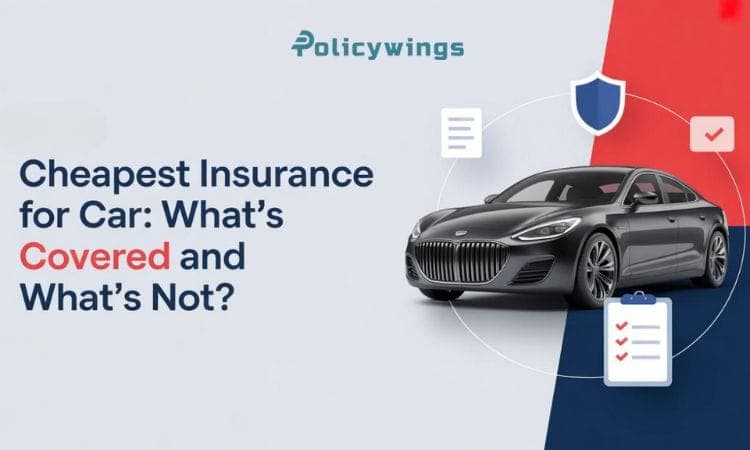
Want to reduce your Car Insurance Premium Legally? Here’s how!
By Rahul Narang
Want to reduce your Car Insurance Premium Legally? Here’s how!

Introduction

Buying a car is so exciting. The new smell, the smooth rides. Everything about it seems worth it except for car insurance. Many people see it as a compulsory expense that brings a burden to the wallet every year. However, you just can’t skip it because it’s mandatory in India to have insurance for car. Just by following a few smart and completely legal steps, you can actually cut costs and still enjoy solid coverage. In fact, many car owners are already saving thousands every year! While the internet is full of jargon-filled advice on “how to get the cheapest insurance for car”, we will break it down for you in a very clear and practical way.  

Why Car Insurance Premiums Feel So Expensive

Anyone who has ever renewed their car insurance can relate to the feeling after seeing the premium amount. Every time it seems higher than the previous year, even if you didn’t make a single claim. Here are the reasons why this happens:

  1. Rising repair costs: Modern cars have advanced technology. There are smart sensors, digital systems and fancy paint jobs. One small accident and it costs thousands to fix. This makes insurers charge higher premiums.
  2. Frequent accidents: India has crowded roads and a lot of traffic, which increases the risk of accidents. When more people make claims, insurance providers spread that burden across all their customers.
  3. Add-ons and extras: So many policyholders also buy add-ons without realizing that they will increase the premium. Yes, some features really come in handy but not all of them are necessary for you.
  4. Risk-based pricing: Factors like your age, driving history, location and car model also decide the amount. For example, Delhi usually has heavy traffic and thus, higher premiums.

All this together can burn a hole in their pocket. But if you be smart about your choices, you can still find the useful and cheapest insurance for car.

How to Legally Cut Down Your Car Insurance Costs

Premiums feel so heavy on the pocket. But is there any way to reduce them while securing important coverage? Just with perfectly legal ways, you bring down the premium for insurance for car and still stay fully protected. No tricks no loopholes.

  1. Compare Before You Commit

Even when you book a hotel room, you compare prices. Similarly, you shouldn’t settle for the first quote of insurance for car you get. For the same car, different companies offer different rates and benefits so do a little research.

  • Why it matters: You may dismiss a small difference in premium but counting it all over 5–10 years of owning a car, it can add up to be a big amount.
  • How to do it: Simply use online comparison websites and get multiple quotes. Not just the premium, but also look at what is included and what’s not and customer reviews.
  • Pro tip: The lowest premium is not what you need. Sometimes the cheapest insurance for car may not include roadside assistance or cashless garages that are actually so useful. Seek value for the price.
  1. Go for a Higher Voluntary Deductible

Many car owners also overlook deductibles. It’s basically the part of a claim you pay before the insurance company comes with its benefits. When you opt for a higher voluntary deductible, you agree to contribute a bit more for a claim. Hence, your insurer gives you a discount on premiums. For example, if you increase your deductible amount from ₹1,500 to ₹4,500, your annual premium could drop by 10–25%.

When it works best: If you’re a driver with a good on-road history, this option would suit you. But set your deductible to an affordable amount; otherwise, it becomes a financial strain during accidents.

  1. Keep a Clean Driving Record

Driving safely is surely the simplest and healthiest way to reduce your car insurance premium. It’s a reward by insurance companies to low-risk drivers because they’re less likely to make claims.

Benefits of a clean record:

  • No Claim Bonus (NCB): The year you don’t make a claim, you earn a very good discount.
  • Better premium offers: Your insurer may also give you better rates at renewal.
  • Peace of mind: Obviously, fewer accidents mean overall fewer hassles.

Even just by avoiding traffic fines or rash driving, you are seen as a “low risk” driver that brings you closer to the cheapest insurance for car.

  1. Choose Add-Ons Wisely

Insurance companies will often tempt you with add-ons. Options like zero depreciation cover, engine protection etc are attractive and useful but many of them might just unnecessarily increase your premium.

  • Good add-ons: If yours is a new car, get a zero depreciation cover. If you live in flood-prone areas, get engine protection. Take in the most relevant and practical ones.
  • Not always needed: Add on like roadside assistance may already be offered by your car manufacturer. Similarly, there may be other avoidable ones.

Don’t buy all the extras available and rather customize your insurance for car so it fits your lifestyle to reduce your premium significantly.

  1. Install Anti-Theft Devices and Safety Features

Insurers love cars that have harder to steal features installed. If your vehicle has airbags, alarms, tracking devices or other safety features, it’s going to get you discounts.

  • Why it works: When there’s more security and a lower risk of theft and accident, it also means less financial risk for insurers.
  • How to benefit: If you install an ARAI-approved anti-theft device in your car, some insurers may immediately lower your premium as soon as you give them proof of installation.

This is how you can ensure cheaper premiums but also more peace of mind for a safer car.

Bonus Tips for Bigger Savings

We discussed the five main ways to reduce your premium amount. Here we have a bunch of few more tricks that will help you save money on your car insurance:

  • Renew on time: Late renewals may also lead to losing your No Claim Bonus (NCB).
  • Avoid small claims: Try to pay out-of-pocket for minor scratches so you can retain your NCB. This saves more in the long run.
  • Choose long-term policies: Some insurers offer discounts if, instead of annual renewals, you directly buy a 2- or 3-year plan.

These adjustments are small but help a lot in bringing you even closer to the cheapest insurance for car. Also, your coverage stays intact.

Conclusion

Though you can’t skip car insurance, you also don’t have to pay hefty premiums. Smart choices help bring big savings. All you need to do is follow the discussed tips and you can legally reduce costs while keeping your car fully protected. Remember, you don’t need to find just the cheapest insurance for car, you need to balance affordability and reliable coverage for your cherished car. Let PolicyWings help you protect your car the right way!

Share this article:

Key Services

What Makes us different from other platform?

Policywings.com is operated by Policywings Insurance Broking Services Private limited. It is duly licensed by IRDAI under its broking regulations.

At Policywings, we wish to simplify and de-jargonise Insurance

Blog

Our Blogs

Practical tips, guides, and insights to help you make smarter insurance decisions for yourself and your family.

Third Party vs Comprehensive Car Insurance – Which Should You Buy?Car Insurance

Third Party vs Comprehensive Car Insurance – Which Should You Buy?

Introduction At the time of renewing or buying car insurance, people generally have two main options in front of them. Either to go for third party insurance or choose a comprehensive policy. While one is cheaper, the other offers better protection. The question here is which one do you really need? At first glance, the cheaper option may seem more attractive but the real decision isn’t only about price alone. It’s about how much risk you can take, usage of your car and how much are you ok to spend after an accident. Basically, you should ensure what you’re actually protected against. If you are at the decision stage, confused how to go ahead, we will help you choose the one that make the most sense for your car so you can make a confident decision. Understanding the Two Types of Car Insurance What Is Third Party Car Insurance? For the car owners in India, this is the minimum legal requirement and should be taken very seriously. If, because of your car, there is any kind of damage or injury to another person, vehicle or property, it will be covered. In short, it does not cover: Damage to your own car Theft of your car Your car damaged by fire or flood It is also known as a third party liability insurance policy and it is a legal requirement to bring your car on the road in India. And since it only covers the other people and their assets, it’s also the cheapest insurance for car. What Is Comprehensive Car Insurance? This car insurance goes a lot further in terms of benefits and covers: Third-party damage (as a mandatory part) Damage caused to your own car due to any accident Theft of car or destruction by fire, floods and natural disasters Further, you even have the option to enhance it with some amazing add-ons like bumper to bumper insurance, engine protection and roadside assistance. These features are very useful and can significantly reduce your expenses at the time of making claims. Third Party vs Comprehensive: The Real Difference So, the easiest way to understand how these two insurances differ this: Third party insurance is designed to protect others from your car Comprehensive insurance promises to protect both others as well as your car When you have third party insurance, you only meet the legal requirement but with comprehensive car insurance, your financial exposure is a lot lower after an accident happens. Is the Cheapest Insurance for Car Always the Right Choice? It’s understandable why so many buyers choose the cheapest insurance for car is especially when it’s time to renew. However, low cost and always mean it’s a safer option. If you have a basic third-party insurance: Any damage to your car will be settled entirely from your own pocket Even minor accidents can lead to high repair bills There would be zero compensation on case of theft or flood damage Yes, there is a higher upfront cost in comprehensive car insurance but it also reduces a lot of unexpected expenses later. Where Bumper to Bumper Fits In Bumper to bumper insurance is surely one of the biggest reasons why people upgrade to comprehensive cover. In regular policies, insurance providers generally apply depreciation during claims on parts made of plastic, rubber and fibre. Hence, you still pay a share of total repair costs. Having bumper to bumper means: Depreciation deductions are minimal or even none at all Your pay much lower out-of-pocket expense after an accident Claims feel a lot less stressful and more expected Overall, this add-on is especially useful for new cars and those who drive in busy cities. Which One Should You Buy? For this, you must pay more attention to what happens if an accident or theft actually happens. Third party insurance makes more sense if: Your car is very old and its resale value is also low You drive only occasionally and that too in low-risk areas mainly You want to simply comply with the law without spending much Comprehensive car insurance is better if: Your car is new or even mid-aged You frequently take your car out in traffic-heavy city It would be difficult to manage repair costs out of pocket You want full peace of mind and not just compliance For most car owners, comprehensive car insurance is the correct choice. While it isn’t the cheapest option, it offers better overall value Cost vs Protection: Think Beyond the Premium It’s a very common mistake to only compare the annual premiums but a much better way to think is: Third party insurance= you pay lower premium but there is higher risk Comprehensive insurance = you pay higher premium but there’s lower financial shock The major difference is seen on the day you actually need to file a claim. Conclusion Summing it up, if your goal is to only meet legal requirements then third party insurance will do the job for you. On the other hand, if you aim to protect your car, savings and peace of mind then you need a comprehensive car insurance. Additionally, you can enhance it even more with bumper to bumper insurance. Car insurance shouldn’t be about just saving money upfront but about choosing a policy that helps you when unexpected situations happen. For more details on policies and insurers, get in touch with the PolicyWings team!

Written byRahul NarangPublished onJanuary 28, 2026
Insurance Planning in India: A Practical GuideGeneral Insurance

Insurance Planning in India: A Practical Guide

Introduction A lot of people treat insurance as a last-minute purchase and buy it only because it feels necessary in that moment. Sadly, they don’t fully understand what they need or why. Similarly, business insurance is also seen as a formality rather than a safety net. In reality, proper insurance planning makes a significant difference in financial stability. The right insurance policy helps individuals protect the income, health and assets of their family. For businesses, it secures their operations, employees and finances. Let’s discuss how insurance brings long-term stability and peace of mind. What Is Insurance Planning? It is the process of identifying risks and then selecting proper insurance covers that will protect against financial loss. Basically, you can better decide what kind of coverage do you actually need, how much coverage would be good enough and how policies should evolve as circumstances change. The whole point is to not buy random policies. Insurance planning is entirely focused on getting correct coverage with real needs. It could be income protection, health expenses, safety of assets and even liability risks. Why Insurance Planning Matters for Individuals Insurance planning, for individuals, is mainly about achieving financial protection and mental satisfaction. We know how unpredictable is life. Health-related expenses, sudden accidents or an unfortunate case of income loss can disturb long-term goals if there is no proper planning. insurance will help with: Income Protection A term plan is what you need to protect those who are financially dependent on you. With this, family members are able to manage daily expenses, pay off EMIs and accomplish future goals even when the earning member is no more. Health and Medical Security Medical costs can hit anyone at any time and often, they are very expensive. But when you have a planned health coverage, you can preserve your years of savings or avoid taking on debt for emergencies. Asset Protection Only a suitable insurance coverage can protect assets like cars or homes against damage, theft or big accidents. Repair or replacement costs can certainly be reduced through a well-chosen insurance policy. Long-Term Financial Discipline Insurance planning also encourages individuals to think about their financial situation practically. Hence, their protection grows along with income and responsibilities. Why Businesses Need Insurance Planning Not just individuals, even businesses need insurance planning. Beyond protection, it also supports the continuity and credibility of the company. Unexpected events can shut down operations temporarily, cause legal complications or make businesses face financial losses. However, insurance planning helps in: Operational Risk Management Businesses are prone to face risks related to property damage, safety of employees, legal liability and data security. With insurance planning, businesses can identify these risks and then assign appropriate coverage. Employee and Legal Responsibility Certain covers are really helpful to businesses in managing employee-related risks and meet legal requirements. This reduces both legal troubles and financial strain. Business Continuity Through smart planning, business operations can go on even during mishaps. This helps businesses in fast recovery without having to spend the working capital. Key Elements of Effective Insurance Planning Consider Real Risks Always start by understanding what risks can cause you financial stress. Individuals usually find it hard to deal with loss of income or medical emergencies. For businesses, it could be damage to assets, liability claims or even an operational halt. Choose Coverage Based on Needs Both under-insuring or over-insuring are big mistakes. You must choose an insurance policy that balances affordability while also promising adequate protection in need. Regular Review of Coverage Over the years, there is a change in the stage of life, income levels and business operations. By reviewing insurance from time to time, you can make sure that coverage continues to be relevant. Understand Policy Terms It’s suggested to know the inclusions, exclusions, waiting periods and even the whole claim process so that there is no confusion during emergencies. The Role of Online Insurance in Modern Planning Thanks to digitalisation, insurance planning has become quite stress-free. Many people now prefer online insurance platforms to do their research, compare options and manage different policies. When you buy insurance online, you get these benefits: Plans can be compared easily Pricing is transparent Policy is issued quickly Digital storage and easy policy renewal Besides being so convenient, the option to buy insurance online also lets you make a purchase whenever you want, without any sales pressure Mistakes to Avoid in Insurance Planning Here are some common mistakes that you must avoid to ensure effective and reliable insurance planning: Choosing policies only because of low premiums Ignoring what’s ‘not’ included and T&C of the claim Delaying purchasing a term plan Not updating coverage even after major life or business changes have happened Treating insurance as a one-time purchase and forgetting about it later Insurance Planning Is an Ongoing Process It should always be remembered that insurance needs don’t remain the same throughout. There could be an increase in your income, growth in responsibilities or expansion in businesses. Hence, coverage must be accordingly updated. Only with regular evaluation can you make sure that the insurance policy continues to serve its core purpose. In fact, today we have different online insurance platforms. They make it easier to track, update and manage multiple policies from the same site or app. Conclusion Insurance planning is about fearing but staying prepared. Both individuals or businesses need the right mix of policies to manage unexpected mishaps and protect their long-term goals. Planning can be a very practical and empowering financial decision. All you need to do is choose coverage thoughtfully and review it regularly. Also, you can buy insurance online for the most convenience. Just follow a structured approach and you can secure a safety net. For more details regarding plans and coverage, connect with PolicyWings!

Written byRahul NarangPublished onJanuary 27, 2026