What Is a TPA in Health Insurance — And How It Affects Your Claims in Noida

By Sagar Narang
TPA in Health Insurance

You've been admitted to Fortis or Kailash Hospital in Noida. You present your health insurance card at the billing desk. They direct you to a separate counter — often called the "TPA desk" or "insurance desk." The person there asks for your policy number, checks something on their screen, makes a few calls, and eventually issues a pre-authorization letter.

That counter, that process, and that person's role — that's the TPA.

Understanding what a TPA is and how it works isn't trivia. It directly affects how smooth or difficult your cashless claim experience will be, how fast your reimbursement arrives, and what to do when something goes wrong.


What TPA Stands For — And What It Actually Does

TPA stands for Third Party Administrator. A TPA is a company licensed by IRDAI that handles insurance-related administrative services on behalf of one or more insurance companies.

The "third party" in the name refers to the position between the insurer (first party) and the insured policyholder (second party). The TPA is neither of these — it's an intermediary service organization that manages the operational side of health insurance so that the insurer doesn't have to.

The core services a TPA provides:

  • Pre-authorization for cashless hospitalization at network hospitals
  • Processing and settling reimbursement claims after hospital discharge
  • Maintaining a database of network hospital rates and tie-ups
  • Issuing health cards and policy documents to policyholders
  • Responding to policyholder queries about coverage during hospitalization
  • Coordinating between hospitals and the insurer for bill settlement

How the TPA Process Works at a Noida Network Hospital

When you're admitted to a hospital that's in your insurer's cashless network, here's what happens in sequence:

Step 1 — Present your health card at the TPA desk. The health insurance card issued by your insurer (or TPA) has a policy number and the TPA's name and contact details on it. Present this at admission along with your photo ID and the original policy document or a copy.

Step 2 — The hospital sends a pre-authorization request. The hospital's billing department fills out a pre-authorization form with your details, the diagnosis, the proposed treatment plan, and the estimated costs. This goes to the TPA.

Step 3 — TPA reviews and issues authorization. The TPA verifies your coverage, checks that the proposed treatment is within the policy's scope, confirms the sum insured available, and issues an authorization letter to the hospital specifying what amount is approved for cashless settlement.

For elective hospitalizations, this process can take a few hours to a day. For emergency admissions, most hospitals begin treatment immediately and process pre-authorization simultaneously.

Step 4 — Treatment happens. The hospital keeps the TPA informed of any changes in treatment plan, especially if additional procedures or extended stay is required. Changes may require supplementary authorization.

Step 5 — Discharge and final settlement. At discharge, the hospital submits the final bill to the TPA. The TPA reviews, processes, and authorizes payment to the hospital. You pay only what the policy doesn't cover — your share of co-payment, any uncovered items, and anything beyond the policy's limits.


TPAs vs. In-House Claim Departments

Not all insurers use TPAs. Some large insurers have built their own in-house claim departments that perform the same functions as a TPA, but directly within the insurer's organization. Star Health Insurance is the most prominent example — they manage all claims internally without routing through an external TPA.

Advantages of in-house claim processing (direct insurer):

  • Faster decision-making — no intermediary delay
  • Potentially fewer miscommunications
  • Direct accountability
  • Policyholder interacts with one organization throughout

The TPA model works reasonably well when:

  • The TPA has strong relationships with the specific hospitals you're using
  • The TPA's authorization team is responsive
  • The insurer's communication with the TPA is clear on coverage terms

TPA model friction points:

  • Sometimes, the hospital, TPA, and insurer have misaligned information about what's authorized
  • Delays in authorization can slow discharge or create payment complications
  • TPA quality varies — some operate efficiently, others cause significant delay and frustration
  • Calling the TPA's helpline during a hospitalization can be difficult if wait times are long

When comparing insurance plans, checking whether an insurer uses a TPA or has in-house claims processing is a meaningful data point for people who prioritize claim smoothness.


Your TPA Card — What It Contains and Why It Matters

When you buy a health insurance plan, the insurer (or TPA) sends you a health card — a card-sized document containing:

  • Your name and policy number
  • The insurer's name
  • The TPA's name and 24×7 helpline number
  • Your coverage details (sum insured)

This card is what you present at the hospital's TPA desk. Keep it accessible — in your wallet or saved as a photo on your phone. During a hospitalization is the wrong time to discover you can't find it.

Some insurers have moved to fully digital health cards accessible via their app. This is increasingly common in 2025 — most major insurers have apps where your policy card is available. Download and screenshot it before you need it.


The Pre-Authorization Process — What Can Go Wrong

Pre-authorization delays and partial authorizations are among the most common friction points in cashless claims. Understanding why they happen helps you navigate them.

Authorization amount is lower than the expected treatment cost. The TPA authorizes based on the hospital's initial estimate. If the actual treatment requires more (additional tests, complications, longer stay), the hospital needs to submit a supplementary authorization request. Ask your doctor to request supplementary authorization as early as possible if the treatment is going beyond the initial estimate.

Authorization denied for a specific procedure. The TPA may decline to authorize a specific procedure if it appears to fall outside the policy's coverage. If you believe the treatment is covered but authorization is denied, ask the hospital to provide detailed clinical notes. You can also call the TPA helpline and escalate to the insurer's grievance desk directly.

Hospital's TPA desk is slow. Some hospitals have more experienced TPA coordination staff than others. If the process seems stalled, politely follow up directly with the TPA helpline number on your health card.

Your treating doctor's name or specialty doesn't match the authorized procedure. Ensure the treating doctor's details are correctly reflected in the pre-authorization documents. Mismatches between what's authorized and what's billed cause processing delays at discharge.


Reimbursement Claims — The TPA's Role When Cashless Isn't Available

If you were admitted to a non-network hospital (or in an emergency where cashless processing wasn't possible), you pay the hospital directly and submit a reimbursement claim.

The reimbursement process with a TPA:

  1. Discharge from hospital, collect all original bills, reports, prescriptions, and discharge summary
  2. Submit reimbursement claim form to the TPA with all supporting documents
  3. TPA reviews the documents, processes the claim, and approves or queries
  4. Approved amount is paid to the policyholder (not the hospital)

IRDAI mandates that insurers settle reimbursement claims within 30 days of receiving complete documentation. If there are discrepancies or additional documents needed, the TPA communicates this and the clock resets from when complete documents are received.


Switching Plans — Does the TPA Change?

Each health insurance plan has its own associated TPA (or in-house claim department). When you port to a new insurer, the TPA associated with your claim processing changes to the new insurer's. The policy number and health card change.

If you've built up familiarity with a specific TPA's process or a specific TPA has a particularly strong network relationship with hospitals you use in Noida, this is worth considering when comparing portability options.


How Policywings Helps with TPA-Related Claim Issues in Noida

Claims that get stuck in TPA processing — authorization delays, reimbursement disputes, denied procedures — are situations where a broker can intervene constructively. Policywings has relationships with multiple insurers and understands how to escalate appropriately when a claim isn't moving.

If you're experiencing a TPA claim issue at a Noida hospital, or want to understand which insurer's TPA model works best for the hospitals you use, call +91-98111-67809.


Policywings Insurance Broking Pvt. Ltd. | IRDAI License No. DB 835 | A-57, 5th Floor, Sector-136, Noida | +91-98111-67809


Share this article:

More on Health Insurance

Hand-picked reads on health insurance to help you decide with confidence.

Best Family Health Insurance Plans in IndiaHealth Insurance

Best Family Health Insurance Plans in India

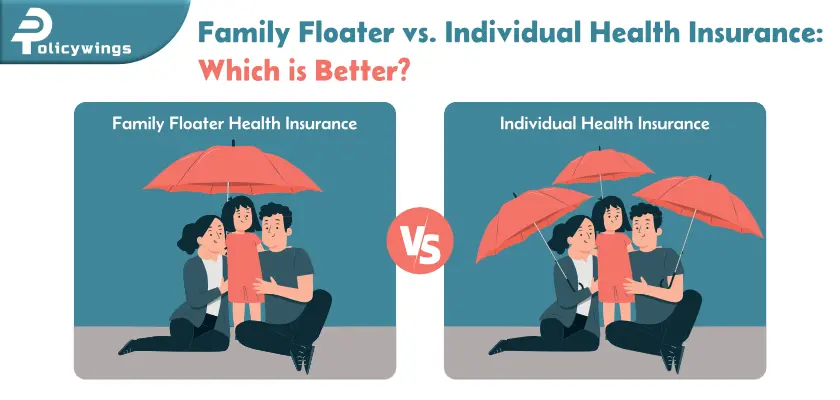
With every year, healthcare is becoming more expensive. Whether it’s a routine check-up or a surgery, medical bills are getting out of hand. We need health insurance, especially family health insurance plans to keep our loved ones financially protected in the time of need. Here, we will talk about the concept of family health insurance, how a family floater plan works and the benefits and coverage you get. What is Family Health Insurance? Buying separate health insurance policies for each family member may not always be financially feasible. Instead, you can get a family health insurance plan because it covers your entire family under one roof against one affordable premium payment. Also, you need to remember just a single renewal date. Types of Family Health Insurance You can cover you family in two main ways: Family Floater Plan In this, multiple family members are covered under one single sum insured. All the insured members shared the total coverage amount When needed, any member can use the sum insured You pay only one premium for the entire family Example: With a family floater plan of a ₹10 lakh cover, any family member covered in the policy can use this amount in a policy year. It’s cost-effective especially for young families because members are generally healthy. Individual Health Insurance Plans for Family Members Here, each family member has a separate health insurance plan with their dedicated sum insured. They all get independent coverage and claims by one member don’t affect others. Logically, premiums are paid separately for all. It’s better to prefer this option when: There are older members in the family Parents have existing health conditions You want that everyone must have higher and dedicated coverage Which Plan is Better? For young couples and families with small children, a family floater plan works good enough and for families that have elderly parents or members with medical histories, individual plans may be considered. In fact, many Indian households choose to get a family floater plan for self, spouse and children and separate individual policies for parents. This approach is very practical. What Does a Family Health Insurance Cover? Most of the family health insurance plans provide a broad range of coverage. As per the policy and insurer chosen, typical coverage includes the following: In-Hospitalization Costs (essentials of each plan) Charges of room and ICU Surgery fees Charges for doctor and nursing Pre and Post Hospitalization: Expenses before getting admitted to the hospital (like tests) and after discharge (like follow-ups and medicines). Daycare Procedures: Those treatments where you don’t have to stay but special care is needed (like chemo or dialysis). Cashless Treatment: Many plans also include cashless hospitalisation at network hospitals in which the insurer directly settles the bill with the hospital. AYUSH Treatments: Some insurance providers even cover Ayurveda, Yoga, Unani, Siddha and Homeopathy treatments. Add-Ons and Riders: You can always improve your policy with extra covers like maternity benefits, according to what your insurer offers. Key Benefits of Family Health Insurance Financial Protection for Emergencies: Medical emergencies can be highly expensive. Having family health plan protects your savings and ensures timely treatment. Cost-Effective Premiums: Since one premium is paid for the whole family, buying a family floater plan would generally be cheaper than separate plans for all. Tax Benefits: The premiums that you pay towards health insurance can be claimed as tax deductions (up to specified limits). Flexible and Add-On Options: often, there is an option to add newborn babies or cover elderly parents (as per the plan). How Much Does Family Health Insurance Cost? The final cost of the plan varies according to several factors: Sum Insured: Higher coverage obviously means a higher premium. Ages of Family Members: Coverage cost for older people is more. Including parents increases premium. Number of Members Covered: The premium increases with multiple people under one plan but still it’s cheaper than individual plans. Lifestyle and Health Conditions: Any pre-existing conditions and poor lifestyle habits (smoking etc) can also affect premium amount. Why You Should Buy Insurance Online Today, it’s very easy to compare plans (benefits, prices etc) and buy insurance online. Purchasing online has many advantages: Convenience: You can search for and compare different options from anywhere. Instant Quotes: Based on what you need, you get an instant estimate of the premium. Paperless Policies: Since all documents are digital, there’s not a lot of paperwork to manage. Easy Renewals: Renewals is just a matter of a few clicks every year. Certainly, buying health insurance online saves a lot of time and helps you make a better decision. Family Health Insurance vs. Government Schemes In India, we also have public health schemes like Ayushman Bharat – Pradhan Mantri Jan Arogya Yojana (PM-JAY). They are designed to offer health coverage to low-income families. Households with annual income of up to ₹5 lakh can get for secondary and tertiary care. However, we should not confuse these social welfare schemes with private health insurance plans since they can be bought online or through agents. Tips to Consider Before You Buy Here are some points that you must follow before you pick and finalize a policy: Carefully read policy terms, especially what’s not included. Do check the waiting periods for pre-existing diseases. Compare the listed hospitals that provides cashless treatment. Look for plans that come with lifelong renewability. Choose the right sum insured according to the health needs of your family. Conclusion You can actually make one of the smartest financial decisions by getting family health insurance plan, especially a family floater plan. Your family will stay protected against unpredictable medical expenses, you’ll get tax benefits and there will also be peace of mind. It doesn’t matter whether you’re starting a family young or planning for the healthcare of your parents, this plan will certainly provide the essential financial security and easy access to quality medical care. Don’t wait for a medical emergency to realise how important it is to secure the health and future

Written bySagar NarangPublished onJanuary 16, 2026
Health Insurance Plans for Family: Compare, Buy & SaveHealth Insurance

Health Insurance Plans for Family: Compare, Buy & Save

Introduction Rushing to the hospital for an emergency and coming back with a bill of lakhs of rupees is such a nightmare. Nobody even wants to imagine being in such a situation. Medical expenses are getting out of hand and it’s literally so unaffordable for so many of us. You go for a treatment once and all your savings are shaken. This is where having the best health insurance policy for family in place is so important. It ensures that your family gets the best treatment without you having to worry about expenditures. Let’s discuss health insurance, how to pick the right health insurance plans and how having insurance for family can save money while keeping your family protected. What is Health Insurance for Family? Health insurance is a financial tool that comes in handy when you need to pay your medical bills. It covers the treatment for illness, injury or hospitalization and relieves you from the stress. You don’t have to pay entirely from your pocket because, as per the policy, it’s on your insurance provider. Health insurance plans are very helpful. A single plan covers your spouse, children and sometimes even parents. This is generally known as a family floater health insurance where, instead of buying separate policies for everyone, you pay a single premium and then the coverage is shared by all members of the family. Let’s say you buy a family floater plan of ₹15 lakh. Now, any person covered under it can use it as and when needed. Why Do You Need Health Insurance for Family? Everyone needs a financial cover that will help them in medical situations. Here are the reasons why health insurance for family is essential: Rising Medical Costs– Hospital admission can be a matter of lakhs, but health insurance plans save you as well as your savings. Complete Protection– Doctor fees, medicines, hospital admission, surgeries and some other treatments are also all covered. Peace of Mind– When your family is financially secure, you don’t have to worry about anything else. Cashless Treatment– You don’t have to run around to arrange for money because many health insurance plans offer cashless treatment in listed hospitals. Tax Benefits– There is no tax on the premiums that you pay for the best health insurance policy for family. Key Features of Health Insurance Plans for Family Below are some important features that you need to consider while choosing the best health insurance policy for family: Sum Insured– The total coverage amount matters the most. Cashless Network Hospitals– The insurance company must have tie-ups with good hospitals near your location. Pre & Post-Hospitalization– All or most expenses before and after hospitalization have to be covered. Daycare Procedures– Many plans also include surgeries that don’t need 24-hour admission. Maternity Cover– Some health insurance plans also cover maternity and newborn, so see if that’s what you need. Restoration Benefit– If you use up the full cover amount, some plans even restore it for the rest of the year. No-Claim Bonus– If you didn’t have to make a claim in a year, your sum insured gets increased without any extra cost. Family Floater vs Individual Health Insurance While getting insurance for family, people often can’t decide between family floater plans and individual plans but this simple comparison will help you decide: Feature Family Floater Individual Plan Coverage Shared among all members covered Separate for each family member Premium Usually economical Higher because you buy separate plans Best for Families with young people and kids Families with elderly members If the family members are around a similar age and everyone is in good health, a family floater health insurance is a very good option but if you have elderly at home, it’s always wiser to get them individual plans. How to Compare Health Insurance Plans for Family Today, there are just so many options available. This makes choosing the best health insurance policy for family quite overwhelming. Keeping in mind these points would really help: Check the Coverage– Make sure that the sum insured is enough for a family of up to 5 members, considering the standard medical costs. Look for Room Rent Limits – Some plans have a cap on room rent. A higher coverage lets you choose a better hospital room. Claim Settlement Ratio (CSR)– A higher CSR of the insurance company means it easily settles most claims. Cashless Hospitals– With more tie-ups with reputed hospitals, the treatment process becomes hassle-free. Inclusions & Exclusions– Carefully go through the documents to know what’s covered and what’s not. Waiting Periods– There may be a 2-4 year waiting period for pre-existing diseases and getting maternity benefits. Premium vs Benefits– Don’t jump on the first cheapest plan. There has to be a balance of affordability and benefits. Steps to Buy Health Insurance for Family You can always buy the right health insurance plans if you follow these steps: Assess Your Needs– The plan has to align with your family size, age, lifestyle and existing health issues (if any). Choose the Sum Insured– Be realistic with the amount and choose the sum that can cover even big medical expenses. Compare Plans Online– You can use comparison tools online to see a side-by-side comparison of premiums, coverage and benefits. Check Add-ons– In case you need it, you can also add maternity cover, critical illness cover or even personal accident. Read Policy Documents– Read the fine print carefully to not skip any important point about what’s included and excluded. Buy Online– At times, purchasing online is more affordable and even comes with extra discounts. Tips to Save on Health Insurance for Family We have some good times that will come in handy while buying health insurance: Buy Early– When you buy at a younger age, you generally have to pay lower premiums. Choose Family Floater– It’s certainly cheaper compared to getting multiple individual plans. Opt for Long-Term Plans– Long-term policies like 2–3 years come with good discounts. No-Claim Bonus–

Written byRahul NarangPublished onSeptember 20, 2025

You may also like: Life Insurance

Related guides from our life insurance desk.

How Premiums Are Calculated for Term Life Insurance Policies?Life Insurance

How Premiums Are Calculated for Term Life Insurance Policies?

Introduction What’s the smartest financial decision you can make for your family’s future? Buy life insurance! With term life insurance policies, you get high coverage at affordable costs. But it’s also very common to find that premiums vary so much. Two people of the same age might pay different premiums or the price for a life insurance term plan may come out differently from what’s shown in the ads. This is because insurance companies use a structured method to calculate it. The premium amount is based on your personal profile, lifestyle habits and risk factors involved. The fitter and safer you seem, the less you pay. Read on to know how to make those numbers work in your favor. What Exactly Is a Premium? In simple terms, a premium is the price you pay to the insurance company for the financial protection that they offer. You can think of it like a subscription fee that you pay on a monthly or yearly basis and as long as you pay this fee, your life insurance plans will keep your family financially protected. If, unfortunately, something happens to you during the policy term, the insurance company pays the sum assured to your family. So, when you see a company advertising their term plan as “₹1 crore cover for just ₹500 per month,” know that the amount of ₹500 is your premium. But is this number fixed for all? Calculation is the most important part here. Key Factors That Decide Your Premium Insurance companies always calculate. They study a bunch of factors and refer to data to decide your risk level. If you are on a high-risk side, your premium will naturally be higher. Here are the top factors considered: Age– The Younger You are, the Cheaper the Premium Age is literally the first thing insurers look at. A person in their 20s will pay a much lower premium than a person in their 40s, even for the same coverage. This is because younger people are naturally healthier and there are lower chances of their death. Buying a life insurance term plan early is always cheaper. Health Condition– What’s Your Medical History Insurance companies often ask for health details or even a medical test before they issue term life insurance policies. A person with conditions like diabetes, high blood pressure, heart issues, or some other serious illnesses is at increased risk. A healthy and fit person will pay less and the one with pre-existing health problems will pay more. Lifestyle Habits– Smoking, Drinking etc Smoking is never liked by insurers and they charge smokers up to 40–60% more than non-smokers for the same life insurance plans. Similarly, those who consume excessive alcohol also face higher premiums. The reason is simple. These habits tend to shorten life expectancy and increase insurer’s risk. Occupation– What’s Your Nature of Work? People with a regular office job are considered at low risk. Those who work in high-risk jobs (like mining, construction, armed forces etc) will be charged higher premiums. After all, these professions involve greater danger to life. Policy Term and Coverage Amount In providing longer term plans, the insurer is taking a risk for more years and so, they cost more. Similarly, a higher sum assured means a higher premium. But at the end, term insurance remains the most cost-effective way to get large coverage. Gender– Women Often Pay Less Stats show that women live longer than men and so, the premiums for women under life insurance term plans are often slightly lower. Yes, men of the same age and health profile have to pay extra. Family Medical History Insurers may charge more if genetic diseases run in your family like heart issues or cancer. However, if your family history is clear of illnesses, you may most likely enjoy lower premiums. Add-On Benefits (Riders) Riders add an extra protection. Accidental death cover, critical illness cover, or disability benefit are very useful but they also increase the premium. A term plan with a critical illness rider will be more expensive than a plain policy with the same coverage amount. Let’s take an example to understand premiums. Varun, age 25, buys life insurance term plan of ₹1 crore for 30 years. The annual premium is ₹8,000. Abhishek, age 40, buys the same policy for 20 years. He pays ₹22,000 per year. Here, Abhishek pays almost 3 times more for the same coverage. Why? Because he wasted so many years waiting. It shows how age and health are such big factors in premium calculation. How Do Insurers Actually Calculate? Let’s make things very simple for you to understand. So, all insurance companies use “mortality tables”. These are data banks of statistical information that is all regarding life expectancy. In this, they look at: The age bracket you fall in Chances of survival at different ages Risk factors, if any, like smoking, diseases or occupational hazards They use this data to calculate the total cost of covering you. On top of it, they add in extra charges for expenses, riders and profit margins and that’s how it’s decided what your final premium will be. So, for example the company is calculating the car insurance amount. Now, the premium of a person with a clean driving record will obviously be less than that of someone with a history of accidents. Why Premiums Differ Between Companies As it ever happened that you found out that one insurer is offering a life insurance term plan for a lesser price than the other for the “same” cover? Yes, it happens because: Not all insurers use the exact same data and assumptions. Some may also offer lower premiums to attract more customers to buy. Some insurance plans have built-in benefits that just make the plan costlier. That’s why it’s always recommended to compare life insurance plans before signing up for one. How to Keep Your Premium Low: Useful Tips Buy Early– Don’t wait for your later years. The younger you are, the less you pay.

Written byRahul NarangPublished onSeptember 8, 2025
Term Insurance Plan Explained: Features, Coverage and EligibilityLife Insurance

Term Insurance Plan Explained: Features, Coverage and Eligibility

Introduction Do you think that buying life insurance means having to go through complicated policies and paperwork and paying high premiums? Relax, because a life insurance term plan is actually one of the simplest and most effective forms of protection. It is specifically designed to protect your family financially in case something happens to you. Today, you can also buy insurance online. All the details that you need for choosing a term plan are now just a search away. Even then, so many people are postponing or avoiding. While some people think it’s not necessary at the moment, some just don’t fully understand how it works. This blog discusses what it is, how it works, what’s covered and what is it for so, let’s get reading! What Is a Term Insurance Plan? A life insurance term plan is entirely a protection policy in which you pay a fixed premium for a given period (policy term). If the policyholder passes away during this period, the insurance company pays a lump sum amount to the nominee. But if they survive the term, there is usually no payout on maturity. That’s all about it. No savings or investment involved, just financial protection. Why is Term Insurance Considered Essential Term insurance acts like income. Basically, if your family depends wholly on your earnings, a term plan will make sure that they can continue meeting the expenses even when you are not there anymore. It helps your family in these ways: In managing everyday household expenses Repaying the existing home, car or personal loans Fund education and future needs of the children Maintaining their standard of living Among all life insurance options available, it’s the term insurance that provides the highest coverage while being the most affordable. Key Features of a Term Insurance Plan This will help you know why term insurance is highly recommended: High Coverage at Low Premium: You get large life cover amounts at affordable premiums. This makes term insurance accessible even at a young age. Fixed Policy Term: The coverage period is your choice (like 10, 20 or 30 years). You can even have coverage until a certain age. Flexible Payout Options: In some plans, you can receive payments as lump sum, monthly income or a combination of both. Optional Add-On Riders: You can opt for useful riders like accidental death benefit, to enhance the policy. Simple and Transparent: The plan has nothing to do with hidden investment risks or market-linked returns. This makes it very easy to understand. What is Covered in a Term Insurance Plan? Natural Death: If the demise if due to illnesses like heart attack, cancer or other medical state. Accidental Death: Death due to unexpected accidents whether at home or outside. Critical Illness: You get financial support in case of severe or terminal illnesses. Pandemics: Deaths due to pandemics. Natural Disasters: Passing due to floods, earthquakes etc. Riders/ Add-ons: You can get extra coverage like accidental death benefit, critical illness or waiver of premium. What Is Not Covered Under Term Insurance? While the protection is broad enough, there are still certain exclusions. It doesn’t include death if: happened due to suicide within the early policy period caused by illegal or criminal activities it was due to undisclosed pre-existing conditions Who Should Buy a Term Insurance Plan? If you are somebody who has people dependent on you financially, you must get a life insurance term plan. Just don’t skip it if you are: The only or main earning member Married or planning a family A parent of young children Settling long-term loans Self-employed In fact, young professionals pay lower premiums if they purchase a plan in early years. Eligibility Criteria for Term Insurance in India While eligibility may differ for every insurance provider, here’s what is generally included: Age Conditions: Minimum entry age is usually 18 years and maximum entry age typically goes upto 60–65 years Income Requirement: Applicants have to show a stable income so as to justify the coverage amount Medical Evaluation: Given your age, coverage and health history, you may be asked to get some tests done. How Much Term Insurance Coverage Do You Need? Only the right coverage amount can ensure the financial security of your family. Below is a simple way to estimate it: Annual income × 10 to 15: This makes sure that your family continues to maintain their lifestyle for several years. Add outstanding loans: Loans that have to be repaid (home, car or personal) must be included. Factor in future goals: Consider education and marriage of children or other planned expenses. Subtract existing savings: Also add in any investments or insurance policies you have that can help your family. The ultimate goal is to ensure that your loved ones are able to manage expenses, debt and future plans and don’t get burdened under financial stress if something unexpected happens. Why It’s a Smart Move to Buy Term Insurance Early The common mistake that many people do is that they postpone term insurance because they think it’s needed later in life. Now, this delay can actually be costly. Benefits of buying early are: Lower and affordable premiums Better options to choose from Medical complications are reduced Coverage duration is longer Thankfully, there is an option to buy insurance online. It’s an easy and convenient way to secure protection early. Term Insurance vs Other Life Insurance Plans Opposite to the ULIPs or endowment plans, term insurance entirely focuses on protection. This means there is: No investment component No market risk No complicated calculations It’s the reason why term insurance is the foundation of a strong life insurance strategy. How to Choose the Right Term Insurance Plan The important tip here is to not keeping your focus only on premium. Rather, you should consider: Claim settlement record: It shows how much you can rely on the insurer for claims payout. Policy flexibility: If needed, this lets you make changes in term, coverage or premium. Coverage amount: This is

Written bySagar NarangPublished onDecember 23, 2025

Explore: Claims & Support

Broaden your view with a quick read on claims & support.

Cashless vs Reimbursement Claims in India: Pros & Cons for BusinessesClaim

Cashless vs Reimbursement Claims in India: Pros & Cons for Businesses

The process of insurance claims being settled in India plays an important role in forming the overall financial and functional plannings of businesses. Companies that propose group health insurance or cover their employees under corporate insurance programs mostly have to face the difficult question of choosing between cashless and reimbursement claims. Both procedures of cashless claims and reimbursement insurance have different advantages and shortcomings, that can make an influence on how employees take their health benefits and how proficiently businesses regulate healthcare expenses. Learning the distinction between both the systems is important for employers, HR professionals and decision makers which manage employee welfare policies. As both eventually help the purpose of covering medical expenses, their processes, timelines and business suggestions vary notably. Learning about Cashless ClaimsA cashless claim permits an insured individual to obtain treatment at a hospital without making beforehand payments. This benefit is allowed only in hospitals that are part of the insurance company’s grid. When an employee is admitted, the insurer and the hospital reconcile directly and the bills can be cleared without needing the patient or their family to arrange deposits. Additionally the insured person only has to pay for non covered expenses like personal consumables or any exclusions under the policy. For businesses cashless claim insurance portrays an easy way of making sure that employees are not weighed financially through medical emergencies. The arrangement also constructs goodwill among employees as they get the company’s insurance offering as more precious and encouraging. Learning about Reimbursement InsuranceIn comparison, reimbursement insurance functions on a different structure. The insured person initially pays for the medical expenses from their own pocket, no matter whether the hospital is in the insurer’s grid or not. When the treatment is done, the insured person files a claim with the insurer through providing hospital bills, prescriptions, discharge summaries and other supporting documents. Then the insurer processes the claim and reimburses the amount which was subdued to policy terms and conditions. This structure provides employees freedom to choose hospitals but it comes with the immediate financial load of arranging huge amounts, especially for critical care or high cost surgeries. From a business perspective this structure is less easy in contrast to cashless claims but it gives ease in choosing the hospital. Advantages of Cashless Claims for BusinessesThe major advantage of cashless claims insurance is the riddance of financial stress during emergencies. Employees not required to arrange huge sums for hospitals can feel secure about their health coverage. This type of protection participates positively to employee happiness and support. Cashless claims also are efficient processes for businesses. HR departments or insurance coordinators in a company find it simpler to assist employees with direct settlements rather than guiding them through complicated reimbursement and paperwork. Additionally in the case of big businesses, handling bulk claims by cashless facilities decreases administrative complications. One more important advantage is transparency. As the insurer and hospital directly interconnect there is slighter chances for fraudulent claims or blown up billing practices by employees. Businesses indirectly benefit from this control as it makes sure that group health insurance premiums remain steady over time. Disadvantages of Cashless Claims for BusinessesDespite the advantages the cashless claims come with certain shortcomings. The underlined limitation is network dependency. If an employee seeks treatment at a hospital outside the insurer’s grid then the cashless facility will not be obtainable and the employee will have to fall back on to reimbursement. This sometimes makes dissatisfaction if employees take the grid coverage as deficient. Additionally, insurers may decline cashless approvals for some procedures or expenses they contemplate outside the scope of the policy. This mostly leads to disputes between employees and HR departments keeping businesses in a mediating role. Furthermore, the concern is the possibility for delays in claim approvals. The cashless system is designed to be easy but in practice, hospitals and insurers may take a lot of time even a few days to verify approvals especially in planned procedures. Businesses need to supervise employee expectations relating to these delays. Advantages of Reimbursement Insurance for BusinessesReimbursement insurance is less popular among employees as it has more advantages for businesses. The main advantage is flexibility in hospital choice. Employees can have treatment in any hospital of their choice whether or not it is part of the insurer’s grid. This characteristic is especially valuable in tier-II and tier-III cities where the insurer grid may be limited. From a claims management perspective the reimbursement insurance gives businesses more time to examine and verify claims. As employees submit documentation after treatment then the HR and insurance teams can better evaluate the validity of expenses. This can be a help to reduce disagreements with insurers later. Furthermore, the reimbursement claims certainly work as a backup system for businesses. In cases where cashless claims are denied or not achievable, reimbursement makes sure that employees are still secured financially in addition with a delay. Disadvantages of Reimbursement Insurance for BusinessesThe main disadvantage of reimbursement insurance is the financial load on employees. In emergency situations expecting employees to arrange big funds upfront can cause distress, affecting morale and productivity. This mostly interprets into dissatisfaction with the employer even though the insurer eventually reimburses the expenses. From a business point of view reimbursement claims need more management participation. HR teams have to accommodate employees in assembling documents, tracing claims and solving disagreements with insurers. This raises workload and can result in damage if claims are held up or partially settled. One more shortcoming is the time gap between the treatment and reimbursement even if the insurer approves the claim the process can take a lot of time like even weeks. For employees this delay can create cash flow complexities, which indirectly affects workplace satisfaction. For businesses this can mean extra grievances and reputational concerns. Right Balance: ConclusionFor Indian businesses the flawless route mostly lies in an amalgamation of both systems. Employers can inspire employees to use cashless facilities wherever possible to make sure the reimbursement options stay available

Written bySagar NarangPublished onOctober 1, 2025
Everything you need to know about Credit Insurance in IndiaClaim

Everything you need to know about Credit Insurance in India

Introduction Small and medium enterprises (SMEs) are the support systems of India’s economy which contributes nearly 30% to the GDP and employs millions across diverse sectors and still one of their biggest challenges lies in managing cash flow disruptions caused by delayed payments or outright defaults from buyers. In a cut throat market where access to credit is limited, even one unpaid invoice can hamper an SME’s financial stability. This is exactly when credit insurance in India comes into light as a strong safeguard providing trade credit protection to reduce risks and strengthen business security. Understanding Credit Insurance Credit insurance can also be termed as trade credit insurance or accounts receivable insurance which is a risk management instrument that secures businesses from losses arising due to failure of payment by buyers. If a customer fails due to insolvency, bankruptcy or prolonged delays then the insurer compensates the policyholder for a large portion of the outstanding dues. In the Indian framework, credit insurance provides a protection where delayed payments are a constant concern particularly for SMEs engaging with large corporations or overseas buyers. It makes sure that if a buyer fails to pay even then the business does not face sudden financial stress. Requirement for Trade Credit Protection for SMEs Cash Flow Stability: SMEs usually operate on low budgets and limited reserves. Even one default can interrupt working capital cycles which can make it hard to meet payroll or pay suppliers. Trade credit insurance helps maintain liquidity. Risk Variation: SMEs can benefit from the insurer’s risk assessment expertise which decreases exposure to high risk buyers instead of depending only on internal credit checks. Business Expansion: SMEs can assuredly extend credit to new customers and enter foreign markets including exports with the assurance of credit protection. Improved Borrowing Capability: Banks and financial institutions are more inclined to lend when receivables are insured which can increase the chances of SME’s access to credit. Growth of Credit Insurance in India Over some years, acknowledgement of credit insurance has grown due to rising trade volumes and payment uncertainties. The pandemic further made us focus on the significance of securing receivables as many businesses faced unexpected disruptions in buyer payments. Regulatory support from the Insurance Regulatory and Development Authority of India (IRDAI) has also played a significant part. Guidelines have been amended to make trade credit insurance more reachable to SMEs making sure that they can have coverage without complex procedures. Working of Credit Insurance The SME goes to an insurer or broker to purchase a credit insurance policy. The insurer checks the creditworthiness of the SME’s buyers. A coverage limit is given to each buyer which defines the maximum insured amount. If these’s a default then the SME submits a claim with supporting documents. After verification the insurer compensates a huge percentage of the loss which usually ranges between 75% and 90%. General Benefits for SMEs The most important benefits of credit insurance is recovering unpaid invoices but some extra advancements include: Stronger Negotiation Ability: Insured receivables provide SMEs with significant leverage when negotiating with banks or investors. Global Market Access: trade credit insurance for exporters serves as a safety net against foreign buyer risks, political instability and currency related payment problems. Operational Confidence: entrepreneurs can focus on productive strategies with less financial anxiety rather than tracking overdue payments. Improved Corporate Governance: Insurers often provide insights and data on buyer performance, helping SMEs build disciplined credit policies. Challenges in Adoption Credit insurance in India is still not effectively used despite its benefits. Several elements contribute to this void like: Low Awareness: Many SMEs are not familiar with trade credit protection or assume it is relevant only for big corporations. Perceived Costs: Business owners usually see premiums as an extra cost without acknowledging the potential savings from avoided losses. Complicated Terms: Insurance terms and procedural requirements may put off smaller businesses from exploring policies. Future Expectation for Trade Credit Protection in India The requirement for credit insurance in India is expected to increase gradually due to these reasons: Growing Trade Networks: SMEs will require protection against foreign buyer risks with India’s rising exports. Digital Development: Online platforms are making insurance products more reachable and customisable. Government Initiatives for SME Growth: Policy initiatives such as ‘Atmanirbhar Bharat’ and inducements for exporters will navigate demand for financial protections. Increased Banking Integration: Banks may promote insured receivables as part of lending conditions further which can normalise trade credit protection. Conclusion The risk of buyer defaults is a financial inconvenience and a survival challenge for SMEs in India. Credit insurance in India gives a strong solution by making sure there is trade credit protection, balanced cash flows and encouraging business confidence. Credit insurance will become a necessary part of SME risk management in coming years while challenges in awareness will still remain complex.

Written byRahul NarangPublished onDecember 3, 2025