What Is Bumper-to-Bumper Car Insurance?

By Sagar NarangUpdated:
Man covering car for insurance protection.

Walk into any car showroom in India, and somewhere between the test drive and the paperwork, a sales executive will mention bumper-to-bumper insurance. It sounds comprehensive, the name alone suggests everything is covered.

But what does it actually mean, how is it different from a standard policy, and does the higher premium justify itself?

These are fair questions. Here's a clear breakdown.

What Is Bumper-to-Bumper Insurance?

Bumper-to-bumper insurance, also called zero depreciation cover or nil depreciation cover, is an add-on to a standard comprehensive car insurance policy. It is not a standalone product.

To understand why it matters, a quick detour into how standard insurance claims work.

Every car part has a depreciation rate, meaning its value reduces with age and use.

  • Plastic parts
  • Rubber components
  • Tyres
  • Metal panels

are all assigned a depreciation percentage by the insurer. When a claim is filed under a regular comprehensive policy, the insurer deducts that depreciation from the claim payout.

So if a plastic bumper costs ₹15,000 to replace but its depreciation is 50%, the insurer pays only ₹7,500. The remaining ₹7,500 comes out of the policyholder's pocket.

Bumper-to-bumper cover eliminates that deduction. The insurer pays the full cost of repair or replacement, no depreciation subtracted. Hence the name: from one end of the car to the other, parts are covered at full value.

Standard Comprehensive vs. Bumper-to-Bumper

This comparison is where most people's understanding falls short.

A standard comprehensive policy already covers a wide range:

  • Own damage
  • Third-party liability
  • Theft
  • Fire
  • Floods
  • Natural calamities

It is a solid policy. The gap it leaves is the depreciation deduction at claim time, which on an older car with multiple plastic and rubber parts can be quite significant.

Bumper-to-bumper plugs that gap. The rest of the coverage remains the same, what changes is the settlement amount at the time of a claim.

What Parts Are Covered Under Zero Depreciation?

Most bumper-to-bumper policies cover depreciation on:

  • Plastic and fibre components
  • Rubber parts like seals, hoses, belts
  • Metal body parts
  • Nylon and polyester components
  • Glass like windshield and windows (in most policies)

What is typically not covered even under zero depreciation:

  • Tyres and tubes (usually excluded or covered separately)
  • Batteries
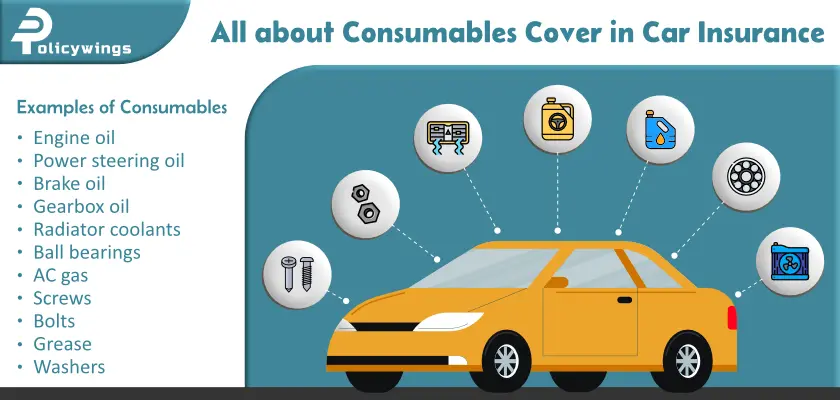
  • Engine oil, coolant, and consumables
  • Mechanical or electrical breakdown unrelated to an accident
  • Wear and tear damage

The exact list varies by insurer, so reading the policy schedule carefully is necessary rather than assuming full cover on everything.

How Does Depreciation Actually Affect a Claim?

Consider a car that's three years old. It gets into a moderate accident:

  • Front bumper damage
  • Side panel dented
  • One headlight assembly broken

Estimated repair cost: ₹40,000

Under a standard comprehensive policy, the insurer applies depreciation rates, say 25% on metal parts and 50% on plastic and rubber. The policyholder may end up receiving ₹22,000-₹26,000, paying the rest themselves.

Under a bumper-to-bumper policy, the insurer pays closer to the full ₹40,000 (minus the compulsory deductible, which applies to all policies regardless).

That difference is ₹14,000 to ₹18,000 in a single claim and that is what zero depreciation cover is for.

Who Should Seriously Consider It?

Bumper-to-bumper cover is not automatically the right choice for every car or every driver. It makes the most financial sense in specific situations.

1. New car owners

A brand-new car depreciates fastest in the first two to three years. Any damage during this period on a high-value vehicle means significant out-of-pocket costs under a standard policy. Zero depreciation is most valuable precisely when the car is newest and the repair costs are highest.

2. Owners of premium or luxury cars

Replacement parts for higher-end vehicles are expensive. A single panel on a luxury car can cost more than the entire repair bill of a budget hatchback. The depreciation gap in these cases is large enough to make zero depreciation cover a financially sensible decision.

3. Drivers in congested urban areas

Heavy traffic, tight parking spots, and chaotic roads mean minor scrapes and dents are a near-regular occurrence in cities. Frequent small claims add up, and recovering full repair costs each time makes a meaningful difference.

4. Inexperienced or new drivers

Higher likelihood of minor mishaps in the early years of driving makes comprehensive cover with zero depreciation a practical choice.

Who Might Not Need It?

Not everyone benefits equally.

1. Older cars

Most insurers do not offer bumper-to-bumper cover for vehicles older than five years. Those that do charge premiums that may not justify the benefit.

2. Experienced drivers with clean records

If the car rarely sees claims, the additional premium over several years may exceed what would have been recovered through depreciation waivers.

3. Cars with lower market value

If the vehicle's total value is modest, the absolute rupee difference from depreciation deductions may not be significant enough to warrant the higher cost.

How Many Claims Can Be Filed Under Zero Depreciation?

This is a detail many people miss. Most insurers cap zero depreciation claims at one or two per policy year. Once that limit is reached, any additional claims in the same year are settled under standard depreciation terms.

Some insurers offer unlimited zero depreciation claims at a higher premium, worth asking about before purchasing, especially for high-usage vehicles.

Does Zero Depreciation Cover Engine Damage?

Not on its own. Engine protection is a separate add-on that covers damage from:

  • Waterlogging
  • Hydrostatic lock
  • Oil leakage
  • Similar mechanical failures

Zero depreciation covers the body and external parts, not what sits under the bonnet.

For anyone buying a car in a flood-prone city, engine protection cover is a separate but equally important consideration alongside zero dep.

What Is the Premium Difference?

There's no fixed number because premiums depend on:

  • Car's make
  • Model
  • Age
  • City of registration
  • The insurer

Broadly, a zero depreciation add-on typically costs between 15% and 20% more than the base own-damage premium.

On a mid-segment car, this might translate to an additional ₹2,000-₹4,000 per year. On a premium or luxury vehicle, it can be considerably more.

Whether that extra cost makes sense depends on the car's value, how frequently it's driven, and how likely a claim is.

Is Bumper-to-Bumper Insurance Worth It?

For a new car, almost always yes, especially in the first three to five years when depreciation rates are steepest and repair costs on new components are highest. A single mid-sized accident in this period can recover the entire additional premium paid over two or three years in one claim.

For an older car, the calculation changes. If the insurer offers the cover at all, weigh the premium increase against the realistic likelihood of a claim and the actual depreciation amounts at stake.

The honest answer, it is worth it for most new car owners. For older vehicles, it requires a case-by-case assessment.

Find the Right Car Insurance Plan on Policywings

Choosing between a standard comprehensive plan and one with zero depreciation cover or deciding which add-ons actually make sense, is easier when the options are laid out clearly in one place.

Policywings lets car owners compare plans from leading insurers, see exactly what each policy includes, and make an informed decision without the pressure of a sales pitch.

Get the cover your car actually needs, at the right price.

Frequently Asked Questions

1. Is bumper-to-bumper the same as comprehensive insurance?

No. Bumper-to-bumper or zero depreciation is an add-on to a comprehensive policy, not a replacement for it. A comprehensive policy must already be in place for zero depreciation cover to apply.

2. Up to what age of car is zero depreciation cover available?

Most insurers offer zero depreciation cover for cars up to five years old. A few extend it to seven years, but availability and pricing vary. Beyond that age, standard depreciation terms typically apply.

3. Does zero depreciation cover apply to all parts of the car?

Not all parts. Tyres, tubes, batteries, and consumables like engine oil are generally excluded even under zero depreciation cover. The policy document will list the specific inclusions and exclusions clearly.

4. What is a compulsory deductible and does it apply under zero depreciation cover?

Yes. A compulsory deductible is a fixed amount the policyholder must bear in every claim, it is not waived under zero depreciation cover. This is separate from voluntary deductibles, which the policyholder can choose to take on in exchange for a lower premium.

5. Can zero depreciation be added to an existing policy mid-term?

Generally, add-ons including zero depreciation are added at the time of policy purchase or renewal. Adding them mid-term is not typically permitted, though some insurers may allow it in specific circumstances.

6. Is zero depreciation cover available for electric vehicles?

Yes, most insurers now offer zero depreciation cover for electric vehicles. Given the high cost of EV components, particularly body parts and battery-adjacent components, it is arguably even more relevant for EVs than for conventional cars.

7. What happens if the car is declared a total loss?

In a total loss situation, where repair costs exceed a certain percentage of the car's insured declared value (IDV), zero depreciation cover generally does not apply. The settlement is based on the IDV, not individual part costs. A return-to-invoice add-on is relevant in total loss situations, not zero depreciation.

8. Does zero depreciation cover help with windshield replacement?

Yes, in most policies. Windshield glass is typically covered under zero depreciation, meaning the full replacement cost is paid without depreciation deduction, subject to the policy terms and claim limits.


Share this article:

More on Motor Insurance

Hand-picked reads on motor insurance to help you decide with confidence.

How to Renew your Car Insurance?Car Insurance

How to Renew your Car Insurance?

Introduction Do you think car insurance renewal is just another formality that you should follow every year? Actually, it’s your chance to correct mistakes, improve your coverage and even reduce premium. However, you should know what to look for. Sadly, many car owners either put their policy on auto-renew or keep looking for the cheapest price paying least attention to what they are actually buying. Here we will discuss how car insurance renewal works in India, how you can save money and the common mistakes you must avoid. Why Car Insurance Renewal is so Important? This is because at the time of renewal you can: Adjust your coverage according to your car’s age Add or remove certain protection Switch insurance providers, if needed Find the cheapest insurance for car with no risk of poor coverage If you ignore the renewal decisions, it can lead to: Higher out-of-pocket costs of repair Losing your No Claim Bonus Insufficient protection during accidents Types of Car Insurance Policies Technically, there are three main policy types for car insurance in India plus, add-ons that enhance coverage. Third-Party Car Insurance (Mandatory) It’s a mandatory insurance for all vehicle owners and the premiums are fixed by IRDAI. What it covers: Injury or death caused to third party Damage caused to the property of third-party What’s NOT covered: Damage to your own vehicle Theft, fire, floods, or accidents While this is usually the cheapest insurance for car, it offers just limited protection. Standalone Own Damage (OD) Insurance As the name says, it covers damage to your own car. What it covers: Accidents, theft/robbery, damage by fire, natural disasters, riots etc Important to know: You can buy this insurance only if you have a valid third-party policy This is where IDV matters, No Claim Bonus (NCB) applies and add-ons are selected Comprehensive Car Insurance This is a wide-ranging and all-inclusive type of car insurance. It consists of: Third-party liability cover Own damage cover It’s the most commonly chosen insurance by private car owners because of the balanced protection it offers. Zero Depreciation (Bumper-to-Bumper) This is NOT a separate policy but an add-on under own damage coverage and is recommended generally for cars up to 5 years old. Cuts down depreciation deductions on parts in case of claims Gets you higher claim payouts Is available only with standalone or comprehensive car insurance When Should You Renew Car Insurance? It’s always the best to renew before the expiry date to avoid any troubles. Because a delay even by 1-day can: Cancel your No Claim Bonus Require the inspection of your vehicle Leave you uninsured (and also illegal on the road) If you are looking for new options, start checking at least 15–20 days before expiry. How Can You Save Money on Car Insurance Renewal By saving money, it doesn’t your protection has to be cut down. There is a smart way to renew. Let’s discuss: Use Your No Claim Bonus (NCB) Properly If you didn’t raise a claim last year, congratulation! You will earn NCB. Claim-Free Years NCB Discount 1 year 20% 2 years 25% 3 years 35% 4 years 45% 5 years 50% But note that NCB applies only to the own damage premium and not on the third-party insurance. Review Add-Ons Carefully Naturally, adding extra benefits increase premium. This is why you should choose according to your car and usage. Here are the common add-ons: Bumper to bumper insurance – this is best for new cars Engine protection – it’s very useful if you live in flood-prone areas Roadside assistance –highway drivers can benefit a lot from it Basically, just drop those add-ons that no longer make sense for the age of your car. Set the Right IDV Insured Declared Value is the current market value of your car. While higher IDV means higher premium, lower IDV means lower claim payout. Hence, you should choose a realistic IDV, not extreme values. Compare Before Renewing Don’t blindly stick to the same insurer and renew with them every year. When you compare, you can: Find better coverage that too at similar cost Switch insurers without the risk of losing NCB Secure the cheapest insurance for car that still offers good enough protection Common Car Insurance Renewal Mistakes to Avoid Renewing without checking coverage: Since your car needs change with every passing year, your policy should too. Choosing only the cheapest premium: The cheapest option may have lower IDV, exclude important add-ons or offer poor claim support. Dropping bumper-to-bumper too early: If your car is under 5 years, this insurance will most likely save more during claims than it costs. Letting the policy lapse: This will lead to the loss of NCB, mandatory inspections and legal risk while driving Can You Switch Insurer at the Time of Renewal? Sure. You can: Change the insurance provider Keep your NCB Buy own damage and third-party plan from different insurers This flexibility lets you have the best of both cost and coverage. Quick Renewal Checklist Before you renew, think of all these points: Is my NCB correctly applied? Do I have a realistic IDV? Are existing add-ons still useful? Is bumper to bumper insurance still needed? Have I compared at least 2–3 good options? Conclusion Car insurance renewal is the opportunity you get every year to fix mistakes (if any), save money and improve protection. Ideally, you should not go for auto-renewal or only look for the lowest price. Instead, try to understand what you are actually paying for. When you renew thoughtfully, your car insurance not just meet legal requirements but also protects your car, money and even your peace of mind.

Written byRahul NarangPublished onJanuary 14, 2026

You may also like: Claims & Support

Related guides from our claims & support desk.

Car Insurance Claim Process in India: Step-by-Step GuideClaim

Car Insurance Claim Process in India: Step-by-Step Guide

Whether it’s a little scratch or a big accident, a car insurance claim can save time, money and a lot of unnecessary stress. Sadly, filing a car insurance claim seems like a complicated task to a lot of people. They tend to get all blank when the situation arises. When in reality, it’s just a simple process. Once you know what to do and when, you will have your vehicle back on the road faster. Here, we will discuss how to get the most benefit of your insurance and what a well-handled claim actually looks like. Step 1: First, Ensure Safety Before you get straight to thinking about insurance, just make sure that everyone is safe around you. If possible, move the car to a safe spot Switch on hazard lights If anyone is injured, call for medical help There is nothing bigger than personal safety. The ‘claim’ part should come later. Step 2: Immediately Inform the Insurance Company Once you have the situation under control, it’s time to inform your insurer. Most insurers let you contact them through a customer care helpline, mobile app or website, writing an email or simply by visiting the branch. The earlier you inform, the better your insurer can guide you and speed up the process. Step 3: File an FIR In certain situations, you need to file an FIR. It could be after: The vehicle gets stolen There has been a major accident involving injury or death There is physical or property damage to third party If there are only minor damages, insurance providers usually don’t ask for an FIR. Still, you must always confirm with your provider. Step 4: Document the Damage A claim settlement can become much smoother if you have proper documentation in place. Your insurer may ask you to: Take clear photos or videos of the damaged vehicle Provide the date, time and location details of the incident Share basic details of what exactly happened This step is where you exchange proofs that help the insurer assess the claim accurately. Step 5: Vehicle Inspection by Surveyor After you have informed your insurer about the claim, the insurance company then appoints a surveyor who will come to inspect the vehicle. Depending on the insurer and severity of the damage, inspection may either happen physically at the garage or can even be done digitally through photos/video calls. A reliable motor insurance provider will make sure that inspections are timely done because delays can slow the entire claim process. Step 6: Repair at Network Garage or Preferred Garage You now have two options for the repair work: Cashless Claim (Network Garage): You can take your car to an authorised garage to fix it. Your Insurer settles the bill directly with the garage and you only have to pay for deductibles and non-covered items. Reimbursement Claim: You make an upfront payment for the repair bill and submit invoices and documents to the insurer. For this, you will be reimbursed later. This step becomes much easier when your policy is backed by an extensive network of garages. Step 7: Claim Settlement Once all repairs are done and documents are verified, you can relax. The insurer will settle the claim. The final amount depends on the coverage amount of the policy, deductibles and depreciation. If you have bumper to bumper insurance, depreciation is not a stress. An honest insurer will clearly explain if there will be any deductions. This really builds trust in the process. Step 8: Delivery of Vehicle After the settlement is done, the garage releases your vehicle and you can thoroughly inspect the repairs before taking your vehicle home. This is the stage when your claim is considered closed. How Add-Ons Affect the Claim Experience Add-ons are often very helpful and make your policy stronger. They can really make the claim process smoother for you. Let’s take examples: Zero depreciation (bumper to bumper insurance): Reduces depreciation deduction on parts Roadside assistance: Helps a lot during claims related to breakdowns Similarly, there are other add-ons. While they lightly increase premiums, they also simplify the claim experience. Common Reasons Why Claims Get Delayed or Rejected Here is the most important part. Some people complain that their claim wasn’t settled or that there have been issues. But this is because they made these mistakes: They were late for claim intimation Their documents were incorrect or incomplete Driving under the influence (eg. Alcohol) Policy had expired at the time of the incident A policy alone won’t solve things for you. While filing a claim, make sure you follow the right process whether you have the cheapest insurance for car or an expensive one. Why Claim Support Matters More Than Premium Premium is surely an important part of buying car insurance. However, the real test of a policy is during a claim. When claim support is strong, it means: Claim intimation is very easy Inspections are done faster Clear communication at each step Settlements are done on time Conclusion In India, the car insurance claim process is pretty structured. But your experience will largely depend on how informed you are about the process and how supportive your insurance provider. Keep in mind all the discussed steps because they will put you in control. Whenever something unexpected happens, you know what to do next. At the end, good car insurance not only protects your vehicle but also supports you in need.

Written bySagar NarangPublished onJanuary 23, 2026
Mediclaim Policy Renewal: What You Must Check Before RenewingClaim

Mediclaim Policy Renewal: What You Must Check Before Renewing

Introduction It might have happened to you or somebody you know that for years you had your mediclaim insurance policy and you were also paying regular premiums. Once time you made a claim and found out that certain benefits had lapsed. So frustrating, isn’t it? This is why it’s highly recommended that when you renew your mediclaim insurance, you must also make sure your coverage will continue to fit your needs. It’s super important to review your policy at the time of renewal, especially because medical costs are increasing. Let’s discuss what all do you need to check before renewing your mediclaim insurance in India so that you don’t miss changes in coverage or lose important benefits. What Makes Renewal So Important? Life is never the same. Sometimes situations change, sometimes lifestyle. You could develop a new illness, there could be an increase in medical prices or maybe the needs of your family grow than before. You must never renew your policy without reviewing it. When you pay attention at that time, you ensure having the right coverage when you actually need it. You can’t do much once you have bought the policy but renewals offer you a chance to: Upgrade coverage and match it with the rising medical costs. Add new riders or benefits to the policy that were not there before. Always renew on time so that waiting periods don’t restart. Protect your coverage by staying regular with your payments. After all, a careful renewal is a guarantee that your mediclaim insurance policy grows with your changing needs. What to Check Before Renewing Your Mediclaim Policy? Renewing your mediclaim insurance policy doesn’t just mean paying the premium on time but ensuring your coverage is enough for you when required. Let’s see what you should definitely check at the time of policy renewal: Coverage Amount (Sum Insured) In India, medical costs are rising every year and this is a point of concern. The insured amount you chose a few years ago is most possibly not enough today, especially if you’re in a metro city. Check if you need to increase the coverage while you are renewing. Waiting Periods for Pre-Existing Diseases When you keep renewing the policy, the waiting period for pre-existing conditions also keeps reducing and it’s a big benefit. At the time of payment, confirm whether the mediclaim insurance policy cover those diseases now. Room Rent Limit and Hospital Network Room rent limits or hospital tie-ups might be small factors but can affect your claim big time. If you want a private room but your policy allows only a shared room, you may have to pay yourself. It should also be checked if your preferred hospitals are a part of the insurer’s network. New Riders or Add-On Benefits Many insurers introduce new features for the convenience and benefits of the policyholders. People can always opt for the extras like critical illness riders, maternity cover etc. Of course, renewal time is the best to add these riders to your mediclaim insurance. Premium vs. Benefits The premium you’re paying should ideally justify the benefits you’re getting. It’s possible that there’s another plan from the same insurer or a different one that offers better coverage at a similar cost. At renewal, you upgrade your policy and it continues the same. No-Claim Bonus (NCB) Your insurer should also offer a no-claim bonus. Basically, many insurance companies increase your coverage amount for the year you don’t make a claim. Do keep this benefit in mind while renewing. Exclusions and Policy Updates Insurance companies also keep updating their terms. Every time you renew, go through the fine print to check what’s not included this year. It could be procedures like cosmetic surgeries or certain advanced treatments, so stay alert and informed. Grace Period for Renewal Renewal of mediclaim insurance in India has to be done before the due date. While insurance companies normally provide a grace period of 15–30 days for payments, you can’t make claims during this period. Also, missed renewal means waiting periods would restart and all the previous time has been wasted. Mistakes People Make During Renewal Renewing a mediclaim insurance policy isn’t limited to continuing the same plan. There are mistakes that so many people unknowingly make that either affect their coverage or claims. Just beware of these catches for a wise renewal: Not updating health details– Don’t forget to inform your insurer if you’ve developed a new illness or undergone surgery because hiding details can lead to your claim being rejected. Missing the due date– A late renewal means you will missout on your No Claim Bonus (NCB) and even a policy lapse. Ignoring changes in coverage– Sometimes insurance company change their terms, add new rider options or modify coverage so go through the fine print. Accepting higher premiums blindly– Many people pick up the first policy they see. Not comparing alternatives, they end up paying more. How to Save on Your Mediclaim Insurance? Time for renewal? It’s the perfect chance to make your mediclaim insurance in India more cost-effective while holding on to the benefits. All you need is a little planning for a reduced premium and improved coverage. Consider portability– If you find that another insurer is offering better benefits at the same cost, you can switch to it. Your continuity benefits will remain the same. Opt for long-term policies– Many insurers will also offer you discounts if you straightaway buy a 2–3 year mediclaim policy instead of renewing it every year. Adjust deductibles wisely– If your employer already provides health cover, choose a bigger deductible on your mediclaim to lower your premium. Compare online before renewal– You can also benefit from the market competition. You must check different plans so you can get the best value for your money. The Rising Need for Mediclaim Insurance in India The costs of healthcare in India are skyrocketing and there are hardly any signs of slowing down. Treatments for critical conditions like cancer,

Written byRahul NarangPublished onOctober 30, 2025
How to Claim Third-Party Insurance After an Accident?Claim

How to Claim Third-Party Insurance After an Accident?

Introduction Accidents can happen to anyone, anytime and even to the most careful drivers. It could be a small scratch or a major car crash; it is not hard to deal with it. But in such times, having third party liability insurance helps big time. However, many people aren’t sure of how exactly to make a claim, what to do and what to avoid. If you are also on the same boat, don’t worry! This quick guide will tell you what third party insurance covers and how you can file a claim after an accident. What is Third-Party Insurance? Before we discuss the claim process, let’s understand what it is. Basically, third party insurance is a compulsory form of motor insurance in India and all drivers need to have it. If at all your vehicle causes damage to another person, their vehicle or property, this plan will be your financial protection. Here, the “third party” is anyone who is affected by your vehicle in an accident, except you or your insurance company. Your third party liability insurance policy will pay for: Injury or death of another person because of your vehicle. Damage to the property of third-party like a car, scooter, wall, fence etc However, you must know and remember that insurance for third party liability will never cover any damages to your own vehicle or injuries that are caused to you. If you want complete coverage, a comprehensive policy is what you need When Can You Claim Third-Party Insurance? A third party insurance claim can be made in these situations: If physical injury or death is caused to another person in an accident. If your vehicle has caused damage to someone else’s property or vehicle. For example, if your car hits another vehicle, then your third party liability insurance will cover the repair cost. Or maybe for covering medical or legal compensation if a pedestrian gets injured. Step-by-Step Process to Claim Third-Party Insurance You need to follow a few steps for filing a third party liability insurance policy claim. Let’s go through them: Step 1: Inform Your Insurance Company Immediately Without wasting any time, the first thing you should do after an accident is inform your insurance company. This better be done within 24 hours because delays might weaken your claim. You can go to their helpline or mobile app and quickly report the accident. Provide them with important details like: Date, time and accident location Describe exactly what happened Inform about the vehicles and people that were involved Step 2: File an FIR at the Nearest Police Station Go right away to file an FIR (First Information Report), especially if there’s an injury, death or major damage to property, because without it, your third party insurance claim might be rejected. Reach the nearest police station and explain what happened in detail. Don’t miss mentioning all vehicles and people involved. Do keep a copy of the FIR to be used during the insurance claim. Step 3: Collect Evidence from the Accident Site Having proper evidence makes your claim stronger. All these details will help your insurer to evaluate the whole situation and process your claim faster: Take photos or record videos of the damaged vehicle and the overall accident scene. Note the registration number of the vehicle, details of the driver’s license and even contact information of the witness, if there are any. Step 4: Register the Case with the Motor Accident Claims Tribunal (MACT) Basically, the insurer doesn’t directly settle the third party liability insurance. It’s handled through the Motor Accident Claims Tribunal (MACT). This is a legal body that ensures that both the vehicle owner and the affected party are treated with fairness. Here’s how it works: The affected third party files a claim with MACT. MACT reviews the case from both parties and decides the compensation amount. Your insurer then pays you as per the tribunal’s decision. Step 5: Submit the Required Documents You will need to submit certain documents to process your insurance for third party liability claim. Have these documents ready to avoid settlement delays: Copy of your insurance policy FIR Copy Driving licence of the person who was driving Vehicle’s registration Certificate (RC) Photos of the damaged vehicles and the accident area Any notice from court or MACT (if applicable) Step 6: Cooperate During the Investigation Your insurance company may also appoint an investigator on the case. They will inspect the damages and verify the details of the incident. Here, you need to give your full cooperation. Provide them with honest information and access to your vehicle. This keeps the process transparent and helps your insurer smoothly settle the claim. Step 7: Tribunal Decision and Claim Settlement Once the MACT reviews all details, the compensation amount to be paid is decided. After that, your third party liability insurance policy will cover this compensation. The amount will be paid directly to the third party and not to you. Checklist of Documents Required for Third-Party Insurance Claims Make sure you don’t miss anything from the following: Copy of third party insurance policy Copy of FIR Driving licence RC of the Vehicle Photos of the Vehicle Witness statements (if any) MACT forms and legal notice (if they are issued) In fact, you’d better keep both digital and printed copies for convenience and last minute requirements. Common Mistakes to be Avoided When Filing a Claim Even a small error can lead to the rejection of your claim and there are many such cases. Be careful and avoid these common mistakes: Not informing the insurer ASAP. Skipping filing the FIR. Providing incorrect details or false statements. Failing to collect proper evidence at the accident spot. Trying to settle privately and not involving the insurer. How Long Does It Take to Settle a Third-Party Claim? We just learned that insurance for third party liability claims have to be processed through the MACT proceedings. This is the reason that they tend to take a bit

Written byRahul NarangPublished onOctober 27, 2025

Explore: Business Insurance

Broaden your view with a quick read on business insurance.

Commercial Property Insurance Growth in India: Managing Urban RisksCommercial Property Insurance

Commercial Property Insurance Growth in India: Managing Urban Risks

Introduction With India urbanizing so quickly, the insurance landscape particularly in the commercial sector has undergone a major change. With cities expanding, real estate development is rising and businesses increasingly exposed to natural and man made disasters are driving record demand for commercial property insurance which is reaching unmatched levels. This part of insurance has shifted far behind just asset protection and has become an important part of risk management for enterprises navigating today’s urban challenges. Rising Demand for Business Property Coverage As India’s business centers grow, the chance of damage from fire, floods, earthquakes, theft and cyber attacks increases. The rise in climate related events has made city properties more at risk. Because of this the business property insurance is now needed for all businesses from small stores to big factories. A big change is that there are more businesses that are buying policies that cover not only buildings but also equipment, stock and business interruption. This complete approach shows that companies understand that the business disruptions can cause bigger financial losses than the cost of fixing physical damage. Regulatory Oversight and Policyholder Protection The Insurance Regulatory and Development Authority of India (IRDAI) guides India’s insurance rules. These rules emphasize clear information, fair pricing and quick claim settlements. Policies have to follow strict rules about what they cover to avoid arguments. For cities facing high risks there is an additional cover option such as earthquake or terrorism protection which are commonly advised. Recent court cases show the legal issues that can come up in business insurance disputes. In some cases before consumer commissions and High Courts the insurers had to pay claims because they rejected them using unclear exclusions or not fully explaining the policy. Courts have said many times that insurance contracts must be handled with honesty and that insurers should interpret policies in a way that benefits the policyholders. This legal trend makes it easier for businesses to get compensation and makes insurers more responsible for handling claims quickly and honestly. Urban Risks Driving Policy Growth India’s urban centers face a wide spectrum of risks and insurance adoption is rising accordingly: Natural Disasters like Flooding in metro regions and seismic risks in northern and northeastern states demand specialised coverage. Densely packed industrial and commercial areas have more fire risks so fire riders are important. Because property crimes are up in cities there is a greater need for protection of inventory and buildings. Since businesses rely on being open all the time then even brief shutdowns can lead to big losses which makes business interruption coverage very important. Urban businesses are realizing property insurance is a necessity rather than just an option because of the risks involved. Digital Change in Commercial Property Insurance Commercial property insurance in India has changed because of digital platforms and AI based risk assessment. Tools can now check how strong buildings are and also location based risks even the weather patterns so insurers can set policy prices better. For those with policies the digital claim systems cut down on paperwork and speed up payments. Also devices like fire sensors and security systems are being added to insurance plans. Companies that use these tools to lower risks often get lower premiums which encourages them to take safety steps. Legal Consequences and Responsibilities Business insurance regulations have a few important responsibilities for insurers and policyholders: Insurers: If an insurer mistakenly denies a claim they may face penalties under consumer protection laws. Courts may also order compensation for emotional distress and legal fees on top of requiring the claim to be paid. Policyholders: If a policyholder does not disclose all important information like previous damage or poor safety procedures, their claims may be rejected and they could face legal action. It is critical to be honest and meet all policy demands. Duty of Good Faith: Courts have confirmed that both sides of an insurance deal have to act honestly and if they don’t then they can be sued and lose money. Strategic Considerations for Businesses Businesses in cities should do risk assessments that look at both building risks and location related risks when picking insurance. Think about using extra coverage options: Things like coverage for natural disasters, theft and business problems can add important protection in cities. Follow the law and be honest when you apply and follow safety rules you can avoid problems with claims and get better insurance options. Use of technology: Prevent problems like fire systems as they have security cameras and they keep monitoring tech which can lower risks and also even lower your insurance costs. Keep up with legal news: Knowing about court decisions can help you be ready for possible legal arguments. Conclusion Commercial property insurance in India has evolved because of the digital platforms and AI based risk assessment. By 2025 the business property insurance will be an important part of how companies in India deal with the risks of fast-growing cities. The higher need for this kind of insurance shows that risks are increasing and that people know more about how insurance can protect them financially. Because rule makers want things to be clear, courts are protecting the rights of people with insurance and technology is making coverage smarter. Property insurance is becoming a main part of keeping businesses going. For businesses it’s vital to pick complete policies, follow the rules and take steps to prevent problems in cities.

Written bySagar NarangPublished onOctober 3, 2025
Credit Insurance in India: Safeguarding SMEs Against Payment DefaultsMSME Insurance

Credit Insurance in India: Safeguarding SMEs Against Payment Defaults

Introduction Small and medium enterprises (SMEs) are the support systems of India’s economy which contributes nearly 30% to the GDP and employs millions across diverse sectors and still one of their biggest challenges lies in managing cash flow disruptions caused by delayed payments or outright defaults from buyers. In a cut throat market where access to credit is limited, even one unpaid invoice can hamper an SME’s financial stability. This is exactly when credit insurance in India comes into light as a strong safeguard providing trade credit protection to reduce risks and strengthen business security. Understanding Credit Insurance Credit insurance can also be termed as trade credit insurance or accounts receivable insurance which is a risk management instrument that secures businesses from losses arising due to failure of payment by buyers. If a customer fails due to insolvency, bankruptcy or prolonged delays then the insurer compensates the policyholder for a large portion of the outstanding dues. In the Indian framework, credit insurance provides a protection where delayed payments are a constant concern particularly for SMEs engaging with large corporations or overseas buyers. It makes sure that if a buyer fails to pay even then the business does not face sudden financial stress. Requirement for Trade Credit Protection for SMEs Cash Flow Stability: SMEs usually operate on low budgets and limited reserves. Even one default can interrupt working capital cycles which can make it hard to meet payroll or pay suppliers. Trade credit insurance helps maintain liquidity. Risk Variation: SMEs can benefit from the insurer’s risk assessment expertise which decreases exposure to high risk buyers instead of depending only on internal credit checks. Business Expansion: SMEs can assuredly extend credit to new customers and enter foreign markets including exports with the assurance of credit protection. Improved Borrowing Capability: Banks and financial institutions are more inclined to lend when receivables are insured which can increase the chances of SME’s access to credit. Growth of Credit Insurance in India Over some years, acknowledgement of credit insurance has grown due to rising trade volumes and payment uncertainties. The pandemic further made us focus on the significance of securing receivables as many businesses faced unexpected disruptions in buyer payments. Regulatory support from the Insurance Regulatory and Development Authority of India (IRDAI) has also played a significant part. Guidelines have been amended to make trade credit insurance more reachable to SMEs making sure that they can have coverage without complex procedures. Working of Credit Insurance The SME goes to an insurer or broker to purchase a credit insurance policy. The insurer checks the creditworthiness of the SME’s buyers. A coverage limit is given to each buyer which defines the maximum insured amount. If these’s a default then the SME submits a claim with supporting documents. After verification the insurer compensates a huge percentage of the loss which usually ranges between 75% and 90%. General Benefits for SMEs The most important benefits of credit insurance is recovering unpaid invoices but some extra advancements include: Stronger Negotiation Ability: Insured receivables provide SMEs with significant leverage when negotiating with banks or investors. Global Market Access: trade credit insurance for exporters serves as a safety net against foreign buyer risks, political instability and currency related payment problems. Operational Confidence: entrepreneurs can focus on productive strategies with less financial anxiety rather than tracking overdue payments. Improved Corporate Governance: Insurers often provide insights and data on buyer performance, helping SMEs build disciplined credit policies. Challenges in Adoption Credit insurance in India is still not effectively used despite its benefits. Several elements contribute to this void like: Low Awareness: Many SMEs are not familiar with trade credit protection or assume it is relevant only for big corporations. Perceived Costs: Business owners usually see premiums as an extra cost without acknowledging the potential savings from avoided losses. Complicated Terms: Insurance terms and procedural requirements may put off smaller businesses from exploring policies. Future Expectation for Trade Credit Protection in India The requirement for credit insurance in India is expected to increase gradually due to these reasons: Growing Trade Networks: SMEs will require protection against foreign buyer risks with India’s rising exports. Digital Development: Online platforms are making insurance products more reachable and customisable. Government Initiatives for SME Growth: Policy initiatives such as ‘Atmanirbhar Bharat’ and inducements for exporters will navigate demand for financial protections. Increased Banking Integration: Banks may promote insured receivables as part of lending conditions further which can normalise trade credit protection. Conclusion The risk of buyer defaults is a financial inconvenience and a survival challenge for SMEs in India. Credit insurance in India gives a strong solution by making sure there is trade credit protection, balanced cash flows and encouraging business confidence. Credit insurance will become a necessary part of SME risk management in coming years while challenges in awareness will still remain complex.

Written bySagar NarangPublished onOctober 7, 2025
Why Your Business Needs Commercial Property Insurance?Commercial Property Insurance

Why Your Business Needs Commercial Property Insurance?

Introduction The best thing about running a business is making profits but it’s equally important to protect what you’ve built. You spend years setting up your workplace, what if it gets all damaged overnight by a fire accident or maybe an earthquake? It’s not even easy to think of such a situation. This is why you need commercial property insurance. Sadly, many businesses underestimate the importance of property insurance, because they keep thinking that nothing so bad will happen. But this is life. Risks are unpredictable. One incident and it may cost you lakhs or even crores. Only with the right coverage through commercial property insurance plans you can protect your hard-earned investment. We are here to help you understand why every business, regardless of size, must have commercial property insurance. What is Commercial Property Insurance? It’s a type of insurance that protects your valuable business property against damaging risks like fire, theft, natural disasters or anything that causes loss of property. Not just the building, it also covers the assets inside it like equipment, tools, machinery, furniture, raw materials, finished goods etc Let’s suppose a fire accident happens in your office and it damages your building and destroys your equipment. Now, commercial property insurance will cover the cost of repairs and replacements. Yes, the load will not fall on your pocket. Without insurance, all your savings will go into fixing your office or you might even have to take loans. Why is Property Insurance so Important for Businesses? It doesn’t matter if you own a small shop or a huge factory; it’s your business and your operations rely on it. Damage to the property directly disrupts your business and impacts your income. Property insurance is essential because: It protects all your physical assets in the workspace. It makes sure the business continues even after an accident. It provides the much-needed financial stability during tough times. It doesn’t let your working capital or savings be wiped out for repairs or replacements. In short, without property insurance, all operations will come to a halt after a single bad event. What Do Commercial Property Insurance Plans Cover? While all insurance providers offer different coverage, here’s what most commercial property insurance plans protect from: Buildings and Structures– Workspaces like corporate offices, large warehouses, showrooms and factories. Furniture and Fixtures– All your desks, chairs, shelves and other furniture that’s set up. Machinery and Equipment– Tools & equipment used for manufacturing, heavy machinery and even computers/laptops. Stock and Inventory– Raw materials and finished goods present in the facility and even the goods in transit. Loss of Rent/Income– In case your property becomes unusable due to the damage caused. Natural Disasters– Damaging disasters like heavy floods, earthquakes, storms, large cyclones etc. Man-Made Risks– If there’s fire, theft, riots, strikes or other intentional damage. This is why commercial property insurance plans are adaptable to the different industries it is being taken for. Benefits of Commercial Property Insurance These are the top reasons that convince you to get your property insured: Protection Against Financial Loss: If a disaster, whether natural or man-made, can cause huge financial damage. With insurance in place, there’s no need to pay for any repairs and replacements from your pocket. Business Continuity: When operations are disrupted, it can lead to loss of income. Thankfully, many policies cover the loss of income, thereby making sure that your cash flow isn’t completely stopped. Peace of Mind: The assurance that your property and assets are protected lets you focus on growth with a relaxed mind and you don’t stay worried about unexpected situations. Covers More Than Just Buildings: Remember that insurance isn’t limited to just the physical building. It also covers your finished and raw stock, machinery, furniture and sometimes even electronic data (add-on benefit). Improves Business Credibility: Insured businesses are preferred by banks, investors, and even clients because they seem more stable and reliable. If you have property insurance, it means you take your risks seriously. Who Needs Commercial Property Insurance? Honestly, any business that owns or rents physical space should consider getting it. They could be: Retail Stores & Showrooms– To protect their inventory and display stock. Warehouses– To secure all the goods and raw materials stored in the facility. Manufacturers– They need it to protect their machinery and production equipment. IT Companies– It covers all the office equipment like laptops, servers etc. Restaurants & Hotels– Insurance ensure the kitchens, furniture, interiors and related assets are secure. Not just these sectors, even small businesses like salons, coaching centers and workshops can go for commercial property insurance plans, because risks are there for businesses of all sizes. Common Risks Businesses Face Without Insurance Not having commercial property insurance means your business is exposed to some serious risks like: You have to pay for heavy repair or replacement costs from your own pocket. Customers may go to another business because of operational shutdowns. Risk of bankruptcy, especially if the damage is not easy to recover from. You might struggle with banks or investors due to a lack of credibility now. One accident, maybe due to fire, flood or a major robbery, can affect your years of effort if there’s no insurance. How to Choose the Right Commercial Property Insurance Plan There are a few things that you must keep in mind when comparing commercial property insurance plans: Assess Your Assets– Make a detailed and proper list of all the property, stock and equipment you want to secure. Understand What’s Included and What’s Not– Remember that policies may not cover all kinds of damages. Check Add-ons– You can opt for extra benefits like electronic equipment cover, goods in transit or natural disaster extensions for stronger coverage. Compare Premiums vs. Coverage– Buying the cheapest is not the solution. Focus on value for money. Reassess Regularly– Do update your coverage as your business grows so you’re not underinsured. For example, a sudden electrical fire happens in a small textile factory that damages machines worth ₹37 lakh.

Written bySagar NarangPublished onNovember 17, 2025