+91-98111-67809
What to Do Immediately After a Medical Emergency for Insurance Claims
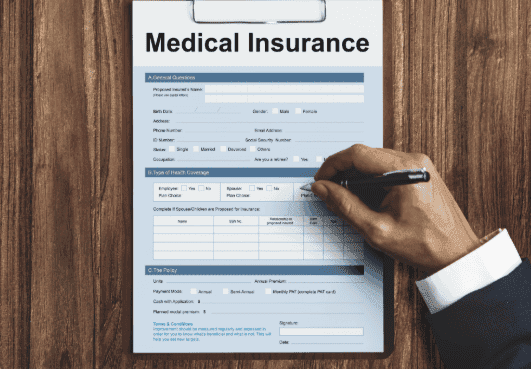
A medical emergency is one of the most stressful experiences anyone can go through. In a matter of moments, your priorities shift entirely, from your daily routine to ensuring that you or your loved one receives immediate and proper medical attention. During such situations, it is completely natural to focus only on treatment and recovery. However, once the initial crisis is under control, another important responsibility begins, managing the financial and insurance-related aspects of the hospitalization.
Many people assume that having health insurance is enough to guarantee a smooth claim process. In reality, insurance claims depend heavily on timely actions, proper documentation, and adherence to specific procedures laid out by the insurer. Even small oversights such as delayed intimation, incomplete paperwork, or lack of awareness about policy terms can result in delays, partial settlements, or even claim rejection.
This comprehensive guide is designed to help you understand exactly what needs to be done immediately after a medical emergency so that your insurance claim is processed smoothly and without unnecessary complications.
Why Taking the Right Steps Immediately Matters
Health insurance claims are highly process-driven. Insurance companies require clear communication, proper documentation, and strict adherence to timelines to validate and approve claims. While emergencies are understood, insurers still expect policyholders or their families to follow certain procedures as soon as reasonably possible.
Failing to act promptly or correctly can lead to several issues, such as:
- Delays in claim approval due to missing or incomplete information
- Reduction in claim amount because certain conditions or limits were not followed
- Rejection of the claim if key requirements, such as timely intimation, are not met
Therefore, being aware of the correct steps and acting on them at the right time can significantly reduce financial stress and ensure that your insurance serves its intended purpose.
Step 1: Ensure Immediate Medical Attention Without Delay
In any medical emergency, your first and most important priority should always be to ensure that the patient receives timely and appropriate medical care. Whether it is an accident, a sudden illness, or a worsening of an existing condition, delaying treatment in order to sort out insurance-related concerns can be dangerous and should be strictly avoided.
Once the patient has been admitted and is under medical supervision, you can begin to think about the insurance process. If possible, inform the hospital staff at the time of admission that the patient is covered under a health insurance policy. This allows the hospital to guide you toward the appropriate administrative steps early on, including directing you to the insurance or billing desk.
Step 2: Inform Your Insurance Provider at the Earliest Opportunity
One of the most critical steps in the entire process is informing your insurance company about the hospitalization. This step, known as claim intimation, is mandatory and must be completed within the timeline specified in your policy.
In most cases:
- Emergency hospitalizations must be reported within 24 hours
- Planned hospitalizations must be reported 48 to 72 hours in advance
You can inform your insurer through multiple channels, including their toll-free helpline, mobile application, official website, or through your insurance advisor such as Policywings.
While informing the insurer, you will typically need to provide:
- Your policy number
- Name of the patient
- Name and location of the hospital
- Brief details about the illness or incident
It is extremely important to note down the claim reference number provided by the insurer, as well as the name of the representative you spoke to. This serves as proof that you have complied with the intimation requirement within the specified time frame.
Step 3: Check Whether the Hospital is Part of the Network
After the patient is stabilized, you should check whether the hospital where treatment is being provided is part of your insurer’s network.
Network hospitals are those that have a tie-up with your insurance company, allowing you to avail of cashless treatment. This means that the insurer directly settles the eligible medical expenses with the hospital, reducing your immediate financial burden.
If the hospital is part of the network, you can proceed with initiating a cashless claim. However, if it is not a network hospital, you will need to opt for a reimbursement claim, where you pay the expenses upfront and claim the amount later from the insurer.
It is important to remember that in critical situations, shifting the patient to another hospital solely for insurance purposes is not advisable. The patient’s health and safety should always come first.
Step 4: Coordinate with the Hospital’s Insurance or TPA Desk
Most hospitals have a dedicated insurance or Third Party Administrator (TPA) desk that assists patients with insurance-related processes. Once you have confirmed that the patient is insured, you should approach this desk as early as possible.
The hospital’s insurance team will help you:
- Verify your policy details
- Check eligibility for cashless treatment
- Initiate the pre-authorization process
- Communicate with the insurance company on your behalf
You will be required to submit basic documents such as your health insurance card, identity proof, and initial medical reports. It is advisable to ask clear questions about the process, expected timelines, and any potential out-of-pocket expenses so that you are not caught off guard later.
Step 5: Initiate and Monitor the Pre-Authorization Process
For cashless treatment, the hospital must send a pre-authorization request to the insurance company. This request includes details of the patient’s condition, proposed treatment plan, and estimated costs.
The insurer reviews this information and decides whether to approve the request, partially approve it, or seek additional clarification.
Although the hospital typically handles this process, it is important for you to actively follow up and ensure that the request has been sent and acknowledged. In emergency cases, approvals are often expedited, but delays can still occur if information is incomplete or unclear.
Staying involved in this step helps prevent last-minute issues during discharge.
Step 6: Keep Track of Treatment and Associated Costs
During hospitalization, it is important to remain aware of the treatment being provided and the costs being incurred. While this may not always be easy during a stressful situation, even a basic understanding can help you avoid unexpected expenses.
Insurance policies often have specific limits and conditions, such as:
- Room rent limits that affect overall coverage
- Sub-limits on certain treatments or procedures
- Co-payment clauses where you share a portion of the cost
If these limits are exceeded, the additional amount may need to be paid out of pocket. Therefore, staying informed and occasionally checking with the billing department can help you manage expenses more effectively.
Step 7: Maintain a Complete and Organized Record of Documents
Proper documentation is essential for a successful insurance claim. From the moment of admission until discharge, you should make it a priority to collect and safely store all relevant documents.
These include:
- Admission notes
- Doctor’s prescriptions and daily progress reports
- Diagnostic test reports such as blood tests, scans, and X-rays
- Interim and final hospital bills
- Payment receipts
- Pharmacy bills
- Discharge summary
It is highly recommended to keep both physical and digital copies of all documents. Taking photos or scanning documents as you receive them can act as a backup in case originals are misplaced.
Step 8: Understand Non-Covered Charges and Exclusions
Not all expenses incurred during hospitalization are covered under insurance. There are certain items, often referred to as non-payables, that the insurer does not reimburse.
These may include:
- Consumables such as gloves, masks, and syringes
- Registration and administrative charges
- Personal comfort items
Before discharge, you should request a detailed bill and ask the hospital to highlight which items are not covered under insurance. This helps you clearly understand your financial responsibility and avoid confusion during final payment.
Step 9: Carefully Review Discharge Summary and Final Bill
At the time of discharge, you will receive a discharge summary and final bill. These documents are critical for claim processing and must be reviewed carefully.
Ensure that:
- The diagnosis and treatment details are accurate
- Dates of admission and discharge are correctly mentioned
- The bill is itemized and matches the treatment provided
- All documents are properly signed and stamped
Any discrepancies should be corrected immediately, as errors can lead to claim queries or delays.
Step 10: Complete Final Settlement at the Hospital
In the case of cashless treatment, the insurer will settle the approved amount directly with the hospital. However, you may still be required to pay:
- Non-covered expenses
- Amounts exceeding policy limits
- Co-payment portions
Before making the payment, ask for a clear explanation of the charges and verify them against your policy coverage. Taking a few extra minutes at this stage can prevent confusion later.
Step 11: Submit a Reimbursement Claim if Needed
If you have received treatment at a non-network hospital or if cashless approval was not obtained, you will need to file a reimbursement claim.
This involves:
- Filling out the claim form provided by the insurer
- Attaching all original documents
- Submitting the claim within the specified timeline, usually 15 to 30 days after discharge
You can submit the claim online, via email, or by sending physical documents, depending on your insurer’s process.
Step 12: Stay Proactive During Claim Processing
After submitting your claim, it is important to remain actively involved in the process. Insurance companies may raise queries or request additional documents to verify the claim.
Responding promptly and providing accurate information can significantly speed up the settlement process. Delays in responding to queries can result in prolonged processing times or even claim rejection.
Step 13: Track Your Claim Until It Is Settled
Finally, you should regularly track the status of your claim through the insurer’s website, mobile app, or customer support.
Understanding where your claim stands helps you take timely action if any issues arise and ensures that the process moves forward without unnecessary delays.
Common Mistakes That Can Affect Your Claim
Many claim issues arise from avoidable mistakes, such as:
- Delaying intimation to the insurer
- Failing to maintain proper documentation
- Not understanding policy terms and limits
- Ignoring follow-ups during claim processing
Being mindful of these pitfalls can help you navigate the process more smoothly.
How Policywings Supports You During Such Situations
At Policywings, we believe that insurance support should not end at policy purchase. In times of medical emergencies, having the right guidance can make a significant difference.
Policywings assists you with:
- Understanding your policy coverage
- Guiding you through claim intimation
- Helping with documentation and submission
- Supporting you in case of claim queries or delays
This ensures that you are not alone in managing the complexities of insurance during an already stressful time.
Final Thoughts
Medical emergencies are unpredictable and often overwhelming. However, being prepared and informed about the insurance claim process can ease a significant part of the burden.
By acting promptly, maintaining proper documentation, and staying engaged throughout the process, you can ensure that your insurance claim is handled efficiently and without unnecessary complications.
FAQs
1. How quickly should I inform my insurer after hospitalization?
You should ideally inform your insurer within 24 hours in case of an emergency hospitalization.
2. What if I lose original bills?
Original documents are usually required for reimbursement claims, so losing them can create complications. Always keep backups.
3. Can I claim all hospital expenses?
No, insurance policies have exclusions and limits, so some expenses may not be covered.
4. How long does it take to receive reimbursement?
It typically takes 15 to 30 days, depending on the insurer and completeness of documentation.
5. What should I do if my claim is rejected?
You can review the reason for rejection, provide additional documents if applicable, or raise a grievance with the insurer.