+91-98111-67809
Construction All Risk Insurance in Greater Noida — A Builder's Complete Guide
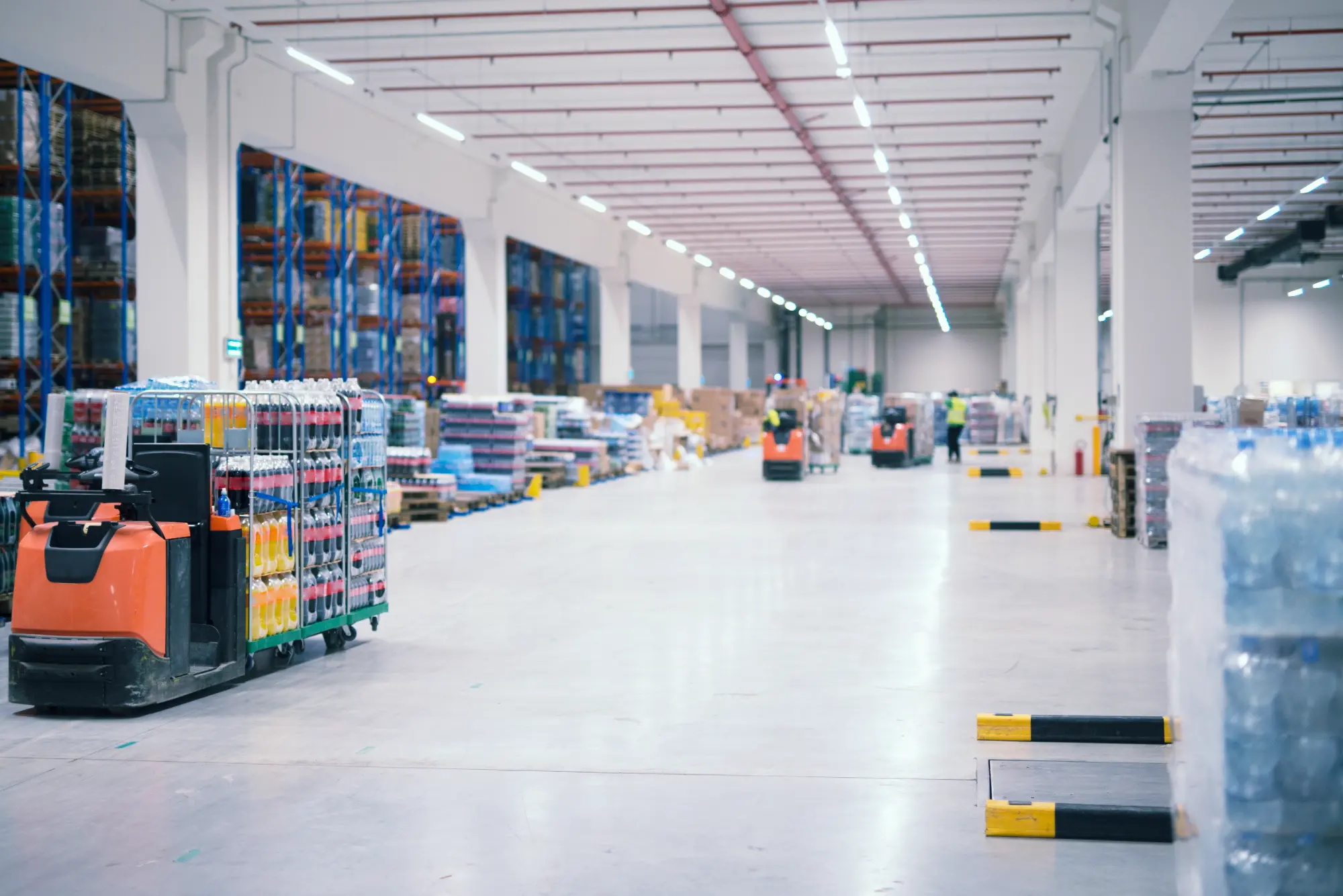
Greater Noida is one of India's most active construction markets. Residential towers along the Yamuna Expressway, commercial developments in the Knowledge Park zones, infrastructure projects across the city, and ongoing housing society construction in Noida Extension together represent billions of rupees of active construction at any given time.
Each of these projects carries risk — physical damage to the structure under construction, injury to workers, damage to adjacent properties, and equipment breakdown. For builders, contractors, and project developers without Construction All Risk (CAR) insurance, a serious incident can be financially catastrophic.
What Construction All Risk (CAR) Insurance Is
CAR insurance is a specialist property insurance policy designed specifically for construction projects. Unlike standard fire or property insurance — which covers completed buildings — CAR covers property while it's being built, which is when it's most physically vulnerable.
The "all risk" designation means the policy covers all physical damage or loss unless specifically excluded — a broader scope than named-peril policies that only cover events listed in the policy.
CAR policies have two core sections:
Section I — Material Damage: Covers physical loss or damage to:
- The contract works (the structure being built)
- Temporary structures (scaffolding, formwork, site offices, access roads)
- Construction materials and equipment on-site
- Contractor's plant and equipment (excavators, cranes, concrete mixers)
Section II — Third-Party Liability: Covers legal liability to third parties arising from the construction activity. If a construction accident damages a neighboring property or injures a passerby, the policy covers the compensation and legal costs.
Why Greater Noida Builders Specifically Need CAR Insurance
Greater Noida's construction environment has specific risk characteristics:
1. High-density development.
New construction is often adjacent to existing occupied buildings. A structural failure, a collapsed scaffolding, or falling construction material can damage neighboring properties or injure residents. Third-party liability without insurance is a personal and company liability.
2. Flood and waterlogging risk.
Parts of Greater Noida, particularly in the extension areas and near the Yamuna floodplain, experience significant waterlogging during monsoon. Water damage to partially completed structures, foundation flooding, and damage to stored materials are real monsoon risks for construction sites.
3. Labour-intensive sites.
Construction remains predominantly manual-labour intensive in India. With large workforces operating in physically hazardous conditions, workmen's compensation claims are a statistical reality.
4. Equipment risk.
Construction plant and equipment — cranes, excavators, concrete pumps — represent significant capital investment and face daily operational risk.
5. Project financing conditions.
Major project lenders (banks, NBFCs, government agencies) typically require CAR insurance as a loan disbursement condition. Projects financed by institutional lenders are contractually required to maintain CAR.
Key CAR Insurance Covers for Noida/Greater Noida Builders
1. Contract Works Coverage
The most fundamental cover. Protects the physical structure being built against fire, flood, storm, earthquake, theft of materials, and accidental damage during construction. The sum insured is typically the full contract value at completion.
This ensures that if a partially built structure is damaged — from a monsoon flood, a construction accident, or a fire — the cost of rebuilding to the current stage is covered.
2. Contractor's Plant and Equipment
Separately covers construction machinery and equipment against breakdown, accidental damage, and theft. This is distinct from the contract works cover — it covers the tools of construction, not the project itself.
For a Greater Noida developer who has ₹5–8 crore of equipment on-site, this cover prevents equipment loss from converting into a project delay.
3. Third-Party Property Damage
Covers damage to adjacent properties and infrastructure caused by construction activity. In Greater Noida's dense development environment, this is not a theoretical risk — vibration from pile driving, scaffolding collapses, and excavation-related subsidence all happen.
4. Third-Party Bodily Injury
Covers compensation and legal costs if a construction activity injures a third party — a pedestrian on an adjacent road, a resident of a neighboring property.
5. Workmen's Compensation (Employer's Liability)
Covers the employer's liability under the Employees' Compensation Act for worker death or injury at the construction site. This is legally mandatory for construction employers and often included as a separate section of the CAR policy.
6. Professional Indemnity (for Design-Build Contracts)
For projects where the builder also has design responsibility, professional indemnity covers claims arising from design errors or professional negligence. This is separate from and complementary to standard CAR insurance.
What CAR Insurance Does Not Cover
Understanding exclusions is as important as knowing coverage:
- Normal wear and tear, gradual deterioration
- Design defects (though consequences of design defects may be covered if structural failure results)
- Willful negligence or intentional damage
- Consequential losses (delay in project completion, loss of revenue from delay) — these require separate delay-in-start-up or advance loss of profits coverage
- Existing structures and property owned by the insured (covered under separate property policies)
- War, nuclear events, terrorist acts (standard force majeure exclusions)
Who Should Buy CAR Insurance
1. Project developers and builders
For residential, commercial, or industrial projects of any significant scale, CAR is essential protection for the project asset during its most vulnerable period.
2. Main contractors
The contract may require the contractor to maintain CAR insurance. Even where not required, the contractor's liability exposure justifies it.
3. Sub-contractors
Sub-contractors operating on a large project may be covered under the main contractor's CAR policy or may need their own cover — check the main contract conditions.
4. Infrastructure contractors
Road, bridge, and utility contractors face large-scale third-party liability exposure that makes third-party section of CAR critical.
Project Duration and Premium Calculation
CAR insurance is typically taken for the full construction period — from groundbreaking to project handover. The premium is based on:
- Full contract value (sum insured)
- Construction duration
- Project type and location
- Nature of construction activity
- Claims history
CAR premiums for residential construction in Greater Noida typically run at 0.1–0.3% of the contract value annually, depending on risk profile.
A ₹50 crore residential tower project with a 3-year construction period would carry CAR insurance of approximately ₹15–45 lakh total over the construction period — a small fraction of the project value, representing protection for the entire investment during construction.
Policywings and Construction Insurance in Greater Noida
Policywings works with builders, contractors, and real estate developers across Greater Noida and Noida to structure CAR insurance and related construction risk covers. We understand the specific risk environment of NCR construction projects and compare commercial insurance options across specialist insurers.
For a CAR insurance assessment for your construction project in Greater Noida or Noida, call +91-98111-67809.
Policywings Insurance Broking Pvt. Ltd. | IRDAI License No. DB 835 | A-57, 5th Floor, Sector-136, Noida | +91-98111-67809