Why Every Company Needs Group Health Insurance for Employees

By Sagar Narang
Why Every Company Needs Group Health Insurance for Employees

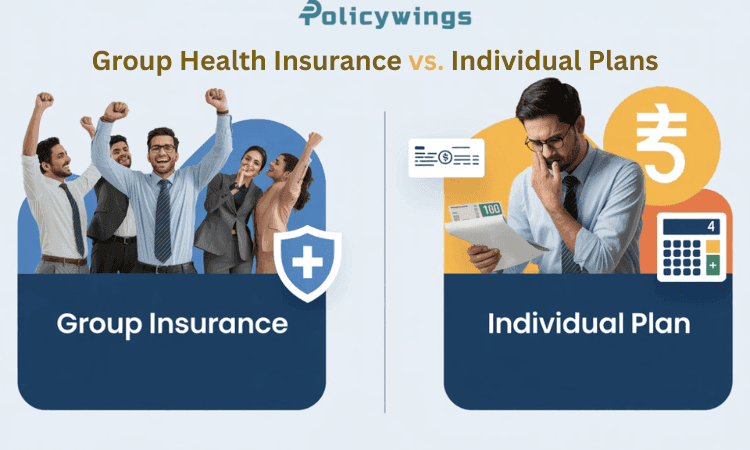
We have all been there, right? One of our team members calls in sick and suddenly the whole day feels like it’s on pause. The project gets delayed, we scramble to fill gaps and productivity takes a hit. It’s frustrating, especially when the same thing keeps happening. It does not have to be this way. What if there was a way to significantly reduce sick days and make sure your team stays healthy and focused? Enter group health insurance —a game changer for us as employers and for our employees.

Table of Contents

Toggle

We know healthcare costs have been climbing year after year. Employees today are feeling the pinch of medical expenses and many are more worried about healthcare than ever before. The solution? Providing group health insurance.Not only does it help our employees stay healthy but it also makes our businesses stronger and more successful. 

The True Cost of Not Offering Health Insurance

The cost of not offering group health insurance can be a lot more expensive than offering it. Picture this: your employees are stressed out about medical bills, they are less motivated and absenteeism starts to climb. According to a report from the National Business Group on Health, businesses without group health insurance often see higher turnover rates and lower employee morale. That means more recruitment costs, more time spent onboarding new team members and a decline in the overall productivity of your company.

But when we offer group health insurance, we are giving employees peace of mind. And here’s the kicker—it directly benefits us too. Healthier employees mean fewer sick days, more focus and a happier engaged workforce. 

How Group Health Insurance Keeps Employees Healthier

When we offer group health insurance, we are not just ticking a box. We are investing in the well-being of our team. With a solid health plan our employees have access to regular checkups, preventive care and quick treatment when something goes wrong. They do not have to wait until it becomes a serious issue and that can save everyone—us, them and our business—a lot of trouble.

Let’s take a real-world example. A company that offers comprehensive group health insurance sees a 25% reduction in sick days annually. The insurance itself comes with several perks, like preventive screenings that catch issues before they escalate mental health support and emergency care that keeps things from spiraling into larger, more expensive problems down the road. We are not just saving money in the long run by reducing sick days; we’re also investing in healthier, happier employees.

Boosting Employee Retention and Satisfaction

We know this—finding and retaining good employees is harder than ever. It’s not just about salary anymore. Employees are looking for workplaces that truly care about their health and well-being.This leads to higher employee satisfaction and lower turnover rates

When employees feel supported, they are less likely to leave. They know that, in case something happens, they are covered. They are more likely to stay loyal to a company that takes their health seriously and that loyalty is invaluable.

Lowering Financial Stress for Employees

Here’s the thing—we have all felt financial stress at some point in our lives. For our employees, worrying about high medical bills can create a constant cloud over their heads. But with group health insurance, we are offering them financial security. They do not have to choose between paying rent and going to the doctor. They do not have to deal with the stress of high out-of-pocket expenses when they need to see a specialist.

What’s even better? Many group health insurance plans cover a range of services, including dental, vision and mental health care. This means our employees have access to a more comprehensive package that takes care of their overall well-being. With low or no copays for visits and medications, they can focus more on their work and less on their bills. Everyone wins.

The Financial Benefits for Your Business

Did you know that offering group health insurance could actually save us money in the long run? A report by the Centers for Disease Control and Prevention (CDC) suggests that for every dollar spent on workplace health programs, businesses see escalated productivity. How? Well, healthier employees mean fewer sick days, less turnover and lower healthcare costs overall.

Also, many group health insurance plans come with tax advantages. Employers can deduct the cost of providing health benefits, which can help offset some of the expenses.

Group Health Insurance Features: What’s in It for You and Your Team?

Now that we have talked about why it’s a good idea to offer group health insurance, let’s take a closer look at some of the features it comes with. You will want to understand what your employees are actually getting from this plan.

  • Comprehensive Coverage
  • Preventive Care
  • Mental Health Services
  • Emergency Services
  • Affordable Co-pays and Deductibles

Final Thoughts

At the end of the day, offering group health insurance is not just about taking care of our employees—it’s a smart business move. It’s an investment in our company’s future. Healthier, happier employees mean more productivity, less turnover and a stronger company culture. So, let’s make the commitment. We are not just improving health; we are improving the very heart of our business.

By providing group health insurance, we are telling our employees: “we are in this together.” And that’s what will set our business apart in the long run.


Share this article:

You may also like: Health Insurance

Related guides from our health insurance desk.

LIC Health Insurance: Government Backed Medical Insurance PlansHealth Insurance

LIC Health Insurance: Government Backed Medical Insurance Plans

Introduction Life Insurance Corporation of India (LIC) is a household name for life and pension products and many consumers search for “LIC health insurance plans”, “LIC health insurance policy India” or “LIC medical insurance reviews” when shopping for medical cover. Historically LIC has focused on life and savings products rather than standalone health policies, but recent industry and regulatory shifts make this a good time to re-examine what LIC’s role is and what buyers should watch for when comparing health cover. Where LIC stands today (and what’s changing) LIC does not currently dominate the retail health insurance market the way private health insurers do, but it has publicly signalled interest in entering the space by acquiring stakes in a specialist health insurer rather than building a new standalone business from the ground up. This approach would mean LIC-branded health offerings could appear through a joint venture or minority stake in a licensed health insurer, rather than as a direct LIC issued product immediately. At the same time, regulatory action from the Insurance Regulatory and Development Authority of India (IRDAI) and fiscal reforms by the government are reshaping the health-insurance landscape and any LIC foray will be influenced by those rules. Key recent regulatory developments affect waiting periods, coverage of alternative medicine (AYUSH), portability and claim processes; insurers and platforms have been updating product designs to comply. What to expect from an LIC health insurance policy (if/when available) If LIC launches or partners to offer medical cover, you can reasonably expect: Standardised hospitalisation benefits (room rent, ICU, surgeon and diagnostic charges) aligned with IRDAI minimums. Cashless tie ups with a network of hospitals through a third party administrator (TPA) or the insurer’s own network. Optional addons (maternity, outpatient, critical illness riders) offered by most commercial health insurers. These are market norms that any new entrant must follow; product specifics (sum insured slabs, sublimits, copayments) will determine real value. Buying health cover today: practical checklist When comparing policies LIC branded or otherwise focus on the items that determine claim success and long term value: Sum insured and inflation protection choose cover that scales with future medical inflation. Waiting periods for pre-existing diseases check how many years are required before coverage for pre-existing conditions begins. Recent IRDAI guidance aims to reduce unreasonable waiting periods, but individual products still differ. Cashless hospital network and claim turnaround verify the insurer’s network and average claim settlement times. The government is tightening oversight of national claims infrastructure to curb invoice inflation, which should help standardise cashless transactions. Exclusions and sublimits read policy wordings for room rent caps, procedure sublimits and AYUSH coverage. IRDAI’s consumer facing changes are pushing for fewer restrictive sublimits on alternative therapy coverage. Required documents & compliance (quick list) Identity proof (Aadhaar, passport, driver’s licence). Proof of address. Age proof (for eligibility and premium calculation). Medical history / declarations accurate disclosure avoids claim repudiation. These documents and truthful declarations are non negotiable across insurers; portability and renewal benefit from complete records. Recent legal and tax changes that affect premiums A landmark fiscal change in 2025 (implemented by the GST Council and notified by the government) exempted GST on individual life and health insurance premiums effective 22 September 2025. This reduces the effective premium paid by retail policyholders and can make higher cover more affordable. Insurers may, however, adjust commission structures or pricing mechanics as the input tax and accounting impacts are passed through the value chain, so compare final premium quotes. Separately, IRDAI has issued consumer centric guidelines in 2024–2025 aimed at improving transparency, reducing arbitrary waiting periods, ensuring AYUSH coverage without excessive sub-limits and simplifying portability and claims all of which raise the baseline expectations for any insurer offering health plans in India. LIC medical insurance reviews: what reviewers watch Professional reviews of “LIC health insurance” (or any new LIC offering) will typically evaluate: Claim settlement ratio and average claim processing time; Network hospital breadth for cashless service; Pricing vs. comparable private insurers; Policy wordings for exclusions, co-pay and renewability. Because LIC’s brand equity rests on trust and a large customer base, reviewers will pay close attention to how LIC handles post sale service, disclosures and claim disputes. Conclusion If you’re searching for “LIC health insurance plans” or “LIC health insurance policy India”, remember that LIC’s move into health may materialise through a stake in an existing health insurer not necessarily as a direct, standalone LIC policy immediately. Meanwhile, recent regulatory reforms from IRDAI and the GST exemption for retail premiums materially improve affordability and consumer protections across the market. Shop by total cost, wording transparency, network quality and documented claim performance and treat any new LIC health product as you would any other insurer’s offering: read the policy wordings closely and compare final premium and claim terms before you buy.

Written byRahul NarangPublished onNovember 21, 2025
Overseas Travel Medical Insurance: Emergency Healthcare AbroadHealth Insurance

Overseas Travel Medical Insurance: Emergency Healthcare Abroad

Introduction Travel is exhilarating but medical emergencies abroad are expensive and unpredictable. For Indian travellers, buying robust overseas travel medical insurance before boarding is not optional if your destination or visa requires it and it’s strongly recommended in every other case. This article explains what international travel health insurance covers, what to check in policy wordings and the recent regulatory and entry rule updates you must know before you fly. What “overseas travel medical insurance India” covers Overseas travel medical insurance (also called international travel health insurance or medical insurance for abroad travel) typically includes: Emergency medical treatment and hospitalisation abroad (up to the sum insured). Medical evacuation and repatriation of remains. Emergency dental treatment for acute pain. 24/7 assistance and case management (hospital referrals, direct billing help). Optional add ons: trip cancellation/ interruption, lost baggage, personal liability and adventure sports cover. Always confirm limits for hospitalisation, in patient vs out patient care and whether medical evacuation is included or subject to separate approvals. Visa and entry requirements you must meet Several countries require proof of visa compliant travel medical insurance at application or entry. The Schengen Area, for example, still requires a minimum emergency medical coverage of €30,000 covering repatriation and urgent hospital treatment and the policy must be valid for the entire stay. Many embassies list approved wording or insist on a specific territorial scope (e.g., worldwide excluding the traveller’s country of residence). Note: Some countries control health access through immigration fees or surcharges (e.g., the UK’s immigration health surcharge for certain visa types), which is separate from private travel insurance and may still apply even if you hold private cover. Indian regulatory context and recent updates Insurance products sold in India (including overseas travel policies) fall under the Insurance Regulatory and Development Authority of India (IRDAI). IRDAI’s health department publishes master circulars, product guidelines and model wordings that insurers use to design travel products; a formal overseas travel policy wording and master travel policy documents are available on the IRDAI portal. Insurers must adhere to these standards when offering travel medical cover from India. While there is heightened regulatory attention on product standardisation, as of October 2025 there is no blanket government mandate that every Indian leaving the country must purchase a single standard travel policy however, IRDAI guidance and master circulars shape minimum disclosure, claims handling and policy wording that affect what insurers sell and how claims are processed. Always check the insurer’s policy wording and IRDAI circulars for updates before purchase. Practical points when buying medical insurance for abroad travel Buy before departure visa processing often expects the policy to be active for the whole trip. Check the territorial cover and currency (Schengen accepts EUR; many embassies want specific currency equivalence). Verify evacuation & repatriation limits these costs can be enormous and are the primary reason to choose a higher medical limit. Declare pre-existing conditions and read waiting periods; nondisclosure can void claims. Confirm direct billing or cashless arrangements with the insurer’s assistance partner. Check pandemic/COVID clauses many insurers continue to offer COVID treatment cover but terms vary. Claims, documentation and assistance Keep digital and printed copies of: Policy certificate and emergency assistance number. Hospital invoices, medical reports, prescriptions and scans. Police reports (for accidents), airline PIR (Property Irregularity Report) for baggage loss and any embassy/consulate correspondence if needed. Contact the insurer’s 24/7 assistance team before receiving treatment where possible some policies require the assistance provider’s pre approval for evacuation or hospital admission. New entry/processing systems that matter to travellers The EU Entry/Exit System (EES) and related rollouts (and the future ETIAS waiver) have changed border checks across many European ports during these checks travellers may be asked routine questions about accommodation, return tickets and insurance. Although EES itself does not create new insurance requirements, it has increased the likelihood that border officials will query travellers about whether they hold travel insurance which highlights the importance of carrying proof of valid cover. Who should consider higher limits or specialised cover? Long stay students and expatriates (consider student or expatriate health plans). Travellers to remote or high cost countries (USA/Canada require high cover due to medical costs). Adventure travellers ensure sports/activities are covered. Senior travellers or those with multiple pre existing conditions specialised senior travel plans often include higher premiums and specific underwriting. Final checklist Read the policy wording end to end to know exclusions and waiting periods. Ensure sum insured and repatriation limits meet your destination’s requirements. Buy visa compliant cover if your destination mandates it (Schengen and several others). Carry both digital and paper copies; save the assistance number in your phone. Contact Policywings for tailored comparisons if you have specific needs (long stays, pre-existing conditions or adventure activities). Overseas medical emergencies are both traumatic and expensive. Having the right international travel health insurance turns a potentially ruinous bill into a manageable claim and ensures you get timely medical help and repatriation when needed. If you’re planning a trip, start with destination specific requirements and the insurer’s assistance network and choose cover that gives you practical, on ground support not just a promise on paper.

Written byRahul NarangPublished onDecember 15, 2025

Explore: Business Insurance

Broaden your view with a quick read on business insurance.

Commercial Property Insurance in IndiaCommercial Property Insurance

Commercial Property Insurance in India

Introduction With India urbanizing so quickly, the commercial property insurance landscape particularly in the commercial sector has undergone a major change. With cities expanding, real estate development is rising and businesses increasingly exposed to natural and man made disasters are driving record demand for commercial property insurance which is reaching unmatched levels. This part of insurance has shifted far behind just asset protection and has become an important part of risk management for enterprises navigating today’s urban challenges. Rising Demand for Business Property Coverage As India’s business centers grow, the chance of damage from fire, floods, earthquakes, theft and cyber attacks increases. The rise in climate related events has made city properties more at risk. Because of this the business property insurance is now needed for all businesses from small stores to big factories. A big change is that there are more businesses that are buying policies that cover not only buildings but also equipment, stock and business interruption. This complete approach shows that companies understand that the business disruptions can cause bigger financial losses than the cost of fixing physical damage. Regulatory Oversight and Policyholder Protection The Insurance Regulatory and Development Authority of India (IRDAI) guides India’s insurance rules. These rules emphasize clear information, fair pricing and quick claim settlements. Policies have to follow strict rules about what they cover to avoid arguments. For cities facing high risks there is an additional cover option such as earthquake or terrorism protection which are commonly advised. Recent court cases show the legal issues that can come up in business insurance disputes. In some cases before consumer commissions and High Courts the insurers had to pay claims because they rejected them using unclear exclusions or not fully explaining the policy. Courts have said many times that insurance contracts must be handled with honesty and that insurers should interpret policies in a way that benefits the policyholders. This legal trend makes it easier for businesses to get compensation and makes insurers more responsible for handling claims quickly and honestly. Urban Risks Driving Policy Growth India’s urban centers face a wide spectrum of risks and insurance adoption is rising accordingly: Natural Disasters like Flooding in metro regions and seismic risks in northern and northeastern states demand specialised coverage. Densely packed industrial and commercial areas have more fire risks so fire riders are important. Because property crimes are up in cities there is a greater need for protection of inventory and buildings. Since businesses rely on being open all the time then even brief shutdowns can lead to big losses which makes business interruption coverage very important. Urban businesses are realizing property insurance is a necessity rather than just an option because of the risks involved. Digital Change in Commercial Property Insurance Commercial property insurance in India has changed because of digital platforms and AI based risk assessment. Tools can now check how strong buildings are and also location based risks even the weather patterns so insurers can set policy prices better. For those with policies the digital claim systems cut down on paperwork and speed up payments. Also devices like fire sensors and security systems are being added to insurance plans. Companies that use these tools to lower risks often get lower premiums which encourages them to take safety steps. Legal Consequences and Responsibilities Business insurance regulations have a few important responsibilities for insurers and policyholders: Insurers: If an insurer mistakenly denies a claim they may face penalties under consumer protection laws. Courts may also order compensation for emotional distress and legal fees on top of requiring the claim to be paid. Policyholders: If a policyholder does not disclose all important information like previous damage or poor safety procedures, their claims may be rejected and they could face legal action. It is critical to be honest and meet all policy demands. Duty of Good Faith: Courts have confirmed that both sides of an insurance deal have to act honestly and if they don’t then they can be sued and lose money. Strategic Considerations for Businesses Businesses in cities should do risk assessments that look at both building risks and location related risks when picking insurance. Think about using extra coverage options: Things like coverage for natural disasters, theft and business problems can add important protection in cities. Follow the law and be honest when you apply and follow safety rules you can avoid problems with claims and get better insurance options. Use of technology: Prevent problems like fire systems as they have security cameras and they keep monitoring tech which can lower risks and also even lower your insurance costs. Keep up with legal news: Knowing about court decisions can help you be ready for possible legal arguments. Conclusion Commercial property insurance in India has evolved because of the digital platforms and AI based risk assessment. By 2025 the business property insurance will be an important part of how companies in India deal with the risks of fast-growing cities. The higher need for this kind of insurance shows that risks are increasing and that people know more about how insurance can protect them financially. Because rule makers want things to be clear, courts are protecting the rights of people with insurance and technology is making coverage smarter. Property insurance is becoming a main part of keeping businesses going. For businesses it’s vital to pick complete policies, follow the rules and take steps to prevent problems in cities.

Written bySagar NarangPublished onDecember 2, 2025
Is Your Business Uninsured? Here’s How to Find OutBusiness Insurance

Is Your Business Uninsured? Here’s How to Find Out

Introduction Underinsurance in businesses is one of the most common yet overlooked financial risks faced by companies in India. If coverage limits, terms or valuations don’t align with actual risk, a company may have insurance policies in place but still be at risk. To find these gaps, match coverage to operational realities and make sure your policies actually protect you in the event of a claim, it is imperative to conduct a business insurance audit in India. Knowing Underinsurance: It’s Not Just About Low Coverage When the scope of coverage or sum insured is insufficient to cover the actual loss incurred, underinsurance occurs. It usually results from out of date asset valuations, operational changes that aren’t taken into account or a lack of specific coverage for emerging risks in India. It is the insured’s responsibility to declare accurate sums insured and maintain policies up to date; the Insurance Act of 1938 and IRDAI regulations do not automatically prevent underinsurance. In reality, a lot of claims are lowered under the “average clause”, which states that if assets are undervalued, compensation will be lowered proportionately. The Effects of Underinsurance on Indian Businesses Underinsurance can have serious financial repercussions. Due to proportional settlement rules, the insurer may only pay half of the amount if, for instance, your factory’s machinery is worth ₹10 crore but is only insured for ₹5 crore and you sustain a ₹2 crore loss. This strategy has been supported by Indian courts. The average clause was upheld by the court in United India Insurance Co. Ltd. v. Pushpalaya Printers because the insured had assets that were undervalued despite their belief that they were “adequately” insured. Step 1: Conduct a Comprehensive Business Insurance Audit In a business insurance audit in India, all policies of property, liability, cyber, marine, directors and officers (D&O), employee benefits and sector specific coverage are methodically reviewed. Through this process, you can make sure that the policy terms, coverage scopes and sums insured reflect the current state of your business. An audit ought to confirm: Precise asset appraisal (at replacement or reinstatement value) Revised revenue numbers for business interruption insurance Coverage types’ applicability in light of changing risk exposures Step 2: Reassess Asset Valuations Annually Your insurance limits may soon become out of date due to capital investments, inflation and currency fluctuations. Undervaluing assets may be considered misrepresentation since IRDAI requires a fair presentation of risk. Annual valuations help keep your insurance in line with replacement costs, especially for inventory, plant and machinery. Step 3: Review Policy Exclusions and Limitations Underinsurance is caused by both omitted exclusions and inadequate sums insured. Many Indian companies find out too late that their policies do not cover losses from certain risks, such as floods or cyberattacks. Any missing extensions should be found during a policy review, including: Property coverage for earthquakes and cyclones Protection against ransomware and data breaches for online threats Coverage for supply chain interruptions in manufacturing or logistics companies Step 4: Align Coverage with Operational Changes New products, enlarged service areas or new locations all bring new risks as businesses change. These modifications must be reported to the insurer in accordance with the Indian insurance law’s recognition of the principle of utmost good faith. As demonstrated in Satwant Kaur Sandhu v. New India Assurance Co. Ltd., where failure to disclose material facts voids the policy, failure to do so may result in claims being denied. Step 5: Evaluate Business Interruption Coverage Businesses are especially vulnerable to underinsurance when it comes to business interruption (BI) coverage. Since many policies are predicated on antiquated revenue estimates, businesses are left vulnerable during protracted outages. Accurate BI coverage in India ought to show: Present yearly turnover Expected expansion Reasonable turnaround times for operations Step 6: Examine adherence to contractual and statutory insurance requirements Certain industries are mandated to have insurance under the Indian Acts and Laws. For example the Public Liability Insurance Act of 1991 requires specific third party liability coverage for industries that are disastrous, hazardous or catastrophic and the Motor Vehicles Act requires minimum liability coverage for carriers. In order to avoid penalties and ensure that contracts with clients, landlords or lenders are upheld a business insurance audit ensures that all of these legal requirements and compliances are met. Step 7: Track Claims History and Adjust Accordingly Examine whether the terms and coverage limits were adequate if you have had claims within the last 12 months. Trends in claims that are rejected or only partially resolved could point to ongoing underinsurance or misaligned policies. Future disputes are avoided through proactive adjustments. Legal Principles Reinforcing the Need to Avoid Underinsurance When assets are undervalued, Indian courts have consistently upheld insurer’s rights to apply proportional settlement. They also reaffirm the insured’s obligation to accurately and completely disclose risk. Thus, underinsurance can result in disagreements that escalate into expensive litigation in addition to lowering claim payouts. Furthermore, companies still have an obligation to maintain sufficient coverage even though insurers are required by the IRDAI’s Protection of Policyholder’s Interests Regulations to provide clear explanations of policy terms. How to Maintain Adequate Coverage Year Round Avoiding underinsurance is a continuous process. It calls for: Every year, all policies must be audited Revaluations of assets in accordance with market replacement costs When operations change, regular risk assessments are conducted. Speaking with brokers or legal counsel who are knowledgeable about the risks unique to a given industry Businesses can make sure they maintain coverage that actually protects them by instituting these measures. Conclusion In businesses, underinsurance is frequently an undetectable risk until calamity occurs. Businesses can guard against operational failures, legal issues and financial gaps by putting in place a structured business insurance audit India. The most resilient companies view insurance audits as an essential component of strategic risk management rather than as a compliance exercise. In a market that is becoming more unpredictable, this strategy makes sure that coverage changes with the company to safeguard assets, income and reputation.

Written byRahul NarangPublished onNovember 20, 2025
Insurance Planning in India: A Practical Guide for Individuals and BusinessesBusiness Insurance

Insurance Planning in India: A Practical Guide for Individuals and Businesses

Introduction A lot of people treat insurance as a last-minute purchase and buy it only because it feels necessary in that moment. Sadly, they don’t fully understand what they need or why. Similarly, business insurance is also seen as a formality rather than a safety net. In reality, proper insurance planning makes a significant difference in financial stability. The right insurance policy helps individuals protect the income, health and assets of their family. For businesses, it secures their operations, employees and finances. Let’s discuss how insurance brings long-term stability and peace of mind. What Is Insurance Planning? It is the process of identifying risks and then selecting proper insurance covers that will protect against financial loss. Basically, you can better decide what kind of coverage do you actually need, how much coverage would be good enough and how policies should evolve as circumstances change. The whole point is to not buy random policies. Insurance planning is entirely focused on getting correct coverage with real needs. It could be income protection, health expenses, safety of assets and even liability risks. Why Insurance Planning Matters for Individuals Insurance planning, for individuals, is mainly about achieving financial protection and mental satisfaction. We know how unpredictable is life. Health-related expenses, sudden accidents or an unfortunate case of income loss can disturb long-term goals if there is no proper planning. insurance will help with: Income Protection A term plan is what you need to protect those who are financially dependent on you. With this, family members are able to manage daily expenses, pay off EMIs and accomplish future goals even when the earning member is no more. Health and Medical Security Medical costs can hit anyone at any time and often, they are very expensive. But when you have a planned health coverage, you can preserve your years of savings or avoid taking on debt for emergencies. Asset Protection Only a suitable insurance coverage can protect assets like cars or homes against damage, theft or big accidents. Repair or replacement costs can certainly be reduced through a well-chosen insurance policy. Long-Term Financial Discipline Insurance planning also encourages individuals to think about their financial situation practically. Hence, their protection grows along with income and responsibilities. Why Businesses Need Insurance Planning Not just individuals, even businesses need insurance planning. Beyond protection, it also supports the continuity and credibility of the company. Unexpected events can shut down operations temporarily, cause legal complications or make businesses face financial losses. However, insurance planning helps in: Operational Risk Management Businesses are prone to face risks related to property damage, safety of employees, legal liability and data security. With insurance planning, businesses can identify these risks and then assign appropriate coverage. Employee and Legal Responsibility Certain covers are really helpful to businesses in managing employee-related risks and meet legal requirements. This reduces both legal troubles and financial strain. Business Continuity Through smart planning, business operations can go on even during mishaps. This helps businesses in fast recovery without having to spend the working capital. Key Elements of Effective Insurance Planning Consider Real Risks Always start by understanding what risks can cause you financial stress. Individuals usually find it hard to deal with loss of income or medical emergencies. For businesses, it could be damage to assets, liability claims or even an operational halt. Choose Coverage Based on Needs Both under-insuring or over-insuring are big mistakes. You must choose an insurance policy that balances affordability while also promising adequate protection in need. Regular Review of Coverage Over the years, there is a change in the stage of life, income levels and business operations. By reviewing insurance from time to time, you can make sure that coverage continues to be relevant. Understand Policy Terms It’s suggested to know the inclusions, exclusions, waiting periods and even the whole claim process so that there is no confusion during emergencies. The Role of Online Insurance in Modern Planning Thanks to digitalisation, insurance planning has become quite stress-free. Many people now prefer online insurance platforms to do their research, compare options and manage different policies. When you buy insurance online, you get these benefits: Plans can be compared easily Pricing is transparent Policy is issued quickly Digital storage and easy policy renewal Besides being so convenient, the option to buy insurance online also lets you make a purchase whenever you want, without any sales pressure Mistakes to Avoid in Insurance Planning Here are some common mistakes that you must avoid to ensure effective and reliable insurance planning: Choosing policies only because of low premiums Ignoring what’s ‘not’ included and T&C of the claim Delaying purchasing a term plan Not updating coverage even after major life or business changes have happened Treating insurance as a one-time purchase and forgetting about it later Insurance Planning Is an Ongoing Process It should always be remembered that insurance needs don’t remain the same throughout. There could be an increase in your income, growth in responsibilities or expansion in businesses. Hence, coverage must be accordingly updated. Only with regular evaluation can you make sure that the insurance policy continues to serve its core purpose. In fact, today we have different online insurance platforms. They make it easier to track, update and manage multiple policies from the same site or app. Conclusion Insurance planning is about fearing but staying prepared. Both individuals or businesses need the right mix of policies to manage unexpected mishaps and protect their long-term goals. Planning can be a very practical and empowering financial decision. All you need to do is choose coverage thoughtfully and review it regularly. Also, you can buy insurance online for the most convenience. Just follow a structured approach and you can secure a safety net. For more details regarding plans and coverage, connect with PolicyWings!

Written byRahul NarangPublished onJanuary 20, 2026