Sagar Narang

Sagar Narang

Sagar Narang is a Serial Entrepreneur with 5+ years of experience. He is the Founder and CEO of Let's Connect India (2018), a premium Co-working and successful Business Center. Sagar is also a BQP in insurance (Broker Qualified Person). His entrepreneurial journey began in 2016 in Noida with his family business of real estate, expanding to 3 co-working hubs in Delhi-NCR. With strong cross-functional expertise, Sagar excels in Strategic Planning, Business Development, and Alliances & Partnerships. He is an MBA graduate from University of Bordeaux, France with a Commerce degree from Delhi University.

Latest news & articles by Sagar Narang

Car Insurance Claim Process in India: Step-by-Step GuideClaim

Car Insurance Claim Process in India: Step-by-Step Guide

Whether it’s a little scratch or a big accident, a car insurance claim can save time, money and a lot of unnecessary stress. Sadly, filing a car insurance claim seems like a complicated task to a lot of people. They tend to get all blank when the situation arises. When in reality, it’s just a simple process. Once you know what to do and when, you will have your vehicle back on the road faster. Here, we will discuss how to get the most benefit of your insurance and what a well-handled claim actually looks like. Step 1: First, Ensure Safety Before you get straight to thinking about insurance, just make sure that everyone is safe around you. If possible, move the car to a safe spot Switch on hazard lights If anyone is injured, call for medical help There is nothing bigger than personal safety. The ‘claim’ part should come later. Step 2: Immediately Inform the Insurance Company Once you have the situation under control, it’s time to inform your insurer. Most insurers let you contact them through a customer care helpline, mobile app or website, writing an email or simply by visiting the branch. The earlier you inform, the better your insurer can guide you and speed up the process. Step 3: File an FIR In certain situations, you need to file an FIR. It could be after: The vehicle gets stolen There has been a major accident involving injury or death There is physical or property damage to third party If there are only minor damages, insurance providers usually don’t ask for an FIR. Still, you must always confirm with your provider. Step 4: Document the Damage A claim settlement can become much smoother if you have proper documentation in place. Your insurer may ask you to: Take clear photos or videos of the damaged vehicle Provide the date, time and location details of the incident Share basic details of what exactly happened This step is where you exchange proofs that help the insurer assess the claim accurately. Step 5: Vehicle Inspection by Surveyor After you have informed your insurer about the claim, the insurance company then appoints a surveyor who will come to inspect the vehicle. Depending on the insurer and severity of the damage, inspection may either happen physically at the garage or can even be done digitally through photos/video calls. A reliable motor insurance provider will make sure that inspections are timely done because delays can slow the entire claim process. Step 6: Repair at Network Garage or Preferred Garage You now have two options for the repair work: Cashless Claim (Network Garage): You can take your car to an authorised garage to fix it. Your Insurer settles the bill directly with the garage and you only have to pay for deductibles and non-covered items. Reimbursement Claim: You make an upfront payment for the repair bill and submit invoices and documents to the insurer. For this, you will be reimbursed later. This step becomes much easier when your policy is backed by an extensive network of garages. Step 7: Claim Settlement Once all repairs are done and documents are verified, you can relax. The insurer will settle the claim. The final amount depends on the coverage amount of the policy, deductibles and depreciation. If you have bumper to bumper insurance, depreciation is not a stress. An honest insurer will clearly explain if there will be any deductions. This really builds trust in the process. Step 8: Delivery of Vehicle After the settlement is done, the garage releases your vehicle and you can thoroughly inspect the repairs before taking your vehicle home. This is the stage when your claim is considered closed. How Add-Ons Affect the Claim Experience Add-ons are often very helpful and make your policy stronger. They can really make the claim process smoother for you. Let’s take examples: Zero depreciation (bumper to bumper insurance): Reduces depreciation deduction on parts Roadside assistance: Helps a lot during claims related to breakdowns Similarly, there are other add-ons. While they lightly increase premiums, they also simplify the claim experience. Common Reasons Why Claims Get Delayed or Rejected Here is the most important part. Some people complain that their claim wasn’t settled or that there have been issues. But this is because they made these mistakes: They were late for claim intimation Their documents were incorrect or incomplete Driving under the influence (eg. Alcohol) Policy had expired at the time of the incident A policy alone won’t solve things for you. While filing a claim, make sure you follow the right process whether you have the cheapest insurance for car or an expensive one. Why Claim Support Matters More Than Premium Premium is surely an important part of buying car insurance. However, the real test of a policy is during a claim. When claim support is strong, it means: Claim intimation is very easy Inspections are done faster Clear communication at each step Settlements are done on time Conclusion In India, the car insurance claim process is pretty structured. But your experience will largely depend on how informed you are about the process and how supportive your insurance provider. Keep in mind all the discussed steps because they will put you in control. Whenever something unexpected happens, you know what to do next. At the end, good car insurance not only protects your vehicle but also supports you in need.

Written bySagar NarangPublished onJanuary 23, 2026
How Much Term Insurance Cover Do I Really Need?Life Insurance

How Much Term Insurance Cover Do I Really Need?

Before buying term insurance, most people ask how much cover do they really need. You can’t buy a plan just because someone suggested a number like ₹50 lakh or ₹1 crore. But it’s not the same for all. The right answer depends on your income, responsibilities and future plans. A life insurance term plan is meant to replace income and protect the financial future of your family. But it can effectively do as expected only if the coverage amount is properly calculated and not guessed. This blog will make it easy for you to understand. What Term Insurance Cover Is Actually Supposed to Do Before we jump to calculating numbers, we’ll begin with understanding the purpose of term insurance. It’s a trusted life insurance plan that is NOT designed to grow wealth or generate returns for you. Its sole purpose is to provide protection. In case something happens to you, the insurance payout should be enough to help your family in: Covering regular daily living expenses Repaying loans and liabilities Funding long-term goals like education, marriage or retirement Maintaining financial stability for many years All this makes it so important to choose the right coverage amount. Practical Way to Calculate Term Insurance Coverage All families don’t need the same coverage amount. Smart financial planners use a structured approach in which they consider these key components: Requirement for Income Replacement Take your annual income and multiply it by the number of years you think family would depend on those earnings. A common benchmark is 10-15x of your annual income (depending on age and financial dependents). For example: If annual income is ₹8 lakh, the coverage range would be ₹80 lakh to ₹1.2 crore This will make sure that your family has enough funds to manage daily expenses while they are adjusting to a new reality. Outstanding Loans and Liabilities Next, add all your existing liabilities like loans (car, home or personal), credit card balances and any other long-term liabilities. If your insurance payout cannot clear these dues then your family will face the burden. For instance, if your cover requirement as per income is ₹1.2 crore and you have a ₹46 lakh home loan, your total requirement is now ₹1.66 crore. A well-calculated life insurance term plan ensures your family is not burdened with EMIs in your absence. Future Financial Goals Think about your family’s future goals when calculating. Include: Education of children Marriage expenses Retirement planning for spouse These goals can be 10-20 years apart and require significant funds. If you ignore them today, you will be underinsured. This defeats the whole purpose of having life insurance. Existing Savings and Investments At last, subtract the financial assets that your dependents can rely on: Fixed deposits Mutual funds Provident fund balance Employer-provided life cover Personal savings Once you know this amount, you can prevent getting over-insurance and your premium will stay reasonable. What you get after this adjustment is your ideal coverage amount. Why Coverage Calculation Needs Expert Guidance Online formulas can only provide you with estimates. The assistance for insurance on Policywings simplifies the process for you. You don’t have to refer to what friends, colleagues or relatives have bought when we offer personalized guidance that considers: The pattern of your income The structure of your family Your future responsibilities With us, you don’t get a random plan but coverage that actually works in real situations. Choosing the Right Policy After Calculating the Cover Once the coverage amount is clear, it becomes a lot easier to select the right plan. So, when you buy insurance online, it’s suggested to look for: Fixed premiums you will pay for the entire policy term Flexible payout options Reliable claim settlement record of the insurer Strong, optional riders for more protection With online insurance, you can achieve higher transparency and reduced costs. This is why it is ideal for modern working individuals. Coverage Needs Change Over Time Your term insurance coverage should ideally be a sign of your current life stage. If you are an unmarried professional, you may need less cover than someone who has people dependent on them. With an increase in your income and responsibilities, coverage requirements may also change. Consultation matters a lot because you get explanations instead of just numbers. It tells why you need a certain coverage amount and how to align it with your financial goals. While a one-time calculation helps, you still need periodic review to keep your life insurance term plan relevant and effective Conclusion The right answer for the coverage needs comes from careful calculation and not guesswork. Consider all the possibilities and responsibilities. After all, a properly calculated life insurance term plan will work to protect your dignity, lifestyle and future plans of your loved ones. It’s ok if you’re unsure about the number but don’t rely on assumptions. Today, there is ease to buy insurance online and the availability of expert that will get you satisfactory coverage. For accurate calculation and personalized guidance, trust insurance on Policywings. You will be guided all the way, whether buying your first policy or reassessing your existing cover.

Written bySagar NarangPublished onJanuary 22, 2026
Policywings: Your One-Stop Solution for Insurance PlanningGeneral Insurance

Policywings: Your One-Stop Solution for Insurance Planning

Introduction Insurance planning is not a challenge but can surely feel confusing with so many options, terms and mixed advises. In this confusion, most people don’t understand what to choose and end up buying an insurance policy that may not even suits their needs. A reliable source for all the information can make all the difference. Policywings is a trusted platform that offers the needed clarity, convenience, user-centric guidance and support together so that individuals and families selecting a term plan or managing online insurance efficiently. Why Insurance Planning Needs a Smarter Approach You don’t buy insurance to meet a certain requirement. The whole aim is to protect what matters most. It could be securing your family’s future, managing health expenses or simply planning long-term financial protection. Only by choosing the right insurance can you reduce uncertainty and financial pressure. However, insurance planning may also fail because of these reasons: There is lack of clear information You find it difficult to compare policies Technical terms feel very overwhelming You have only limited guidance on coverage needs Our team of experts help you address these gaps. We offer a proper and transparent way to plan insurance without any confusion or pressure to buy. What Makes Policywings a Complete Insurance Planning Platform Policywings is a licensed IRDAI insurance broker providing both digital convenience with expert support. Instead of just selling policies, we aim to help you in understanding what coverage would be best for you and why. Essentially, we are here to solve two persistent problems in insurance planning: Complexity and jargon: Because such terms really confuse buyers Time-intensive processes: They turn buying insurance into a complex chore By removing these barriers, we help users access the appropriate insurance that will actually protects them. Wide Range of Insurance Solutions We present different options across multiple categories so that it’s easier for individuals and families to holistically plan their financial protection. Our key offerings include: Term Life and Personal Protection When it comes to ensuring financial security for your loved ones, a term plan is one of the most cost-effective and practical ways. Our platform helps you compare options based on coverage, duration and premium. You can confidently buy insurance online that offers the necessary protection. Health and Mediclaim Insurance Healthcare is getting expensive year after year which makes, it essential to choose the right health cover. With us, you can explore plans that will provide the needed protection against medical emergencies and long-term health needs. Definitely a smooth online insurance experience! Motor and Vehicle Coverage It’s mandatory to get insurance for car and bike but the tricky part is choosing the right features and add-ons. You can get expert help in selecting options to compare benefits, buy motor insurance online and have personalised protection. Home, Cyber and Specialty Insurance Whether you want to secure your sweet home, digital identity, pets or even adventure risks, Policywings will inform you about the lesser-known yet highly relevant covers that people often don’t even realise they need. How Policywings Helps You Buy Insurance Online With us, you enjoy the convenience to buy insurance online with proper guidance at every step of the way. Choosing PolicyWings means getting: Easy access to various policy options in the same place Full clarity on premiums, coverage and inclusions Digital documentation and delivery of policy Quick support via phone, email or WhatsApp While there is technology to offer intelligent comparisons, human touch can make a big difference. This is why we offer expert support as and when needed. Rest assured you won’t be stuck with confusing screens or technical terms. You will have continuous support till you fully understand and choose what’s right for you. Planning Beyond a Single Policy You can’t simply buy a policy and forget about it. As our life changes and needs evolve, the coverage should also be updated. This is what effective insurance planning is. At Policywings, we encourage you to: Evaluate your existing and future protection needs Review your policies from time to time Adjust coverage for different life stages or changing needs of the business Avoid gaps in protection that could later cause financial stress Consider multiple policy options and plan smartly to make sure that your insurance will stay in tune with your life goals and financial liabilities. Built on Trust, Transparency, and Support Not just another policy selling website, PolicyWings is a trusted insurance broking platform that makes it convenient to buy and manage multiple policies. We are here to give confidence to the first-time buyers or those who have found insurance planning complex in the past. Our team guides buyers toward the best solutions for their needs; confusing jargon or pushy sales tactics. At our core, we are all about transparency and ongoing support, even long after a policy is issued. Conclusion Insurance planning is about choosing plans that protect your family, finances and future. If you are getting overwhelmed or intimidated by so many complex products and mixed advice, Policywings will simplify it for you. We are a reliable platform that combine expert guidance with the ease of online insurance so that you understand every insurance policy before signing up for it. Whether it’s a term plan, a health cover or any other essential insurance policy, trust us to buy insurance online across multiple categories, Policywings is a dependable partner that will give strength, not stress.

Written bySagar NarangPublished onJanuary 21, 2026
How to Buy the Right Insurance Policy with PolicywingsGeneral Insurance

How to Buy the Right Insurance Policy with Policywings

Insurance is a financial protection that secures your family, health and assets against unexpected events. The market today is filled with insurance policy options to choose from. However, it can also be so confusing. This is where Policywings enters to save you the trouble. It’s a helpful platform that lets to buy insurance online quickly and securely whether it’s a term plan, health coverage, a car insurance or any other policy. Compare plans, check details and choose the most fitting option, all from the comfort of your home and on your preferred time. Steps to Choose the Right Insurance Policy with Policywings The user-friendly platform and expert guidance at Policywings help you buy online insurance confidently. Here is how you can select the most suitable policy: Understand Your Insurance Needs Before comparing the shortlisted plans, you must clearly think about your personal requirements. Depending on your life stage, assets and risk involved, your needs will also vary. To be sure, consider these questions: Do you aim to protect the financial future of your family? Then opt for a term plan. Are you looking for coverage for medical emergencies? Check health insurance plans. Are you a car owner seeking protection against mishaps? Explore the options for car insurance. Based on your needs, we help you identify the right type of insurance policy so you can make informed choices and not by just any policy. Explore the Range of Policies Offered Explore our website to find multiple types of insurance available: Life Insurance– Including term plans and other options for life cover Health Insurance– There are individual plans, family floaters and specialized coverage Motor Insurance– You can choose third-party liability, comprehensive coverage and some practical add-ons for extra protection. We help you select an insurance policy that is just in line with your lifestyle, budget and future plans. Evaluate Different Insurance Options Only after you have the necessary details of each plan can you choose the right one. We provide clear and detailed information and expert guidance to help you decide to buy insurance online. With Policywings, you can: Learn about coverage, inclusion & exclusions and benefits of different plan Get professional advice on which plan would suit you the best Thoroughly understand premium structures and related add-ons Detailed information with expert support in the same place help you select the insurance policy that’s right for you. Choose the Right Coverage Amount and Policy Duration The step of selecting the right insurance policy is incomplete without knowing how much coverage you need and for how long. Under-insurance will not offer enough financial support. Over-insurance means you will pay unnecessarily. Ideal amount: Should be according to your income, dependents and current liabilities Appropriate policy duration: Depends on your age, future goals and life stage When you buy insurance online, also remember that premium amounts vary with coverage limits and policy duration. This approach will help you select suitable options across term plan, health insurance, and motor insurance. Hence, your coverage will surely align with future needs, medical expenses and value of the vehicle. Check for Policy Features and Add-Ons Every insurance policy has its own specific terms, coverage limits and optional add-ons. At Policywings, you can carefully review these features like: Health insurance: It may include maternity benefits, critical illness cover etc Car insurance: There could be roadside assistance or zero dep cover Life insurance plans: You may get choose to get accidental death benefits or waiver of premium When you check these features before purchase, you secure a comprehensive insurance policy that is also customized to your needs. Begin Your Insurance Purchase Users can easily to explore suitable options from the website. Once you know which insurance policy to buy, we help you proceed through a structured, digital process and less intrusive purchase. The buying process includes: Sharing policy details, quotes and required documents online Communication through WhatsApp, email or phone (as you decide) Minimal calling for avoiding unnecessary or repeated follow-ups Coordination with insurance providers to complete documentation and issuing policy Being a licensed insurance broker, we represent the interests of our customer and work closely with insurance companies so that you can buy insurance online with transparency and convenience. Seek Expert Guidance if Needed Although we provide a seamless digital experience, a human touch takes the purchase experience to a higher level. For expert guidance, you can always consult insurance professionals through our platform to: Clear all your doubts about coverage or premium Understand the process and timeline of the claims Get assistance in selecting the most suitable plan for your needs When digital convenience and human support is brought in the same place, you will have a smooth insurance purchase experience. Keep Your Policy Updated and Accessible You’re not done after buying the insurance policy, you have to update it from time to time because your personal details, insurance needs or policy requirements may also change. Policywings can help you with: Assistance in matching updates or changes with the insurance company Getting support during renewals by informing about available options Claims-related processes and document submission when required As a reliable insurance broker service provider, we are here to ensure that online insurance journey extends beyond purchase. For that we offer continuous support and clarity throughout the term. Conclusion By selecting the right insurance policy for life, health or vehicle, you can secure the desired protection. Policywings makes it simple to buy insurance online with detailed information and expert guidance. You can count on us for reliable and convenient online insurance solutions. Whether you are considering a term plan, a strong health coverage or comprehensive car insurance, we will help you from start to finish. Take a step towards financial security today and we’ll be with you all the way!

Written bySagar NarangPublished onJanuary 19, 2026
Best Family Health Insurance Plans in Indiahealth Insurance

Best Family Health Insurance Plans in India

With every year, healthcare is becoming more expensive. Whether it’s a routine check-up or a surgery, medical bills are getting out of hand. We need health insurance, especially family health insurance plans to keep our loved ones financially protected in the time of need. Here, we will talk about the concept of family health insurance, how a family floater plan works and the benefits and coverage you get. What is Family Health Insurance? Buying separate health insurance policies for each family member may not always be financially feasible. Instead, you can get a family health insurance plan because it covers your entire family under one roof against one affordable premium payment. Also, you need to remember just a single renewal date. Types of Family Health Insurance You can cover you family in two main ways: Family Floater Plan In this, multiple family members are covered under one single sum insured. All the insured members shared the total coverage amount When needed, any member can use the sum insured You pay only one premium for the entire family Example: With a family floater plan of a ₹10 lakh cover, any family member covered in the policy can use this amount in a policy year. It’s cost-effective especially for young families because members are generally healthy. Individual Health Insurance Plans for Family Members Here, each family member has a separate health insurance plan with their dedicated sum insured. They all get independent coverage and claims by one member don’t affect others. Logically, premiums are paid separately for all. It’s better to prefer this option when: There are older members in the family Parents have existing health conditions You want that everyone must have higher and dedicated coverage Which Plan is Better? For young couples and families with small children, a family floater plan works good enough and for families that have elderly parents or members with medical histories, individual plans may be considered. In fact, many Indian households choose to get a family floater plan for self, spouse and children and separate individual policies for parents. This approach is very practical. What Does a Family Health Insurance Cover? Most of the family health insurance plans provide a broad range of coverage. As per the policy and insurer chosen, typical coverage includes the following: In-Hospitalization Costs (essentials of each plan) Charges of room and ICU Surgery fees Charges for doctor and nursing Pre and Post Hospitalization: Expenses before getting admitted to the hospital (like tests) and after discharge (like follow-ups and medicines). Daycare Procedures: Those treatments where you don’t have to stay but special care is needed (like chemo or dialysis). Cashless Treatment: Many plans also include cashless hospitalisation at network hospitals in which the insurer directly settles the bill with the hospital. AYUSH Treatments: Some insurance providers even cover Ayurveda, Yoga, Unani, Siddha and Homeopathy treatments. Add-Ons and Riders: You can always improve your policy with extra covers like maternity benefits, according to what your insurer offers. Key Benefits of Family Health Insurance Financial Protection for Emergencies: Medical emergencies can be highly expensive. Having family health plan protects your savings and ensures timely treatment. Cost-Effective Premiums: Since one premium is paid for the whole family, buying a family floater plan would generally be cheaper than separate plans for all. Tax Benefits: The premiums that you pay towards health insurance can be claimed as tax deductions (up to specified limits). Flexible and Add-On Options: often, there is an option to add newborn babies or cover elderly parents (as per the plan). How Much Does Family Health Insurance Cost? The final cost of the plan varies according to several factors: Sum Insured: Higher coverage obviously means a higher premium. Ages of Family Members: Coverage cost for older people is more. Including parents increases premium. Number of Members Covered: The premium increases with multiple people under one plan but still it’s cheaper than individual plans. Lifestyle and Health Conditions: Any pre-existing conditions and poor lifestyle habits (smoking etc) can also affect premium amount. Why You Should Buy Insurance Online Today, it’s very easy to compare plans (benefits, prices etc) and buy insurance online. Purchasing online has many advantages: Convenience: You can search for and compare different options from anywhere. Instant Quotes: Based on what you need, you get an instant estimate of the premium. Paperless Policies: Since all documents are digital, there’s not a lot of paperwork to manage. Easy Renewals: Renewals is just a matter of a few clicks every year. Certainly, buying health insurance online saves a lot of time and helps you make a better decision. Family Health Insurance vs. Government Schemes In India, we also have public health schemes like Ayushman Bharat – Pradhan Mantri Jan Arogya Yojana (PM-JAY). They are designed to offer health coverage to low-income families. Households with annual income of up to ₹5 lakh can get for secondary and tertiary care. However, we should not confuse these social welfare schemes with private health insurance plans since they can be bought online or through agents. Tips to Consider Before You Buy Here are some points that you must follow before you pick and finalize a policy: Carefully read policy terms, especially what’s not included. Do check the waiting periods for pre-existing diseases. Compare the listed hospitals that provides cashless treatment. Look for plans that come with lifelong renewability. Choose the right sum insured according to the health needs of your family. Conclusion You can actually make one of the smartest financial decisions by getting family health insurance plan, especially a family floater plan. Your family will stay protected against unpredictable medical expenses, you’ll get tax benefits and there will also be peace of mind. It doesn’t matter whether you’re starting a family young or planning for the healthcare of your parents, this plan will certainly provide the essential financial security and easy access to quality medical care. Don’t wait for a medical emergency to realise how important it is to secure the health and future

Written bySagar NarangPublished onJanuary 16, 2026
B2B Insurance in India: Meaning, Benefits and TypesGeneral Insurance

B2B Insurance in India: Meaning, Benefits and Types

Introduction Regardless of its size, every business faces certain risks. There could be property damage, legal claims to employee-related expenses and digital liabilities. Now, these unexpected events not only affect the finances of a company but also its reputation and relationships with partners. This makes B2B insurance India an essential part of risk management for companies. It is also known as business insurance or corporate insurance and is designed to effectively cover commercial risks. We’ll read further to learn what is B2B insurance, its key benefits and the major types of coverage available. What Is B2B Insurance? B2B insurance India are customised plans designed to protect businesses that provide products or services to other businesses. They could be suppliers, service providers, manufacturers etc. These policies are entirely planned around the operational, legal, financial exposure or the business. They help protect assets, manage liabilities, support employees and ensure business continues even after unexpected events. Why is B2B Insurance Important for Businesses Businesses are tied to contracts, have to follow regulatory requirements and adhere to long-term commitments. Several operational, financial and legal risks can be a threat to their survival. The financial impact of a single disruption can be a lot more than expected. Corporate insurance helps businesses stay prepared and manage risks confidently during challenging situations. Key Benefits of B2B Insurance It’s an essential safety net that offers extremely useful benefits like: Protection Against Financial Losses It helps businesses in managing losses that are caused by property damage, operational interruptions or unexpected incidents. B2B insurance covers the cost of repair or financial liabilities so that businesses don’t have to bear the full burden alone. Coverage for Legal and Contractual Liabilities Many businesses have to face legal troubles due to contracts, professional services or third-party dealing. Business insurance covers for the legal expenses, compensation claims and settlements. It protects the financial health of a company. Support for Business Continuity In the event like accidents, natural disasters or failure of equipment, it’s the insurance coverage that helps businesses recover faster and restart operations with minimal disturbances. Employee Security and Welfare Certain corporate insurance plans also offer employee-related benefits (like group health or accident cover). Not only does it support the well-being of the workforce but also helps businesses stay compliant and retention employees. Improved Business Credibility A business with adequate insurance coverage is always trusted by clients, partners and vendors. It shows professionalism and preparedness, which is super important in long-term B2B relations. Types of B2B Insurance Coverage Here are major types of commercial and corporate insurance available in India for businesses to choose from. Each one of them serves different risk profiles and sectors: Property Insurance This one protects business property against damage that happen due to events like fires, natural disasters, theft or riots. It includes offices, factories, warehouses, equipment, machines and stock. Liability Insurance In case third parties suffer injury, damage to property or financial consequences due to the actions of the business, this insurance helps businesses by providing cover for legal claims and costs. This includes: Public Liability Insurance Product Liability Insurance Professional Indemnity Insurance Directors & Officers (D&O) Liability Insurance Each of these covers is designed to offer specific protection as per the type of risk faced. Group Health and Employee Benefits Under these plans, the medical, hospitalisation and personal accident expenses for employees are covered. A company that offers employees the benefits of coverages is likely to attract and retain talent while also supporting the overall workforce health. Cyber Liability Insurance Modern businesses are increasingly going digital for sales, payments and customer interactions and this because of this, data breaches, ransomware and hacking have become so common. Cyber insurance helps in managing financial losses that are caused by cybersecurity incidents. Marine and Transit Insurance If the business is involved in the movement of goods whether domestically or internationally, it should get marine insurance. this insurance helps cover loss, theft or damage to cargo during transportation through road, rail, air or sea. Business Interruption Insurance This kind of policy provides compensation for loss of income when operations are disrupted due to some insured events like fire accident or natural disaster. It helping businesses cover ongoing expenses while they are recovering through damages. Workmen’s Compensation Insurance For certain sectors, this one is required under Indian law for. It covers both medical costs and compensation for employees that get injured or disabled due to work-related activities. Commercial Vehicle Insurance If a business owns any vehicles like delivery vans, company cars or even transport trucks, commercial vehicle insurance should be opted for. It covers damage, theft, third-party liability and other risks. This is separate from personal auto policies. Who Should Consider Getting B2B Insurance? B2B insurance is highly suitable for the following: Small and medium-sized enterprises Startups that are working with corporate clients Companies into manufacturing and trading IT, consulting and firms offering professional services Basically, any organisation that deals with other businesses can really benefit from well-thought-out business insurance solutions. Conclusions B2B insurance India is a strategic tool that helps businesses handle risk, protect their assets and build confidence with their partners. With so many options of business insurance available, companies can get tailored coverage that matches their size, industry and risk level the best. The right mix of corporate insurance can certainly assure resilience and compliance to your business so that it’s all set for future growth.

Written bySagar NarangPublished onJanuary 13, 2026
Common Myths About Life Insurance in IndiaLife Insurance

Common Myths About Life Insurance in India

Even after being a highly important financial tool, there is still a lot of confusion, assumptions, outdated advice and second-hand opinions around life insurance. As a result, many people delay buying a policy. Not because they don’t need it, but because there are so many myths around how life insurance actually works. There may also end up being underinsured or making poor choice of policy. Let’s take up the most common misconceptions and clear the air around them. Myth 1: Life Insurance Is Needed Only After a Certain Age One of the biggest misunderstandings is that you can wait till your later years to think about life insurance. Whereas, in reality: You pay lower premiums when you start early Health checks are fewer and coverage is easier to get Securing long-term protection becomes more affordable When you start early, you can lock in these benefits at a much lower cost. Myth 2: Term Insurance and Life Insurance Are the Same There are so many people who assume that all life insurance policies work just the same. But the truth is: Life insurance can consist of both savings or investment benefits A life insurance term plan is entirely focused on providing financial protection With term insurance, you can get higher coverage at lower premiums. Other life insurance plans bring together protection and savings. Remember this difference so you have realistic expectations in your head. Myth 3: Only Those Who Have Dependents Need Life Insurance Even if there is nobody who depends on your income at present, life insurance can still be very useful. It can help in covering: Outstanding loans (like home loans) Long-term financial responsibilities Future family planning An early purchase also helps in securing better terms for the future. Myth 4: Term Insurance Gives “Nothing Back” It is commonly believed that term insurance is a waste of money because the policyholders don’t get any maturity benefits. This is what happens in actual scenario: Term insurance is designed for protection only It provides high coverage at just minimal cost The benefit is in financial security and not any returns This is why a life insurance term plan is one of the most cost-effective ways in which you can protect your family. Myth 5: Life Insurance Is Too Expensive Many people miscalculate the cost of life insurance as too high. For them, it could be really surprising to know that: Premiums for term insurance can be very affordable Coverage is less costly when purchased early Online plans reduce additional charges It’s good to compare options of insurance on PolicyWings before deciding because then you can find real value for the price. Myth 6: Buying Insurance Online Is Risky Some people still hesitate to buy insurance online because they think it as it’s unsafe or just complicated. But, Online platforms offer full transparency Policies come directly from insurance providers Both documentation and policy tracking are very easy With trusted platforms like insurance on PolicyWings, you can get a clearer process and upfront details of features, premiums and benefits of the plans. Myth 7: Employer-Provided Life Insurance Would Be Enough Often, employees assume that workplace insurance will provide sufficient coverage. It’s not the case because: Employer-provided cover usually ends with the job Coverage amounts are usually limited only You don’t control the features of the policy By getting personal life insurance, you ensure continuity and adequate protection even if the career changes. Myth 8: Claims Are Always Difficult to Settle The fear that their claim might get rejected also discourages so many from buying insurance. they don’t know that: When details are disclosed honestly, claims are always smoother If all documentation is provided, it really helps The claim processes of reputed insurance providers are streamlined Just be thorough with the T&C of the policy and maintain transparency to reduce complications. Myth 9: Life Insurance Is About Death Benefits Only While protection is at the core of it, many life insurance policies also support: Long-term financial planning Savings according to your goals Planned payouts The key is to select the right plan that aligns with your objective and not just assumptions. Why is it Important to Clear These Myths When you believe these myths over facts, it can often lead to: Delayed financial planning Getting insufficient coverage Costly decisions in the later years of life Life insurance will work best for you when it is properly understood and not rushed or avoided. Only when you understand your needs and multiple compare plans you can choose the right policy. There are trusted platforms that clearly explain policy features and help you buy insurance online. Further, exploring insurance on PolicyWings can be very helpful. Conclusion All these myths we discussed around life insurance usually come from a lack of clarity. Looking for a reliable life insurance term plan or a policy that can also give savings benefits? It has to be in line with your financial goals and responsibilities. Learn, don’t assume. For help in choosing the best protection for you, refer to experts like PolicyWings.

Written bySagar NarangPublished onJanuary 7, 2026
How to Reduce Car Insurance Premiums without Losing CoverageCar Insurance

How to Reduce Car Insurance Premiums without Losing Coverage

As a car owner in India, it’s a must to get insurance for it. But you don’t have to overpay for it. Many people just assume that by cutting down on coverage they can secure the cheapest insurance for car. However, this will only backfire during a claim. The focus should always be on lowering your premium while holding on to the necessary protection. Here, we bring to you the smartest ways that will help bring down the cost of your car insurance and maintaining the necessary benefits. Practical Ways to Lower Your Car Insurance Premium You don’t have to remove essential coverage for reducing the premium of your car insurance. let’s discuss the simple and helpful adjustments that you can make to lower your premium while making sure your coverage stays effective all along: Understand What Actually Affects Your Premium Before you directly jump on reducing costs, understand the factors that have a real impact on your premium: Type and age of your car Cost of repair and spare-parts You location and frequency of usage Claim history Add-ons on have selected Once you understand these details, you are all set to make necessary adjustments instead of cutting down costs thoughtlessly. Choose the Right Type of Car Insurance Logically, all cars don’t need the same level of coverage. It depends on the model you have: Usually, the new cars get maximum benefit from comprehensive cover For older cars, you may not need every add-on there is Chasing the cheapest insurance for car is not important. Your policy has to fit the current value and usage of your car. Use Add-ons Wisely and Not Excessively Don’t go so extra with the add-ons. While they increase protection, they increase the premium as well. Here’s an example: Bumper to bumper insurance is ideal for new cars only (upto 5 years old). For older vehicles, it may just not be cost-effective. Opting for unnecessary add-ons will bring down the total costs while you will still have the essential coverage. Maintain a Claim-Free Record A clean history of no unnecessary claims or no claims at all history can reduce premiums by a big margin over time. The benefits include: No Claim Bonus (NCB) Renewal premiums are lower You are in a position of better negotiation If possible, simply avoid making small claims. This will preserve your long-term savings. Opt for a Voluntary Deductible When you decide on a voluntary deductible, it means you agree to pay a fixed amount when claims are made. This will: Reduce your premium amount Be very suitable if you drive carefully Help you avoid minor claims It’s one is surely a practical way to reduce cost while maintaining the major coverage. Review Insured Declared Value (IDV) IDV represents current market value of your car and so: Setting it too high will also increase premium Setting it too low will reduce your claim payout Don’t pick extreme values. Select the correct IDV to keep a balanced between cost and protection your car insurance. Compare Policies at Every Renewal With time, it’s common for premiums and features to change. When you compare polices, you are likely to: Spot better value Prevent overpaying just out of habit Find out about unnecessary coverages Usually, this is the simplest way through which you can find smarter alternatives without any sacrifice on the coverage. Install Safety Features in Your Car Often, cars have to pay lower premiums if they come with safety and anti-theft features like: Approved anti-theft devices Parking is mainly in secured areas Usage patterns are responsible Logically speaking, when there is a lower risk, it can translate into lower cost of car insurance. Adjust Coverage with Your Car Age As your car gets older, your insurance needs to be updated. You should: Re-evaluate add-ons every year Once the car is older than 5 years, consider removing bumper to bumper insurance Hold on to third-party and essential coverage This will keep you protected while you are able to avoid unnecessary costs. Avoid Gaps in Your Policy Don’t let your policy lapse because then there will be higher chances of an increase in future premiums. By on-time renewals: You can preserve your NCB Uninterrupted coverage can be maintained Re-inspection hassles can be prevented Basically, your consistency will save you money in the long run. Why Car Insurance Premiums Differ from One Person to Another Car insurance premium for one person is never the same for the other. This amount can vary widely between policyholders even for similar cars. There will always be difference in how insurance provider evaluates the overall risk involved. They consider factors like type of vehicle, location, usage patterns, claim history and even policy structure. Keep in mind that that premiums are always personalised. This is the reason why the cheapest insurance for car may not be the same for all and why even the same coverage can be priced differently. Conclusion You don’t have to adjust with safety or coverage at all to reduce your car insurance premium. Start by understanding your needs, carefully choose the add-ons and do a regular review of your policy regularly. This will help you balance between cost and protection in the best way. While you may be tempted to look for the cheapest insurance for car, consciously shift your focus making on value-driven decisions. Plan smart to ensure affordable and reliable car insurance.

Written bySagar NarangPublished onJanuary 6, 2026
How Family Health Insurance Plans Work: A Beginner’s Guidehealth Insurance

How Family Health Insurance Plans Work: A Beginner’s Guide

Introduction Medical expenses never warn before hitting and when more than one member of a family is affected, the financial burden can be too hard to handle. Health insurance is your savior in such situations and is an essential part of financial planning today. Beginners, however, can get confused about how family health insurance plans work. Understanding the basic details will help you select an option that offers both financial and mental relief. Read on for more information! What Is a Family Health Insurance Plan? This is a health insurance plan that covers multiple family members under the same sum insured. It’s very easy to understand and manage because instead of buying separate policies for each person, you buy just one. A common coverage amount is shared amongst all. This insurance typically covers: Self Spouse Children Sometimes dependent parents as well During the policy year, all the family members use the same pool of coverage as required. How Does Family Health Insurance Work? This policy comes with a fixed insurance amount. Any medical expense (that is covered in the plan) is paid from this shared amount for any family member. Understand this with an example: The hospital bill of one member reduces the available cover for the others The remaining amount can still be used by the rest of the members The cover will always reset at the time of renewal Thanks to this shared structure, family health insurance is a practical and cost-effective option for many households who might not buy separate plans. Why Families Prefer a Floater Plan Since the coverage floats among all the members, family health insurance is often called a “floater” plan. The main benefits of buying it include: One policy means one premium to be paid Management and renewals are simplified Coverage is used more efficiently Instead of watching the unused individual limits getting waste, the family will use a single pool based as per the actual needs. Money is used pretty efficiently here. What Does Family Health Insurance Usually Cover? Here is what most family health insurance plans include: Expenses for hospital admission Costs of pre- and post-hospitalisation Daycare procedures Ambulance fees Certain modern treatments Usually, the coverage details vary for different insurance providers. This is why it’s very important to compare plans. What Is Not Covered? Nobody wants to face ‘surprises’ during medical emergencies. Along with all the benefits included, beginners should also understand what’s NOT included. Some of the common exclusions are: Cosmetic procedures Non-medical costs Treatments taken during waiting periods Some pre-existing conditions (initially) Carefully reading what’s written in the policy helps in understanding what is actually offered under the health insurance plan. Individual Plans vs Family Health Insurance The table below will give a quick side-by-side comparison of individual and floater plans to help you decide: Feature Individual Health Plans Family Health Insurance Number of policies Multiple Just one Premium payments Separate for all Combined Usage of coverage Fixed per each policyholder Shared among all the members Ease of management Complicated Much simpler Families that have younger and generally healthy members can totally go for family plans for a more economical option. Who Should Consider a Family Health Insurance Plan? A family health insurance plan is a reliable option that works the best for: Couples with children Young families with no seniors Families seeking cost efficiency Those who have to manage insurance for multiple members You must note that families with elderly parents have higher health risks and may sometimes benefit from having separate policies. How to Select the Right Sum Insured Choosing the right cover is essential for gaining a long-term advantage. This can only be done by considering certain factors: Size of the family Medical history of the members Lifestyle of the members Rising treatment costs If you undervalue the coverage, it may cause you to pay out-of-pocket expenses at the time of emergencies. The Convenience of Buying Health Insurance Online Since almost all products and services can be bought from digital platforms, a lot of people now prefer to buy insurance online. It offers the convenience of: Easy comparison of plans Transparency in pricing Faster issue of policy Digital documentation Choosing health insurance online is also quite helpful for beginners. It helps them understand features of the policy without any confusion or pressure of purchasing. What to Check Before Buying a Policy Before you finally decide to go with a plan, it’s suggested to review: Coverage limits Waiting periods involved Network of hospitals Process of claim approval Renewal benefits A little research before taking an action ensures that you can smoothly use the policy later. Conclusion The purpose of family health insurance plans is to make medical coverage uncomplicated, more affordable and easier to manage. Anyone can understand how these plans work and then make the right decision instead or random or rushed choices. The options have become more accessible than ever with health insurance online and the facility to buy insurance online. Just remember to focus on coverage that meet the current needs of your family and adapt to the changes when needed.

Written bySagar NarangPublished onJanuary 5, 2026
Complete Guide to Insurance in India: Life, Health and MotorGeneral Insurance

Complete Guide to Insurance in India: Life, Health and Motor

Introduction Initially, ‘insurance’ can feel very confusing. Technical terms like premium, coverage, claim etc often overwhelm people. They change their mind and push things for later when actually, insurance is one of the most practical financial tools. It protects you and your family from dealing with sudden expenses and financial stress that can otherwise be a huge burden. In India, insurance mainly falls into Life Insurance, Health Insurance and Motor Insurance. Each of these categories serves a different purpose. Let’s understand them clearly so you know what and why to buy and how to choose the right policy. What Is Insurance and Why Do You Need It? It’s a strong financial safety. Here, you pay a small amount (called a premium) regularly and in return, your insurance provider will help you financially. You will get fixed payout if something unexpected happens. Basically, think of insurance as: A reliable backup plan for emergencies Protection for the future of your family A way to avoid sudden and heavy expenses One can never predict accidents, illness or loss of income. It can happen to anyone. However, insurance makes sure these situations don’t upset your financial situation. Life Insurance: Financial Protection for Your Family Life insurance is a widely trusted plan. It provides financial protection to your family in case you are not there anymore. It will help your loved ones to continue paying bills, repaying loans, complete education or manage daily expenses. You can also look at life insurance as income replacement. What Is a Life Insurance Term Plan? No doubt, a life insurance term plan is the simplest and most affordable life insurance type It works like this: You choose a coverage amount (let’s say, ₹1 crore) and pay a fixed premium for a certain number of years. Now, if something happens to you during the policy term, your family will receive the full amount. Term plans don’t offer any savings or return, only pure protection. This is exactly the reason they are so cost-effective. Who Should Buy Life Insurance? This should not be skipped if: You are the primary or major earning member You have financial dependents like parents, spouse or kids There are loans to be paid like home loans or personal loans The goal is to secure your family’s financial future Even if you are a young professional, it would be wise to consider buying life insurance early. This way, it will be cheaper and provide long-term security. Health Insurance: Protect Yourself from Medical Costs In India, the healthcare expenses are rising every year and are not in the affordable range anymore. One time hospitalisation can cost lakhs of rupees and nobody is ever ready for such a huge bill. But with health insurance, you can manage these expenses without losing your savings. This is what health insurance covers: Costs of hospitalisation Surgeries and treatments Expenses of pre and post-hospitalisation Day-care procedures Types of Health Insurance Individual Health Insurance: As the name says, one policy will cover only one person. Family Floater Health Insurance: The entire family is covered under one policy and the sum insured is shared. Senior Citizen Health Insurance: This one is specifically designed for people above 60 years according to their medical needs. Why Health Insurance Is Essential Many people make this mistake of assuming that if needed, they can manage medical bills with savings. But health emergencies can happen just any time and the bill may just wipe all your savings. With health insurance: Financial stress is reduced You can access better healthcare Expensive treatments can be covered Your long-term savings will stay protected Motor Insurance: Mandatory and Necessary Motor insurance is a plan that is mandatory by law in India. It provides financial protection for your car or bike against damage due to accidents, theft, fire or natural disasters. This is basically of two main types: Third-Party Insurance: It covers damage or injury that is caused by you to another person or their vehicle. Comprehensive Insurance: Here, both third-party liabilities and damage to your own vehicle are covered. Why Motor Insurance is Important While having motor insurance is a must, it also helps you in: Avoiding heavy expenses of repairs Staying compliant to the laws Securing coverage against theft or total loss Protecting yourself from claims made by third-party If you drive without this insurance, you may have to face fines and legal trouble. Buying Insurance Online: Easy, Fast and Convenient It’s 2026 and you no longer need to visit offices or deal with complicated paperwork to get insured. Now, it’s very easy to buy insurance online from the comfort of your home at any time you want. Here are the benefits of buying insurance online: Quick comparison of multiple policies at once Transparency in pricing No pressure from middlemen Instant issuing of the policy Easy renewal of policy and claim tracking When you switch to online platforms, you will see how insurance feels more accessible and understandable even for the beginners. Why Choose Insurance on PolicyWings? Exploring options for insurance on PolicyWings will not disappoint you. Our experts will assist you with a wide range of insurance solutions in the same place. Users can easily: Learn about and compare options for life, health and motor insurance plans Clearly understand policy benefits Choose insurance that suit their needs and budget the best Make the purchase with convenience and confidence Especially if you are a first-time buyer, having a platform that simplifies insurance decisions can make a big difference to the overall experience. Conclusion It would be wrong to think of insurance as an expense when it’s actually an investment that provides peace of mind. Life insurance, health coverage or motor insurance, each policy plays a certain role in protecting you from financial uncertainty and stress. Look for the right information on reliable platforms to buy insurance online. For expert guidance, get in touch for insurance on PolicyWings and our team will make it simpler for you than ever.

Written bySagar NarangPublished onJanuary 2, 2026
Zero Depreciation vs Bumper-to-Bumper Car InsuranceCar Insurance

Zero Depreciation vs Bumper-to-Bumper Car Insurance

Introduction While buying or renewing car insurance, you would surely come across two very common terms: Zero Depreciation and Bumper to Bumper cover. A lot of people either assume that these both are different offerings or that maybe one is better than the other. It’s okay if you don’t know exactly what is this. In this blog, we will explain what zero depreciation and bumper to bumper insurance actually mean so that you don’t skip it to get the cheapest insurance for car or mindlessly add it without knowing its real value. Why Do You Need It? During the time of a claim, your payout can be greatly reduced because of depreciation. However, having zero depreciation (also called bumper-to-bumper) helps a lot here. Once you get it, you can: Avoid unpleasant surprises at the time of claim Decide if the extra premium is worth the expense Choose the right car insurance as per the age and usage of your vehicle Is Zero Dep Different Than Bumper-to-Bumper Insurance? The simple answer is NO! They both are exactly the same thing. Basically, Zero Depreciation and Bumper-to-Bumper Insurance are two names for the same add-on cover. There is absolutely no important or coverage difference between the both. Why are There Two Names for the Same Cover? Zero Depreciation is a technical term in insurance Bumper-to-Bumper Insurance is more of a consumer-friendly name Whether insurance companies or aggregator websites, they use both terms interchangeably. This makes it easier for buyers to understand the concept and then purchase it. What Is Zero Depreciation or Bumper-to-Bumper Insurance? It is a very practical add-on cover that can be bought with any of these: Comprehensive car insurance Standalone own damage policy Just remember that it is not a standalone car insurance policy in itself. What Does it Cover? When you have bumper to bumper insurance, the insurance provider does not deduct any depreciation on replaced parts when you are making a claim. This includes: Plastic parts Rubber elements Fibre components Metal body parts Be sure to get a higher claim payout which is pretty close to the actual repair cost. What It Does Not Cover Even if you have zero dep add on, expect that: There would be limits on tyres, batteries and consumables You would need a separate add-on for engine damage Claims that go beyond allowed count may go back to normal depreciation Example of Difference Between Depreciation and Zero Dep Replaced Part With Regular Policy With Zero Dep / Bumper-to-Bumper Plastic bumper 50% depreciation cut No depreciation deduction Door panel Approx. 30–40% deducted Fully covered Net claim amount Lower Higher And when it’s about major parts, the difference becomes very clear. Does Bumper-to-Bumper Mean Higher Premium? Well, yes, but there is a valid reason. It adds 10–20% to the premium for own damage Often helps you save a lot more during claims And if your car is newer, the out-of-pocket expenses are cut down very much. While it’s true that it may not be part of the cheapest insurance for car, it often proves to be more economical when it comes to practical life cases. Who Should Choose Zero Dep / Bumper-to-Bumper Insurance? It is highly recommended if: Your car is less than or 5 years old You live in crowded cities and drive in heavy traffic You want the claim payouts to be predictable You want full peace of mind if accidents happen However, it may not be necessary if: Your car is old and its value is low The cost of repair is minimal All you want is to get the cheapest insurance for car Is Zero Dep Available for All Cars? Here are a few points to be kept in mind regarding this add-on: It is available for cars that are up to 5 years old There may be limits on the claim like 2–3 per year Terms vary as per the insurance provider This is why it’s would be good to always check the T&C of the policy before buying. Clearing Common Misconceptions “Zero Dep is a separate policy”: It’s actually an add-on and not a policy “Bumper-to-Bumper covers everything”: It only removes depreciation. All the exclusions have to be followed “It’s useless after one year”: It remains helpful and effective for multiple years and especially in cities Why it Should Be Your Car Insurance Choice When you are renewing or buying car insurance, the biggest decision you make is between: Whether to go for lower premium with higher repair costs Choose slightly higher premium with better claim payoffs If your biggest focus is to secure the cheapest insurance for car, you may just skip getting zero dep. However, if the goal is getting optimum cost and protection, it really makes sense to get this add-on. Conclusion Let’s make it very clear that there is simply no difference between zero depreciation and bumper to bumper insurance. Only the names are different. What really matters is whether your car is valuable enough for it, does the driving conditions increase the risk of damage risk or how much surprises can you handle during claims. If this add-on is chosen wisely, it can make your car insurance far more effective.

Written bySagar NarangPublished onDecember 29, 2025
Types of Car Insurance Policies and How to Choose the Right OneCar Insurance

Types of Car Insurance Policies and How to Choose the Right One

Introduction In India, getting insurance for your car is non-negotiable. With so many plans and so many add-ons available, it can be too confusing to choose a car insurance for you. Every option has a purpose. Once you know the types of policies and understand what each one actually covers, making the choice becomes much easier. Whether you’re searching for the cheapest insurance for car or looking for advanced covers, only the right one can help you save money and keep your car truly protected. So, let’s discuss all policy types so that you can pick the one that perfectly fits your needs. Third-Party Car Insurance (Mandatory) This one is the most basic insurance and is also the legally required in India. You just can’t do without it. Even if you are somebody who rarely take out the car on the road, drive rarely, you can’t drive without it. What It Covers: Damages caused to the vehicle of another person Injury or death of a third party Damage to property of the other person What is not Covered: Damage to your own car Theft, fire or natural calamities Personal injuries Who Should Choose It: Car owners who prefer the cheapest insurance for car Those whose old cars have low market value People who drive rarely Note: While it’s certainly affordable it also offers the least protection. Comprehensive Car Insurance This policy is the most popular choice because it gives full protection. Both third-party liabilities as and the damages to you own car are covered in it. What It Covers: Accidents Theft Fire, flood and natural disasters Third-party injuries or damage to property Destruction/ riots Why It’s Worth It: Protects the value of your car Saves the big bill of repair costs Gives peace of mind especially if you are in busy cities This policy becomes lot more practical and powerful by adding covers like bumper to bumper insurance, engine protect etc. Bumper-to-Bumper Insurance Also known as Zero Dep Cover, this is one of the most popular and valuable ones for new or high-end models. What It Offers: Full cost of repair without deducting the depreciation All the metal, plastic, fibre, bumpers and paint are covered Reduces out-of-pocket expenses are cut down a lot Who Should Opt For It: Owners of new cars Owners of luxury car People who live and drive in traffic-heavy cities Anyone who prioritises maximum protection and not just the cheapest insurance for car Standalone Own-Damage (OD) Insurance This is introduced by IRDAI to give car owners a good level of flexibility. What It Covers: If accidental damage happens to your car Damage by fire, flood, riots or vandalism Theft Who Should Choose It: The ones who already have a third-party coverage Car owners who want the freedom to mix and match insurance providers Pay-As-You-Drive Insurance It’s a new and quite a budget-friendly option. Especially for low-usage car owners, it’s really good. Why It’s Popular The premium depends on the total number of kilometres the car has driven If you drive occasionally, you can save money It’s perfect For Owners with two or more cars Users who usually work-from-home Students or retired people Usage-Based / Telematics Insurance In this one, your driving behaviour would decide how much will you pay. How it Works: There’s a device or app that keeps on tracking: Speed Braking Acceleration Driving hours If you drive safely, you will have to pay lower premium. Add-Ons That Transform Your Policy Some ‘extras’ are very useful in enhance your overall protection and fill gaps in basic policies. Most Effective Add-Ons are: Bumper to bumper insurance (zero dep) Engine & gearbox protect Roadside assistance Key replacement Return to invoice Consumables cover These add-ons are worth getting. They make sure that your car insurance protects you from almost all financial shocks that might come your way. How to Choose the Right Car Insurance Policy It really matters to make a wise choice and not just going for the cheapest. Here’s how you can pick what fits your needs the best: Know the Age of Your Car New cars: Comprehensive plus bumper to bumper insurance Older cars: It’s okay to get a basic comprehensive or third-party Set the Right Insured Declared Value (IDV) Too low: You get a smaller claim payout Too high: Premium will be higher Ideally, the chosen value must reflect the true market price of your car. Compare Premium vs. Coverage It’s not always worth to get the cheapest insurance for car. Instead, you must look instead for this: Claim settlement ratio should be high Garage network has to be good enough Add-on options have to be reliable Estimate Your Driving Needs For daily driving in the city: Bumper-to-bumper For occasional use: You need pay-as-you-drive For expert drivers: Basic comprehensive if fine Check Claim Process Simplicity It’s better to choose insurers that offer: Cashless network garages App-based filing of claims Fast settlement process Conclusion When selecting the right car insurance, don’t focus on the cheapest insurance for car. The policy must protect your vehicle as well as your wallet. With different options available like comprehensive plans, pay-as-you-drive, bumper to bumper insurance, etc, the car owners would have no problem finding a the most suitable plan for their needs. The right type and add-ons will ensure that your car stays protected for the coming years. When a policy is well-chosen, it helps save money, reduces stress and also gives peace of mind whenever you are driving. If you feel unsure or need more details, PolicyWings will make it easy for you to compare and make the correct decision.

Written bySagar NarangPublished onDecember 26, 2025
Best Family Health Insurance Plans for Indian Households in 2026health Insurance

Best Family Health Insurance Plans for Indian Households in 2026

Introduction Everyone deserves healthcare but sadly, with the medical expenses rising so fast in India, not everyone can afford it as and when needed. This makes it super important to have the right health insurance for your family. You need a good family health insurance plan to protect you and your loved ones from the hefty medical bills and making sure the treatment isn’t delayed because of financial issues. Here, we will explore the best family health insurance plans for Indian households in 2025, and tips to buy insurance online. What Is Family Health Insurance? Basically, it’s a health policy that covers your entire family (normally your spouse, children and sometimes parents) under the same plan. A lot of people choose a family floater plan. In this, all covered members share a common sum insured. This is what makes it more affordable and easier to manage as compared to buying separate policies for each person. Top Family Health Insurance Plans in India There are many insurance plans in the market but obviously, you can’t pick just any. As of 2025, we have some of the highly recommended options to consider given their features, coverage, customer experience and overall value: HDFC ERGO Optima Secure / Optima Restore Type: Family floater plan Sum Insured: around ₹3 lakh – ₹2 crore Why It’s Good: The sum insured gets automatically restored. You get protection for non-medical expenses and they have a strong claim settlement track record. Best For: Families who are looking for a reliable and flexible plan. Besides offering broad coverage, it also provides cashback and bonus benefits on renewals. Care Health Insurance – Care Family / Care Supreme Type: Family health insurance / floater Sum Insured: Approx ₹5 lakh – ₹6 crore Why It’s Good: The claim settlement ratios are high, covers are customizable and there’s a large network of cashless hospitals. Best For: Families who want high cover and flexibility. Some variants even offer unlimited automatic restoration of the sum insured after claims are made. Star Health – Family Health Optima Type: Family floater plan Sum Insured: Around ₹1 lakh – ₹25 lakh Why It’s Good: Includes coverage for newborn, offers ambulance benefits and has strong mid-range value for money. Best For: Young couples or nuclear families with children. There is automatic sum restoration and wide network of cashless care. Niva Bupa Health Companion – Family Floater Type: Family floater plan Sum Insured: From ₹3 lakh – ₹1 crore Why It’s Good: You get a nice balance of affordable premium and solid coverage. It is accompanied with maternity and newborn options. Best For: Growing families who want dependable protection without very high premiums. The plan includes benefits like hospital cash and lifetime renewability as well. Max Bupa Health Companion Family Floater Type: Family floater plan Sum Insured: Starts from ₹5 lakh – ₹1 crore Why It’s Good: Provides strong maternity and newborn cover. Even, there is no sub-limit on room rent in many variants. Best For: People who prefer maternity benefits alongside the essential medical protection. This plan has quite a wide network and good claim support. Tata AIG MediCare Premier Type: Family floater plan Sum Insured: From ₹3 lakh – ₹20 lakh Why It’s Good: It comes with the option of global options and offers maternity benefits. These unique features are just perfect for families who travel often or prefer premium coverage. Best For: Metropolitan families and those who travel frequently. In some variants, there is even worldwide care up to the sum insured. Other Family Health Insurance Plans to Consider A couple of additional recommended plans include: ICICI Lombard Complete Health Insurance – It includes outpatient benefits (like doctor visits, lab tests, medicines, minor procedures etc) and teleconsultations. Religare Care Freedom Family Floater Plan – This one offers excellent coverage for pre & post-hospitalization. Now, both of these options offer different features as per your needs and budget. Key Features to Look for Here are some really important points to pay attention to when comparing family health insurance plans: Sum Insured: The cover should reflect the potential medical expenses of your family. Usually, at least ₹10–20 lakh for typical Indian households is recommend by experts. Restoration & Bonus Benefits: Consider plans that restore your coverage automatically after a claim or offer renewal bonus increases. Cashless Hospital Network: The larger network makes it easier it is to avail cashless treatment at the listed hospitals. Maternity & Newborn Coverage: While it is important for young families, not all plans include this. Or there could also be a waiting period. So do check it. Pre-Existing Conditions: Confirm what is the waiting period for existing health issues. Plans usually differ a lot on how they cover these. Tips to Buy Family Health Insurance Online The digital platforms have made it really convenient to buy insurance online with transparency. Let’s learn how simply it can be done: Compare Plans Side-by-Side: Use online platforms like to see features, premiums, and benefits of different plans in one place and not on different sites. Check Customer Reviews & Claim Ratios: If the claim settlement ratios are higher, it most likely means a smoother claim experiences. Read Policy Terms Carefully: Before you go ahead and buy, be clear with the exclusions, waiting periods, co-payment clauses and renewal terms. Look for Instant Policy Issuance Many insurers offer quick issuance when you buy insurance online, saving time and paperwork. Conclusion Practically, there can’t be a “best” family health insurance plan that works for everyone. The ideal choice depends on size, health needs and budget of your family. For a comprehensive coverage with flexibility, there are plans like HDFC ERGO Optima and Care Family. If you want affordability and newborn benefits, Star Health Optima and Max Bupa Companion may be just the right fit. Ultimately, for premium global coverage, a strong choice would be Tata AIG MediCare Premier. Regardless of what you choose, always compare plans and features very carefully before you finally buy insurance online. Do all

Written bySagar NarangPublished onDecember 24, 2025
Term Insurance Plan Explained: Features, Coverage and EligibilityLife Insurance

Term Insurance Plan Explained: Features, Coverage and Eligibility

Introduction Do you think that buying life insurance means having to go through complicated policies and paperwork and paying high premiums? Relax, because a life insurance term plan is actually one of the simplest and most effective forms of protection. It is specifically designed to protect your family financially in case something happens to you. Today, you can also buy insurance online. All the details that you need for choosing a term plan are now just a search away. Even then, so many people are postponing or avoiding. While some people think it’s not necessary at the moment, some just don’t fully understand how it works. This blog discusses what it is, how it works, what’s covered and what is it for so, let’s get reading! What Is a Term Insurance Plan? A life insurance term plan is entirely a protection policy in which you pay a fixed premium for a given period (policy term). If the policyholder passes away during this period, the insurance company pays a lump sum amount to the nominee. But if they survive the term, there is usually no payout on maturity. That’s all about it. No savings or investment involved, just financial protection. Why is Term Insurance Considered Essential Term insurance acts like income. Basically, if your family depends wholly on your earnings, a term plan will make sure that they can continue meeting the expenses even when you are not there anymore. It helps your family in these ways: In managing everyday household expenses Repaying the existing home, car or personal loans Fund education and future needs of the children Maintaining their standard of living Among all life insurance options available, it’s the term insurance that provides the highest coverage while being the most affordable. Key Features of a Term Insurance Plan This will help you know why term insurance is highly recommended: High Coverage at Low Premium: You get large life cover amounts at affordable premiums. This makes term insurance accessible even at a young age. Fixed Policy Term: The coverage period is your choice (like 10, 20 or 30 years). You can even have coverage until a certain age. Flexible Payout Options: In some plans, you can receive payments as lump sum, monthly income or a combination of both. Optional Add-On Riders: You can opt for useful riders like accidental death benefit, to enhance the policy. Simple and Transparent: The plan has nothing to do with hidden investment risks or market-linked returns. This makes it very easy to understand. What is Covered in a Term Insurance Plan? Natural Death: If the demise if due to illnesses like heart attack, cancer or other medical state. Accidental Death: Death due to unexpected accidents whether at home or outside. Critical Illness: You get financial support in case of severe or terminal illnesses. Pandemics: Deaths due to pandemics. Natural Disasters: Passing due to floods, earthquakes etc. Riders/ Add-ons: You can get extra coverage like accidental death benefit, critical illness or waiver of premium. What Is Not Covered Under Term Insurance? While the protection is broad enough, there are still certain exclusions. It doesn’t include death if: happened due to suicide within the early policy period caused by illegal or criminal activities it was due to undisclosed pre-existing conditions Who Should Buy a Term Insurance Plan? If you are somebody who has people dependent on you financially, you must get a life insurance term plan. Just don’t skip it if you are: The only or main earning member Married or planning a family A parent of young children Settling long-term loans Self-employed In fact, young professionals pay lower premiums if they purchase a plan in early years. Eligibility Criteria for Term Insurance in India While eligibility may differ for every insurance provider, here’s what is generally included: Age Conditions: Minimum entry age is usually 18 years and maximum entry age typically goes upto 60–65 years Income Requirement: Applicants have to show a stable income so as to justify the coverage amount Medical Evaluation: Given your age, coverage and health history, you may be asked to get some tests done. How Much Term Insurance Coverage Do You Need? Only the right coverage amount can ensure the financial security of your family. Below is a simple way to estimate it: Annual income × 10 to 15: This makes sure that your family continues to maintain their lifestyle for several years. Add outstanding loans: Loans that have to be repaid (home, car or personal) must be included. Factor in future goals: Consider education and marriage of children or other planned expenses. Subtract existing savings: Also add in any investments or insurance policies you have that can help your family. The ultimate goal is to ensure that your loved ones are able to manage expenses, debt and future plans and don’t get burdened under financial stress if something unexpected happens. Why It’s a Smart Move to Buy Term Insurance Early The common mistake that many people do is that they postpone term insurance because they think it’s needed later in life. Now, this delay can actually be costly. Benefits of buying early are: Lower and affordable premiums Better options to choose from Medical complications are reduced Coverage duration is longer Thankfully, there is an option to buy insurance online. It’s an easy and convenient way to secure protection early. Term Insurance vs Other Life Insurance Plans Opposite to the ULIPs or endowment plans, term insurance entirely focuses on protection. This means there is: No investment component No market risk No complicated calculations It’s the reason why term insurance is the foundation of a strong life insurance strategy. How to Choose the Right Term Insurance Plan The important tip here is to not keeping your focus only on premium. Rather, you should consider: Claim settlement record: It shows how much you can rely on the insurer for claims payout. Policy flexibility: If needed, this lets you make changes in term, coverage or premium. Coverage amount: This is

Written bySagar NarangPublished onDecember 23, 2025
Difference Between Bumper-to-Bumper and Comprehensive Car InsuranceCar Insurance

Difference Between Bumper-to-Bumper and Comprehensive Car Insurance

Introduction You don’t buy a car insurance just fulfil a legal requirement. The repair costs have really increased, spare parts have become more expensive and road conditions can sometimes be so bad. The type of coverage you choose can actually have a big impact on your pocket. It’s common for car owners to get confused between Comprehensive Car Insurance and Bumper to Bumper Insurance. They either think that both options are the same or just not sure which one offers better value. It’s very important to understand this difference if you are on the hunt for the most effective yet cheapest insurance for car. While you get broad protection in both options, the main difference is in the way claims are settled and costs are covered. Let’s dive into the details of it. Understanding Car Insurance Before we go on to compare the two options, it’s important to understand does how car insurance generally works. So, in India, the law requires all car owners to have at least a third-party insurance policy. However, this one will pay for the damage or injury that is caused to others, not your own car or you. That highlights the need for choosing broader policies that will protect their owner’s vehicle as well. This is where car owners seek Comprehensive Insurance and Bumper-to-Bumper Insurance. They get a lot of benefits with it. What Is Comprehensive Car Insurance? It’s basically a standard policy under which you get full coverage and it also protects your car against different risks. What It Covers: Damage caused because of accidents Vehicle being stolen Fire and explosion Natural calamities Man-made disasters like riots Third-party liability (this is mandatory by law) However, there’s more to it. When a claim is made under comprehensive insurance, insurance providers deduct depreciation on the parts replaced like: Plastic components Rubber parts Fiberglass parts Tyres and batteries In simple words, it means that even though your policy is comprehensive, you will still not get 100% claim settlement. What Is Bumper-to-Bumper Insurance? This is not a separate policy but actually an add-on to comprehensive car insurance. It is also commonly known as Zero Depreciation Cover. But what makes it different is the biggest benefit that it offers. No depreciation is deduction on the replaced parts. Whether it’s plastic, rubber, or metal component, your insurer will pay the full cost of replacement (except for the consumables and deductibles). What this add-on covers: Everything that is covered under comprehensive insurance Full expenses of replacing the damaged parts A higher claim settlement value Clearly, bumper to bumper insurance is highly beneficial for new and expensive vehicles Main Differences Between Comprehensive and Bumper-to-Bumper Insurance Let’s assess both options on various factors: Depreciation Impact Comprehensive Insurance: Depreciation deduction at the time of claims Bumper-to-Bumper Insurance: No stress of depreciation deduction Claim Amount Received Comprehensive: You get partial reimbursement after deductions Bumper-to-Bumper: Almost 100% claim settlement is done Premium Cost Comprehensive: Premium is lower Bumper-to-Bumper: Premium is slightly higher but worth it Best For Comprehensive: Older cars or vehicles with low repair cost Bumper-to-Bumper: New and luxury cars, city driving Which One Is Cheaper in the Long Run? Do you think that you only need the policy with the lower premium? Actually, that’s not always the case. If you want to get the cheapest insurance for car, don’t just focus the premium amount; think beyond that. Example: The bumper of your car needs to be replaced and it will cost ₹20,000. Now, if you have a comprehensive insurance, your claim maybe reduced by ₹6,000–₹8,000 due to depreciation. But if you have bumper-to-bumper insurance, your insurer will pay almost the entire replacement amount. The upfront cost of bumper to bumper insurance is surely more but it can save you a lot during claims. This is especially helpful if repairs are frequent. When Comprehensive Car Insurance is the Best Choice? It’s may be enough to get comprehensive insurance if: Your car is over 5 years old The repair costs are usually low You drive only occasionally You don’t mind paying some part of repair costs You are looking for affordable car insurance along with basic protection For older vehicles, it often doesn’t make much sense to pay extra for bumper-to-bumper insurance. The benefits may just not be worth the higher cost. When do You Need Bumper-to-Bumper Insurance? You must definitely consider getting bumper to bumper insurance if: You have a new car or it’s less than 5 years old You live in a metro or traffic-heavy city Spare parts of your vehicle are expensive You want your claims to be stress-free You want maximum protection For new car owners, this add-on is a big relief. Often, it gives peace of mind that regular comprehensive insurance alone can’t provide. Common Myths Around Bumper-to-Bumper Insurance 1: It Covers Everything: It does NOT cover damage to engine because of water entry (unless you have an add-on), normal wear and tear or consumables like engine oil, nuts & bolts. 2: It’s Only for Luxury Cars: Even mid-range cars benefit because spare part costs are high. 3: It’s Too Expensive: The additional cost is usually small than the ultimate savings. How Claim Experience is Different Between the Two Policies Claim Aspect Comprehensive Car Insurance Bumper-to-Bumper Insurance Claim Approval Process Multiple depreciation calculations and estimate revisions are considered The approval is faster because of zero depreciation on most parts Out-of-Pocket Cost It’s higher and often unclear until all repair work is done Always lower and more predictable Interaction With Garage A lot of discussion happens around payable vs non-payable parts Negotiation with the workshop is minimal Repair Timeline Longer due to estimate adjustments might make it longer Generally quicker because settlement is simpler Claim Transparency You get the final payout amount is late in the process Better understanding of claim value from the early stage Stress Level for Owner Usually moderate to high, especially when making first-time claim Lower and more hassle-free Though both policies protect

Written bySagar NarangPublished onDecember 22, 2025
Life Insurance in India: Types, Benefits and Why You Need ItLife Insurance

Life Insurance in India: Types, Benefits and Why You Need It

Introduction You can’t predict life but it’s always possible to secure the financial future of your family with life insurance. It is a very reliable financial protection that supports your loved ones in case something unexpected happens to you. Many people delay buying it when it should be a priority. They mistake it for being complicated, expensive or unnecessary (when young). From a practical standpoint, the right life insurance term plan should ideally be chosen early. This will be one of the most sensible financial decisions you make. Also, now, you can have all the convenience to buy insurance online. Here, we will discuss all the important details around it so that you know why it matters and what you must do. What Is Life Insurance? In simple terms, it is a deal between you and an insurance company. You will pay a regular premium for which the insurer pays a fixed amount to your nominee in case of your unfortunate death during the term of the policy. In fact, some policies even offer benefits to you if you survive the policy period. But basically, the purpose of life insurance is to protect your dependents from facing financial hardship after you. It will be correct to say that not just money, life insurance also protects people. Why Buy Life Insurance? If you take a look at the financial structure in India, you will notice that there are heavy responsibilities on individuals. In most of the households, everything depends on one or two earning members. In case there is a sudden loss of income, it can be such a challenge to handle everything whether it’s daily expenses or long-term goals. This is how life insurance helps: It replaces lost income for the family Settles loans like home or personal loans Funds education and marriage of children Dependents don’t have to exhaust their savings Provides peace of mind during uncertainties Types of Life Insurance in India We have life insurance available in different forms so that people can pick the most suitable as per their stage of life, goals and responsibilities. While each one serves a different purpose, ultimately, they all are designed to offer financial protection. Let’s learn about the types of life insurance plans: Term Life Insurance A life insurance term plan offers complete protection for a specific period like 20 or maybe 30 years. Usually, this is the first and vital life insurance policy that people buy. Nominee gets a lump sum if the policyholder passes away during the policy term Policyholders won’t get any maturity benefit if they survive This is the most affordable way to obtain a high life cover Term Insurance with Return of Premium (TROP) This is for those who want protection along with a way to create savings. Provides life cover throughout your policy term Returns all the premiums you have paid if you survive the term Because you get it all back, premiums are higher than regular term plans Unit Linked Insurance Plan (ULIP) This plan combines life insurance with market-linked investments for greater benefits. Great for long-term financial goals and investors that have a moderate risk taking capacity. A portion of the premium goes for life cover The rest of the amount is invested in equity or debt funds The returns you get depend on market performance Endowment Plan It offers both insurance and savings and is are preferred by those who want guaranteed benefits The plan pays the sum assured on death or maturity Disciplined savings are encouraged Returns are stable but generally lower Money Back Policy These plans provide regular payments during the term and are ideal for those who need funds at different stages of life. You get regular survival benefits at fixed intervals You keep getting life cover throughout the term Helps in meeting planned expenses Whole Life Insurance This offers coverage for almost the entire lifetime and is best for people who want lifelong financial protection. Usually provides coverage up to 99 or 100 years of age Nominees get guaranteed payout The premiums are higher compared to term plans Child Insurance Plan This helps you secure your child’s future. It makes sure that their goals stay protected even in difficult times. Helps in supporting education and important milestones Premium is waived off if the parent passes away The structure is mostly as that of an endowment or ULIP Retirement or Pension Plans They focus on offering financial stability after retirement and help maintain monetary independence in the golden years. Helps in building a nice retirement fund You receive regular income after retirement There may also be annuity or deferred payout options Group Life Insurance Plan These plans are usually offered by employers and are very useful. However, they should not be a replacement for individual life insurance. Covers all the employees under a single policy Basic life cover is provided at low cost Coverage usually ends with the employment Key Benefits of Having Life Insurance Besides providing financial support after death, life insurance offers many other major benefits like: Dependents get financial security Tax benefits under existing laws Policyholders get peace of mind for the Support is provided during essential life milestones Adequate coverage provides protection against inflation With a well-chosen policy, you can make sure that the lifestyle of your family remains stable even in when you are no longer there. How Much Life Insurance Coverage Do You Need? Coverage is not a random estimate. It has to be according to your financial responsibilities. Here’s a simple approach: Yearly income × 10 to 15 Also add in outstanding loans Future goals like education and marriage Subtract your existing savings This will give you a good a realistic and effective cover amount that you must consider. Why Buying Life Insurance Early is a Good Idea Many people assume that it’s too early to buy life insurance and often delay it. However, postponing it often leads to higher premiums and you have just limited choices

Written bySagar NarangPublished onDecember 18, 2025
WFYP Full Form in Insurance: Meaning, Benefits and How It WorksClaim

WFYP Full Form in Insurance: Meaning, Benefits and How It Works

Introduction Upon buying insurance, you will notice different short forms in your policy documents that might confuse you. One of them is WFYP. It’s very commonly found in papers after the renewal of insurance premium for car or when you check the status of your health insurance premium payment. This short code often confuses people but it’s actually a very simple term to understand. Here, we will explain to you in the simplest way possible so that you know what you are agreeing to when buying a policy or learning your policy status. What Is WFYP Full Form in Insurance? So, WFYP is the short form for “Waiting For Your Premium.” This term in insurance is mainly used by insurance companies when your policy has been generated but the premium amount that you need to pay is still pending. Basically, it means that “Your policy is ready. Once you make the premium payment, we will activate it”. Your policy will not start till you make the payment. Why Does WFYP Matter? It is very important simply because the benefits of your policy will not start until the insurer receives the premium. Don’t just assume that you will be instantly protected after applying for a policy. WFYP clearly indicates that: Your application is accepted Your policy is all set and ready The company is only waiting for your premium so that your coverage can begin You can think of it like ordering food online. It will be prepared but you won’t get it without paying fir it. Why Insurers Use WFYP The real purpose behind using WFYP is used avoid confusion between the issued and an active policy because so many people make this mistake. Insurance companies use WFYP so that: Customers know that their payment is pending No claim is assumed without a premium receipt A record-based transparency is maintained Both parties know when the coverage starts When and Where You Usually See WFYP You can come across the term WFYP commonly during: Purchasing a new policy Renewing a car insurance policy Health insurance premium updates Porting to a new insurer Making changes in policy details Premium payments getting delayed It often shows up on: Policy dashboards SMS alerts Email updates App notifications Documents of proposal/issuance How WFYP Works: Step-by-Step Process Simply put, WFYP is the phase before insurance activation. Here’s how the actual WFYP process works in India: You select a plan: It could be car, health, life or any general insurance Submitting the application: Whether online or through an agent Reviewing your details: The insurer does KYC checks, run medical tests, does vehicle inspection, verifies documents etc. The policy gets approved: Your policy number is generated. Status changes to WFYP: The insurer is now waiting for your premium payment to be made. You pay the premium: Whether through UPI, card, net banking or cash Policy becomes immediately active: Payment is received and now claims are valid. What Happens If You Ignore a WFYP Status? WFYP is a clear message that your policy is not completed yet. You should not ignore it because: You won’t be having insurance protection Claims made will be rejected Your vehicle would be uninsured and this is illegal in India Health benefits don’t start till you make the payment Your policy may be cancelled if the premium is unpaid WFYP in Car Insurance For car owners, WFYP matters more than you think. It directly affects the insurance premium for car and also your legal safety. If your car insurance shows WFYP, it should be cleared immediately because otherwise: You can’t claim for any accidents or damages Third-party liability coverage won’t be active There may be fines if caught without active insurance If it’s a new car, the dealer may not release it without premium confirmation WFYP in Health Insurance Health insurance only works after the premium is paid. Thus, the health insurance premium must be cleared on time. If your policy shows WFYP, it means: Hospitalisation is not covered Cashless treatment is not allowed Waiting periods are not started Benefits for pre-existing disease are not active If overdue, renewal continuity can break Key Benefits of WFYP for Policyholders WFYP is not to be scared of; it’s actually helpful for the customers in many ways: Clear communication: With clear updates, you can instantly know where your policy stands. Prevents misunderstanding: There are no assumptions. You would know when the coverage starts and whether you are insured or not. Helps avoid claim disputes: All the details are clear before the policy gets active. Works as a reminder: Helps with timely premium payment so your policy doesn’t lapse. Tracks policy progress: You can know your policy is at which stage and can also be tracked step-by-step. How to Quickly Clear WFYP Just with a few minutes of attention, you can ensure uninterrupted protection. This is what you should do to avoid delays: Clear the premium payment immediately after the policy is approved Turn on updates (SMS/Email/WhatsApp) from your insurance company Enable auto-debit for car and health insurance, if possible Avoid waiting till the last day of the renewal Keep UPI/card details updated Keep the payment receipts with you for reference Conclusion WFYP simply means you must pay now to activate your coverage. Your insurance company has issued your policy, but your coverage starts once the premium is paid. Coming across a new term like WFYP, waiting for your premium, etc may bring multiple thoughts but aim to understand it. It will help you stay informed and you can avoid claim-related issues. If at all it feels overwhelming and you want a smoother experience, PolicyWings will guide you through the entire process. Let’s help you stay fully protected without stress.

Written bySagar NarangPublished onDecember 16, 2025
Business Interruption Insurance Can Save Your Company TodayBusiness Insurance

Business Interruption Insurance Can Save Your Company Today

Introduction A solid risk management plan has to have both business interruption and loss of income insurance which gives a safety net in case of unexpected situations. Whether it’s by supply chain disruptions, legal closures, cyberattacks or natural hazards/disasters this coverage protects businesses from revenue loss and also keeps all things stable while they are recovering. Understanding Business Interruption Insurance When operations are halted because of covered events, business interruption insurance reimburses a company for lost revenue and additional costs. Standalone policies concentrate exclusively on the financial effects of operational stoppages even though they are frequently an addition to property insurance. Usually covered are: Replacement of Gross Income: Makes up for money lost during the disruption. Payroll utilities and rent are examples of continuous commitments that are supported by fixed cost coverage. Extra Expense Coverage: Provides coverage for extra expenses (such as temporary relocation and emergency services) required to resume operations more quickly. This policy is income dependent which means that the indemnity is correlated with actual business losses and necessary expenses in contrast to other insurance types that pay fixed benefits. Legal and Regulatory Context in India Regulatory frameworks highlight the significance of business interruption insurance in industries such as banking healthcare and critical infrastructure despite the fact that it is not required in India. The terms and issuance of such policies are governed by the Insurance Act of 1938 and IRDAI guidelines which guarantee coverage standards and claims procedures. Furthermore the principles of indemnity and loss mitigation are applicable under Sections 73 and 74 of the Indian Contract Act 1872. Policyholders are required to minimise losses properly document claims and refrain from taking risks following a covered event. Why Companies Often Underestimate Its Importance When business stops, organisations usually concentrate on protecting their physical assets while ignoring the hidden financial strain. Long periods of downtime however can quickly deplete reserves and result in financial difficulties, supplier default or even insolvency. This gap is filled by business interruption coverage which aids in preserving liquidity during crucial times. Real World Lessons That Emphasize Its Value Natural Disasters: Businesses without this coverage regularly find themselves unable to cover operating costs in areas hit by earthquakes or floods which can result in bankruptcy even if physical damage is repaired. Cyber and Systems Failures: Operations/functions can be rapidly shut down by a ransomware attack or an extended IT outage. Such occurrences are usually not covered by standard property policies which emphasises the necessity of specific interruption coverage catered to digital risks. Regulatory Shutdowns: Government mandated closures like lockdowns for health emergencies or halts for environmental compliance can severely reduce revenue. Companies with interruption insurance are better equipped to withstand mandated outages. Two startling facts emerge from these situations: insurance terms need to be exactly in line with business realities and not having coverage is not just dangerous it could be disastrous. Policy Design: Legal Considerations and Best Practices Clearly Define the Covered Events Cyberattacks, pandemic closures and civil unrest may not be covered by standard policies. Indian companies are required to evaluate their risks and negotiate extensions particularly with regard to “non-damage business interruption” which refers to risks that do not entail physical harm. Establish Sufficient Coverage Duration Usually indemnity periods last between 30 and 90 days but more extensive coverage may be needed for complex recovery operations like facility reconstruction or data restoration. Businesses should negotiate adequate “extended indemnity periods” in accordance with industry standards and risk assessments. Make Sure Your Revenue Estimate Is Correct In order to determine lost income insurers frequently need historical financial data. To substantiate claims and prevent disagreements, accurate documentation is crucial including daily sales records, supplier contracts and cost structures. Awareness of Exclusion Losses brought on by underinsurance government action or postponed maintenance may be excluded by many policies. To prevent rejection legal teams should carefully review the terms, offer advice on any coverage gaps and make sure that claims are started on time. Restore and Reduce Policyholders are required to take reasonable measures to quickly resume operations such as using alternate locations rerouting supply chains or implementing temporary workarounds. Under Section 73 of the Indian Contract Act courts have the authority to reject claims in cases where the loss could have been reasonably mitigated. The Financial Significance of Business Interruption Coverage Cash Flow Stabilisation: Even during extended pauses the indemnity guarantees that operational commitments such as rent loan repayments and salaries are fulfilled. Stakeholder Assurance: deals with the coverage of showing resilience promotes trust in lenders, suppliers, customers and investors. Competitive Advantage After a Crisis: Companies that can bounce back fast tend to gain market share, recover more quickly and come out stronger than their peers without insurance. Sector Specific Considerations Manufacturing and exporters should evaluate supply chain vulnerabilities and make sure that unreported losses aren’t caused by delayed shipments or damaged infrastructure. Retail and hospitality may experience abrupt declines in foot traffic or be forced to close. Continuity is ensured by coverage specific to business or physical interruption. IT and Digital Services: Data breach and digital downtime coverage are becoming more and more essential as cyber threats increase. Global Precedent: Singapore’s Circuit Breaker Case Businesses with “non-damage business interruption” policies were able to successfully claim losses even in the absence of physical damage during Singapore’s strict COVID-19 “circuit breaker” restrictions while many others with inadequate wording were not covered. This demonstrates how the wording of policies can make or break indemnity outcomes in disruptions caused by the government. Conclusion Even though they are frequently disregarded, business interruption and loss of income insurance can literally mean the difference between surviving and failing when operations are interrupted. This coverage serves as a strategic shield preserving long term resilience preserving solvency and safeguarding reputation. Companies can turn an insurance clause into a lifeline by carefully matching the policy wording with your business risks, making sure that the right paperwork is in place, negotiating suitable indemnity periods and proactively managing loss.

Written bySagar NarangPublished onDecember 9, 2025
Cyber insurance for individualsCyber Insurance

Cyber insurance for individuals

Introduction As everyday life moves online, so do the risks. From identity theft and social media account hacks to ransomware and financial fraud, digital threats can hit a person’s finances, reputation and privacy. That’s where personal cyber risk insurance, also called cyber insurance for individuals India or individual cybersecurity coverage India, comes in: a focused policy that helps you recover costs, access expert response services and reduce the fallout after a digital incident. What individual cyber insurance typically covers Individual cyber policies sold in India are designed for the modern consumer and usually combine several elements: Financial loss protection: reimbursement for unauthorised banking transfers, card fraud or ransomware payments (where allowed). Identity restoration and credit monitoring: services to repair identity theft, restore documents and track misuse. Privacy breach assistance: legal and PR support when private images or data are leaked. Data recovery and device repair: costs to restore files or repair a compromised device. Cyber extortion and ransom response: specialist negotiation and, in limited cases, ransom payment coverage subject to insurer terms. Products vary widely in limits, sub limits (for say, ransomware), waiting periods and exclusions. Read the policy wording carefully, many insurers exclude losses caused by deliberate acts, pre existing compromise or breaches of minimum security standards. Why individuals in India should consider it Threats are rising and so are the losses. High profile breaches and a surge in financial fraud have pushed regulators and firms to tighten security, but individual users remain prime targets. A policy can: Reduce out of pocket costs after an incident. Give access to expert incident responders and lawyers: services that are expensive if paid privately. Complement preventive steps (strong passwords, MFA, updated software) by providing a recovery safety net. Recent legal and regulatory context (important for buyers) India’s regulatory landscape has changed substantially in the last few years and directly affects both insurers and policyholders: Data privacy framework: The Digital Personal Data Protection Act and associated rules have sharpened obligations on entities processing personal data; this raises the stakes for breaches involving third party services and emphasises the need for coverage that factors regulatory fines, breach notification costs and compliance support. CERT In and cybersecurity governance: CERT In has issued updated security guidelines and incident reporting expectations for organisations; while these largely target businesses and intermediaries, they shape insurer underwriting and may influence claim outcomes when an incident involves a service provider. Annual audits and stricter controls for certain sectors are being promoted. Supervision by regulators in the Canada and the US: The Insurance Regulatory and Development Authority of India (IRDAI) has brought cyber and information security standards to the insurance industry again, also applying to intermediaries and now pushing operational controls within insurers – this has consequences for product design, claim servicing, and standalone individual cyber products. Heightened incidents and supervisory appeals: Recent events involving financial institutions and cyber incidents at insurers have led to audits across the industry and scrutiny by regulators, which seems fitting at a time when it is advisable for consumers to check that the first party cyber policy includes breach response and legal counsel. How to choose the right individual cyber policy Check covered scope and limits: You want to get specific limits on ransom, extortion response, identity restoration and legal fees, and you need higher limits if you rely on many cloud services with sensitive data. Examine exclusions: Typical exclusions are war-related incidents, intentional acts of the insured and losses that resulted from not following minimum security standards. Consider response resources: Having a policy that has an available response team, legal counsel, and PR support is often more valuable than even considering raising a slightly higher indemnity limit. Familiarize yourself with the claims process and required documentation: Understand the logs, bank statements, and police/NOC reports you will have to submit. Speed of reporting may matter for faster coverage consideration. Evaluate premium drivers: Pricing can be affected by the age of devices, home network security, if you use cloud backups, and if you use multi-factor authentication. Practical steps to lower premiums and strengthen cover Implement multi factor authentication on key accounts. Keep OS and apps updated; use reputable antivirus and enable automatic backups. Use unique, strong passwords and a password manager. Limit sharing of sensitive documents online and review privacy settings. Keep records of digital assets: accounts, devices, backup locations and important contacts. Conclusion Individual cybersecurity coverage India policies are an increasingly relevant addition to a personal risk plan especially with stronger data protection and cyber security rules shaping the market. But insurance is not a substitute for basic cyber hygiene. Think of personal cyber risk insurance as a recovery and response tool, it pays when prevention fails. When buying through a broker or a platform like Policywings, compare wordings, confirm incident response arrangements and ensure the policy aligns with the regulatory realities described above.

Written bySagar NarangPublished onDecember 6, 2025
Commercial Property Insurance in IndiaCommercial Property Insurance

Commercial Property Insurance in India

Introduction With India urbanizing so quickly, the commercial property insurance landscape particularly in the commercial sector has undergone a major change. With cities expanding, real estate development is rising and businesses increasingly exposed to natural and man made disasters are driving record demand for commercial property insurance which is reaching unmatched levels. This part of insurance has shifted far behind just asset protection and has become an important part of risk management for enterprises navigating today’s urban challenges. Rising Demand for Business Property Coverage As India’s business centers grow, the chance of damage from fire, floods, earthquakes, theft and cyber attacks increases. The rise in climate related events has made city properties more at risk. Because of this the business property insurance is now needed for all businesses from small stores to big factories. A big change is that there are more businesses that are buying policies that cover not only buildings but also equipment, stock and business interruption. This complete approach shows that companies understand that the business disruptions can cause bigger financial losses than the cost of fixing physical damage. Regulatory Oversight and Policyholder Protection The Insurance Regulatory and Development Authority of India (IRDAI) guides India’s insurance rules. These rules emphasize clear information, fair pricing and quick claim settlements. Policies have to follow strict rules about what they cover to avoid arguments. For cities facing high risks there is an additional cover option such as earthquake or terrorism protection which are commonly advised. Recent court cases show the legal issues that can come up in business insurance disputes. In some cases before consumer commissions and High Courts the insurers had to pay claims because they rejected them using unclear exclusions or not fully explaining the policy. Courts have said many times that insurance contracts must be handled with honesty and that insurers should interpret policies in a way that benefits the policyholders. This legal trend makes it easier for businesses to get compensation and makes insurers more responsible for handling claims quickly and honestly. Urban Risks Driving Policy Growth India’s urban centers face a wide spectrum of risks and insurance adoption is rising accordingly: Natural Disasters like Flooding in metro regions and seismic risks in northern and northeastern states demand specialised coverage. Densely packed industrial and commercial areas have more fire risks so fire riders are important. Because property crimes are up in cities there is a greater need for protection of inventory and buildings. Since businesses rely on being open all the time then even brief shutdowns can lead to big losses which makes business interruption coverage very important. Urban businesses are realizing property insurance is a necessity rather than just an option because of the risks involved. Digital Change in Commercial Property Insurance Commercial property insurance in India has changed because of digital platforms and AI based risk assessment. Tools can now check how strong buildings are and also location based risks even the weather patterns so insurers can set policy prices better. For those with policies the digital claim systems cut down on paperwork and speed up payments. Also devices like fire sensors and security systems are being added to insurance plans. Companies that use these tools to lower risks often get lower premiums which encourages them to take safety steps. Legal Consequences and Responsibilities Business insurance regulations have a few important responsibilities for insurers and policyholders: Insurers: If an insurer mistakenly denies a claim they may face penalties under consumer protection laws. Courts may also order compensation for emotional distress and legal fees on top of requiring the claim to be paid. Policyholders: If a policyholder does not disclose all important information like previous damage or poor safety procedures, their claims may be rejected and they could face legal action. It is critical to be honest and meet all policy demands. Duty of Good Faith: Courts have confirmed that both sides of an insurance deal have to act honestly and if they don’t then they can be sued and lose money. Strategic Considerations for Businesses Businesses in cities should do risk assessments that look at both building risks and location related risks when picking insurance. Think about using extra coverage options: Things like coverage for natural disasters, theft and business problems can add important protection in cities. Follow the law and be honest when you apply and follow safety rules you can avoid problems with claims and get better insurance options. Use of technology: Prevent problems like fire systems as they have security cameras and they keep monitoring tech which can lower risks and also even lower your insurance costs. Keep up with legal news: Knowing about court decisions can help you be ready for possible legal arguments. Conclusion Commercial property insurance in India has evolved because of the digital platforms and AI based risk assessment. By 2025 the business property insurance will be an important part of how companies in India deal with the risks of fast-growing cities. The higher need for this kind of insurance shows that risks are increasing and that people know more about how insurance can protect them financially. Because rule makers want things to be clear, courts are protecting the rights of people with insurance and technology is making coverage smarter. Property insurance is becoming a main part of keeping businesses going. For businesses it’s vital to pick complete policies, follow the rules and take steps to prevent problems in cities.

Written bySagar NarangPublished onDecember 2, 2025
Cheapest Property Insurance: Affordable Protection for Your PropertyProperty Insurance

Cheapest Property Insurance: Affordable Protection for Your Property

Introduction Finding cheapest property insurance India doesn’t mean you should sacrifice protection. For homeowners, landlords and small business owners, low cost property insurance and budget property insurance India options exist but the trick is to balance premium savings with meaningful cover. This article for Policywings explains how to get affordable cover, what to watch for and the recent regulatory changes that affect buyers. What “cheap” should really mean Cheap should mean “cost effective”, not “thin”. A low premium is attractive, but policies that exclude common perils or skimp on sums insured can leave you with large out of pocket losses. Look for a policy that covers both the building (structural damage) and contents (furniture, appliances) and check addons for important risks like flood, earthquake or theft. Consider replacements vs. indemnity bases, replacement cost cover costs more but avoids depreciation disputes at claim time. How insurers keep premiums low Insurers reduce premiums by using narrower cover, higher deductibles (excess) and risk based pricing. You’ll often find cheaper annual premiums if you: Raise the deductible (you pay more for small claims). Limit cover to specific perils (e.g. “fire & allied perils” vs. “all risks”). Install basic safety measures like smoke alarms, burglar grills or approved fire extinguishers and declare them when buying a policy, since many insurers offer discounts. Buy multi year or family/group policies, where available. Practical tips to find the cheapest policy without underinsuring Compare insurer quotes on Bima Sugam and major aggregators, but always verify product wording before buying. Bima Sugam aims to make offerings transparent and comparable. Calculate correct sum insured: undervaluing your property gives cheap premiums but leads to shortfall at claim time; overvaluing wastes money. Choose sensible addons only for example, include flood cover if you live in a flood prone region; skip niche riders you don’t need. Keep records like photographs, receipts and property plans speed up claims and reduce disputes. Recent regulatory changes and compliance you must know The insurance regulator has been active with new regulations in recent years, focused on product clarity, consumer protection and digitisation. In 2024-2025 the IRDAI updated consolidated regulations that affect product filings, solvency and policyholder protection; these set higher standards for product disclosures and grievance handling by insurers. Buying via regulated marketplaces and insurers that follow IRDAI product wordings helps ensure more consistent protection. In addition, the regulator has promoted Bima Sugam, a centralised electronic marketplace to improve choice and transparency for retail buyers, which can help you compare low cost property insurance plans more reliably. There are also active policy discussions and pilot ideas on climate linked and parametric insurance for disaster payouts, which if implemented nationally could change how flood and cyclone risks are priced and paid out. This is particularly relevant for property owners in climate vulnerable areas. Finally, IRDAI has been strengthening grievance resolution mechanisms; draft proposals include in-house ombudsman concepts to speed internal complaint redressal before escalation to external forums. This improves consumer protection when buying even budget policies. What to check in the policy document (must read clauses) Perils covered/excluded: floods and earthquakes are often excluded unless expressly added. Sum insured and basis of settlement: indemnity vs. replacement basis. Deductible/excess: higher deductibles lower premium but increase your exposure for smaller losses. Sub limits and depreciation: watch for limits on specific items (electronics, jewellery) and depreciation tables that reduce payouts. Claim process and timelines: look for insurer commitment on turnaround times and documentation requirements. When cheapest is NOT the right choice If your property is in a high risk zone (coastal, floodplain, seismic), buying the very cheapest plan may leave you exposed to catastrophic loss. Similarly, landlords with rental liability exposures or owners of high value contents should prioritise adequate limits and liability cover over lowest premiums. Quick checklist before you buy Verify the insurer is IRDAI registered. Read the product brochure/wording not just the marketing blurb. Check claim settlement ratio and sample claim timelines if available. Ask about discounts (multi year, security device, salaried). Keep an inventory with photos and proofs. Conclusion Affordable property protection in India is achievable with a disciplined approach: choose the right cover, use regulated comparison channels and stay informed about regulatory changes that improve transparency and claims handling. Policywings recommends prioritising correct sums insured and essential covers (fire, flood where needed and liability) because genuine value lies in the policy’s ability to restore your life after loss, not only in the premium paid.

Written bySagar NarangPublished onDecember 1, 2025
Marriage Insurance in India: Everything you need to knowWedding Insurance

Marriage Insurance in India: Everything you need to know

Introduction India is famous for its impressive celebrations and weddings especially hold traditional, cultural and financial importance which is incomparable in the world. From destination weddings to grand corporate events the expenses involved mostly go up to lakhs or crores of rupees even. As it has such a large scale, any interruption like unforeseen weather, vendor disagreements or immediate emergencies can result in big financial losses. And this is why wedding insurance in India and event insurance cover are growing attention nowadays. Conventionally, insurance in India has focused on life, health, motor and property. But as regular daily life evolves and expenses on social functions escalate, event insurance is materialising as a new protection. It shows financial wisdom and a change toward planned risk management in personal as well as corporate life. Growing Popularity of Event Insurance In 2025, the need for event insurance cover has increased considerably. Weddings, concerts, exhibitions and even religious functions are now being insured to secure organisers and hosts from unpredicted interruptions. Especially for weddings where strategies mostly start months before or years in advance, insurance is a way to protect expenditures of a family’s life. The numerous destination weddings all over India and abroad have rapidly increased the trend. With huge costs invested in venue bookings, travel arrangements, catering and other plannings, families are increasingly reluctant to leave any matter to chance. Insurers have acknowledged by offering comprehensive packages specifically customised for marriage insurance with broader event insurance policies. What Wedding Insurance Covers? 1. Wedding insurance generally covers a broad type of risks. The most common are cancellation or postponement of the wedding because of the uncontrollable circumstances like extreme weather, accidents or sudden illness in the family. Policies also cover vendor related problems like caterers or photographers lacking to deliver services as well as the loss of deposits for venues or decorations. Event insurance mostly includes coverage for damage to property also including expensive decorations, sound systems and lighting equipment. Damage, theft or loss of valuable items like jewelry may also be included but it depends on the policy. Few advanced policies even give liability cover which protects the hosts if a guest sustains an injury or damage during the event. For big scale corporate or cultural events, the capacity expands further. Coverage may include cancellation because of the government restrictions, public unrest or technical failures which prevent the event from proceeding as planned. This makes event insurance an extravagant safeguard for both businesses and families. Why is Event Insurance Becoming Essential? The rapid acquisition of event insurance cover is about financial protection and peace of mind as well. Weddings and large events include multiple vendors, contracts and moving parts which increase the risk of something going wrong. And weddings can be an emotional and social highlight, so, the financial and reputational poles are high. Insurance makes sure that years of hardwork, savings or borrowed funds are not gone to waste because of the unforeseen disruptions for families. For corporate event organisers, insurance decreases financial disclosure and helps maintain credibility with clients. In both cases, the coverage lets the hosts focus on the event rather than getting tense about potential mishaps. Trends Shaping Wedding & Event Insurance 1. Increasing demand for customisable policies: Families and organisers do not want basic protection but prefer to customise policies to the scale and nature of their event. The evolution of technology: Many insurers now permit online purchases and claim processing which makes it quite simple for families and businesses to get coverage fastly. Digital platforms also enable real time tracking of claims which builds transparency and trust. Increasing interest in international coverage: Insurers have started offering policies which expands the scope of security abroad as well. This policy covers cancellations, vendor disagreements and any emergencies abroad which contemplate the true international nature of contemporary celebrations. Adapting sustainability affects event planning and insurance: As ecofriendly weddings and low waste events have become popular these days, insurers are starting to offer policies that account for nonconventional venues, plannings and setups. This shows how resilient event insurance is becoming in response to evolving lifestyles. Complications for Event Insurance 1. Acknowledgement remains low: except big cities many families still think this insurance is unnecessary or view it as an extra cost and not as an investment. Making consumers believe about the worth of the coverage continues to be a big task. The variabilities in policy terms: as the event insurance is quite new, products differ broadly between insurers. Some policies cover only cancellations and others property damage & liability. This has low standardisation and can be confusing to the buyers. Budget sensitivity plays a role as well: premiums are modest in contrast to overall wedding or event costs and many hosts are still reluctant to give funds for insurance. Conclusion Wedding and event insurance cover portray a significant lifestyle development in the insurance market in 2025. With increased value celebrations getting more expandable and global, the requirement for planning for financial protection have never been more significant. Families and businesses are starting to perceive that these insurances are a compliance safeguard for experiences and investments.

Written bySagar NarangPublished onNovember 24, 2025
Is Group Personal Accident Insurance Worth It for Employees in India?Accidental Insurance

Is Group Personal Accident Insurance Worth It for Employees in India?

Introduction Group personal accident insurance India has become increasingly essential for employers wanting to protect their workforce against unforeseen incidents as there is a high chance of evolving risks and on site injuries where insurance has gained attention as a helpful inclusion in employee benefit packages across organizations of all sizes. Group Personal Accident Insurance Group personal accident insurance (GPAI) is a policy that covers employees altogether against accidental death, permanent disablement and temporary disablement (in many cases). Customised for a group like company staff or association members where this insurance offers financial protection when there is an unpredictable accident. In India where workplace and travel related incidents are common, GPAI provides crucial coverage to lower economic fallout. Significance of Group Coverage for Employers Cost Effective Premiums: Group schemes influence economies of scale which is better than individual accident plans. Insurers usually offer lower per person premiums under group arrangements which makes it inexpensive for employers while increasing employee security. Simplified Administration: Holding on to a single insurance policy instead of numerous individual ones simplifies HR operations. PolicyWings clients can appreciate how group personal accident insurance decreases paperwork, eases onboarding and makes claims processing quick because of systemised coordination. Moral and Competitive Corner: In a competitive job market offering accident insurance shows that an employer values employee well being. This not only increases morale but also enforces retention and attracts talent by differentiating compensation packages. Benefits of Group Coverage for Employees Financial Security after an Accident: If an unfortunate accident results in permanent disability or death then the lump sum compensation eases financial load on families. Access to Interim Income Support: Some policies include temporary total or partial disablement cover which provides income in case of an employee being incapacitated for a period. This type of benefit maintains employees and their families during recovery. Quick Claim Processes: Group policies usually have standardized claim mechanisms which are managed at the employer level which allows employees to file claims easily without navigating complicated individual procedures. What Employers Should Consider When Selecting a Plan Extent of Coverage: Group personal accident insurance has different offers. Employers must check if the policy includes death, permanent and temporary disability and sometimes, medical expenses or daily hospital cash. Wider coverage has prices slightly higher but provides comprehensive protection. Coverage Limits must be Adequate: having adequate coverage limits per employee is essential. Compensation should be relevant to local cost of living, typical wage levels and potential liabilities from accidents. Not insuring rightly could leave families inadequately supported. Inclusions and Exclusions: Policies often exclude risky activities (for example extreme sports or non work related accidents). Employers have to review the list carefully to make sure that the coverage matches employee real world risks particularly in industries like logistics, manufacturing or field services. Record of Claim Settlement: Evaluating the insurer’s reputation for claim processing in India is essential as well. A quick transparent claim experience increases employee trust in the benefit and it also reinforces its value. Add On Features: Optional riders like repatriation of remains, ambulance charges, funeral expenses or education benefits for dependents can enhance policy utility a lot. It’s optional but benefits are usually appreciated by employees. Clarifying Common Concerns One common doubt is whether GPAI overlaps with other employee insurance coverage. In India, many companies provide group health and life insurance and still those policies may not fully cover accidental disability or death arising from nonhealth related causes. Accident specific coverage adds an additional layer of protection customised for sudden and unintended events. Another doubt is whether smaller organizations can afford group personal accident insurance. Yes, they can. Many insurers provide entry level group plans that limit the amount of costs while providing essential protection and they are flexible as well. As the workforce evolves the coverage tiers can balance accordingly. Improving Your HR Benefits Package Converting group personal accident insurance into overall employee well being frameworks strengthens employer branding. When put together with group health, life and wellness offerings then GPAI is a complete trio of risk protection. This strengthens policies marketed under “employee benefit insurance”, “corporate accident policy”, or “accident insurance for employees India”. And proactively communicating these benefits during orientation and periodic HR outreach helps employees understand them which improves perceived compensation value. Advice for Maximizing ROI on GPAI Conduct a risk assessment to adjust coverage to your workplace profile Survey employee concerns around security and financial uncertainty Compare insurer quotes focusing on claim settlement ratios and coverage scope Educate employees on policy particulars especially the claims process Review policy annually to customise benefits or coverage limits as needed Conclusion Group personal accident insurance India offers a cost efficient, morale boosting and administratively effective way to add adequate protection for employees. In circumstances where accidents can ruin lives and livelihoods, this coverage plays a critical role. For employers it’s not just an expense but it’s an investment in workforce resilience and employer brand differentiation.

Written bySagar NarangPublished onNovember 19, 2025
Why Your Business Needs Commercial Property Insurance?Commercial Property Insurance

Why Your Business Needs Commercial Property Insurance?

Introduction The best thing about running a business is making profits but it’s equally important to protect what you’ve built. You spend years setting up your workplace, what if it gets all damaged overnight by a fire accident or maybe an earthquake? It’s not even easy to think of such a situation. This is why you need commercial property insurance. Sadly, many businesses underestimate the importance of property insurance, because they keep thinking that nothing so bad will happen. But this is life. Risks are unpredictable. One incident and it may cost you lakhs or even crores. Only with the right coverage through commercial property insurance plans you can protect your hard-earned investment. We are here to help you understand why every business, regardless of size, must have commercial property insurance. What is Commercial Property Insurance? It’s a type of insurance that protects your valuable business property against damaging risks like fire, theft, natural disasters or anything that causes loss of property. Not just the building, it also covers the assets inside it like equipment, tools, machinery, furniture, raw materials, finished goods etc Let’s suppose a fire accident happens in your office and it damages your building and destroys your equipment. Now, commercial property insurance will cover the cost of repairs and replacements. Yes, the load will not fall on your pocket. Without insurance, all your savings will go into fixing your office or you might even have to take loans. Why is Property Insurance so Important for Businesses? It doesn’t matter if you own a small shop or a huge factory; it’s your business and your operations rely on it. Damage to the property directly disrupts your business and impacts your income. Property insurance is essential because: It protects all your physical assets in the workspace. It makes sure the business continues even after an accident. It provides the much-needed financial stability during tough times. It doesn’t let your working capital or savings be wiped out for repairs or replacements. In short, without property insurance, all operations will come to a halt after a single bad event. What Do Commercial Property Insurance Plans Cover? While all insurance providers offer different coverage, here’s what most commercial property insurance plans protect from: Buildings and Structures– Workspaces like corporate offices, large warehouses, showrooms and factories. Furniture and Fixtures– All your desks, chairs, shelves and other furniture that’s set up. Machinery and Equipment– Tools & equipment used for manufacturing, heavy machinery and even computers/laptops. Stock and Inventory– Raw materials and finished goods present in the facility and even the goods in transit. Loss of Rent/Income– In case your property becomes unusable due to the damage caused. Natural Disasters– Damaging disasters like heavy floods, earthquakes, storms, large cyclones etc. Man-Made Risks– If there’s fire, theft, riots, strikes or other intentional damage. This is why commercial property insurance plans are adaptable to the different industries it is being taken for. Benefits of Commercial Property Insurance These are the top reasons that convince you to get your property insured: Protection Against Financial Loss: If a disaster, whether natural or man-made, can cause huge financial damage. With insurance in place, there’s no need to pay for any repairs and replacements from your pocket. Business Continuity: When operations are disrupted, it can lead to loss of income. Thankfully, many policies cover the loss of income, thereby making sure that your cash flow isn’t completely stopped. Peace of Mind: The assurance that your property and assets are protected lets you focus on growth with a relaxed mind and you don’t stay worried about unexpected situations. Covers More Than Just Buildings: Remember that insurance isn’t limited to just the physical building. It also covers your finished and raw stock, machinery, furniture and sometimes even electronic data (add-on benefit). Improves Business Credibility: Insured businesses are preferred by banks, investors, and even clients because they seem more stable and reliable. If you have property insurance, it means you take your risks seriously. Who Needs Commercial Property Insurance? Honestly, any business that owns or rents physical space should consider getting it. They could be: Retail Stores & Showrooms– To protect their inventory and display stock. Warehouses– To secure all the goods and raw materials stored in the facility. Manufacturers– They need it to protect their machinery and production equipment. IT Companies– It covers all the office equipment like laptops, servers etc. Restaurants & Hotels– Insurance ensure the kitchens, furniture, interiors and related assets are secure. Not just these sectors, even small businesses like salons, coaching centers and workshops can go for commercial property insurance plans, because risks are there for businesses of all sizes. Common Risks Businesses Face Without Insurance Not having commercial property insurance means your business is exposed to some serious risks like: You have to pay for heavy repair or replacement costs from your own pocket. Customers may go to another business because of operational shutdowns. Risk of bankruptcy, especially if the damage is not easy to recover from. You might struggle with banks or investors due to a lack of credibility now. One accident, maybe due to fire, flood or a major robbery, can affect your years of effort if there’s no insurance. How to Choose the Right Commercial Property Insurance Plan There are a few things that you must keep in mind when comparing commercial property insurance plans: Assess Your Assets– Make a detailed and proper list of all the property, stock and equipment you want to secure. Understand What’s Included and What’s Not– Remember that policies may not cover all kinds of damages. Check Add-ons– You can opt for extra benefits like electronic equipment cover, goods in transit or natural disaster extensions for stronger coverage. Compare Premiums vs. Coverage– Buying the cheapest is not the solution. Focus on value for money. Reassess Regularly– Do update your coverage as your business grows so you’re not underinsured. For example, a sudden electrical fire happens in a small textile factory that damages machines worth ₹37 lakh.

Written bySagar NarangPublished onNovember 17, 2025
Which is Better: Term Insurance or Traditional Life Insurance?Term Insurance

Which is Better: Term Insurance or Traditional Life Insurance?

Introduction Life insurance is hands down one of the smartest steps you can take to secure your family’s financial future. However, the one big question is whether to go for a life insurance term plan or choose from traditional life insurance plans (endowment or whole life policies). People usually find them similar since they’re both part of life insurance but they really work very differently. While one plan is all about providing protection, the other combines double benefits of insurance and savings. For most of us, i could be really confusing to pick between both the options. So let’s make it simple for you to understand and decide. What is a Term Insurance Plan? A life insurance term plan is the most straightforward form of insurance out there. You just need to pay regular premiums and if something happens to you during the policy term, the insurance company will give your family a fixed sum assured. The key points about term plans are: Premiums are low but coverage is high. There’s no maturity benefit. Basically, if you survive the policy period, you don’t get any money back unless you have signed up for the “return of premium” plan. Ideal for those who want maximum financial protection but can’t pay a lot. For example, you may be just but with a life insurance term plan you already have coverage worth ₹1 crore for just ₹10,000 per year. Honestly, this makes your family’s lifelong security cheaper than a Netflix subscription. What is Traditional Life Insurance? Traditional life insurance plans offer protection and savings both. Under plans like endowment or whole life policies, you pay regular premiums. In return, along with life cover, some part of your money also gets invested or saved. As the term ends, you or your family receives a maturity benefit. Important points about traditional plans: The policyholders get both insurance cover and savings/investment returns. For the same amount of coverage, premiums are higher compared to term plans. These plans are highly preferred by those who seek sure-shot returns along with insurance. Now for getting ₹1 crore coverage in a traditional plan, you might pay ₹1,00,000 yearly or even more, which is much higher than a life insurance term plan. Quick Comparison Between Term Insurance and Traditional Life Insurance Feature Life Insurance Term Plan Traditional Life Insurance Plans Coverage Low premium but high cover Lower cover but high premium Premium Typically affordable (₹10k–15k for ₹1 crore) It’s expensive (₹1 lakh+ for ₹1 crore) Savings/Investment Only protection and no returns Insurance with savings both Maturity Benefit None. Though you might get with return of premium plan Yes, you get maturity value or bonuses Flexibility Simple and easy to understand More complex and less flexible Best For People who seek maximum security for their family People who prefer cover + savings both Advantages of Term Plans High Coverage at Low Cost: For a small and affordable premium amount you get a large cover which is perfect if you want to protect your family’s lifestyle. Easy to Understand: There are no hidden conditions or difficult investment terms. Just a simple insurance. Flexibility: To add more protection, you can also buy riders like critical illness cover or accidental death benefit. Peace of Mind: It feels great to know that your family is financially secure even if you’re not around. Limitations of Term Plans You do not get anything (no returns) if you survive the term. You need to invest separately to build your wealth. Advantages of Traditional Life Insurance Insurance + Savings: You get the best of both worlds- protection and future savings. Guaranteed Returns: Plans like endowment and whole life policies are known to provide assured maturity benefits. Good for Conservative Investors: Traditional life insurance plans are a safe choice compared to the risky market-linked products. Limitations of Traditional Life Insurance Very high premiums for providing such low coverage. Returns are not that great compared to other investment options available like mutual funds or PPF. Often, there are tricky terms, conditions and bonus rules that may just confuse the buyers. But Which is Better for You? Ok, so the answer mainly depends on your goals. You must choose a life insurance term plan if: You seek maximum financial protection for your loved ones. You are young and looking for high coverage but at a low cost. You don’t want to combine insurance and investment. You want to invest your money separately like in mutual funds, stocks or maybe FDs. You must choose traditional life insurance plans if: You want a safe savings option with built in insurance. You want to receive guaranteed maturity benefits. You don’t want to separately manage investments. You don’t mind lower coverage but want steady returns. Let’s take an example of two people. Person A buys a life insurance term plan for ₹1 crore. He pays ₹12,000 premium per year and invests the rest of his money (₹88,000) in other avenues (mutual funds and FDs). 20 years later, besides having full protection, he has also built wealth from investments. Person B buys a traditional life insurance plan with ₹1 crore coverage where he gives a premium of ₹1 lakh annually. While he does get insurance and guaranteed returns at maturity, he doesn’t have the flexibility to invest his funds separately. At the end of 20 years, Person A has both a high cover and a considerable investment. However, person B does have cover but only a smaller fixed maturity benefit. Common Misconceptions People Have “Term plans are a waste because you don’t get money back.” Well, you can think of it like car insurance. Here, you pay to get peace of mind. If nothing happens, it’s already good news! “Traditional plans always give the best returns.” Not always. While returns are safe but they are also lower compared to other investment tools. “I should only choose one.” Actually, you can also combine both. Get a term plan for protection and maybe

Written bySagar NarangPublished onNovember 13, 2025
Life Insurance Retirement Plans (LIRP): A Smart Way to Grow WealthLife Insurance

Life Insurance Retirement Plans (LIRP): A Smart Way to Grow Wealth

Introduction After years of working so hard and saving & planning for everyone else, your retirement years have to be just about you, no? It’s finally time to live on your own terms. However, the question is whether your savings alone would be enough to help keep up with inflation or emergencies. Now, imagine getting the best of life insurance protection and long-term investment growth together. This is possible with Life Insurance Retirement Plans (LIRPs). This retirement insurance plan ensures your loved ones are protected even after you and your money keep growing for the years ahead. Whether you’re just starting your financial journey or you’re close to your retirement, an LIRP offers a structured and tax-efficient way to create financial freedom for the years when you should be relaxing. Read on to know how it works! What is a Life Insurance Retirement Plan (LIRP)? It’s an efficient retirement insurance plan that provides both life coverage and savings. In this, you are required to pay regular premiums. A part of it goes toward your life cover and the remaining gets invested to build more money over time. All this accumulated amount can be later used as your regular income during retirement. Basically, an insurance for retirement is combined with a financial plan that continues to safely grow your wealth. How Does a LIRP Work? LIRP is a flexible and long-term tool for dual benefits. Here’s how this brilliant retirement insurance plan functions: Payment of Premium: You pay a fixed monthly or annual amount. Dual Purpose: The insurance company gives part of the premium to life insurance and invests the remainder. Cash Value Growth: The investment part of your plan grows into cash value over time and it’s also tax-free for as long as it stays invested. Withdraw or Borrow: Once enough savings have grown, you can withdraw or borrow from this amount to fund your retirement years. Death Benefit: In case something unfortunate happens to you, your family still receives a death benefit. Benefits of a Life Insurance Retirement Plan When it comes to offering advantages, the retirement insurance plan goes beyond a traditional life insurance policy. Here’s how: Double Benefit of Protection + Savings It offers life cover for your loved ones and a steadily growing savings fund for you. Ultimately, there will be financial relief during and after your working years. Tax-Deferred Growth The invested amount continues to grow without any immediate tax deductions. You will only be charged taxes when you withdraw. Hence, your investment compounds efficiently. Withdrawal Flexibility The regular pension schemes put a limit on when and how much you can withdraw. But with insurance for retirement, you have more control. You can always access your funds when needed. Guaranteed Returns with Low Risk LIRPs are great for those who prefer stability over risk. They offer predictable returns and keep your capital protected. This is a very reassuring feature of retirement insurance for seniors. Lifetime Coverage You continue to enjoy life cover benefits even after getting retired. If you see it, you secure financial support for your family while your savings also continue to grow. Why LIRP is Becoming Popular in India Today, both life expectancy and healthcare costs are rising and this is pushing people to plan ahead. When you have a retirement insurance plan, it creates a financial shield for you that protects you from the stress of market fluctuations. A lot of people in India are opting for these plans because: They come with the dual advantage of protection and wealth creation. The payout amount is flexible and can be used for both healthcare purposes and regular living expenses. The attraction of the plan increases even more with the tax benefits under Sec 80C and 10(10D). In a nutshell, a LIRP assures that you have sufficient savings for yourself, which has always been a matter of concern among retirees. LIRP vs. Traditional Retirement Plans While both options help you prepare for retirement, they don’t work the same way. Here’s a quick comparison that highlights how LIRPs are different from traditional plans: Feature Life Insurance Retirement Plan (LIRP) Traditional Pension/Retirement Plan Protection Double power of life cover + savings The usual focus is only investment Returns Depending on the plan, it could be market-linked or fixed Fixed and often lower Tax Benefits You get the advantage on both premiums and maturity Limited tax benefits Flexibility You are allowed to make partial withdrawals or take loans Limited access to the funds Ideal For Those who want long-term growth and safety Individuals who don’t prefer risk Who Should Consider a LIRP? These individuals can trust the Life Insurance Retirement Plan and go for it: Working professionals: Those who want to start their savings journey early. Business owners: The ones who prefer flexible investment options. Retirees or near-retirees: People who seek low-risk income along with life cover benefits. Parents or couples: LRIP is very useful for planning long-term family security. In fact, it’s also an excellent choice for those who want retirement insurance for seniors. Why? Because the returns are constant and risk exposure is minimal. Important Things to Do Before Buying Before you decide to go on with a retirement insurance plan, do consider these points: Carefully go through the terms of the policy, charges involved and the lock-in period. Compare the offerings of different insurers. Also pay special attention to their claim settlement ratios. Calculate how long you can keep your money invested to make the most out of the plan. Check if your preferred policy will help you with your future financial goals. It’s totally fine if you have a little extra time before selecting a plan. At least there won’t be any confusion later and you’ll be covered for life. Conclusion A Life Insurance Retirement Plan (LIRP) is a very smart way to build financial independence. It actually keeps you secure through every stage of life. Whether you’re starting early in your career or planning closer to retirement,

Written bySagar NarangPublished onNovember 11, 2025
How to Compare Property Insurance Quotes?Property Insurance

How to Compare Property Insurance Quotes?

Introduction Damage to property can be a huge loss. We need reliable property insurance to protect our home, workplace or any other valuable property against uncertainties. It’s certainly a must-have. But there are just so many different property insurance plans out there. Each insurance company makes the same promise. They claim to offer affordable premiums, extensive coverage and quick & easy claim settlements. With so many options, how do you know which one is actually the one for you? Comparing property insurance quotes is very important; it’s just like comparing prices before buying a gadget or maybe a bike. Only by analysing multiple insurance quotes can you find the perfect option that offers value for money. Why Property Insurance Matters Buying a property, whether a home or a place of work, means making one of the biggest investments. Any kind of damage to it due to fire, theft, accident or even a natural disaster leads to a huge financial loss that can only be covered with a property insurance policy. The right property insurance plans in place will: Protect your property from damaging natural disasters. Cover losses that may happen due to fire or explosions on the premises. Get protection for the loss in case of robbery. Stay protected in case of accidental damage. Continue with the business if it was a commercial property. Getting a property insurance plan gives you assurance that you won’t have to face the entire financial burden alone in case of an unexpected mishap. What Are Property Insurance Quotes? When you reach out to an insurance company to buy a policy, they give you a cost estimate for the kind of coverage you’re seeking. This is called a property insurance quote and it includes various information like: The premium: How much you will have to pay and the frequency (monthly, quarterly or annually). The coverage details: What all risks are covered and the maximum amount that’ll be received. The deductibles: How much would you have to pay from your pocket before the insurance comes into the picture. All the detailed terms and conditions of the insurance policy. Upon comparing property insurance quotes, you not only see the difference in the prices but also what you will actually pay for. Why It’s Important to Compare Property Insurance Quotes? Would you ever buy the car you see in the showroom without checking a few more? You won’t! And the same behaviour should be for insurance. Here’s why you must compare: Save Money– Different companies offer similar coverage but premiums may differ. When you compare, you can get the most cost-effective deal. Understand Coverage– Not all property insurance plans available will cover the same set of risks. For example, some companies just don’t include natural disasters. Avoid Surprises– Reading the details carefully helps you know what’s included and what’s not and hence, no shocks later during claims. Tailor to Needs– By comparing, you choose the correct plan for your property type, whether it’s residential, commercial, rental, etc. Best Ways to Compare Property Insurance Quotes Now comes the main part! How exactly should you compare quotes so that you end up making a smart decision? Look Beyond the Premium While it’s normal to check the price as the first thing, it’s not a good idea to get swayed by the cheapest property insurance quotes. A low premium often means either that the coverage is limited or the deductibles are high. Let’s say you might find one policy at ₹7,000 per year and the other one at ₹11,500. The catch is that the cheaper one doesn’t cover natural disasters, while the expensive one does. Hence, you get better value in the second one. Check the Coverage in Detail Not all property insurance plans will protect you against the same set of risks. The coverage should match your property type and location risks. So, make sure that all this is included: Damage due to fire and accident Natural calamities cover Theft or burglary Electrical or mechanical breakdown Third-party liability (you causing damage to another person’s property) Understand Deductibles Basically, a deductible is the amount you agree to pay before insurance kicks in and lower premiums usually have higher deductibles. When comparing property insurance quotes, don’t miss out on this point. Say your policy has a ₹40,000 deductible. So if your damage is ₹65,000 then the insurance will only cover ₹25,000. Compare Claim Settlement Ratios Getting a property insurance plan is only useful if the company doesn’t make a fuss while settling claims. You must check the claim settlement ratio of the insurer and learn how many claims they actually take action on. Even if the premium is slightly higher, go for a trusted insurer because a cheap plan might delay payments. Look for Add-Ons and Benefits Some insurers offer extra features. Adding them may slightly increase your premium but then the protection also becomes wider. You can consider: Rent loss cover: If you live in a rented house and it becomes unlivable after damage, the policy will help. Coverage for valuable contents inside the property: It provides coverage for jewelry, expensive appliances, etc. Temporary accommodation expenses: In case you can’t stay in your home after damage, that will be taken care of. Compare Policy Terms and Exclusions Always read the fine print because you might assume some coverage when it might not be there. Like some plans don’t include damages caused by negligence or damages from gradual wear and tear. And when you carefully compare property insurance quotes, you’ll know exactly what you’re getting. Check Flexibility of Payment Plans Some insurers allow you to pay premiums at your preferred duration. Monthly, quarterly or annually; you choose. You can always pick what fits your budget and which option helps you save more over time. Monthly vs Annual Premiums – Which is Better? When you have a bunch of property insurance quotes with you, you’ll notice that there is also an option of paying monthly or annual premiums. Here’s the difference:

Written bySagar NarangPublished onNovember 5, 2025
Travel Insurance for Senior Citizens – What to Look For?Travel Insurance

Travel Insurance for Senior Citizens – What to Look For?

Introduction If you look at it, retirement is actually the best time for traveling the world. It could be a religious tour, visiting your children abroad or exploring your dream destinations. But sadly, issues like medical emergencies, flight delays or other unexpected situations can happen any time. This makes the trip so stressful. In such situations, travel insurance comes in really handy. Only the right insurance can bring the much-needed relief to seniors. So, what should you look for when choosing travel insurance plans? We’ll find out in this guide to travel insurance for senior citizens Why the Need for Senior Citizens Travel Insurance? Health concerns and travel risks naturally increase with age. One minor illness and there can be big expenses in a foreign land. Thankfully, travel insurance protects you from such unexpected expenses because it includes: Medical emergencies: It takes care of the hospitalization, treatments, doctor fees etc. Trip delay or cancellation: The policy compensates you for prepaid and non-refundable expenses like hotel bookings or connecting flights. Loss of baggage or documents: Your insurer covers for the essentials that you have to buy if your luggage is delayed or lost. Emergency return: Helps in immediate return to your home country due to a genuine emergency like a medical problem. Personal accident coverage: Gives the required financial support if there’s accidental injury, disability or death. With travel insurance plan in place, seniors don’t have to worry about the unexpected and can fully enjoy with peace of mind. Selecting the Right Senior-Friendly Travel Insurance Older people definitely need travel insurance. It will help them all the way to navigate uncertainties, whenever they arise. Here’s what makes a plan the most helpful while traveling: Age Limit and Eligibility The first thing you check is the eligible age because most insurance providers offer different plans for different age groups. A lot of travel insurance plans cover 60 or 65 year old people. Some senior citizen plans often cover those up to even 85 years. Be attentive here and choose a policy that clearly mentions what is covered for your particular age group. Buying a generic plan won’t make sense because it’s meant for younger travelers and won’t offer the same support that seniors need. Comprehensive Medical Coverage Medical costs abroad can be extremely high in another country and when you are a senior with pre-existing conditions, the total bill will really upset you. Hence, make sure your travel insurance provides: High medical coverage limits: It should be enough to cover hospital stays and treatments where you are going. Coverage for pre-existing diseases: Some plans also cover existing health issues related emergencies. Cashless hospitalization options: You get this benefit at the hospitals that are in the list. Emergency medical evacuation and repatriation: It really helps in case you need to be brought back home. Be honest while buying the policy. Disclose your medical history because if you hide pre-existing conditions, your claim will be rejected. Coverage for Trip Cancellation and Delay Senior citizens might travel for family functions, religious trips or any other purpose. Now, any last minute situations can be a big bummer causing a lot of stress. A good travel insurance plan ensures that a sudden problem doesn’t cause panic or lead to unnecessary expenses. Hence, it should cover: Trip cancellation: You will be refunded for prepaid bookings if at all the trip gets cancelled due to illness, accident or other valid reason. Trip delay: If the flight gets delayed beyond the mentioned duration, your accommodation and meals will be handled. Disrupted Trip: Required support is given to help you return home early for emergencies. Coverage for Pre-Existing Diseases One of the most meaningful benefits for senior citizens! Many insurers don’t provide this feature and some provide coverage only in life-threatening emergencies. Therefore, when buying travel insurance, do check: If the plan covers your pre-existing illnesses. If yes, see when the coverage actually applies (is it valid only for emergencies or limited payouts). Whether your medical history should be informed through a full health check-up or a form. For older travelers, the plans should at least provide partial coverage for pre-existing illnesses. Cashless Hospital Network When you are in another country, handling payments during an emergency can be a major stress. This is where cashless medical treatment comes to the rescue. If your insurance company has a global hospital network, nothing like it! In this case, all the bills are settled directly between the insurer and the hospital. This saves a lot of time and also the stress of currency exchange. Senior citizens can’t take care of this alone. 24×7 Customer Support Emergencies call for quick assistance. A travel insurance provider that offers 24×7 support would be of great help, especially with international toll-free numbers. It shouldn’t be difficult to reach the insurer for: Medical emergencies Assistance with a lost passport Flight issues Guidance on claim When you know that support is just a phone call away, you stay more confident in a foreign land. Coverage for Personal Accident and Luggage Loss Everyone hopes and prays that they don’t face any mishaps. One bad situation and there can be so much inconvenience. This is why these benefits should ideally be included in the travel insurance plans for seniors: Loss of baggage: Reimbursement for the missing items. Delay of baggage: Compensation for the purchase of essential items during the delay. Personal accident cover: It provides compensation in case of injury or death by accident during the trip. Easy Claim Process The travel insurance with a simple claim process is good to go. After all, senior citizens may get really overwhelmed with complicated paperwork or websites. Look for insurance companies that offer: Easy online claim submission Dedicated helpline for quick assistance Requirement of minimum documentation When the claim process is not complicated, seniors can get the required support just in time. Compare Different Travel Insurance Plans There are many travel insurance plans out there and they differ in various aspects.

Written bySagar NarangPublished onNovember 4, 2025
How Much Life Insurance Coverage Does Your Family Really Need?Term Insurance

How Much Life Insurance Coverage Does Your Family Really Need?

Life is so unpredictable that one day, you feel your future is safe & secure and the other day, some unpleasant event can turn everything upside down. While you can’t know what’s going to happen, you can be ready for the unexpected with life insurance for family. It ensures financial stability to your family when you’re not around to provide for them. But the real question is how much life insurance coverage is actually required by your family? Too little coverage is of no use and too much involves paying unnecessarily higher premiums. It takes some thought and planning to find the right balance so let’s make it simple for you. Why Life Insurance Matters At the core of it, life insurance aims to provide financial security to your family when you are not here for them anymore. It brings in income, pays off debts (if any) and even ensures your dependents continue to maintain their standard of living. Life insurance isn’t about the policyholder but those who are left behind. Think of it as an invisible shield that will protect the home, education and future plans of your dear ones. Here’s what the life insurance plans will help with: Cover the everyday household expenses Repay any outstanding loans eg. home loan Support the education and milestones of your kids Create separate fund for medical or other unexpected costs protect the retirement years of your spouse or the needs of dependent family members The Smart Coverage Rule Most experts will agree on the point that ideally, your life insurance coverage should be 10x to 15x of your annual income. Yes, not the same. So, let’s say you earn ₹12 lakh per year, then your coverage has to be between ₹1.2-₹1.8 crore. But why? Logically and practically, it will ensure that your family has enough to take care of their regular expenses, life goals and even future inflation and they don’t face hard times. However, this rule is just a basic advice. Your personal situation like debts, lifestyle and family responsibilities will influence the correct coverage amount for you. Factors That Decide Your Ideal Coverage The best life insurance plan actually depends a lot on your personal and financial situations. Here are the key factors that help you calculate: Monthly Expenses of Your Family: The first thing is to estimate your household expenses. Then you multiply that amount by 12. This will give you the annual cost of living. Now you can calculate for at least coming 10–15 years. Current Loans and Liabilities: If you have a home loan or maybe a car loan or any other debt for that matter, your life insurance should be enough to clear those dues after you. Education and Future Goals of Your Children: Your child’s higher education or marriage expenses are big-level financial goals that must be secured. So, these need to be thought of. Your Current Savings and Investments: If you already have savings or investments in place, like a fixed deposit or mutual fund, it can cover a portion of your family’s needs. Hence, you won’t need as much life insurance. Inflation: With every year, the cost of living increases. Your life insurance for family should also consider inflation so that the amount you get remains sufficient for the years to come. Types of Life Insurance Plans to Choose From Ideally, it’s always protection first and then investment. However, each family has its unique needs. Exploring the available life insurance plans will help you make a better decision: Term Life Insurance: It’s the most straightforward and affordable plan that provides large coverage at a low premium. You only get protection; no savings or maturity benefit. This will give you maximum coverage within a limited budget. Whole Life Insurance: Just how the name implies, this will cover you for your entire life. There may also be a savings element that builds cash value over time. This makes it useful for creating long-term wealth and asset planning. Endowment Plans: These plans bring the benefits of both insurance and savings. If all goes well and you survive the policy term, you receive a lump-sum amount. This money will help you in your retirement, for your child’s marriage or other life goals. Unit Linked Insurance Plans (ULIPs): These are the perfect mix of insurance and investment. Some part of your premium goes toward life cover and the rest of it is invested in market-linked funds. If you want both protection and wealth growth, this is it! Common Mistakes that People Make Many people buy life insurance just because they think that they have to. They never fully understand their needs. Keep these points in mind: Underestimating coverage needs: People choose a smaller sum to save on premiums. This may actually leave your family short of funds after some time. Ignoring inflation: A ₹60 lakh policy might sound large enough to you today but it surely won’t hold the same value in the next 8-10 years. Not reviewing policies regularly: Since your income and family responsibilities grow through the years, your coverage amount should also be updated. Relying solely on employer insurance: It’s not good for the long term because corporate insurance ends when the job is over. Ignoring debts and expenses: You have to include all your loans, bills and other financial commitments while doing the math. How do You Calculate the Correct Insurance Amount? Okay, so there is a simple formula for it that goes like- Total coverage Required= (Annual Expenses × Years of Support Needed) + Outstanding Loans + Long-term Goals – Current Savings/Investments For example: Annual expenses = ₹5.5 lakh Years of support = 12 Outstanding loans = ₹23 lakh Future goals (education/marriage) = ₹25 lakh Existing savings = ₹17 lakh Then, your coverage amount comes out to be: (5.5 × 12) + 23 + 25 – 17 = ₹97 lakh or almost ₹1 crore and hence, you ideally need a life insurance cover of around ₹1 crore. How Adequate

Written bySagar NarangPublished onOctober 23, 2025
Cashless Health Insurance Plans: How to Choose the Right One?health Insurance

Cashless Health Insurance Plans: How to Choose the Right One?

Introduction A hospital emergency is a serious situation that creates a lot of panic. In such a moment, it’s very stressful to arrange for cash, fill out forms or wait in long queues. Wouldn’t it be such a relief if the hospital directly settled the bill with your insurer? This is possible with cashless health insurance plans. These plans are highly sought after because in such sensitive situations, they allow you to focus on treatment instead of paperwork or payments. But it all comes down to “how do you pick the right plan?”. Let’s help you with all the information you need to choose the best health insurance plans for your needs. What is a Cashless Health Insurance Plan? It’s an insurance policy in which the insurance company directly settles the bills with the hospital. Instead of you paying first for the hospitalization and making a claim later, the insurer will pay the hospital on your behalf (if the hospital is part of the insurer’s network hospitals). Example: You have a ₹5 lakh cashless cover and you need to undergo a surgery costing ₹2.9 lakh at a network hospital. Now, the hospital will raise the bill directly to your insurer and nothing goes from your pocket except for non-covered charges. This makes healthcare more accessible during emergencies when it’s not easy to arrange for large amounts of money. Why Should You Choose a Cashless Health Insurance Plan? A cashless plan ensures financial security during medical emergencies. The top reasons why these health insurance plans are so popular are: No Stress for upfront payment: There won’t be a panic of arranging big sums during an emergency. Convenience: All bills and payments are directly handled between the hospital and the insurance company. Faster treatment: Since the tension around payment is reduced, the policyholder can focus on treatment and recovery. Wide network: Many insurers have thousands of hospitals in their network and this gives you plenty options to choose from. Individual vs Family Health Insurance in Cashless Plans Choosing cashless coverage, you normally have to pick between individual health insurance or family health insurance. While both have cashless features, they work differently: Individual Health Insurance: The entire coverage is dedicated to a single person. If you have a ₹5 lakh plan, it’s yours alone. Single professionals, elderly parents or people with higher health risks can go for it. Family Health Insurance: The sum insured is shared among all the members of the family. If you have a ₹10 lakh floater, it will used by your spouse, children or parents whoever is in the plan. Young families with lower health risks can afford and manage it better. While comparing the best health insurance plans, consider your family size, medical history and budget and then choose. Choose the Right Cashless Health Insurance Plan So many companies are claiming to offer the best health insurance plans. This makes it quite difficult to pick one. However, this simple checklist will surely help: Check the Network of Hospitals The cashless system will work for you only if you get admitted to a hospital that is in the list of the network hospitals. This is why you should: See if your preferred hospitals are there in the list. Check if the insurer has ample options in your city. If there’s a large and reputable network, you will never struggle to find cashless care near you. Look at the Sum Insured Since medical costs are rising, make sure you have an adequate sum insured. Like for big cities, at least ₹10–15 lakh coverage for a family is suggested. And you may even need a higher cover if you’re buying individual health insurance for the elderly. Compare Premiums vs Benefits Affordability is important but you must not settle for the cheapest policy. Instead, you must compare policies for the premium amount, room rent limit and the coverage for surgeries, critical illnesses and daycare treatments. It’s possible that you get much better protection at a slightly higher premium. Check Sub-Limits and Hidden Clauses Some health insurance plans have sub-limits, which can reduce the actual benefit you receive. There can be conditions on the room rent, doctor’s fees or specific illnesses so always read the fine print carefully before finalizing. Add-On Covers Many insurers allow you to strengthen your plan with very useful add-ons like maternity cover, critical illness benefits or personal accident covers. These little customizations can make your plan more helpful. Look at the Claim Settlement Ratio The claim settlement ratio shows how many claims the insurer has paid out so far. A higher ratio clearly means it’s a reliable insurer. During emergencies, you’ll really depend on quick cashless approval and so, this ratio is very important. Pre- and Post-Hospitalization Coverage It’s a good plan if it covers medical expenses that happened a few days before and after hospitalization. Costs like tests, medicines etc add up fast and here, cashless settlement provides real value. Consider Age and Family Composition While buying for your parents, it’s practical to pick individual health insurance plans with higher coverage. If it’s for your spouse and kids, a family health insurance floater will do the needful. Example: Gaurav, 32-year-old, is comparing two options: A: ₹10 lakh individual cover that makes ₹12,000 per year. B: ₹20 lakh family floater for himself, wife and daughter at ₹18,000 per year. Now, the family is young and healthy so plan B is both affordable and useful. The family gets coverage at a reasonable premium. But if he also includes his parents with health risks, an individual plan for them might be smarter. Benefits of Cashless Health Insurance Let’s have a look at the bunch of advantages that makes these plans worth considering: Feature Benefit No upfront payment No stress of arranging for cash during hospitalization. Wide hospital network Can choose to get treatment from any of the thousands of hospitals in the list. Quick approvals Hospital admission is faster and treatment starts soon. Convenience

Written bySagar NarangPublished onOctober 14, 2025
Best Life Insurance Plans to Secure Your Family’s FutureLife Insurance

Best Life Insurance Plans to Secure Your Family’s Future

Introduction Future planning is not limited to only savings or investments but creating a safety guard that protects your family even when you’re no longer there to provide. This is why life insurance for family is so essential. It assures that the dreams, milestones and lifestyle of your loved ones remain secure. But the catch is that all life insurance plans are not the same. If you choose the wrong one, you will either end up paying too much or there will be gaps in protection. We will guide you with the best life insurance plans so you can act on it and secure your family’s future. Why Life Insurance is Such a Must-Have Being the primary provider for your family is a huge responsibility. You are practically carrying the entire load and everyone is dependent on you. But what if something unexpected happens to you? Who will take care of your loved ones? Without you, they will struggle so much to maintain even their current lifestyle. Now, if you have a life insurance plan, it will cover the routine expenses, loan EMIs and education & medical costs. You won’t be there but the support to survive will be. The Real Cost of Leaving Your Family Unprotected It’s not even easy to imagine how hard and expensive life can be if the primary earner is suddenly no more. Without proper life insurance for family, all the expenses can quickly pile up and become so overwhelming. Let’s suppose there’s a family with a monthly income of ₹50,000. In case of the death of the main provider, only a coverage of more than ₹1 crore can help them maintain their current lifestyle and meet their future goals. Life insurance plans act as a financial security in your absence. They help families continue living as they have been and in achieving milestones. If you calculate it, not investing in the right plan today is actually going to cost your loved ones a struggle tomorrow. Types of Life Insurance Plans Different life insurance plans are designed to serve different purpose and we must learn more about them to be able to make a smarter decision. Term Life Insurance Plans If you’re looking for life insurance for family, term plans are the most popular and affordable. Basically, it gives high coverage even at a low premium. How it works: You are supposed to pay the premium for a fixed term like 25 years. Now, if during that period something happens to you, your family will receive the full sum assured. Ideal for: If you have a family of dependents, if you have loans or financial responsibilities or if you have just started with financial planning. Benefits: It provides high coverage at low cost, the plan is simple and transparent and there’s an option for add-ons like critical illness cover. Example: A 29-year-old young professional can get ₹1 crore coverage for as low as ₹1000 per month. Whole Life Insurance Plans This plan provides you with lifelong coverage, extending up to 99 or 100 years, which is good enough. It’s just an ideal choice if you want to leave behind a guaranteed financial legacy for your family. How it works: Upon the policyholder’s death, the insurance company pays the sum assured regardless of age. This gives financial support to your family if something unexpected happens to you. Ideal for: Those who want lifelong protection must get it. In fact, it’s perfect for people who want to ensure their assets are passed on to future generations. Benefits: You get lifetime coverage, you leave something substantial for your loved ones and in fact, some plans include cash value or bonus options. Endowment Life Insurance Plans This plan combines the dual benefits of protection and savings. Upon surviving the term, the policyholder receives a maturity benefit. This makes it a dual-purpose plan. How it works: A certain amount of your premium provides life cover and the rest of it goes into a savings part that will earn you returns. Ideal for: Go for it if you prefer disciplined savings or seek guaranteed returns along with protection. Benefits: You get an entire lump-sum amount on maturity of the plan. Plus, being a low-risk savings option makes it attractive. It is certainly ideal for future plans like your child’s education. ULIPs (Unit Linked Insurance Plans) Since these are investment-linked plans, they help you in growing your wealth and also let you enjoy the benefits of life cover. How it works: Some part of your premium goes toward insurance and the remaining amount is invested in equity or debt funds. This totally depends on your preference. Ideal for: People who want both insurance & investment and for those who are long-term investors with moderate to high risk tolerance. Benefits: You get flexibility to switch between funds, there is potential for high returns and you get tax benefits as well under Sec 80C and 10(10D). Imp Note: ULIPs are most suitable for long-term goals. They work best if the investment goes on for at least 10–15 years. Money Back Life Insurance Plans This plan offers regular payouts during the policy term and this makes it a very good choice for those who prefer liquidity. How it works: A share of the sum assured is paid to you at regular intervals. If there’s any remaining amount, it is paid at either maturity or death. Ideal for: Families who need regular cash flow for their expenses or those who want guaranteed returns at specific milestones in their lives. Benefits: It provides a regular income, the life cover continues throughout the policy term and it’s a low-risk investment. Child Life Insurance Plans These plans are specially designed to secure the education and future goals of your child even in your absence. How it works: It’s the parent who is insured and the child is the beneficiary here. In case of the demise of the parent, the insurer forgives all future premiums and continues the

Written bySagar NarangPublished onOctober 10, 2025
Credit Insurance in India: Safeguarding SMEs Against Payment DefaultsMSME Insurance

Credit Insurance in India: Safeguarding SMEs Against Payment Defaults

Introduction Small and medium enterprises (SMEs) are the support systems of India’s economy which contributes nearly 30% to the GDP and employs millions across diverse sectors and still one of their biggest challenges lies in managing cash flow disruptions caused by delayed payments or outright defaults from buyers. In a cut throat market where access to credit is limited, even one unpaid invoice can hamper an SME’s financial stability. This is exactly when credit insurance in India comes into light as a strong safeguard providing trade credit protection to reduce risks and strengthen business security. Understanding Credit Insurance Credit insurance can also be termed as trade credit insurance or accounts receivable insurance which is a risk management instrument that secures businesses from losses arising due to failure of payment by buyers. If a customer fails due to insolvency, bankruptcy or prolonged delays then the insurer compensates the policyholder for a large portion of the outstanding dues. In the Indian framework, credit insurance provides a protection where delayed payments are a constant concern particularly for SMEs engaging with large corporations or overseas buyers. It makes sure that if a buyer fails to pay even then the business does not face sudden financial stress. Requirement for Trade Credit Protection for SMEs Cash Flow Stability: SMEs usually operate on low budgets and limited reserves. Even one default can interrupt working capital cycles which can make it hard to meet payroll or pay suppliers. Trade credit insurance helps maintain liquidity. Risk Variation: SMEs can benefit from the insurer’s risk assessment expertise which decreases exposure to high risk buyers instead of depending only on internal credit checks. Business Expansion: SMEs can assuredly extend credit to new customers and enter foreign markets including exports with the assurance of credit protection. Improved Borrowing Capability: Banks and financial institutions are more inclined to lend when receivables are insured which can increase the chances of SME’s access to credit. Growth of Credit Insurance in India Over some years, acknowledgement of credit insurance has grown due to rising trade volumes and payment uncertainties. The pandemic further made us focus on the significance of securing receivables as many businesses faced unexpected disruptions in buyer payments. Regulatory support from the Insurance Regulatory and Development Authority of India (IRDAI) has also played a significant part. Guidelines have been amended to make trade credit insurance more reachable to SMEs making sure that they can have coverage without complex procedures. Working of Credit Insurance The SME goes to an insurer or broker to purchase a credit insurance policy. The insurer checks the creditworthiness of the SME’s buyers. A coverage limit is given to each buyer which defines the maximum insured amount. If these’s a default then the SME submits a claim with supporting documents. After verification the insurer compensates a huge percentage of the loss which usually ranges between 75% and 90%. General Benefits for SMEs The most important benefits of credit insurance is recovering unpaid invoices but some extra advancements include: Stronger Negotiation Ability: Insured receivables provide SMEs with significant leverage when negotiating with banks or investors. Global Market Access: trade credit insurance for exporters serves as a safety net against foreign buyer risks, political instability and currency related payment problems. Operational Confidence: entrepreneurs can focus on productive strategies with less financial anxiety rather than tracking overdue payments. Improved Corporate Governance: Insurers often provide insights and data on buyer performance, helping SMEs build disciplined credit policies. Challenges in Adoption Credit insurance in India is still not effectively used despite its benefits. Several elements contribute to this void like: Low Awareness: Many SMEs are not familiar with trade credit protection or assume it is relevant only for big corporations. Perceived Costs: Business owners usually see premiums as an extra cost without acknowledging the potential savings from avoided losses. Complicated Terms: Insurance terms and procedural requirements may put off smaller businesses from exploring policies. Future Expectation for Trade Credit Protection in India The requirement for credit insurance in India is expected to increase gradually due to these reasons: Growing Trade Networks: SMEs will require protection against foreign buyer risks with India’s rising exports. Digital Development: Online platforms are making insurance products more reachable and customisable. Government Initiatives for SME Growth: Policy initiatives such as ‘Atmanirbhar Bharat’ and inducements for exporters will navigate demand for financial protections. Increased Banking Integration: Banks may promote insured receivables as part of lending conditions further which can normalise trade credit protection. Conclusion The risk of buyer defaults is a financial inconvenience and a survival challenge for SMEs in India. Credit insurance in India gives a strong solution by making sure there is trade credit protection, balanced cash flows and encouraging business confidence. Credit insurance will become a necessary part of SME risk management in coming years while challenges in awareness will still remain complex.

Written bySagar NarangPublished onOctober 7, 2025
Common Mistakes When Buying Insurance Online in India (And How to Avoid Them)Claim

Common Mistakes When Buying Insurance Online in India (And How to Avoid Them)

Introduction The increase in digital platforms has evolved the way Indians buy financial products, particularly insurance. Only with a few clicks, anyone can compare policies, calculate premiums and complete the purchase online. Though this easiness comes with a set of complexities. Many first time buyers make notable mistakes during the online policy purchasing. These mistakes turn into financial loss and can also cause legal complications while making claims. Rapid increase in Trend of Online Insurance In the past few years, India has observed an increase in online insurance purchases. Factors like use of day to day smartphone usage, digital literacy and the pandemic driven requirement for no contact services have reinforced individuals to shift to online platforms. While these portals give transparency and convenience, the lack of a physical advisor means buyers have to be extra cautious. Insurance contracts are legally binding agreements and even a small mistake while purchasing can affect the validity of claims in the future. Ignoring Policy Terms and Exclusions The biggest common insurance mistake in India is not reading policy documents precisely. Online buyers mostly lightly go through the terms and conditions and depend on the highlights given on aggregator websites. But exclusions, waiting periods and particular conditions are there as well. The doctrine of utmost good faith can be applied here, which means both insurer and insured have to fully disclose all the material facts. If buyers could not understand exclusions then disputes may rise when claims are denied and courts generally take the side of written contract and not the verbal assurances. Tip: Make sure to download the full policy wording and not just the product brochure. Take time to review/ recheck exclusions, sublimits and definitions. Consulting a financial advisor or legal expert for interpretation can help as well to prevent these types of disputes. Misrepresentation or Incomplete Information Another general error is giving inaccurate or incomplete information while filling proposal forms. Buyers may lie about their smoking habits, not tell about preexisting medical conditions or misreport income levels to get lower premiums. And this can seem harmless but can have serious legal implications. Under Section 45 of the Insurance Act 1938, insurers have the right to deny claims within the first three years if material misrepresentation is catched. Courts have constantly upheld the insurer’s right to deny claims where incomplete material facts affect the risk. So, even if premiums are paid on time, claim settlement can be denied due to false or incomplete declarations. Tip: Make sure that all personal, health and lifestyle information is true and complete. If you are in doubt then be on the safer side and over disclose details rather than concealing them. This makes your legal standing strong, in case of denial in claim. Choosing Cost Over Coverage Many individuals focus mainly on the premium amount and not on the sufficiency of the coverage. Selecting the lowest cost policy can result in incomplete security. Choosing inadequate coverage does not make the insurer liable for extra financial required beyond the agreed sum assured. Courts and consumer forums impose the principle of contracts being binding only to the agreed point. Tip: Rather than choosing the cheapest premium, compare and calculate the policies based on the comprehensiveness of coverage, claim settlement ratio and reputation of the insurer. Also consider affectation and rising medical costs while deciding coverage amounts. Not paying attention to Claim Settlement Ratio Claim settlement ratio (CSR) indicates the percentage of claims an insurer clears up in a financial year. Loads of online buyers ignore checking this essential parameter as they assume every insurer functions uniformly. But, CSR shows the dependency of an insurer in fulfilling claims. A low CSR could mean a greater probability of claim denials which can lead to extended litigation. In many Indian consumer court cases insurers with not good claim histories have been told to compensate policyholders but this type of litigation is time consuming and stressful as well. Tip: Make sure CSR data from the Insurance Regulatory and Development Authority of India (IRDAI) annual reports. Go for insurers with invariably high ratios, preferably above 90%. This decreases the chances of disputes and makes sure quicker claim processing. Ignoring Riders and Add Ons Online platforms mostly show the basic policy without focusing on optional riders like critical illness cover, accidental death advantages or waiver of premium clauses. Buyers who leap from these add ons will surely later regret their decision when facing unforeseen financial requirements. Legally, once a policy is purchased without a rider then the insurer is not bound to extend those advantages even if the buyer presumes differently. Courts follow the principle of contract sanctity and do not take into consideration claims which are beyond the agreed terms. Tip: Calculate if riders can enhance your financial protection. For example a term policy with an accidental death rider should ensure higher payouts in case of accidental death. Pay attention to add ons that match your particular needs before finalising the policy. Not Maintaining Proper Documentation Many buyers fail to keep digital copies of policy documents or payment receipts and while claiming any disputes the documentary evidence is important. Without any strong proof the policyholders can face complications in consumer forums and courts. Tip: Always download and safely maintain your policy documents. Maintain both soft copies and physical copies and make sure that family members know where to retrieve them. This safeguards legal rights in case of disputes. Conclusion Purchasing insurance online offers easiness, convenience, transparency and efficiency. And the shortage of professional guidance means buyers have to be attentive against general mistakes. Misrepresentation, inadequate coverage, ignoring exclusions and poor documentation are mistakes that convey both financial and legal consequences. If you do not want to make these mistakes then individuals should precisely research policies, disclose accurate information, review legal terms and maintain proper documentation.

Written bySagar NarangPublished onOctober 6, 2025
Commercial Property Insurance Growth in India: Managing Urban RisksCommercial Property Insurance

Commercial Property Insurance Growth in India: Managing Urban Risks

Introduction With India urbanizing so quickly, the insurance landscape particularly in the commercial sector has undergone a major change. With cities expanding, real estate development is rising and businesses increasingly exposed to natural and man made disasters are driving record demand for commercial property insurance which is reaching unmatched levels. This part of insurance has shifted far behind just asset protection and has become an important part of risk management for enterprises navigating today’s urban challenges. Rising Demand for Business Property Coverage As India’s business centers grow, the chance of damage from fire, floods, earthquakes, theft and cyber attacks increases. The rise in climate related events has made city properties more at risk. Because of this the business property insurance is now needed for all businesses from small stores to big factories. A big change is that there are more businesses that are buying policies that cover not only buildings but also equipment, stock and business interruption. This complete approach shows that companies understand that the business disruptions can cause bigger financial losses than the cost of fixing physical damage. Regulatory Oversight and Policyholder Protection The Insurance Regulatory and Development Authority of India (IRDAI) guides India’s insurance rules. These rules emphasize clear information, fair pricing and quick claim settlements. Policies have to follow strict rules about what they cover to avoid arguments. For cities facing high risks there is an additional cover option such as earthquake or terrorism protection which are commonly advised. Recent court cases show the legal issues that can come up in business insurance disputes. In some cases before consumer commissions and High Courts the insurers had to pay claims because they rejected them using unclear exclusions or not fully explaining the policy. Courts have said many times that insurance contracts must be handled with honesty and that insurers should interpret policies in a way that benefits the policyholders. This legal trend makes it easier for businesses to get compensation and makes insurers more responsible for handling claims quickly and honestly. Urban Risks Driving Policy Growth India’s urban centers face a wide spectrum of risks and insurance adoption is rising accordingly: Natural Disasters like Flooding in metro regions and seismic risks in northern and northeastern states demand specialised coverage. Densely packed industrial and commercial areas have more fire risks so fire riders are important. Because property crimes are up in cities there is a greater need for protection of inventory and buildings. Since businesses rely on being open all the time then even brief shutdowns can lead to big losses which makes business interruption coverage very important. Urban businesses are realizing property insurance is a necessity rather than just an option because of the risks involved. Digital Change in Commercial Property Insurance Commercial property insurance in India has changed because of digital platforms and AI based risk assessment. Tools can now check how strong buildings are and also location based risks even the weather patterns so insurers can set policy prices better. For those with policies the digital claim systems cut down on paperwork and speed up payments. Also devices like fire sensors and security systems are being added to insurance plans. Companies that use these tools to lower risks often get lower premiums which encourages them to take safety steps. Legal Consequences and Responsibilities Business insurance regulations have a few important responsibilities for insurers and policyholders: Insurers: If an insurer mistakenly denies a claim they may face penalties under consumer protection laws. Courts may also order compensation for emotional distress and legal fees on top of requiring the claim to be paid. Policyholders: If a policyholder does not disclose all important information like previous damage or poor safety procedures, their claims may be rejected and they could face legal action. It is critical to be honest and meet all policy demands. Duty of Good Faith: Courts have confirmed that both sides of an insurance deal have to act honestly and if they don’t then they can be sued and lose money. Strategic Considerations for Businesses Businesses in cities should do risk assessments that look at both building risks and location related risks when picking insurance. Think about using extra coverage options: Things like coverage for natural disasters, theft and business problems can add important protection in cities. Follow the law and be honest when you apply and follow safety rules you can avoid problems with claims and get better insurance options. Use of technology: Prevent problems like fire systems as they have security cameras and they keep monitoring tech which can lower risks and also even lower your insurance costs. Keep up with legal news: Knowing about court decisions can help you be ready for possible legal arguments. Conclusion Commercial property insurance in India has evolved because of the digital platforms and AI based risk assessment. By 2025 the business property insurance will be an important part of how companies in India deal with the risks of fast-growing cities. The higher need for this kind of insurance shows that risks are increasing and that people know more about how insurance can protect them financially. Because rule makers want things to be clear, courts are protecting the rights of people with insurance and technology is making coverage smarter. Property insurance is becoming a main part of keeping businesses going. For businesses it’s vital to pick complete policies, follow the rules and take steps to prevent problems in cities.

Written bySagar NarangPublished onOctober 3, 2025
Cashless vs Reimbursement Claims in India: Pros & Cons for BusinessesClaim

Cashless vs Reimbursement Claims in India: Pros & Cons for Businesses

The process of insurance claims being settled in India plays an important role in forming the overall financial and functional plannings of businesses. Companies that propose group health insurance or cover their employees under corporate insurance programs mostly have to face the difficult question of choosing between cashless and reimbursement claims. Both procedures of cashless claims and reimbursement insurance have different advantages and shortcomings, that can make an influence on how employees take their health benefits and how proficiently businesses regulate healthcare expenses. Learning the distinction between both the systems is important for employers, HR professionals and decision makers which manage employee welfare policies. As both eventually help the purpose of covering medical expenses, their processes, timelines and business suggestions vary notably. Learning about Cashless ClaimsA cashless claim permits an insured individual to obtain treatment at a hospital without making beforehand payments. This benefit is allowed only in hospitals that are part of the insurance company’s grid. When an employee is admitted, the insurer and the hospital reconcile directly and the bills can be cleared without needing the patient or their family to arrange deposits. Additionally the insured person only has to pay for non covered expenses like personal consumables or any exclusions under the policy. For businesses cashless claim insurance portrays an easy way of making sure that employees are not weighed financially through medical emergencies. The arrangement also constructs goodwill among employees as they get the company’s insurance offering as more precious and encouraging. Learning about Reimbursement InsuranceIn comparison, reimbursement insurance functions on a different structure. The insured person initially pays for the medical expenses from their own pocket, no matter whether the hospital is in the insurer’s grid or not. When the treatment is done, the insured person files a claim with the insurer through providing hospital bills, prescriptions, discharge summaries and other supporting documents. Then the insurer processes the claim and reimburses the amount which was subdued to policy terms and conditions. This structure provides employees freedom to choose hospitals but it comes with the immediate financial load of arranging huge amounts, especially for critical care or high cost surgeries. From a business perspective this structure is less easy in contrast to cashless claims but it gives ease in choosing the hospital. Advantages of Cashless Claims for BusinessesThe major advantage of cashless claims insurance is the riddance of financial stress during emergencies. Employees not required to arrange huge sums for hospitals can feel secure about their health coverage. This type of protection participates positively to employee happiness and support. Cashless claims also are efficient processes for businesses. HR departments or insurance coordinators in a company find it simpler to assist employees with direct settlements rather than guiding them through complicated reimbursement and paperwork. Additionally in the case of big businesses, handling bulk claims by cashless facilities decreases administrative complications. One more important advantage is transparency. As the insurer and hospital directly interconnect there is slighter chances for fraudulent claims or blown up billing practices by employees. Businesses indirectly benefit from this control as it makes sure that group health insurance premiums remain steady over time. Disadvantages of Cashless Claims for BusinessesDespite the advantages the cashless claims come with certain shortcomings. The underlined limitation is network dependency. If an employee seeks treatment at a hospital outside the insurer’s grid then the cashless facility will not be obtainable and the employee will have to fall back on to reimbursement. This sometimes makes dissatisfaction if employees take the grid coverage as deficient. Additionally, insurers may decline cashless approvals for some procedures or expenses they contemplate outside the scope of the policy. This mostly leads to disputes between employees and HR departments keeping businesses in a mediating role. Furthermore, the concern is the possibility for delays in claim approvals. The cashless system is designed to be easy but in practice, hospitals and insurers may take a lot of time even a few days to verify approvals especially in planned procedures. Businesses need to supervise employee expectations relating to these delays. Advantages of Reimbursement Insurance for BusinessesReimbursement insurance is less popular among employees as it has more advantages for businesses. The main advantage is flexibility in hospital choice. Employees can have treatment in any hospital of their choice whether or not it is part of the insurer’s grid. This characteristic is especially valuable in tier-II and tier-III cities where the insurer grid may be limited. From a claims management perspective the reimbursement insurance gives businesses more time to examine and verify claims. As employees submit documentation after treatment then the HR and insurance teams can better evaluate the validity of expenses. This can be a help to reduce disagreements with insurers later. Furthermore, the reimbursement claims certainly work as a backup system for businesses. In cases where cashless claims are denied or not achievable, reimbursement makes sure that employees are still secured financially in addition with a delay. Disadvantages of Reimbursement Insurance for BusinessesThe main disadvantage of reimbursement insurance is the financial load on employees. In emergency situations expecting employees to arrange big funds upfront can cause distress, affecting morale and productivity. This mostly interprets into dissatisfaction with the employer even though the insurer eventually reimburses the expenses. From a business point of view reimbursement claims need more management participation. HR teams have to accommodate employees in assembling documents, tracing claims and solving disagreements with insurers. This raises workload and can result in damage if claims are held up or partially settled. One more shortcoming is the time gap between the treatment and reimbursement even if the insurer approves the claim the process can take a lot of time like even weeks. For employees this delay can create cash flow complexities, which indirectly affects workplace satisfaction. For businesses this can mean extra grievances and reputational concerns. Right Balance: ConclusionFor Indian businesses the flawless route mostly lies in an amalgamation of both systems. Employers can inspire employees to use cashless facilities wherever possible to make sure the reimbursement options stay available

Written bySagar NarangPublished onOctober 1, 2025
Business Travel Insurance India: Is It Essential for Corporate Travellers?Travel Insurance

Business Travel Insurance India: Is It Essential for Corporate Travellers?

Unexpected challenges have become a common feature of today’s global business outlook. For many travelling professionals having the correct business travel cover means the difference between flawless operations and costly disorganisation. In India the travel insurance for corporate travelers has evolved from being merely optional to becoming a planning necessity, supported by practical benefits and growing legal recognition. Why It’s More Than Just a Protection Business journeys can expose employees and the organisations to diverse risks, which include: Medical emergencies abroad which are paramount to excessive costs without proper coverage. Trip cancellations or holdup/delays can be affected by weather, civil unrest or logistical failures. Loss of baggage or essential business gadgets or equipment like laptops or documents. Legal liabilities arising abroad from third party injury or property damage. Emergency evacuation and repatriation, which can include scenarios of critical health crises or death. Comprehensive business travel policies in India address these by extensive protection offerings such as emergency medical aid, repatriation, document loss, baggage delays and personal liability/travel insurance or business travel cover. Legal Regulations and Precedents Many recent legal results highlight the practical importance of correct travel insurance: In Ghaziabad’s District Consumer Disputes Redressal Commission a couple was given an award of INR 1.9 lakh after their insurance provider falsely classified a cancelled international flight as a delay. The court found inconsistencies in service under the Consumer Protection Act and upheld the rightful full claim amount. The devastating plane crash in Ahmedabad left a broad range of travel and personal insurance claims from baggage loss to life cover underlining how the business insurance provides important financial support in disastrous events. These rulings reinforce that strong business travel cover offers financial security and also legal validation for claims properly documented. Advantage for Corporate Travel Insurance Financial Protection: Medical expenses abroad can shoot up fast. A correct business travel policy makes sure that financial security by hospitalisation, treatment or emergency evacuation coverage eliminates fear of out of pocket burdens. Operational Continuity: Delays and cancellations are the inconveniences. And they disrupt tightly planned meetings or negotiations. Business travel insurance policies often cover nonrefundable costs and ancillary expenses, helping retain business continuity. Protecting Critical Assets: Corporate travelers mostly have to carry certain important equipment and documents and Insurance covers loss, damage, theft or delay of baggage, passports and devices which can totally minimise the operational difficulties and complicated situations. Emergency Assistance or Response and Legal Cover: Policies usually set 24/7 assistance which are mainly for medical coordination, local support, repatriation or legal liaison. They might also cover third party liability claims sustained while travelling. Compliance and Decreasing Risk Some countries require travel insurance as a precondition for visa issuance coverage levels and duration mostly specified. Failing to comply can endanger visa approval or entry. Without proper business travel cover the employees and their organisations risk financial exposure can have potential claim rejections or insufficient recourse in emergencies. Consequences of not having it Refused claims like misidentification of cancellations which can result in limited or partial reimbursement. The Ghaziabad case serves as a preventive precedent. Insufficient coverage can lead to uncovered expenses such as replacement of equipment, legal disputes or emergency evacuations which are not in the policy. In critical situations there can be a lack of instant assistance that can intensify risks, delay responses or shoot up liabilities. How to Select the Right Business Travel Cover Make sure that it has a wide scope which includes medical, cancellation, baggage, evacuation, liability and repatriation cover. Customise to select single trip or multi trip covers depending on travel occurrence and make sure that coverage limits match the destination risk profiles. Understand the exclusions and the common exclusions include pandemics, war or preexisting conditions. Review/recheck policy gradation thoroughly. Choose providers offering constant active assistance 24/7 support, claim facilitation and local coordination improve real time security. Conclusion Integrating travel insurance into the corporate travel policy outlines is no longer just advisable it’s crucial. By protecting financial liabilities by enabling swift emergency response and providing legal recourse then a business travel cover makes sure that the corporate travelers can centre the focus on their target with reliance and confidence. From present consumer court precedents to developing global risks the case is clear that comprehensive business travel insurance is a planning and strategic asset and not a load on budgets. For corporate entities dedicated to employee welfare, operational continuity and sensible risk management this is a nonnegotiable investment.

Written bySagar NarangPublished onSeptember 30, 2025
A Breakdown of Group Health Insurance for Your EmployeesGroup Insurance

A Breakdown of Group Health Insurance for Your Employees

Group health insurance policies for employees is a main part of employer benefit plans in India. Companies with more than ten employees are required to offer a group medical insurance plan as per the rules established by Insurance Regulatory and Development Authority of India (IRDAI) and Employee’s State Insurance (ESI). This developing change is considered not only compliance but also changing legal requirements and employee expectations. Why Group Health Insurance Is a Legal Essential The social security framework in India is regulated by multiple interconnected laws: The Employee State Insurance Act of 1948 requires coverage for employees in the organised sector with an earning up to INR 21,000 per month. A. The employer contributes 3.25% and the employee contributes 0.75% of the wages. B. Addresses medical care, illness, injury, maternity, disability, family pensions and funeral costs. Insurance Act of 1938 and regulations set forth by the IRDAI A. The IRDAI regulates the terms, pricing and transparency of group insurance as stipulated in Section 34 of the Insurance Act. B. On 1 April 2020, the IRDAI mandated insurers to implement affordable group health plans for organisations returning to operations after the pandemic. Code on Social Security, 2020 Consolidates Employee State Insurance (ESI), Employee’s Provident Fund (EPF), gratuity, maternity benefits and other related benefits into a single framework. Mandatory Coverage: Who & What? Employers with ten or more employees not covered by ESI are required to provide group medical insurance in accordance with the IRDAI circular. Employers subject to ESI are not required to provide supplementary group plans as long as ESI coverage remains in effect. Employees with a monthly income exceeding INR 21,000 who are not covered by ESI but are legally required to obtain group health insurance (GHI) as an alternative. Important Legal Obligations for Employers Obligations of care within common law and statutory frameworks Employers are obligated to ensure workplace health and safety and a responsibility that is both implied in contracts and reinforced by legislation such as the OSH Code 2020. Adherence to the terms set forth by the IRDAI policy The IRDAI mandates disclosures regarding premiums and establishes timelines for claim settlements and even outlines channels for grievance redressal. Insurers are required to provide transparent contracts. Consequences for failure to comply Failure to offer required coverage may attract fines, imprisonment, loss of business licence and reputational harm. Important Differences Between Individual and Group Health Insurance Structure and cost sharing Group policies: employers pay all or part of the premiums; bulk bargaining can lower expenses. Individual: employee paid with modifiable coverage. Scope of coverage Group: includes COVID-19 care, maternity, OPD, ambulance, hospitalisation and pre-existing conditions (often immediate). Individual: may initially rule out pre-existing conditions; requires customised add-ons. Portability Group health plans are subject to IRDAI portability rules which provide continuity in the event of an insurer change. Legal Precedents & Contractual Implications The UK Court of Appeal looked at implied employer duties in insurance benefit plans in Crossley v. Faithful & Gould (2004). Group insurance provisions must be explicitly incorporated into employment contracts in India, with any ambiguities being settled in the worker’s favour in accordance with the rules of contract law. Best Practices for Implementing Group Health Insurance Clarity of eligibility In employment agreements and policy wording which specify covered employees (permanent, contract and trainees). Sufficient levels of sum insured In order to improve retention which is to take into account medical inflation and if possible include parent or family coverage. When appropriate smooth integration with ESI Make sure covered employees are properly identified while avoiding redundant coverage. Audits and policy renewals Engage the finance and human resources and legal departments in yearly reviews of the claims ratio, exclusions and renewals. Communication among employees and the resolution of grievances As required by IRDAI notification has to be sent to staff members of benefits and claim procedures and keep track of grievances. Benefits and Strategic Importance Attracting talent and increasing productivity According to studies insured workers are more dedicated and can take fewer sick days and work longer. Tax advantages Employees benefit from Section 80D deductions for individual health plans and premiums are deductible business expenses. Social and moral accountability Encouraging employee health is in line with Environmental, Social and Governance (ESG) objectives and shows corporate citizenship. Conclusion Employee group insurance is backed by corporate health insurance plans and has transitioned from optional perk to legal imperative in India. The dual framework of ESI Act and IRDAI regulations compels organisations especially those with ten or more employees to implement robust health coverage mechanisms. Employers should view these not as merely statutory burdens but strategic tools to foster wellbeing, loyalty and resilience. Legal perspective: Make policies in accordance with the Code on Social Security 2020 the Insurance Act of 1938 and IRDAI guidelines. Include provisions pertaining to health insurance in employment contracts. To prevent statutory penalties and to keep an eye on compliance. Make use of health benefits to boost output and brand recognition.

Written bySagar NarangPublished onSeptember 29, 2025
How to Conduct a Business Risk Assessment (With Free Template)Business Insurance

How to Conduct a Business Risk Assessment (With Free Template)

Introduction To find weaknesses and opportunities strengthen your defences and guarantee adherence to legal requirements begin your risk assessment checklist right away. To identify gaps and protect against liability a comprehensive business insurance audit is necessary. A strategic frequently disregarded practice that aids organisations in anticipating threats protecting assets and maintaining legal compliance is conducting a business risk assessment. This procedure is essential for reducing operational financial legal and reputational risks regardless of the size of your company. The Legal Framework Before identifying any risks you have to make sure that your assessment follows the relevant laws and regulations. Anti Money Laundering (AML) regulations, data protection laws (GDPR India’s IT Act 2000 and Personal Data Protection Bill), occupational health and safety acts (e.g. Indian Factories Act 1948, Health and Safety at Work Act 1974 in the United Kingdom and OSHA in the United States). Understanding the Objectives First make it clear which aspect of your company you are evaluating. Typical scopes consist of: The entire company Particular divisions (such as operations finance and IT) Specific disasters/hazards (such as supply chain,cybersecurity and regulatory compliance) Establish goals like lowering insurance costs, improving security measures adhering to GDPR or influencing long term corporate strategy. Put Together a Multidisciplinary Team Risk has many facets. Incorporate interested parties from: Accounting and finance Logistics and operations Safety and Health (OHS) Cybersecurity and IT Management of insurance and human resources This guarantees a thorough comprehension of possible exposures. Determine and Classify Risks To make sure nothing is missed use a structured risk assessment checklist. Typical classifications: Market disruption mergers and legal/regulatory changes are examples of strategic risks. Operational risks include supply chain problems, human error and equipment failure. Financial risks include currency fluctuations, credit defaults and inadequate insurance. Legal and Compliance Risks: Data breaches environmental non compliance and labour violations Reputational risks include public scandals, product recalls and social media gaffes. Cyber and Data Risks: Phishing ransomware and customer record loss Create your list using methods such as process flow charts, SWOT analysis brainstorming and reviews of past incidents. Examine Impact and Probability After you’ve gathered risks assess each one by: Probability: Infrequent improbable probable nearly certain Impact: Catastrophic Moderate Major Minor and Inconsequential High probability/high impact risks are given priority when mapping results in a heat map. Where to concentrate mitigation efforts is made clear by this visual aid. Examine Current Insurance and Controls To match your coverage with identified risks, conduct a business insurance audit. Look at: General professional and product liability policies Insurance against property damage and business interruption Insurance for cyberspace Coverage of Directors and Officers (D&O) Employer’s liability and worker’s compensation Evaluate the extent to which risk categories are covered by current policies and identify any gaps. Additionally assess internal controls such as compliance checks, safety procedures, encryption tools and training initiatives. Create Strategies for Mitigation Make thorough plans for mitigating each high priority risk. Among the options are: Avoidance: Put an end to risky activities completely (e.g. discontinuing hazardous processes). Reduction: Include safeguards, protocols and training. Transfer: Use contracts with third parties or insurance to transfer risk. Acceptance: Consciously limit your risks. Describe the tasks accountable to parties due dates and success metrics. For instance “HR will implement GDPR training by December 1 2025 with a 90 day completion rate of 95% of staff”. Documentation and Template Use Keeping track of everything is made easier with a structured risk register template. It ought to contain: Risk classification and description Impact and likelihood scores Current controls Verification of insurance coverage Owner of the risk Actions taken to mitigate Current situation and desired dates Make sure every entry demonstrates how the laws and regulations mentioned relate to it—for example “Control: mandatory PPE under the Factories Act 1948”. Legal Review and Compliance Check Ask your compliance or legal team to check the register for regulatory alignment. Verify: OSHA/Factories Act requirements are met by health and safety measures. Data handling complies with the requirements of the GDPR and IT Act Contracts contain liability caps and indemnities. Due diligence against bribery complies with the Indian Prevention of Corruption Act, the UK Bribery Act or the FCPA. Report and Escalate Complete the risk register and include a summary of the main risks controls and suggestions. Give the board and senior leadership a dashboard. Inform top management as soon as possible of important issues such as cyberthreats or risks to regulatory enforcement. Monitor Test and Update Risk assessment is a continuous process. Start a cycle: Review of the major risks each month Controls are tested every three months (e.g. drills audits) Complete reassessment every year Update entries to reflect new technologies insurance renewals regulatory changes or incident results. Engage in Continuous Improvement Use metrics like incident frequency near miss reports and claims data to refine processes. Compare your practices to industry standards (e.g. ISO 31000 for risk management). Learnings from actual events (e.g. supply chain disruption during COVID-19) should inform updates. Summary of Free Template This is a basic outline that you can adapt: Identification and Description of the Risk Classification Probability Effects Current Controls Coverage of Insurance Level of Residual Risk Owner of Risk Action for Mitigation and Deadline Status and Date of Review Regulatory Reference (e.g. GDPR art. 32 OSHA sec. 5) This can be converted into risk management software or spreadsheets. Clarity accountability and traceability like a court case file are crucial. Advantages of a Comprehensive Risk Analysis Legal justification with proof of compliance Optimising insurance premiums by identifying risks Preemptive planning and strategic decision making promote operational resilience and sustainable growth. Protecting one’s reputation and averting preventable crises Conclusion A business risk assessment serves as a strategic enabler as well as a legal safeguard. Businesses can better anticipate, mitigate and manage risk by combining a thorough checklist, proactive insurance audit review of legal infractions and disciplined monitoring. Your reputation legal compliance and balance sheet all depend on it so start using the free template above.

Written bySagar NarangPublished onSeptember 26, 2025
All about Pet Insurance Growth in 2025Pet Insurance

All about Pet Insurance Growth in 2025

Introduction The insurance industry in India has conventionally orbited around human life, health, motor and property. But with evolving lifestyles and growing awareness there are new types that are moderately enhancing these factors. Under these changing insurance factors, pet insurance in India has initiated to apprehend the attention of both consumers and insurers. Till 2025 the sector is observing increasing growth which is managed by an increasing pet parenting population with higher expendable incomes and a cultural change regarding treating pets as essential members of the family. This development signifies the importance of a new niche market in the insurance market. Compared to health or motor insurance, pet insurance is transforming into a tool for financial security for unforeseen medical expenses which reflects wider global trends which are now exploring their place in the Indian community. Pet Parenting in India The magnification of pet insurance is related to the increasing number of households adopting pets. Over these ten years, urban India has noticed a rise in pet ownership especially in millennials and elementary families who regard pets as companions for their emotional comfort. Dogs and cats are the most common adopted household pets but fascination in Insuring exotic animals, birds and even high value breeds has also evolved. This change is not particular to wealthy households only because middle class families are also increasing expendable income with good approachable veterinary care and they are also investing in pet care. And due to this the demand for customised health protection has increased moderately. Understanding Pet Insurance Pet insurance works identically to health insurance for humans. Policies cover veterinary expenses related to illnesses, accidents, surgeries and sometimes preventive care like vaccinations. Certain products even have liability coverage for incidents when pets may cause injury, harm or damage. Insurers are still experimenting with policy customisation. Some offer limited coverage like accident only protection and others expand to comprehensive plans covering hospitalization, third party liability and loss or theft of pets as well. The idea of coverage is eventually extending as insurers collect more data and answer to customer demand. Rise of Pet Insurance The acknowledgement of pet insurance as one of India’s evolving insurance markets roots from wider socio economic and traditional changes. The rising humanization of pets where adoptive parents/owners see them as their children or companions and not just animals has made a requirement for professional healthcare, specialized food and preventive care. This corresponds to the universal trend where pet related sectors, from grooming to luxury accommodation have evolved excessively. Veterinary costs are increasing particularly in big cities where advanced diagnostic and surgical facilities are now accessible. Only one surgery or extended treatment can be very expensive which can create financial load for pet adoptive parents/owners. Pet insurance manages this gap by propagating risk and giving financial relief when required. Furthermore, insurers see pet insurance as a doorway to knock into new customer diversities. Numerous first time insurance buyers may initiate with pet coverage and eventually move to more conventional products like life or health insurance. For the insurance market this multi selling prospects makes pet insurance a desirable approach. Factors of Growth 1. Awareness campaigns and digital platforms are enlightening consumers about the accessibility and advantages of coverage. Pet owners are rapidly looking for financial tools to manage unpredicted medical costs. The involvement of technology cannot be ignored. Insurtech startups and digital first time insurers are making it simpler to buy, control, customise, manage and claim pet insurance policies. Apps and online platforms permit pet parents to upload documents as well as track vaccination schedules and process claims seamlessly. The extension of veterinary infrastructure has made modern treatment more approachable. From specialized clinics and pet hospitals with advanced equipment, the structure is more capable of managing demand for financial support by insurance. Evolving regulatory receptivity is motivating insurers to innovate. The Insurance Regulatory and Development Authority of India (IRDAI) has backed up new product enlargement in evolving insurance markets which creates space for pet insurance to enhance further. Complications in Pet Insurance Market 1. The first complexity is low awareness. In contrast to motor or health insurance the pet insurance is still in its initial stage and many pet adoptive parents/owners are unaware of its existence. Absence of systemised products. As insurers are still analysing the coverage terms and conditions which are distinctly broad making it complex for consumers to compare and select policies. Some do not include older pets, preexisting conditions or specific breeds which can lower the accessibility. Affordability is also a complication to be concerned about. As premiums are somewhat modest in contrast to human insurance, many middle class families still are reluctant to pay on extra financial products for pets. Convincing consumers for the long term value of coverage still is a hard task for insurers. The lack of strong claims data creates risks for insurers. With insufficient factual history companies battle with price policies. This creates a cautious approach lowering the extension of other comprehensive plans. Conclusion Pet insurance is not a distant concept anymore but a quickly evolving reality in 2025. It shows how Indian consumers are reanalysing priorities in health and financial security which extends care and wellbeing of their pets. Complications like awareness gaps, affordability and product standardization are still there, the perspective is clear. Pet insurance plays a critical role in the evolving insurance sector which gives both protection for pet owners and growth scenarios for insurers.

Written bySagar NarangPublished onSeptember 24, 2025
How Can the Best Health Cover Be Chosen for Senior Citizens?health Insurance

How Can the Best Health Cover Be Chosen for Senior Citizens?

Introduction As we age, we start taking our health more seriously. But with rising medical costs, we can’t rely only on savings or family support. Health insurance is important for adults and super essential for senior citizens. The right policy covers you in medical emergencies without draining retirement funds. Choosing from so many health insurance plans available in the market can be so overwhelming. The best health insurance policy for seniors will always be the one that lets them access quality healthcare without financial worries. Choosing insurance for senior citizens is not the same as for younger people because their health needs and risks are very different. Here we will discuss what to look for, how to compare the various options and how to choose the right cover. Why Senior Citizens Need Special Health Insurance Regular health insurance plans are often not suitable for older adults. The reason is simple. With increasing age, there’s a rise in medical needs, doctor visits and chances of hospitalizations. Most definitely, the policies designed for younger people don’t offer the coverage that seniors really need. Here are the reasons that make senior citizen health insurance so crucial: Higher medical risks– Older adults are obviously more prone to illnesses. Heart disease, diabetes or joint problems are common. Rising treatment costs– With every passing year, the cost of hospital stays, surgeries and medicines is going up. Limited income after retirement– Most seniors depend on their pensions or savings. This may just not be enough to cover sudden expenses. Peace of mind– Having a health insurance means the financial load is off from your pocket and emergencies can be handled. Features of a Good Senior Citizen Health Insurance When you’re looking for the best health insurance policy for seniors, take a little time to decide but don’t jump on the first policy you see. After all, you must carefully compare the options and look for these key features: Higher Sum Insured You can never expect the medical bills and so, the higher the sum insured, the better. It’s generally recommended to go with plans that offer at least ₹5–10 lakhs cover for insurance for senior citizens. Pre-Existing Disease Cover Most seniors already have certain health conditions like diabetes, high BP, or arthritis when they are looking for a plan. A good policy should start covering these after a short waiting period. Shorter Waiting Periods Some policies actually make you wait for about 3–4 years before covering pre-existing conditions. Always look for policies that start providing cover in 1–2 years. Cashless Hospitalization An insurer with a wide network of hospitals will make hospital stays easy. You will get cashless treatment and don’t have to worry about arranging money on the spot. Daycare Procedures With science being so progressed, modern treatments don’t require long hospital stays. Hence, daycare procedures should be a part of the best health insurance policy for seniors. Ambulance & Home Care Cover Getting extra benefits like coverage for ambulance charges and home treatment can be such a huge help during emergencies. Affordable Premiums with Value Honestly, plans with the lowest premiums are not always the best. Try to balance the cost with the benefits and coverage you get and the insurer’s claim settlement record. Factors to Consider Before Buying Health Insurance for Seniors Reading brochures is not enough while choosing the right health insurance plans. You also need to consider some points while making a purchase: Age Limit of the Plan Some policies only accept people up to 65 years of age. If you’re older, look for senior citizen health insurance that caters to even above 70 or 75 years. Co-Payment Clause In many policies, seniors are asked for co-payment (sharing a part of the bill). For example, if co-payment is 20% and the bill is ₹1,00,000, then the individual will pay ₹20,000. Hence, look for a lower co-payment. Renewal Age The policy should offer lifetime renewability, which means that the cover should continue smoothly even at a very old age. Coverage for Critical Illnesses Many old people fight with heart conditions, kidney failure and even cancer. The best health insurance policy for seniors is the one that covers critical illness. Claim Settlement Ratio The claim settlement record of the insurer tells a lot about its reliability. A higher ratio means there will always be better chances of your claim getting approved quickly. How to Compare Senior Citizen Health Insurance Plans When comparing senior citizen health insurance, we mostly focused on premiums and coverage but actually, we must look at a few more things. Here’s a checklist you must refer to: The premium vs the benefits you get Waiting periods for covering existing illness Hospital network size Percentage of co-payment Extra benefits (like ambulance, home care and alternative treatments) You can make a simple comparison table with a few policies so you can know which one gives the most value. Common Mistakes to Avoid While Buying Insurance for Seniors Going only for the cheapest plan– The biggest mistake! Remember that low premiums may also mean there are chances of high co-payment % or exclusions. Not checking exclusions– Common illnesses like cataracts or knee replacements for seniors are also excluded by some plans. Ignoring the waiting period– If the senior person is already having a condition, a waiting period of around 4 years might be too long. Skipping lifetime renewability– Some policies stop their benefits at a certain age and so, seniors are left uninsured later. Not reviewing the hospital network– the nearest hospital should also be covered, else you won’t get cashless treatment. Tips for Getting the Best Health Insurance Policy for Seniors Start early– Naturally, the earlier you buy a plan, the lower the premiums you have to pay. Waiting till 70+ is not a good idea. Choose family floater carefully– If your parents are very old, it’s better to take an individual insurance for senior citizens instead of a floater. Read the fine print– Before signing, go through all the

Written bySagar NarangPublished onSeptember 16, 2025
What is the Best Way to Compare Property Insurance Quotes?Commercial Property Insurance

What is the Best Way to Compare Property Insurance Quotes?

Introduction Damage to property can be a huge loss. We need reliable property insurance to protect our home, workplace or any other valuable property against uncertainties. It’s certainly a must-have. But there are just so many different property insurance plans out there. Each insurance company makes the same promise. They claim to offer affordable premiums, extensive coverage and quick & easy claim settlements. With so many options, how do you know which one is actually the one for you? Comparing property insurance quotes is very important; it’s just like comparing prices before buying a gadget or maybe a bike. Only by analysing multiple insurance quotes can you find the perfect option that offers value for money. Why Property Insurance Matters Buying a property, whether a home or a place of work, means making one of the biggest investments. Any kind of damage to it due to fire, theft, accident or even a natural disaster leads to a huge financial loss that can only be covered with a property insurance policy. The right property insurance plans in place will: Protect your property from damaging natural disasters. Cover losses that may happen due to fire or explosions on the premises. Get protection for the loss in case of robbery. Stay protected in case of accidental damage. Continue with the business if it was a commercial property. Getting a property insurance plan gives you assurance that you won’t have to face the entire financial burden alone in case of an unexpected mishap. What Are Property Insurance Quotes? When you reach out to an insurance company to buy a policy, they give you a cost estimate for the kind of coverage you’re seeking. This is called a property insurance quote and it includes various information like: The premium: How much you will have to pay and the frequency (monthly, quarterly or annually). The coverage details: What all risks are covered and the maximum amount that’ll be received. The deductibles: How much would you have to pay from your pocket before the insurance comes into the picture. All the detailed terms and conditions of the insurance policy. Upon comparing property insurance quotes, you not only see the difference in the prices but also what you will actually pay for. Why It’s Important to Compare Property Insurance Quotes? Would you ever buy the car you see in the showroom without checking a few more? You won’t! And the same behaviour should be for insurance. Here’s why you must compare: Save Money– Different companies offer similar coverage but premiums may differ. When you compare, you can get the most cost-effective deal. Understand Coverage– Not all property insurance plans available will cover the same set of risks. For example, some companies just don’t include natural disasters. Avoid Surprises– Reading the details carefully helps you know what’s included and what’s not and hence, no shocks later during claims. Tailor to Needs– By comparing, you choose the correct plan for your property type, whether it’s residential, commercial, rental, etc. Best Ways to Compare Property Insurance Quotes Now comes the main part! How exactly should you compare quotes so that you end up making a smart decision? Look Beyond the Premium While it’s normal to check the price as the first thing, it’s not a good idea to get swayed by the cheapest property insurance quotes. A low premium often means either that the coverage is limited or the deductibles are high. Let’s say you might find one policy at ₹7,000 per year and the other one at ₹11,500. The catch is that the cheaper one doesn’t cover natural disasters, while the expensive one does. Hence, you get better value in the second one. Check the Coverage in Detail Not all property insurance plans will protect you against the same set of risks. The coverage should match your property type and location risks. So, make sure that all this is included: Damage due to fire and accident Natural calamities cover Theft or burglary Electrical or mechanical breakdown Third-party liability (you causing damage to another person’s property) Understand Deductibles Basically, a deductible is the amount you agree to pay before insurance kicks in and lower premiums usually have higher deductibles. When comparing property insurance quotes, don’t miss out on this point. Say your policy has a ₹40,000 deductible. So if your damage is ₹65,000 then the insurance will only cover ₹25,000. Compare Claim Settlement Ratios Getting a property insurance plan is only useful if the company doesn’t make a fuss while settling claims. You must check the claim settlement ratio of the insurer and learn how many claims they actually take action on. Even if the premium is slightly higher, go for a trusted insurer because a cheap plan might delay payments. Look for Add-Ons and Benefits Some insurers offer extra features. Adding them may slightly increase your premium but then the protection also becomes wider. You can consider: Rent loss cover: If you live in a rented house and it becomes unlivable after damage, the policy will help. Coverage for valuable contents inside the property: It provides coverage for jewelry, expensive appliances, etc. Temporary accommodation expenses: In case you can’t stay in your home after damage, that will be taken care of. Compare Policy Terms and Exclusions Always read the fine print because you might assume some coverage when it might not be there. Like some plans don’t include damages caused by negligence or damages from gradual wear and tear. And when you carefully compare property insurance quotes, you’ll know exactly what you’re getting. Check Flexibility of Payment Plans Some insurers allow you to pay premiums at your preferred duration. Monthly, quarterly or annually; you choose. You can always pick what fits your budget and which option helps you save more over time. Monthly vs Annual Premiums – Which is Better? When you have a bunch of property insurance quotes with you, you’ll notice that there is also an option of paying monthly or annual premiums. Here’s the difference:

Written bySagar NarangPublished onSeptember 15, 2025
Fleet and Commercial Vehicle Insurance in India: A Comprehensive Guide for Logistics and Delivery CompaniesMotor Insurance

Fleet and Commercial Vehicle Insurance in India: A Comprehensive Guide for Logistics and Delivery Companies

Introduction Commercial Auto Insurance in India and Fleet Insurance are not just selective defences but they are also required by law and important parts of operational risk management for delivery and logistics companies. Every commercial vehicle is mandated by the Motor Vehicles Act of 1988 to have third party liability insurance at least. Businesses that have to manage a large number of vehicles must optimise or upgrade to cost and coverage with well structured fleet insurance adhering to legal requirements. Legal Regulatory Framework Motor Vehicles Act 1988 and Central Motor Vehicles Rules 1989: Every vehicle in usage should have third party liability insurance in accordance with Section 147 of the Motor Vehicles Act. Financial penalties, vehicle seizure and operation suspension are the most possible outcomes of noncompliance. For commercial transport operators, additional operational and compliance guidelines are provided by the Central Motor Vehicles Rules. Insurance Act 1938 and IRDAI Oversight: Insurance contracts are governed by the 1938 Insurance Act as amended and policy standards, premium computations and claim settlement procedures are governed by the Insurance Regulatory and Development Authority of India (IRDAI). Driver Licensing Requirements: According to recent Supreme Court decisions such as Mukund Dewangan v. Oriental Insurance Co. Ltd. (2017) owners of Light Motor Vehicle (LMV) licenses are permitted to drive specific commercial vehicles weighing less than 7,500 kg gross vehicle weight. Driving without the proper licence or in violation of the terms of the licence may result in repudiation of the claim and possible legal repercussions. Types of Commercial Vehicle Insurance A. Individual Commercial Vehicle Insurance This policy which is intended for small operators or single vehicle owners can be set up as follows: Third Party Liability: required coverage for third partie’s property damage, injury or death. Comprehensive Coverage: includes benefits for personal accidents, fire, natural disasters, theft and own damage protection. Fleet Insurance a single master policy with uniform terms that applies to several vehicles. Third Party Fleet Insurance satisfies large scale legal requirements. Own damage, passenger liability, legal defence expenses and personal accident coverage are all included in comprehensive fleet insurance. Benefits include centralised claims processing, simplified renewals, bulk premium discounts and fleet operations specific add ons. Important Policy Elements and Factors The maximum amount that can be claimed for own damage coverage is known as the Insured Declared Value (IDV) and it is established at the time the policy is purchased. Premium factors are determined by the type of vehicle (heavy or light), operational geography, age, usage, safety features and claims history. Preferential rates are frequently secured through fleet agreements. Add-on Covers: Logistics fleets benefit greatly from coverage for employee compensation, passenger liability, towing assistance, legal defence and rental replacement. Claims Settlement and Network Access: To minimise operational downtime, assess insurer performance in terms of claim settlement ratios, turnaround times and network workshop availability. Enforcement, Disputes and Consumer Rights Regulatory Supervision: IRDAI publishes legally binding guidelines regarding grievance redressal procedures, premium structures and coverage requirements. Consumer Forum and Motor Accident Claims Tribunal (MACT) adjudication Case law shows that insurers need to provide verifiable proof to support claim repudiations. Consumer commissions have overturned arbitrary denials such as accusations of overloading without evidence. Notable instances consist of: After excessive claim settlement delays a fleet owner was awarded INR 11.16 lakh in compensation plus INR 50,000 for mental suffering. Defending claims in the face of overloading accusations made by insurers in the absence of supporting documentation. Instructing insurers to cover 75% of IDV in cases of auto theft that take place just before a policy expires. Coverage Affected by Judicial Interpretations Validity of Licence: Driving a commercial vehicle without the proper transport licence was deemed a violation of policy in National Insurance Co. Ltd. v. Kusum Rai (2006). Subsequent decisions like Sunita & Ors v. United India Insurance Co. Ltd. and Mukund Dewangan (2017) have clarified the scope for LMV licence holders operating commercial vehicles under particular weight limits. In United India Insurance Co. Ltd. v. Sathish Kumar (2019) the case of Third Party vs. Comprehensive Cover reaffirmed that Act only policies do not provide coverage for occupants or pillion riders unless an additional premium is paid. Burden of Proof in Overloading Allegations: In cases where insurers were unable to provide reliable proof of policy violations, state consumer commissions have rendered decisions in favour of policyholders. Strategic Best Practices for Logistics Operators Centralise Insurance Management: For cost savings and administrative effectiveness and implement a single fleet policy. Maintain documentation attesting to the validity and appropriate category of each driver’s license in order to ensure license compliance. Keep Thorough Records: To reduce disagreements during claims, keep track of vehicle loads, maintenance logs and trip records. Engage Reputable Insurers: Choose insurers according to their industry reputation, service network and settlement efficiency. Include Main Add Ons: Customise policies to include coverages that can handle your operational/funtional risks like legal defence expenses and driver personal accident insurance. Keep Up with the Law: Keep an eye on important court rulings, IRDAI circulars and modifications to the Motor Vehicles Act. Conclusion Commercial auto insurance and fleet insurance are imporatant tools for business continuity in the logistics and delivery industry as well as legal requirements given India’s strict regulatory framework. Financial exposure and operational risks can be considerably decreased by properly structuring insurance policies which should be based on statutory compliance, judicial precedents and operational realities. An integrated legally compliant insurance strategy is both a competitive advantage and a compliance requirement for companies with sizable fleets of vehicles.

Written bySagar NarangPublished onSeptember 10, 2025
Is Your Business Underinsured? Here’s How to Find OutBusiness Insurance

Is Your Business Underinsured? Here’s How to Find Out

Introduction Underinsurance in businesses is one of the most common yet overlooked financial risks faced by companies in India. If coverage limits, terms or valuations don’t align with actual risk, a company may have insurance policies in place but still be at risk. To find these gaps, match coverage to operational realities and make sure your policies actually protect you in the event of a claim, it is imperative to conduct a business insurance audit in India. Knowing Underinsurance: It’s Not Just About Low Coverage When the scope of coverage or sum insured is insufficient to cover the actual loss incurred, underinsurance occurs. It usually results from out of date asset valuations, operational changes that aren’t taken into account or a lack of specific coverage for emerging risks in India. It is the insured’s responsibility to declare accurate sums insured and maintain policies up to date; the Insurance Act of 1938 and IRDAI regulations do not automatically prevent underinsurance. In reality, a lot of claims are lowered under the “average clause”, which states that if assets are undervalued, compensation will be lowered proportionately. The Effects of Underinsurance on Indian Businesses Underinsurance can have serious financial repercussions. Due to proportional settlement rules, the insurer may only pay half of the amount if, for instance, your factory’s machinery is worth ₹10 crore but is only insured for ₹5 crore and you sustain a ₹2 crore loss. This strategy has been supported by Indian courts. The average clause was upheld by the court in United India Insurance Co. Ltd. v. Pushpalaya Printers because the insured had assets that were undervalued despite their belief that they were “adequately” insured. Step 1: Conduct a Comprehensive Business Insurance Audit In a business insurance audit in India, all policies of property, liability, cyber, marine, directors and officers (D&O), employee benefits and sector specific coverage are methodically reviewed. Through this process, you can make sure that the policy terms, coverage scopes and sums insured reflect the current state of your business. An audit ought to confirm: Precise asset appraisal (at replacement or reinstatement value) Revised revenue numbers for business interruption insurance Coverage types’ applicability in light of changing risk exposures Step 2: Reassess Asset Valuations Annually Your insurance limits may soon become out of date due to capital investments, inflation and currency fluctuations. Undervaluing assets may be considered misrepresentation since IRDAI requires a fair presentation of risk. Annual valuations help keep your insurance in line with replacement costs, especially for inventory, plant and machinery. Step 3: Review Policy Exclusions and Limitations Underinsurance is caused by both omitted exclusions and inadequate sums insured. Many Indian companies find out too late that their policies do not cover losses from certain risks, such as floods or cyberattacks. Any missing extensions should be found during a policy review, including: Property coverage for earthquakes and cyclones Protection against ransomware and data breaches for online threats Coverage for supply chain interruptions in manufacturing or logistics companies Step 4: Align Coverage with Operational Changes New products, enlarged service areas or new locations all bring new risks as businesses change. These modifications must be reported to the insurer in accordance with the Indian insurance law’s recognition of the principle of utmost good faith. As demonstrated in Satwant Kaur Sandhu v. New India Assurance Co. Ltd., where failure to disclose material facts voids the policy, failure to do so may result in claims being denied. Step 5: Evaluate Business Interruption Coverage Businesses are especially vulnerable to underinsurance when it comes to business interruption (BI) coverage. Since many policies are predicated on antiquated revenue estimates, businesses are left vulnerable during protracted outages. Accurate BI coverage in India ought to show: Present yearly turnover Expected expansion Reasonable turnaround times for operations Step 6: Examine adherence to contractual and statutory insurance requirements Certain industries are mandated to have insurance under the Indian Acts and Laws. For example the Public Liability Insurance Act of 1991 requires specific third party liability coverage for industries that are disastrous, hazardous or catastrophic and the Motor Vehicles Act requires minimum liability coverage for carriers. In order to avoid penalties and ensure that contracts with clients, landlords or lenders are upheld a business insurance audit ensures that all of these legal requirements and compliances are met. Step 7: Track Claims History and Adjust Accordingly Examine whether the terms and coverage limits were adequate if you have had claims within the last 12 months. Trends in claims that are rejected or only partially resolved could point to ongoing underinsurance or misaligned policies. Future disputes are avoided through proactive adjustments. Legal Principles Reinforcing the Need to Avoid Underinsurance When assets are undervalued, Indian courts have consistently upheld insurer’s rights to apply proportional settlement. They also reaffirm the insured’s obligation to accurately and completely disclose risk. Thus, underinsurance can result in disagreements that escalate into expensive litigation in addition to lowering claim payouts. Furthermore, companies still have an obligation to maintain sufficient coverage even though insurers are required by the IRDAI’s Protection of Policyholder’s Interests Regulations to provide clear explanations of policy terms. How to Maintain Adequate Coverage Year Round Avoiding underinsurance is a continuous process. It calls for: Every year, all policies must be audited Revaluations of assets in accordance with market replacement costs When operations change, regular risk assessments are conducted. Speaking with brokers or legal counsel who are knowledgeable about the risks unique to a given industry Businesses can make sure they maintain coverage that actually protects them by instituting these measures. Conclusion In businesses, underinsurance is frequently an undetectable risk until calamity occurs. Businesses can guard against operational failures, legal issues and financial gaps by putting in place a structured business insurance audit India. The most resilient companies view insurance audits as an essential component of strategic risk management rather than as a compliance exercise. In a market that is becoming more unpredictable, this strategy makes sure that coverage changes with the company to safeguard assets, income and reputation.

Written bySagar NarangPublished onSeptember 4, 2025
Professional Indemnity Insurance India: Do You Really Need It?Personal Insurance

Professional Indemnity Insurance India: Do You Really Need It?

Introduction Insurance for professional liability: People who work as service providers, consultants, freelancers, lawyers, and accountants in the Indian market still need to think about insurance. As a service provider, insurance helps protect you from financial problems that could happen because of claims of carelessness, mistakes, or missing information in the services you offer. We’ll look at legal norms, regulations, and case law to give you a well researched and interesting view on whether professional indemnity insurance is necessary for your business. Why Bring Up “Professional Indemnity Insurance India” Right Away? Professional indemnity insurance in India gives both clients and professionals double the peace of mind. From building trust with customers to following the law, using this keyword early on makes sure it is seen and relevant. As an option for service providers, it covers modern business risks and works with Indian regulatory frameworks that are changing. What does “Professional Indemnity Insurance” mean? Professional indemnity insurance (PII), which is also called errors and omissions insurance, protects professionals from clients who sue for money because of mistakes, negligence, misrepresentation, or breach of duty. Usually covered are the following: Costs of a legal defence Damages or settlements given Bad advice or leaving things out Section 73 of the Indian Contract Act of 1872 says that people who lose something because of a breach of contract can get money to make up for it. PII is a safety net against these kinds of liabilities. Legal and Regulatory Norms in India a. Rules and regulations India does not require all professionals to have PII, but the following regulatory bodies do: The Institute of Chartered Accountants of India (ICAI) requires practicing accountants to have PII. Its Chartered Accountants Regulations set the minimum coverage at INR 10 lakh to INR 50 lakh. The Medical Council of India (MCI) says that doctors should have malpractice and indemnity insurance to protect themselves from medical negligence claims. Bar Council of India (BCI): Lawyers don’t have to get PII, but many do so to protect their client’s trust and avoid future claims. The Indian Contract Act of 1872 Section73 and 74 of the Indian Contract Act, 1872 say that if one party breaches a contract, the other party is entitled to compensation. For service providers like consultants, architects, and engineers, PII protects them from the legal problems that come up after a breach. Consumer Protection Act, 2019 Clients, under the Consumer Protection Act, 2019, can file complaints for services that are “deficient” or below reasonable standards. PII helps professionals manage legal defense costs and possible compensation arising from such complaints. Common Professions and Relevant Regulations Key industries where PII is particularly pertinent are listed below: Project managers and consultants Even minor mistakes in project planning or advice can expose consultants to serious claims violations of statutory duties, contracts, or fiduciary duties under common law. Software developers and IT services Suits for intellectual property infringement or breach of contract may result from products that don’t perform as promised. PII includes settlements and legal defence. Accountants and Financial Planners Errors in financial advice or audits could result in client demands, regulatory investigations, or harm to one’s reputation. ICAI acknowledges the protective effect of PII and requires minimum coverage. Engineers and Architects Litigation is frequently sparked by flaws in infrastructure, mistakes in design, or noncompliance with building codes (such as the National Building Code). Insurance covers indemnities and defence expenditures. Physicians and Medical Professionals Under the Consumer Protection Act, medical negligence can lead to serious financial and reputational consequences. PII reduces fines and legal expenses even in cases where damages are statutory. Important Case Laws Emphasising the Need a. Bharat Sanchar Nigam Ltd. v. Motorola Inc. (2004) The Supreme Court acknowledged that mistakes in contract performance in this case, the supply of telecom equipment can result in liabilities under Section 73, even though they are not PII specific. When services fall short of agreed upon standards, professionals encounter similar situations. Indian Medical Association v. V.P. Shantha (1995) The Supreme Court ruled that medical services are considered “services” under the Consumer Protection Act. This case made it clear that consumer lawsuits can be brought about by medical negligence, which makes professional indemnity insurance even more important. MCD v. Feeroz Agro Industries (2010) Consumer protection in service delivery was reaffirmed by the Supreme Court. Although it focuses on agro industrial issues, the principle applies to the liability of any service provider, reinforcing the necessity of indemnity protections. What Does PII Cover in India? Coverage may include the following, depending on your policy and profession: Negligence or Inadvertent Mistakes: This category includes results from oversights or errors in the provision of services. Breach of Duty or Contract: Guards against claims for monetary damages brought on by the failure to produce the expected results. Libel and defamation in a professional setting: crucial for public relations firms, marketing agencies, and communication consultants. Intellectual Property Infringement: When third parties make IP claims, software engineers and designers profit. Legal defence costs include attorneys, court fees, and documentation costs. Crisis Management Support: Some policies cover expenses for client notifications, reputation management, or public relations. Why You Really May Need It a. An increasing number of service litigation cases According to PLF (Professional Liability Foundation) reports, increased client expectations and project complexity are driving trends in litigation in India’s consulting, design, IT, and medical sectors. Reputation and Client Trust PII conveys professionalism and risk management, which are essential for big contracts and high end customers like banks, governments, or multinational firms. Business continuity and peace of mind PII makes sure that claims, even if they are unfounded, won’t interfere with business operations, cash flow, or expose personal assets. Adherence to Regulations It is legally necessary to obtain the required minimum coverage if you work in a field that is regulated by the ICAI, MCI, or other specialised bodies. Choosing the Right Plan Factors to cover: Coverage Limit: INR 10 to 50 lakh is normal for professionals

Written bySagar NarangPublished onSeptember 1, 2025
Why Startups Need Insurance? (Even Before They Have Revenue)Business Insurance

Why Startups Need Insurance? (Even Before They Have Revenue)

Introduction Even before a startup starts making money, India is crucial. Getting the proper insurance early on can mean the difference between an Indian startup’s survival and downfall. Insurers frequently view pre revenue businesses as high risk in India’s thriving startup ecosystem. However, putting off insurance until a business is profitable can leave startups vulnerable to disastrous legal, operational, financial, and reputational risks. It is not only wise, but essential, to approach insurance from the outset with a strategic, legally informed approach. Legal and Regulatory Requirements A growing number of Indian laws and regulations must be negotiated by even fledgling startups. For example, you must have worker’s compensation or similar statutory coverage if you have employees; failing to do so may result in fines and harm the reputation of your business. The Insurance Regulatory and Development Authority of India (IRDAI), which establishes standards for insurer’s solvency, products, and licensing, regulates the Insurance Act of 1938, which governs the Indian insurance industry. The nature of contemporary businesses frequently makes such coverage essential, even though there is no law that requires startups to carry, say, professional indemnity or cyber insurance. Early stage startups can maintain compliance with mandatory standards and strengthen governance by obtaining the right insurance, which can be crucial when dealing with partners, investors, or regulators. Risk Prevention: From Liability to Cyber Threats Numerous risks confront startups, some of which are evident and many of which do not: Businesses are protected from lawsuits resulting from property damage, personal injury, or mistakes in professional services by general liability and professional indemnity insurance. As more Indian startups become victims of cyberattacks, cyberinsurance is essential; however, only about 10% of them have it, compared to much higher rates overseas. This is obviously urgent given the 261% increase in cyberattacks in early 2024. About 5% of Indian startups have Directors and Officers (D&O) insurance, which shields executives from personal liability resulting from poor governance or strategic decisions. Startups that manufacture or sell goods must have product liability insurance to guard against lawsuits relating to flaws in their products. The founders themselves bear the financial and reputational burden before they receive a single rupee of revenue if these new and established risks are not addressed. Business Continuity & Financial Resilience The delicate operations of a startup can be destroyed by unforeseen circumstances like fires, theft, legal action, or cyberattacks. Litigation expenses or property damage can deplete limited funds. By providing continuity and facilitating recovery rather than collapse, insurance acts as a safety net. Only 20 to 30% of Indian startups purchase insurance, which is significantly less than that of established markets. This exposes most endeavours to danger. Strategic Advantage, Investor Confidence, and Credibility Startups with strict risk management are sought after by investors and clients. Having insurance shows professionalism and foresight. Additionally, insurance becomes particularly important for early stage businesses looking to grow or draw in outside funding. Packages combining professional indemnity, cyber, D&O, and property coverage essential components for scaling safely can be customised by insurers and brokers. Benefits like tax exemptions and expedited IP filings are offered by government programs and Startup India recognition, but they cannot replace insurance. Nonetheless, under these frameworks, having insurance knowledge increases credibility. India’s Insurtech, Innovation, and Access Startup’s access to coverage is being revolutionised by India’s Insurtech wave. Founders can quickly compare and purchase policies thanks to some platforms that combine UPI, embedded insurance, and mobile delivery. Because of this flexibility, startups can obtain insurance even before they start making money, frequently for a small upfront fee. This kind of digital access fits with the startup mentality: quick, adaptable, and economical security. Beyond Protection, Strategic Advantages Cost effectiveness: Personalised policies eliminate uncertainty and are frequently less expensive to adopt early than crisis driven coverage. Innovation boost: Knowing that unexpected claims won’t derail startups gives them the confidence to try new things. Attracting employees: Providing group health insurance or an insured workspace boosts morale and talent. Regulatory ease: Insurance promotes more seamless audits and due diligence while assisting in avoiding legal pitfalls, particularly in relation to employee or contract disputes. Legal Precedents & Case Insights While India lacks many high profile startup insurance rulings, basic legal frameworks still apply. Cases around professional negligence or data leaks show courts hold business owners (including founders) personally liable if negligent. Insurance serves both as protection and a demonstration of diligence. Similarly, under the Companies Act and Indian Penal Code (Sections like IPC 405 on breach of trust), founders must act responsibly. Insurance can support compliance efforts and reduce legal vulnerability. Conclusion Startup insurance is available even before your business makes a dime. India is fundamental, not optional. Starting early for early stage startup insurance guarantees: Observance of the law Defence against new dangers (liability, cyber, D&O) Continuity of business Credibility with clients and investors Availability of cutting edge Insurtech tools A venue for unafraid expansion and creativity Treating insurance as a strategic asset rather than a cost can make the difference between surviving and thriving as founders in India’s rapidly expanding but fiercely competitive ecosystem.

Written bySagar NarangPublished onAugust 26, 2025
Directors and Officers (D&O) Insurance: What Indian Companies Need to KnowTerm Insurance

Directors and Officers (D&O) Insurance: What Indian Companies Need to Know

Introduction D&O coverage Director’s liability insurances are no longer specialised business tools; rather, they are crucial defences for business executives in the high-risk business world of today. This insurance has become a crucial protection against personal financial exposure resulting from managerial decisions, alleged misconduct, or regulatory scrutiny, as the Companies Act of 2013 places strict fiduciary duties and liabilities on directors and officers. Understanding D&O Insurance in the Indian Context Directors and Officers Liability Insurance protects company directors, important officers, and occasionally the organisation itself against lawsuits stemming from wrongdoing while performing their jobs. Errors, omissions, misstatements, duty breaches, carelessness, or deceptive statements can all be considered wrongdoing. Policies in the Indian market are divided into three categories: Side A: Provides protection for individual officers and directors in the event that the business is unable to pay them. Side B: Pays back the business when it pays officers and directors. Side C: Provides coverage for the entity itself, frequently in cases involving securities. Legal Framework Behind Director’s Liabilities The statutory duties of directors are outlined in the Companies Act of 2013. Fiduciary duties are codified in Section 166, which mandates that directors avoid conflicts of interest, act in good faith, and exercise due and reasonable care. Independent directors may also be held accountable for actions taken with their knowledge, consent, or carelessness, according to Section 149(12). The code of conduct for independent directors is reinforced in Schedule IV. Liabilities may result from provisions of the Securities and Exchange Board of India (SEBI), the Insolvency and Bankruptcy Code (IBC), labour laws, environmental laws, and other sector-specific regulations in addition to company law. Why It’s Not Mandatory But Still Important In India, D&O insurance is not required by law. However, the lack of coverage can expose company executives to debilitating legal expenses and personal asset risk in a business environment where litigation, shareholder activism, and regulatory oversight are escalating. Long, costly legal battles can result from even unfounded accusations, and defence expenses alone can be high. Indian Case Studies That Shaped the Importance of D&O Insurance 1. Satyam Computers Scandal (2009): Directors were subject to legal actions and investor lawsuits after significant financial irregularities were revealed. Many found that fraud or deliberate misconduct was not covered by their insurance, underscoring the significance of comprehending policy exclusions. IL&FS Financial Collapse (2018): Several investor and regulatory actions were prompted by a debt default exceeding ₹90,000 crore. Directors were subjected to thorough investigations, illustrating how insufficient policy limits can result in protection gaps. Kingfisher Airlines Case: Directors still faced significant defence expenses, some of which were covered until proven guilty, even though D&O policies typically forbid wilful misconduct. This demonstrated the short-term benefits of defence cost coverage. These examples underline two truths: A sign of sound corporate governance is D&O insurance. Just as important as having the policy itself are its exclusions, scope, and claim procedures. Regulatory and Governance Drivers Under the 1938 Insurance Act, D&O policy issuance is regulated by the Insurance Regulatory and Development Authority of India (IRDAI). In order to draw in top-tier leadership, listed companies are compelled by SEBI and stock exchange corporate governance standards to implement more robust director protection measures. Additionally, companies may purchase liability insurance for their directors and officers under Section 197(13) of the Companies Act, 2013, with the exception of cases involving fraud, breach of trust, or wilful default. Important Exclusions Businesses Need to Know Although policies are customisable, common exclusions include: Wilful non-compliance, criminal activity, or fraud. Illegally obtained personal gain or advantage. Property damage or bodily harm (unless it results indirectly from managerial choices) Claims resulting from known past events that were not revealed at the start of the policy. Crucially, until a final decision proves fraud or criminality, many policies will continue to pay defence expenses. Practical Guidance for Indian Companies Evaluate Your Risk Profile: Coverage levels should be determined by your industry, market exposure, investor base, and regulatory environment. Higher cover limits are frequently needed for listed companies, financial services, and pharmaceuticals. Make Sure There Are Sufficient Limits and Extensions: Take into account extensions like cyber liability, employment practices liability, or coverage for retired directors. Make Claim Notification Procedures Clear: It’s critical to report claims and possible situations as soon as possible. Delays may result in coverage being denied. Cost and Coverage Quality: Although premiums are deductible under the Income Tax Act as business expenses, insufficient coverage may end up costing much more in the long run. Inform the Stakeholders: By revealing the presence of strong D&O insurance, one can increase investor trust and draw in qualified directors who might otherwise be wary of personal liability. Learning from International Jurisprudence A warning precedent was set in the 1985 U.S. case Smith v. Van Gorkom, in which directors were held personally accountable for approving a merger without sufficient information, even though they had acted in good faith. These decisions serve as a reminder that carelessness, even in the absence of malice, can result in legal consequences. Global corporate accountability standards are becoming more and more in line with Indian judicial trends. The Strategic Imperative D&O insurance India is more than just a financial safety net in a market that is competitive and heavily reliant on compliance; it is a leader’s enabler. It safeguards private assets, pays for high legal fees, and lets shareholders know that the business values accountability and governance. Even if they are ultimately found not liable, directors who do not have this coverage run the risk of experiencing personal financial ruin due to litigation costs. On the other hand, decision-makers can be protected by a well-crafted directors liability insurance policy, which frees them from the crippling fear of being exposed personally. Conclusion Director’s liability insurance is a governance requirement for Indian businesses, whether they are listed corporations with intricate stakeholder structures, mid-sized businesses expanding operations, or startups drawing venture capital. In a time when accountability is strict and personal liability is real, organisations can give their leaders the confidence

Written bySagar NarangPublished onAugust 18, 2025
Best Family Health Insurance Plans in India for Pre-Existing Diseaseshealth Insurance

Best Family Health Insurance Plans in India for Pre-Existing Diseases

Securing the health and well-being of your family is a top priority. But what happens when a family member has a pre-existing medical condition? Finding the right health insurance policy in India can feel overwhelming, especially when dealing with conditions like diabetes, hypertension, or heart ailments. This article cuts through the noise, providing a straightforward guide to choosing the best family health insurance plans for pre-existing diseases in India. 1. Understanding Health Insurance for Pre-Existing Diseases in India In the world of health insurance, a pre-existing disease is any illness, ailment, or condition that a policyholder has before purchasing a health insurance policy. Think of it as a medical history snapshot taken before coverage begins. The good news is that the Insurance Regulatory and Development Authority of India (IRDAI) mandates that all health insurance policies cover pre-existing diseases after a waiting period. This waiting period typically ranges from 2 to 4 years, varying from policy to policy and insurer to insurer. Before 2020, waiting periods were even longer, sometimes stretching up to 48 months! This shift represents a huge win for consumers. 2. Why Finding the Right Health Insurance Policy Matters for Families Imagine the peace of mind knowing that your family is protected from unexpected medical expenses, even for pre-existing conditions. A good health insurance plan does more than just cover hospitalization costs. It provides financial security, reduces stress during medical emergencies, and allows you to focus on what truly matters: your loved ones’ health. For families with members who have pre-existing conditions, the right health insurance policy is crucial for: Managing chronic conditions: Covering consultations, medications, and potential complications related to the existing ailment. Avoiding financial strain: Protecting your family’s savings from being depleted by high medical bills. Accessing quality healthcare: Ensuring that your family can seek the best possible medical treatment without worrying about the cost. Peace of mind: Knowing that your family is financially protected in case of medical emergencies. 3. Key Features to Compare in Health Insurance Plans for Pre-Existing Conditions When searching for the best health insurance policy for your family, consider these essential features: Waiting Period: This is the time you have to wait before coverage for pre-existing diseases kicks in. Opt for a policy with the shortest possible waiting period. Some insurers now offer plans with shorter waiting periods, even as low as 2 years. Coverage Amount (Sum Insured): Choose a sum insured that adequately covers potential medical expenses, considering the cost of treatment for pre-existing conditions and potential future health needs. According to recent surveys, families are increasingly opting for higher sum insured options like ₹10 lakhs or more. Policy Exclusions: Carefully examine the policy’s exclusions. Understand what conditions or treatments are not covered. Sub-Limits: Some policies have sub-limits on specific treatments or procedures. Be aware of these limitations, especially related to conditions relevant to your family’s medical history. Co-payment: This is the percentage of the claim amount you pay out-of-pocket. Lower co-payment options are generally preferable, but they may come with higher premiums. Network Hospitals: Ensure the insurance company has a wide network of hospitals in your area. This allows for cashless treatment, simplifying the claims process. Pre- and Post-Hospitalization Coverage: Check the number of days covered for pre- and post-hospitalization expenses. Comprehensive plans offer coverage for a reasonable period before and after hospitalization. Renewability: Look for a policy that offers lifetime renewability. This ensures continuous coverage as your family ages. Claim Settlement Ratio: A higher claim settlement ratio indicates the insurer’s reliability in settling claims. Check the insurer’s claim settlement ratio from the IRDAI annual reports. Additional Benefits: Consider plans offering additional benefits like annual health check-ups, ambulance cover, and domiciliary hospitalization. 4. Top Health Insurance Plans in India for Families with Pre-Existing Diseases: A Detailed Look While specific recommendations depend on individual needs, some popular options consistently rank high in customer satisfaction and coverage: Aditya Birla Activ Health Platinum Enhanced Plan: Known for its comprehensive coverage and wellness benefits, this plan offers a shorter waiting period for pre-existing diseases compared to some competitors. It also includes benefits like chronic management programs. Care Health Insurance Plan: This plan is specifically designed to cover a wide range of ailments, offering high sum insured options and coverage for modern treatments. It may be a good choice for families requiring substantial coverage. Star Health Family Health Optima Plan: A popular choice for families, this plan provides comprehensive coverage with a focus on affordability. It features a good network of hospitals and a decent claim settlement ratio. HDFC Ergo Health Suraksha Plan: Offers customizable options and coverage for a wide range of medical expenses. HDFC Ergo also has a strong reputation for customer service. It’s important to research these plans in detail and compare their features and benefits based on your family’s specific health needs. Look for online comparison tools that let you get health insurance quotes from multiple providers simultaneously. 5. Factors Affecting Health Insurance Quotes for Pre-Existing Ailments and How to Find Affordable Health Insurance Several factors influence the premium you pay for health insurance when you have pre-existing conditions: Age: Older individuals typically pay higher premiums. Severity of the Condition: More severe or complex conditions often result in higher premiums. Sum Insured: A higher sum insured generally leads to a higher premium. Waiting Period: Policies with shorter waiting periods may have higher premiums. Co-payment and Deductibles: Opting for higher co-payments or deductibles can lower your premium. To find affordable health insurance: Compare Multiple Quotes: Don’t settle for the first quote you receive. Compare health insurance quotes from multiple providers to find the best deal. Opt for a Higher Deductible: If you can afford to pay a higher deductible out-of-pocket, you can lower your premium. Consider Family Floater Plans: Family floater plans are often more cost-effective than individual plans, especially if only one or two family members have pre-existing conditions. Take Advantage of Discounts: Some insurers offer discounts for early renewal, healthy lifestyle choices, or being a member of certain organizations. Review and Adjust Coverage: Periodically review your coverage to ensure it still meets your needs. You may be able to reduce your premium by adjusting your sum

Written bySagar NarangPublished onAugust 5, 2025
How Startups Can Afford Group Health Insurance Without Breaking the Bank?Group Insurance

How Startups Can Afford Group Health Insurance Without Breaking the Bank?

Do you think group health insurance is only for big corporations with deep pockets….? Well think again. In today’s competitive hiring landscape, even lean startups are expected to offer SOLID employee benefits, and group health insurance is right at the top of that list. Moreover, as medical costs surge through the roof, even in India, providing affordable insurance for startups is not just a bonus point; its turning into a strategic necessity for attracting and most importantly retaining top-tier talents. Whether you’re a tram of five or fifty, offering startup employee benefits like health coverage can boost morale, enhance productivity, and reduce long-term attrition. The good news…? You don’t need a massive HR budget to make it happen. In this article, we’ll breakdown how startups can access cost-effective group health insurance without compromising on coverage or care Why Health Insurance Matters for Startups As startups scale up and move from the early hustle stage to a more structured growth format, group health insurance becomes more than just a perk, it becomes a single maturity, responsibility, and long-term vision. In the Indian startup ecosystem, founders who invest in employee welfare early are seen as more credible, not just by employees, but also to the investors, partners, and accelerators. However, beyond attracting talent, offering affordable healthcare insurance for startups plays a crucial role in reducing the hidden costs, such as frequent sick leaves, disengagement, and early attrition. Healthy teams are more resilient, more consistent, and less likely to burn out in these high-growth environments. Furthermore, on the legal front, startups nearing a formal company structure must begin to align with labour law compliance, especially when employee strength crossed certain thresholds (like 10+ for ESI). Additionally, insurance also simplifies HR management during due diligence, helping startups appear more ‘funding-ready’. Ultimately, skipping health coverage may save short-term expenses, but it risks long-term productivity, moral, and even reputation, which at last are far costlier to rebuild Common Cost Barriers for Startups So, if health insurance for startups is so important, why don’t more founders offer it…? Well, the short answer: perceived affordability issues. Many early-stage startups operate on razor-thin margins, where every paisa counts. With such a tight budget and unpredictable revenue streams, founders often assume that group health insurance is a luxury that simply can’t afford. Another major barrier is the misconception that employee health insurance plans are designed only for larger corporations. This particularly outdated view causes many small teams to miss out on cost-effective group health insurance options specifically tailored for startups and SMEs. Hence, there is a clear knowledge gap. Many startup founders aren’t aware that insurance now offers flexible health plans for teams as small as five members, with features like co-pay models, partial employer contributions, and scalable premiums. Affordable Options Available The very idea that group health insurance is out of reach for startups is officially outdated, thanks to innovative health-tech platforms, flexible policy structures, and government-backed support, startups today can build robust coverage plans without burning through their budget by the following: Leverage Startup-Friendly Insurers Those days when only big corporations could negotiate group policies are gone, now Insurtech companies like Plum, Onsurity, Nova Benefits, and Loop Health offer customized group health insurance for startups in India, often covering even companies as small as 2-5 members. Moreover, these platforms are digital-first, which means onboarding, claim processing, and employee access is seamless, hence no heavy paperwork, no HR headache Employee Co-Pay or Contribution Models Now another clever strategy is to split the premium. Offer employees a chance to opt-in and pay a small portion of the premium, especially for family coverage or top-up plans. This ensures access to group rates while sharing the financial load fairly. It also gives employees a sense of ownership over their healthcare. Government Schemes & Tax Benefits Startups with 10+ employees may be eligible for ESI i.e. Employee’s State Insurance, which offers basic medical coverage at a minimal cost. Plus, under Section 80D of the Income Tax Act companies can claim deductions on group insurance premiums, which effectively turns healthcare into a tax-smart expense. Build Modular & Customised Group Plans Modular health plans allow startups to pick and choose what they need, such as hospitalization, OPD, dental, mental health, telemedicine, etc. This ‘a la carte’ model lets you prioritise key benefits without inflating premiums. Some insurers even offer wellness-based discounts, so the healthier your team, the less you have to pay. So ultimately the bottom line is that affordable group health insurance for startups isn’t a pipe dream anymore, it’s just a matter of choosing the right structure, partners, and priorities. Tips for Keeping Costs Low The key to offering group health insurance for startups lies in being strategic, not stingy. So, here’s a few tips to cut costs without cutting corners: Compare Plans Across Providers The very first rule of finding quality in budget is to never settle for the first quote. Platforms like, Policywings, Policybazaar, Ditto, and InsuranceDekho allow you to compare premiums, features, and exclusions side by side. Use a Broker or Aggregator Whenever we local shopping, it’s always a good idea to have a friend who is an excellent bargainer by your side, the same principle applies here. Insurance brokers or aggregators help negotiate better deals, identify hidden exclusion, and simplify compliance. Furthermore, they also assist in renewal planning, ensuring your premiums stay stable. Opt for Co-Pay or Deductibles A co-pay clause (10-20%) ensures employees share a small part of the claim amount which reduces the overall premium while discouraging frivolous claims. Bundle with Wellness & Telehealth Always look for insurers that offer wellness programs (yoga, health check-ups, stress management) and unlimited teleconsultation. These often, lower claim ratios over time, which ultimately helps in keeping renewal premiums in check Conclusion In today’s dynamic startup ecosystem, group health insurance isn’t just a nice-to-have, it’s a must-have. From improving employee satisfaction and retention to unlocking tax benefits and attracting investors, the return on such an investment in indeed undeniable.

Written bySagar NarangPublished onAugust 4, 2025
Term Insurance vs Traditional Life Insurance: Which Is Better?Life Insurance

Term Insurance vs Traditional Life Insurance: Which Is Better?

Introduction In India’s insurance market today, people often ask, “Which is better: term insurance or traditional life insurance?” Picking the right choice is important. This article looks at both options by comparing key factors like cost, purpose, flexibility, tax benefits, and real-life examples from IRDAI reports, industry studies, and recent news. What Are These Two Plans? Term Insurance Term insurance is a basic protection product that pays a death benefit if the individual who is covered by it passes away during a certain time frame (e.g., 10 to 40 years). Return-of-Premium (ROP) plans are costlier and typically give lesser returns than putting the premium difference separately in market-related choices like mutual funds. Traditional Life Insurance Also referred to as whole life, endowment, or saving-linked traditional plans, these policies combine life protection with savings or investments. They also offer a death benefit, as well as a maturity benefit if the individual is still alive after the term. They can also pay bonuses or cash value that may be accessed or borrowed against. Premium Comparison Term plans are typically 5-10 times lower in cost than conventional policies for the same sum assured, based on age and insurer, as they are protection-oriented. A ₹1 crore cover, for instance, would cost a 30-year-old ₹7,000 a year, compared with a comparable conventional plan that could be ₹25,000 a year. Sum Assured Offered Term insurance provides high coverage at low cost, which suits families requiring high financial protection. Typical plans provide lower coverage as they are more expensive with a savings feature. Benefits Beyond Well-being Term Insurance – Death benefit only (except ROP variants). – No maturity benefit or cash value. – Policy terminates without payment if you outlive the term (except ROP). Traditional Plans – Offer death benefit, maturity benefit, and bonuses. – Build cash value over a period of time, which can be borrowed or surrendered. – Paid-up/surrender value is provided if premiums are discontinued after a minimum duration of 2-3 years according to Insurance Regulatory and Development Authority (IRDAI) guidelines. Policies surrendered within this time can lapse without benefit. Flexibility & Simplicity Term Insurance – Extremely simple with negligible fine print. – Optional riders (waiver of premium, accidental death, critical illness) can be included at a minimal additional cost. – Flexible payout options (monthly income or lump sum) and coverage to age 99 are provided in some policies. Traditional Life Insurance – More intricate product design with bonus, loyalty additions, and investment elements. – Less flexible with penalty, surrender charge, or forfeiture of bonus if terminated prematurely. Tax Benefits under the Indian Law Both term and traditional policies are eligible for deductions in the Income Tax Act, 1961, under Section 80C (up to ₹1,50,000 annually) and tax-free death benefits under Section 10(10D). In the new tax regime (from FY 2023-24 onwards), deductions under Section 80C are not permitted. Also, premiums paid for life insurance attract Goods and Services Tax (GST) between 4.5% and 18%, depending on the product nature and premium payment mode. This will marginally impact the total cost of ownership. Claim Settlement Ratios (CSR) IRDAI cites a claim settlement ratio of approximately 98% for life insurers during FY 2022-23. LIC had a CSR of 98.52%, whereas private insurers collectively had a CSR of 98.02%, as stated in the IRDAI Annual Report 2023-24. Conclusion Though term insurance surpasses in being cheap, offering a lot of coverage, being easy, and being flexible; traditional life insurance is worth it for those wanting a savings cum protection product. For the average working population, particularly for young income earners, term insurance and individual investments (SIPs, mutual funds, PPF, etc.) usually prove to be the wiser option for goals. First, define your financial goals: is it protection, investment, or both? This clarity will help you decide which plan fits you best.

Written bySagar NarangPublished onAugust 1, 2025
Life Insurance Retirement Plan Explained SimplyLife Insurance

Life Insurance Retirement Plan Explained Simply

Thinking about your future often involves two major concerns: protecting your family and securing your retirement. What if you could potentially tackle both with a single financial tool? That’s the promise of a Life Insurance Retirement Plan, often called a LIRP. But is it too good to be true? Let’s break down the advantages and disadvantages of using life insurance as a retirement savings vehicle. 1. What is a Life Insurance Retirement Plan (LIRP)? A LIRP isn’t your standard term life insurance. It’s typically a permanent life insurance policy, most commonly either whole life or indexed universal life (IUL). Unlike term life, which covers you for a specific period, permanent life insurance lasts your entire life, as long as you keep paying the premiums. The “retirement plan” aspect comes from the policy’s cash value component. A portion of your premium goes towards the death benefit, and another portion accumulates as tax-deferred cash value within the policy. This cash value can then be accessed later in life, potentially offering a supplementary retirement income stream. 2. How LIRPs Work: Funding and Growth Think of it this way: you’re overfunding a life insurance policy. You contribute more than what’s strictly necessary to cover the death benefit and policy expenses. This excess money is what builds the cash value. Whole Life: The cash value grows at a guaranteed rate, declared by the insurance company. This provides predictability, but the growth potential is typically conservative. Indexed Universal Life (IUL): The cash value’s growth is tied to the performance of a market index, like the S&P 500. However, the growth is capped, meaning you won’t receive the full return of the index. On the other hand, you’re usually protected from market downturns, as your cash value won’t directly lose value during a market decline. IUL policies are generally seen as higher risk than whole life, but offer more potential for returns. The cash value grows tax-deferred. You don’t pay taxes on the gains as they accumulate. Later, you can access this cash through policy loans or withdrawals. Policy loans are generally tax-free as long as the policy remains in force, but unpaid loans and accrued interest will reduce the death benefit. Withdrawals are typically taxed as income to the extent they exceed the policy’s cost basis (the premiums you’ve paid). 3. Advantages of Using Life Insurance for Retirement A LIRP can offer several potential benefits: Tax-Advantaged Growth: As mentioned, the cash value grows tax-deferred, allowing your money to potentially compound faster than in a taxable account. This is a major selling point for many people considering a LIRP. Tax-Free Access to Cash (Potentially): Policy loans are generally tax-free, offering a way to access your cash value without paying taxes on it immediately. This can be a significant advantage in retirement. Death Benefit Protection: While building retirement savings, you also have a life insurance policy in place. This provides financial security for your beneficiaries if you were to pass away. This is especially important for families with young children or those with significant debt. No Contribution Limits: Unlike 401(k)s or IRAs, LIRPs don’t have annual contribution limits. This allows you to contribute larger sums of money, potentially accelerating your retirement savings. Creditor Protection: In some states, the cash value of life insurance policies is protected from creditors. This can be a valuable asset protection strategy. 4. Disadvantages and Risks of Life Insurance Retirement Plans Despite the potential benefits, LIRPs also come with several drawbacks: High Fees and Expenses: Life insurance policies, especially permanent ones, have significant fees, including administrative fees, mortality charges, and surrender charges. These fees can eat into your returns, especially in the early years. Complexity: LIRPs can be complex products. Understanding the policy’s terms, fees, and growth potential requires careful review and potentially professional advice. Lower Returns Compared to Other Investments: While the tax advantages are attractive, the returns on a LIRP might be lower than what you could achieve with other investment options like stocks or mutual funds, especially when accounting for fees. Risk of Policy Lapse: If you stop paying premiums, the policy can lapse, and you could lose the cash value you’ve accumulated. This is particularly risky if you take out policy loans, as the outstanding loan balance plus interest could exhaust the cash value if premiums aren’t paid. Impact on Death Benefit: Taking loans or withdrawals from the cash value reduces the death benefit paid to your beneficiaries. This could compromise the original purpose of the life insurance policy. Opportunity Cost: The money you put into a LIRP could potentially be invested elsewhere with higher returns. 5. Is a LIRP Right for You? Consider Your Needs and Alternatives A LIRP might be a good fit for you if: You’ve maxed out other retirement savings accounts (401(k), IRA, etc.). You’re looking for tax-advantaged growth and potential tax-free access to cash. You need life insurance protection and want to combine it with retirement savings. You understand the fees and risks involved and are comfortable with potentially lower returns. However, a LIRP might not be the best choice if: You haven’t yet funded your traditional retirement accounts. You’re primarily focused on maximizing investment returns. You’re uncomfortable with the complexity and fees of life insurance policies. You need the flexibility to access your savings without restrictions. Before committing to a LIRP, carefully consider your individual circumstances, financial goals, and risk tolerance. Consult with a qualified financial advisor who can help you assess whether a LIRP is the right fit for your needs. 6. LIRPs, Life Insurance, Health Insurance, and Your Overall Financial Strategy It’s vital to understand how a LIRP fits within your complete financial picture. It’s not a replacement for traditional retirement savings plans or health insurance. Your first priority should be securing affordable health insurance to protect yourself from unexpected medical expenses. This may involve exploring options like employer-sponsored health insurance, individual health insurance plans through the Affordable Care Act marketplace, or other health coverage options. Next, focus on maximizing contributions to tax-advantaged retirement accounts like 401(k)s and IRAs. Only after addressing these fundamental

Written bySagar NarangPublished onJuly 29, 2025
Difference Between Pension Plans and Retirement Savings Schemeshealth Insurance

Difference Between Pension Plans and Retirement Savings Schemes

Introduction Planning for retirement can feel overwhelming especially when the question is pension plans and retirement savings schemes? Between figuring out your savings goals and understanding the various financial vehicles available, it’s easy to get lost in the details. Two terms that often get used interchangeably, but are actually quite different, are pension plans and retirement savings schemes. Let’s break down the difference and see how they can work for you, along with the crucial role health insurance plays in ensuring a comfortable retirement. Understanding Pensions and Retirement Savings Schemes Pension Plans: Think of a pension plan as a promise. Traditionally offered by employers (though becoming less common), a pension plan guarantees a specific monthly payment upon retirement, based on factors like your salary and years of service. The company, not you, bears the investment risk. This means even if the market takes a dive, you still receive your promised pension payments. These are often referred to as defined benefit plans. Retirement Savings Schemes: These are typically plans where you control the investments. 401(k)s and Individual Retirement Accounts (IRAs) fall into this category. You contribute money, often pre-tax, and decide how to invest it. Your retirement income then depends on how well your investments perform. Unlike pensions, the investment risk is on you, but so is the potential for greater returns. These are known as defined contribution plans. Key Differences Between Pension Plans and Retirement Savings Schemes The core difference lies in who shoulders the risk and who manages the investments. Here’s a more detailed breakdown: Investment Risk Pension Plan- Employer Retirement Savings Scheme- Employee Investment Control Pension Plan- Employer Retirement Savings Scheme- Employee Payment Guarantee Pension Plan- Guaranteed monthly income upon retirement Retirement Savings Scheme- Income depends on investment performance Portability Pension Plan- Often limited, may lose benefits if you leave Retirement Savings Scheme- Fully portable, you own the account Contribution Source Pension Plan- Primarily employer, sometimes employee contributions (Traditional company pension) Retirement Savings Scheme- Primarily employee, often with employer match (401(k), IRA) For example, imagine Palak worked for a large manufacturing company for 30 years with a traditional pension. Upon retirement, she’s guaranteed a fixed monthly income for life based on her final salary and years of service. On the other hand, Dhruv contributed to a 401(k) throughout his career. His retirement income will depend on the performance of his 401(k) investments, and he can choose to withdraw funds as a lump sum or as a series of payments. Health Insurance and its Role in Retirement Planning Retirement isn’t just about financial security; it’s about overall well-being. Health insurance is a critical piece of the retirement puzzle. Healthcare costs can be significant, especially as you age. Unexpected medical bills can quickly deplete your savings, jeopardizing your financial security. Medicare, the federal health insurance program for people 65 and older, covers a portion of your healthcare expenses, but it doesn’t cover everything. You may still need supplemental insurance, such as a Medigap policy or a Medicare Advantage plan, to cover deductibles, co-pays, and other out-of-pocket costs. Furthermore, Medicare generally doesn’t cover long-term care, a potentially substantial expense as you age. Long-term care insurance can help offset these costs. A recent study by Fidelity Investments estimated that a 65-year-old couple retiring in 2023 could expect to spend over $315,000 on healthcare costs throughout their retirement. This emphasizes the importance of factoring healthcare expenses into your retirement planning and exploring adequate health insurance coverage. Affordable Health Insurance Options for Retirees Finding affordable health insurance is a priority for many retirees. Here are a few options to consider: Medicare: As mentioned, Medicare is the primary health insurance provider for most retirees. Understanding the different parts (A, B, C, and D) and how they work is crucial. Medigap Policies: These supplemental policies help cover the “gaps” in Medicare coverage, such as deductibles and co-insurance. Medicare Advantage Plans: These plans, offered by private insurance companies, provide an alternative way to receive your Medicare benefits. They often include extra benefits like vision, dental, and hearing coverage. Affordable Care Act (ACA) Marketplace: If you retire before age 65 and aren’t eligible for Medicare, you can purchase health insurance through the ACA marketplace. Subsidies may be available to help lower your monthly premiums, depending on your income. Retiree Health Insurance: Some employers offer health insurance benefits to their retirees. If your former employer offers this option, compare the costs and coverage to other options to see if it’s a good fit. Health Savings Account (HSA): If you had an HSA during your working years, you can use those funds tax-free for qualified medical expenses in retirement. Policywings: Helping You Understand Pensions, Retirement Savings, and Insurance Policywings is committed to helping individuals understand the complexities of pension plans, retirement savings schemes, and health insurance, empowering them to make informed decisions about their future. We don’t sell insurance directly; rather, we offer clear, unbiased information and resources to guide you through the process. Here’s how Policywings can help: Educational Resources: Our website features a wealth of articles, guides, and tools to help you understand the ins and outs of pension plans, retirement savings schemes, and health insurance. Comparison Tools: We provide tools to compare different health insurance plans, pension plans, and retirement savings schemes, allowing you to see the pros and cons of each option side-by-side. Expert Advice: Through our network of financial advisors and insurance professionals, we can connect you with experts who can provide personalized guidance and support. We believe that everyone deserves access to the information and resources they need to plan for a secure and healthy retirement. Policywings aims to be your trusted partner in this journey. Comparing Pension Plans and Retirement Savings Scheme Benefits: A Comprehensive View Let’s look at a practical example: Scenario: Two friends, Yash and Aastha, both worked for 30 years. Emily had a traditional pension plan, while Yash relied solely on his 401(k). Aastha (Pension): Receives a guaranteed monthly income of $3,000. She doesn’t worry about market fluctuations impacting her income. However, her income is fixed and may not increase with inflation unless her

Written bySagar NarangPublished onJuly 24, 2025
Mediclaim Policy Renewal: What to Check?Claim

Mediclaim Policy Renewal: What to Check?

Introduction In today’s world, where healthcare expenses are skyrocketing, a mediclaim policy offers a sense of financial security. However, many people treat the renewal of their health insurance policy as a mere formality, paying the premium without a second thought. That’s a mistake. Renewal time is your annual opportunity to reassess your policy and ensure it still meets your current and future needs. Whether it’s reviewing the coverage, analyzing your claim history, or understanding new terms, taking time to carefully review your mediclaim policy before renewing is essential. Heres everything you should check before renewing your mediclaim policy to ensure you and your family are adequately protected. 1. Evaluate Your Changing Health Needs The first thing you must do before renewing your mediclaim policy is to re-evaluate your current health status and medical history. Over the past year, have you or your family members developed any new health conditions? Has there been a significant medical expense that wasn’t covered under your current plan? If the policy was originally purchased when you were younger or single, your needs might have changed since, perhaps you’ve married, had a child, or now care for elderly parents. Renewal is the time to modify your policy to reflect these life changes. Most insurers allow you to add new family members or adjust coverage during the renewal window. If yours doesn’t, it might be time to explore porting the policy. 2. Is Your Sum Insured Enough? Factor in Inflation With healthcare inflation in India rising between 8-14% annually, a sum insured that felt adequate three years ago may now be insufficient. A ₹3–5 lakh cover might not offer enough financial security, especially for treatments like hospitalisation for cardiac issues, surgeries, or even prolonged COVID-19 care. At the time of renewal, review your sum insured and evaluate whether it needs enhancement. You can also explore top-up or super top-up policies which come at a relatively lower premium but offer significantly higher coverage once your base policy is exhausted. These are particularly helpful if you’re crossing into your 30s or 40s and want to secure against future ailments. 3. Understand the Waiting Period Implications Most mediclaim policies come with a waiting period for pre-existing diseases (PEDs), which is typically between 2 to 4 years. The advantage of continuing the same policy with the same insurer is that your waiting period clock keeps ticking, and eventually, all PEDs become claimable. However, if you are thinking of porting your policy to another insurer (perhaps for better coverage or service), check if your new insurer is willing to reduce or waive the waiting period based on your existing coverage. You must get written confirmation of the remaining waiting period if you are porting, as this can impact claim eligibility in the future. 4. Analyze the Past Year’s Claim History A careful look at your past year’s claim history can tell you a lot. Were your claims processed smoothly? Were there unnecessary delays, partial rejections, or excessive deductions? If yes, it’s time to evaluate whether the claim settlement ratio and customer service of your insurer are satisfactory. If you made no claims, check if your policy offers a No Claim Bonus (NCB). Some policies increase your sum insured at no extra cost for every claim-free year, while others may offer a discount on renewal premium. Understand how your policy handles NCB, as it can significantly affect long-term value. 5. Check Network Hospitals and Cashless Coverage Before you renew, check whether your preferred hospitals are still part of your insurer’s cashless network. This is a crucial step many policyholders forget. Having to pay out of pocket during an emergency defeats the purpose of having insurance. Use your insurer’s website or mobile app to see the updated list of network hospitals. If you’re living in a tier-2 or tier-3 city, confirm that there are quality hospitals nearby that support cashless treatments. Also, check if your insurer has made any changes to tie-ups with multi-speciality or corporate hospitals, as this can directly affect your access to medical care. 6. Read the Updated Policy Terms and Exclusions Policyholders often make the mistake of assuming that once bought, the policy terms remain fixed forever. That’s not always the case. At the time of renewal, insurers might update terms and conditions, especially around exclusions, co-payments, or sub-limits. Sub-limits are caps placed on specific treatments or room rent categories. For example, a policy might restrict ICU charges to 2% of the sum insured per day. Similarly, a co-pay clause might require you to bear 10–20% of the hospital bill. These terms can significantly affect your out-of-pocket expense during hospitalization. Always go through the renewal brochure or contact customer service to understand changes in exclusions or clauses before you pay the premium. 7. Watch Out for Premium Hikes and Compare Plans Has your premium gone up this year without a change in coverage? It’s common for premiums to increase with age, but if the hike seems unreasonable, it’s worth shopping around. Use online platforms like PolicyBazaar, Coverfox, or InsuranceDekho to compare similar plans in the market. You might find better coverage at a lower price or even policies that offer lifetime renewability, higher sum insured, fewer sub-limits, or better NCB benefits. The good news is that IRDAI regulations allow policyholders to port health insurance at the time of renewal without losing waiting period credits or accumulated benefits — provided you do so at least 45 days before renewal. 8. Don’t Forget Tax Benefits Under Section 80D Your mediclaim premium is eligible for deduction under Section 80D of the Income Tax Act. You can claim up to ₹25,000 for yourself and family, and an additional ₹25,000 (₹50,000 if parents are senior citizens) for insuring your parents. At renewal, make sure your insurer sends a premium payment certificate that clearly states your name, PAN, and the payment details. This document is essential for claiming deductions at the time of tax filing. 9. Assess Digital Services and Customer Experience Lastly, a good

Written bySagar NarangPublished onJuly 19, 2025
How Third-Party Insurance Keeps You Safe from Legal Claims?Claim

How Third-Party Insurance Keeps You Safe from Legal Claims?

Imagine this: you’re carefully reversing out of a parking space when – crunch! – you accidentally bump into the car behind you. Minor damage, perhaps, but the other driver is understandably upset. Suddenly, you’re facing repair bills and potentially legal claims. This is where third-party insurance becomes your shield. Lets look into how policywings can help you explain and find the best policy for your needs. Understanding Third-Party Insurance and Its Importance Third-party insurance is the most basic type of motor insurance you can get. Think of it as your financial safety net if you cause damage or injury to someone else (the “third party”) while using your vehicle. It doesn’t cover damage to your own vehicle, but it protects you from the potentially crippling costs of claims made against you. In the UK, it’s the minimum legal requirement for driving on public roads, underlining its crucial role in responsible motoring. Why You Need Third-Party Insurance to Protect Yourself Beyond the legal obligation, third-party insurance protects your personal finances. Imagine being sued for causing a serious accident. Legal fees and compensation payouts could easily run into tens of thousands, even hundreds of thousands of pounds. Without insurance, you’d be personally liable for these costs, potentially losing your savings, assets, and even future earnings. For example, a 2023 case saw a driver without sufficient insurance facing a compensation claim of £80,000 after causing a road traffic accident that resulted in a permanent back injury for the other party. The cost of legal representation alone was staggering. Third-party insurance prevents such financial ruin. It ensures that you’re covered, up to the policy limits, for the damage or injuries you cause to others. What Does Third-Party Insurance Actually Cover? A standard third-party insurance policy typically covers the following: Damage to Third-Party Property: This includes damage to other vehicles, buildings, fences, or any other property you damage in an accident. Bodily Injury to Third Parties: This covers the cost of medical treatment, rehabilitation, and compensation for injuries sustained by others as a result of your actions. Legal Costs: The policy covers the legal expenses associated with defending yourself against a claim, even if the claim is ultimately unsuccessful. Importantly, it doesn’t cover damage to your own vehicle, loss of your belongings in the car, or injuries you sustain in the accident. For that, you’d need a more comprehensive policy. Choosing the Right Third-Party Insurance Policy: A Comparison While all third-party policies offer baseline protection, there are differences. The level of cover provided can vary (for example, the maximum payout for property damage), and some policies include extra benefits like uninsured driver protection (which covers you if you’re hit by someone without insurance). This is where comparing policies becomes crucial. Consider these providers and policy details (illustrative examples only – always check current policy wording): Admiral: Offers a standard third-party policy with a legal expenses add-on option. Policy details often include a standard excess, typically around £250, and may offer options to increase this for a lower premium. Aviva: Known for its comprehensive policies, Aviva also provides third-party cover with a focus on customer service. Policy wording usually details clear exclusions regarding racing or off-road use. Direct Line: Provides third-party fire and theft as a minimum, offering broader cover than basic third-party. Check the small print for details on courtesy car provisions. Important Note: This is just a snapshot. Policy details change frequently. Always get quotes and read the policy documents carefully. Finding the Best Third-Party Insurance Policies Through Policywings Platforms like Policybazaar and Policywings aim to simplify the insurance comparison process. They aggregate quotes from multiple providers, allowing you to see different policy options side-by-side. However, it’s crucial to understand how these platforms operate. Policywings: Policywings offers comparisons. They also give consultations to help you find the best policy for your needs. Its important to note that policywings is an intermediary and offers different policies through insurance companies. Comparing Insurance Policies: Key Factors to Consider When comparing third-party insurance policies, consider these factors: Price: This is often the primary driver, but don’t sacrifice coverage for a slightly cheaper premium. Level of Cover: Check the maximum payout limits for property damage and bodily injury. Ensure they are adequate for your needs. Excess: This is the amount you’ll have to pay towards a claim. A higher excess usually means a lower premium, but ensure you can afford the excess if you need to make a claim. Exclusions: Carefully read the policy wording to understand what isn’t covered. Common exclusions include driving under the influence, using the vehicle for commercial purposes (unless specified), and racing. Customer Service: Check the insurer’s reputation for handling claims and providing customer support. Online reviews and ratings can provide valuable insights. Add-ons: Some policies offer optional extras like breakdown cover or legal protection. Decide if these are necessary for you. To make an informed decision, get quotes from several providers, both through comparison websites and directly from insurers. Scrutinise the policy documents and don’t hesitate to ask questions about anything you don’t understand. Staying Protected: Maintaining and Understanding Your Third-Party Insurance Once you’ve chosen a policy, it’s vital to keep it up-to-date. Notify your insurer of any changes to your circumstances, such as a change of address, a new vehicle, or any driving convictions. Failure to do so could invalidate your insurance. Finally, keep your policy documents in a safe place and understand the claims process. Knowing what to do in the event of an accident will make the situation less stressful. Third-party insurance is there to protect you, but it only works if you understand it and keep it current. By taking the time to research your options and maintain your policy, you can drive with peace of mind, knowing you’re financially protected from the unexpected.

Written bySagar NarangPublished onJuly 14, 2025
Top Ways to Deal with Rejected Online Car Insurance ClaimsGroup Insurance

Top Ways to Deal with Rejected Online Car Insurance Claims

So, you’ve had a bump, filed your car insurance claim, and… it’s been rejected. Gutting, isn’t it? You’re paying your premiums, expecting cover when things go wrong, and then this happens. Don’t panic! A rejected claim isn’t the end of the road. There are steps you can take. This guide will walk you through them, helping you understand why claims get denied and what you can do about it. Plus, we’ll touch on how platforms like Policywings can help you get better car insurance deals. 1. Understanding Why Your Car Insurance Claim Was Rejected First things first, find out why your claim was turned down. The insurance company has to provide a reason in writing. Common reasons include: Policy Exclusions: These are specific circumstances your policy doesn’t cover. For example, many policies exclude damage caused while using your car for business purposes if you haven’t declared that. Or, if you let someone drive your car who isn’t a named driver, any accident they cause might not be covered. Non-Disclosure: Did you fail to mention previous accidents or points on your licence when you took out the policy? This can invalidate the policy entirely. Honesty is always the best policy (pun intended!). Breach of Policy Terms: Perhaps you were driving under the influence of alcohol or drugs, or maybe your car wasn’t roadworthy. These are breaches that can lead to rejection. Insufficient Coverage: Your policy might simply not cover the type of damage or loss you’re claiming for. A basic third-party policy, for example, won’t cover damage to your own car. Fraudulent Claim: This is a serious accusation, but insurers might reject a claim if they suspect you’re trying to inflate the damages or staged the accident. Late Reporting: Insurance policies typically have a timeframe within which you need to report an incident. Missing this deadline can result in a claim denial. Once you know the reason, you can start building your case. 2. Reviewing Your Car Insurance Policy and Gathering Evidence Now, it’s time to get forensic. Dig out your car insurance policy document and read it carefully. Yes, it’s dull, but it’s essential. Pay close attention to: The small print: Focus on exclusions, conditions, and definitions. Your policy schedule: This confirms what you’re covered for and any specific endorsements (add-ons). The terms and conditions: Understand your obligations as the policyholder. Next, gather all the evidence you can to support your claim. This might include: Photos and videos: Of the accident scene, damage to your car, and any other vehicles involved. Police reports: If the accident was reported to the police, get a copy of their report. Witness statements: Get written statements from any witnesses to the accident. Repair estimates: Obtain quotes from reputable garages. Medical reports: If you or anyone else was injured, gather medical records. Any other relevant documents: This could include CCTV footage, receipts for repairs, or correspondence with other parties involved. The more evidence you have, the stronger your appeal will be. 3. Appealing the Car Insurance Company’s Decision Once you understand the reason for the rejection and have gathered your evidence, it’s time to appeal. This is a formal process, so keep it professional. Write a formal letter of appeal: Address it to the insurance company’s complaints department (usually found on their website). Clearly state the reason for your appeal: Explain why you believe the rejection was unfair or incorrect. Provide supporting evidence: Attach copies of all relevant documents, photos, and statements. Reference specific clauses in your policy: If the rejection is based on a misunderstanding of the policy terms, highlight the relevant clauses and explain your interpretation. Set a deadline for a response: Give the insurance company a reasonable timeframe to review your appeal (e.g., 14 days). Keep a copy of your appeal letter and all supporting documents for your records. 4. Seeking Mediation or Arbitration for Your Insurance Claim If the insurance company rejects your appeal, you’re not out of options. You can consider mediation or arbitration. Mediation: This involves a neutral third party (the mediator) who helps you and the insurance company reach a mutually agreeable settlement. The mediator doesn’t make a decision; they simply facilitate the negotiation. Arbitration: This involves a neutral third party (the arbitrator) who reviews the evidence and makes a binding decision. Both you and the insurance company agree to abide by the arbitrator’s decision. The Financial Ombudsman Service (FOS) is a free and independent service that can help resolve disputes between consumers and financial services providers, including car insurance companies. They can investigate your complaint and make a decision if they believe the insurance company acted unfairly. According to recent FOS data, car insurance complaints have been steadily rising, with a particular increase in disputes related to claim rejections. This highlights the importance of knowing your rights and understanding the appeals process. 5. Consulting with a Legal Professional Regarding Your Rejected Insurance Claims If mediation or arbitration doesn’t work, or if you believe the insurance company is acting in bad faith, you may need to consult with a solicitor specializing in insurance law. They can assess your case and advise you on your legal options, which might include taking the insurance company to court. This can be an expensive option, so it’s important to weigh the costs and benefits carefully. 6. Policywings: Resources for Securing Car Insurance While Policywings doesn’t directly handle claim disputes, we can assist you in finding a car insurance policy that meets your needs and provides adequate coverage. We compare quotes from a wide range of insurers, helping you find the best deal. Our comparison algorithms take into account factors such as your age, driving history, car model, and postcode to provide personalised quotes. We generate revenue through commissions from the insurers featured on our platform. We strive to be transparent about our revenue model and any potential biases. Understanding different policy types is crucial. A comprehensive policy provides the broadest coverage, including damage to your own car, even if you’re at

Written bySagar NarangPublished onJuly 11, 2025
Top Reasons Why a Mediclaim Policy is a Must-Have TodayMedical Insurance

Top Reasons Why a Mediclaim Policy is a Must-Have Today

A Mediclaim insurance policy provides financial protection by covering hospitalization and treatment expenses during medical emergencies. With healthcare costs rising every year and lifestyle-related illnesses becoming more common, having a reliable mediclaim policy has become a practical necessity for individuals and families alike. It not only reduces the burden of unexpected expenses but also ensures access to quality care without any delay. From cashless hospitalization at network hospitals to tax benefits and optional add-ons, the benefits are many. In this blog, we’ll highlight the top reason why actually investing in a mediclaim policy today is essential in order to protect both your health and your finances. What is a Mediclaim Insurance Policy? A mediclaim insurance policy is a type of health insurance that actually helps you pay for hospital expenses during illness or even accidents. It covers costs, like hospital room charger, doctor’s fees, tests, along with medicines during hospitalization. The main difference from standard health insurance is that Mediclaim actually focuses on hospital-related expenses. However, there are different types of Mediclaim policies available: individual plans for one person, family floater plans that cover your whole family under one policy, group policies for employees, and special senior citizen plans for older adults who need extra care. Top Reasons to Buy a Mediclaim Insurance Policy Today It’s common that a Mediclaim insurance policy is a health cover. Over and above that, it’s your shield against rising medical costs along with life’s uncertainties. Here are the top reasons why investing in one today is a smart and necessary decision: 1. Rising Medical Costs Healthcare costs in India are increasing by 10-15% annually. From surgeries to medicines, everything is becoming expensive. A Mediclaim insurance policy helps protect you from this inflation as it covers major medical expenses and ensure you receive quality treatment without even financial stress. 2. Covers Hospitalization Expenses No matter if it’s an emergency, or even planned treatment, a Mediclaim insurance policy covers hospitalization expenses, like ICU charges, room rent, tests, along with doctor’s fees. This ensures that you, or even your family, don’t face financial hurdles while receiving care. 3. Financial Protection for the Entire Family It’s a policy that covers all family members under a single sum insured. It’s perfect for both families who are joint or not. It provides affordable health insurance and peace of mind, especially during unexpected medical emergencies. 4. Cashless Hospitalization Facility Many Mediclaim insurance policies offer cashless treatment at a wide network of hospitals. This implies that you don’t actually have to pay upfront; the insurer settles the bills directly, saving time while reducing stress during emergencies. 5. Tax Benefits Under Section 80D Premium paid towards your Mediclaim insurance policy qualifies for deductions under Section 80D of the Income Tax Act. You can also claim an additional deduction if you insure senior citizen parents. 6. Peace of Mind in Emergencies In critical health situations, having a Mediclaim insurance policy ensures you don’t have to borrow money or even dip into savings. It actually gives you confidence that you’re financially prepared for emergencies, so that you can focus entirely on treatment and recovery. 7. Coverage for Daycare and Pre/Post Hospitalization Most Mediclaim policies now cover daycare procedures that don’t actually need 24-hour admission, along with expenses incurred before and after hospitalization. This ensures end-to-end care without worrying about multiple bills. 8. Protection Against Lifestyle Diseases With more people being diagnosed with diabetes, heart conditions, along with high blood pressure, a Mediclaim insurance policy becomes essential. It actually helps manage long-term treatment expenses, especially for lifestyle-related health issues. 9. Additional Benefits & Add-Ons You can enhance your Mediclaim insurance policy with add-ons like critical illness cover, maternity benefits, OPD cover, along with wellness programs. These extras make the policy more customized and suitable for your health needs. Who Should Consider a Mediclaim Policy? Mediclaim insurance is a crucial part for everyone, but certain groups benefit even more due to their unique health or financial needs. Here’s who should strongly consider getting one: Young professionals starting careers: If you’re a young professional and starting your career, early Mediclaim purchases always ensure long-term coverage, lower premiums, along with financial security against sudden healthcare expenses from the beginning. Families with children: Family floater Mediclaim plans cover all members, and offer affordable protection as well as easy claims during emergencies, especially for growing kids. Seniors with rising health risks: Senior citizens face frequent health concerns; a Mediclaim policy provides financial help for treatments and hospital stays when needed. People with existing health conditions or family medical history: Those with known medical risks should get covered early to avoid large treatment costs and meet future healthcare needs easily. Tips to Choose the Right Mediclaim Insurance Policy When it comes to choosing the right Mediclaim insurance policy, it needs careful comparison is needed. Here are some of the key tips in order to help you make smart decisions: Always choose a policy with a wide hospital network along with cashless treatment in order to ensure smooth access during emergencies, or even planned care. Compare premium costs with sum insured to ensure maximum coverage without overspending on your annual health insurance budget. Carefully read inclusions, exclusions as well as waiting periods so that you understand what’s covered and avoid surprise at claim time. Check the insurer’s claim settlement ratio; it actually reflects their reliability and how efficiently they handle and settle claims. Conclusion So, when it comes to Mediclaim insurance policy, it truly offers support when medical needs arise, whether it’s a sudden emergency, or even planned care. It’s all about being prepared, not actually panicked. With so many plans available, choosing the best and right one matters a lot. That’s where Policywings helps. Policywings offers clarity, comparison options, aling with expert guidance every step of the way. Now, you just need to explore your

Written bySagar NarangPublished onJuly 4, 2025
How to Pick the Right Travel Insurance Plan for Any TripTravel Insurance

How to Pick the Right Travel Insurance Plan for Any Trip

You can protect yourself in the event that something goes wrong while you’re traveling by getting a travel insurance plan. Medical crises, misplaced luggage trip cancellations and delays are all covered. Having the appropriate travel insurance plan provides you with peace of mind whether you are taking a short weekend getaway business trip or vacation. It ensures that you don’t suffer significant financial losses in the event of unforeseen issues. Because every trip is unique, it’s critical to select a plan that works for you. We will explain how to choose the best travel insurance for any type of trip in this guide. Know What Travel Insurance Typically Covers Medical emergencies and hospitalization Travel insurance plan online assists in covering medical bills or hospital stays in the event that you become ill or are hurt while traveling. It can pay for tests, medications operations and even ambulance fees. If you’re going to a place where healthcare is expensive or unknown this is crucial. Trip cancellations or delays Your pre-paid expenses may be refunded by your travel insurance if you have to cancel your trip for any major reason such as illness or an accident. In the event that your flight is delayed or you miss a connection it also helps by paying for additional hotel stays, meals and other urgent costs while you wait. Lost luggage and personal belongings A travel insurance plan online can assist you in purchasing necessities like clothing or toiletries in the event that your luggage is delayed, lost or stolen. Depending on the restrictions and terms of your plan it might also pay for the replacement of valuables like your passport electronics or travel documents. Accidental death or dismemberment If you pass away in an accident while traveling this portion of the policy provides your family with financial support. In addition you might receive a lump sum payment if you sustain a serious injury, lose a limb or lose your sight. For the worst it serves as a safety net. Emergency evacuation and repatriation This coverage is useful in the event of a natural disaster, political upheaval or medical emergency that requires you to be transported to a safer location or returned to your nation of origin. It ensures your safe return by covering the cost of transportation whether it be by air ambulance or a special flight. Consider Add-On Coverage Options Depending on your needs, basic travel insurance might not always be sufficient. Add-on coverage options come in handy at that point. Depending on your activities, health or possessions you can add these additional protections to your plan. Coverage of adventure sports. Regular insurance might not cover injuries from sports like trekking, scuba diving or skiing if you intend to engage in these activities. Coverage for adventure sports protects you while engaging in high-risk activities and covers medical expenses in the event of an injury. Protection against COVID-19. This add-on covers COVID-19-related expenses including testing treatment quarantine and even trip cancellations in the event that you or a family member test positive. When traveling abroad where regulations can change at any time its extremely helpful. Protection against pre-existing medical conditions. Treatment for pre-existing conditions such as diabetes or heart problems can be covered while traveling with this option. Claims for such conditions could be denied without it. Coverage for rental cars electronics etc. If you misplace or break your phone laptop or camera this add-on can help. It also includes coverage for rental car damage. This is a wise addition if you’re renting a car or carrying bulky equipment. Compare Plans from Different Insurers Comparing plans from various companies is a wise move before purchasing a travel insurance plan online. This enables you to locate the best coverage at a reasonable cost. Make use of comparative websites or applications:– Compare travel insurance plans quickly by using reputable websites or apps. By displaying costs, features and advantages side by side they help you save time and effort. Examine the premiums exclusions and coverage limits:- Examine the premium (cost) the coverage amount and the exclusions on each plan. A low-cost plan might overlook crucial safeguards. Examine client feedback and claim settlement percentages:– See what other customers have to say about the business’s services. Check the company’s claim approval rate as well:- You have a better chance of receiving your money back when you need it if the claim settlement ratio is higher. Check Policy Exclusions and Limitations Always read the exclusions from a travel insurance plan online before purchasing one. This keeps you from being caught off guard when you make a claim later. Activities that are not covered:- Risky sports like skydiving, scuba diving and mountain climbing are often excluded from insurance plans. You might require specialized add-on coverage if you intend to participate in adventure sports. Pre-existing conditions:- Treatment for pre-existing conditions like diabetes or asthma is typically not covered by basic plans. For these circumstances you might need to purchase additional coverage. Specific countries or regions not covered:- Certain nations or regions might not be covered by the policy particularly if there are travel advisories about war or hazardous conditions. Always confirm that the coverage includes the place you are going. Understand the Claims Process In the event that something goes wrong while you are traveling it is crucial to know how to submit a claim. Here’s what you should remember. Documents are needed. Keep all tickets, reports, invoices and receipts secure. They must provide documentation of your loss such as police reports for misplaced property or medical bills. The period within which claims must be filed. After the incident you have a set period of time (usually 7 to 30 days) to submit your claim to the majority of insurance companies. On-time submission is crucial. Contact details for emergency situations. Never forget the insurer’s emergency number or helpline. In the event of a medical emergency or other pressing circumstance give them

Written bySagar NarangPublished onJuly 3, 2025
Employee Retention Made Easy with Group Health InsuranceGroup Insurance

Employee Retention Made Easy with Group Health Insurance

Let’s face it—we have all been there. That sinking feeling when a great employee walks into your office and says, “I’m putting in my notice.” It stings, does not it? Especially when it’s someone you have trained, someone who knows your systems inside out, someone who brought real value. We have experienced that exact moment more than once. And like you, we have asked ourselves—what more could we have done? See, the workplace has changed. People no longer stick around just for a paycheck. What they want is something deeper—security, empathy and a real sense that their employer values them not just as workers, but as people. That’s when we realized how critical Group Health Insurance is when it comes to keeping our team loyal, satisfied and motivated. You may be thinking, “Health insurance? Is not that just a checkbox benefit?” Not quite. Stick with us here, because once we truly understood how group health insurance works—not just as a policy but as a strategy—employee retention became so much easier. Cool, right? Let’s explore why this benefit has become our secret weapon in retaining our best people—and how it can work for you too. Understanding Why Group Health Insurance Makes Employees Stay There’s a reason why we’re passionate about this. Health insurance is not just about hospital bills. It’s about peace of mind. We learned this the hard way when one of our own team members had a sudden medical emergency. Before we introduced our group health plan, they had to struggle with paperwork, partial coverage and massive out-of-pocket expenses. We felt terrible. And honestly? That was the wake-up call. We needed to step up as employers. When we finally rolled out a comprehensive group health plan, it completely changed how our employees felt about being part of our organization. It was not just about ticking the HR checklist anymore. It was about giving our team members the assurance that we have got them covered. From pre-existing conditions to maternity care to mental wellness, our group insurance plan offered everything under one roof. It surprised us how quickly this shifted the mood across the team. People who were quietly worrying about family health expenses or skipping doctor visits now felt secure. Their loyalty? It skyrocketed. And the bonus? Our reputation as an employer got a solid boost. Let’s Talk About What’s Inside These Plans—and Why They Matter When we say group health insurance is powerful, it’s because of the features it brings to the table. We’re not talking about basic hospitalization cover here. We are talking about real, comprehensive care that employees actually use and value. One of the first things that stood out to us was that there’s usually no waiting period for pre-existing illnesses in a group plan. That’s huge. In personal insurance policies, employees often wait years before their diabetes, hypertension, or thyroid issues are covered. But with our group policy, the coverage kicked in from day one. That kind of instant support? It’s priceless when you are trying to win trust. We also loved the fact that our employees could add their spouse, kids and even parents under the same plan. That’s right—parents too! And when we announced this? Some of our team members literally sighed in relief. Covering aging parents is one of the most stressful parts of adulting and we were now making their lives easier. And then there’s the cashless hospital network. Across major cities and even in tier-2 locations, our employees could walk into a hospital, show their e-card and receive treatment without having to pay upfront. No messy reimbursements. No time wasted in chasing paperwork. Just seamless care when they needed it most. One of our employees even told us how their child had to be hospitalized suddenly, and thanks to the group insurance, the entire treatment was taken care of. No debt. No worry. Just gratitude. That kind of moment builds emotional loyalty far beyond what a bonus ever could. Also Read: Group Health Insurance vs. Individual Plans It’s Not Just Physical Health—Mental Wellness Is Covered Too This one’s close to our hearts. We noticed over time that some employees were silently burning out. And with all the pressures of post-pandemic work life, mental health had become a topic we could not ignore. That’s when we were pleasantly surprised to see that many modern group insurance plans include mental wellness support—like online therapy, counselling sessions and even stress management workshops. We made sure this was part of our offering. And it helped us open conversations that were previously considered “too personal” for the workplace. You know what happened next? Trust deepened. Team members started engaging more, productivity went up, and the overall vibe at work got warmer, more human. We didn’t just say, “We care about your well-being.” We proved it—with policies that actually support well-being. Affordability Makes It a Win-Win Now, you might be wondering—this all sounds great, but what about the cost? That’s what we asked at first, too. But here’s the thing: group health insurance is surprisingly affordable. Since the risk is spread across a group of people, premiums are significantly lower than individual policies. For us, offering a ₹5 lakh sum insured for each employee and their family cost way less than we expected—around ₹800 to ₹1,200 per month per employee. That’s less than what we spend on a weekend team dinner! And here’s what makes it even better—we had the option to customize the policy. We could choose add-ons, raise the cover, or extend benefits depending on our team’s unique needs. The flexibility was amazing. It didn’t feel like a one-size-fits-all solution. It felt like something we designed for our people. And let’s not forget tax benefits. As employers, the premiums we pay are tax-deductible. So while we’re taking care of our employees, we’re also saving money. Double win. What We Noticed After Implementation Once our group health plan was up and running, we

Written bySagar NarangPublished onJuly 3, 2025
Making the Right Choice: Term or Whole Life Insurance for FamiliesLife Insurance

Making the Right Choice: Term or Whole Life Insurance for Families

Let’s start with something real. We have all had that moment—maybe while putting our child to bed or glancing at our partner across the dinner table—when a thought creeps in: What would happen to them if I was not around anymore? It’s uncomfortable, even a little scary, but it’s honest. We are not just thinking about ourselves anymore. We have got a family to protect and with that comes the responsibility of preparing for the unexpected. We have been there—googling “term insurance vs. whole life insurance,” trying to decode the jargon, and feeling more confused than when we started. So let’s break it all down, together. Let’s make sense of this—because making the right choice between term and whole life insurance is not just about money. Why Life Insurance Even Matters for Families Before we jump into term vs. whole life, let’s talk about why life insurance matters so much when we have a family. It’s not about expecting the worst—it’s about being prepared for it. If something were to happen to us, we want to know that our kids can still go to school, our home stays safe and our partner does not have to shoulder every financial burden alone. According to IRDAI, only around 3% of India’s population has adequate life insurance coverage. That’s scary. Many of us are underinsured simply because we did not understand our options. But the good news? We can change that right now. Let’s Understand Term Life Insurance First So what is term life insurance really? In simple terms, it’s a plan that covers us for a specific period—10, 20, maybe even 30 years. If something happens to us during that time, our family receives a lump sum payout called the death benefit. If we outlive the term, there’s no payout. Sounds straightforward, right? We love term insurance because it’s affordable and high-coverage. For example, a 30-year-old non-smoker in India can get ₹1 crore coverage for less than ₹800/month. That’s powerful financial protection at the cost of a couple of pizzas. What happens after the term ends? Say we are now in our 60s, the term has ended and we are no longer covered. If we still have dependents or debts, that’s a potential issue. That’s when we start wondering—Should we have gone with whole life insurance instead? Now Understand Whole Life Insurance Now, whole life insurance—that’s the more permanent kind. Unlike term plans, whole life covers us for our entire lifetime. As long as we keep paying premiums, the policy stays active and our family gets the payout whenever we pass away—whether that’s 20 or 60 years from now. But wait, there’s more. Whole life plans also include something we love: cash value accumulation. A portion of our premium builds up like a savings fund. Over time, we can borrow against it, withdraw from it, or even use it to pay premiums. It’s like insurance plus investment. Of course, it’s pricier. That same ₹1 crore coverage might cost ₹8,000–₹10,000/month. But in return, we get a guaranteed death benefit, lifelong coverage and a built-in savings cushion that grows over time. It’s a real asset. We have met families who used the cash value to pay for college tuition, fund a business or deal with emergencies. That kind of flexibility can be a game-changer when life throws a curveball. So Which One Do We Really Need? Let’s think through our own situation. If we are young, have a limited budget and our primary goal is protecting our family during our prime working years, term insurance is a fantastic choice. Since real estate is reasonably priced and provides excellent safety, we may concentrate on other financial objectives like investment or home ownership. However, if we are making plans and want a lifetime safety net, whole life insurance would be a better option. We could leave a legacy or make sure our kids inherit something safe.. It’s like planting a financial tree that will keep producing no matter what stage of life we’re in. We were genuinely moved by this story. One of our acquaintances in his 30s bought a term plan because he thought it was all he needed. But at 65, with a dependent spouse and no coverage left, he was stuck trying to get a policy again—only now, with age and health issues, premiums were through the roof. That’s when we realized: it’s not just about choosing what works now but what we will wish we had 30 years later. What Are Other Families Doing? Let’s look at some trends. According to a 2023 survey by Max Life, over 65% of Indian families prefer term insurance as a starter option because of affordability. But among those over 40, there’s a growing shift toward whole life or endowment plans for their dual benefit of savings and security. It’s not a one-size-fits-all decision. Some families even combine both—using term plans early in life and gradually adding whole life or ULIP-based plans as their income grows. That hybrid strategy can work wonders. Final Thoughts: What Should We Choose? So here we are, back at the fork in the road: term or whole life? We have walked through the pain points, the features, the stats, the real stories—and here’s what it comes down to. If we are looking for affordable, focused protection for a specific time frame, term insurance has our back. If we want lifelong assurance, wealth building and flexibility, whole life steps in as the hero. The right choice? It depends on where we are in life, what our goals are and how we want to leave our mark. But one thing’s for sure—doing nothing is not an option. Because if we truly love our family, we owe it to them to be prepared. That’s why choosing the right life insurance for family matters. So let’s sit down, take a deep breath, maybe even talk to a financial advisor—and make the

Written bySagar NarangPublished onJuly 2, 2025
Cheapest Insurance for Car: What’s Covered and What’s Not?Car Insurance

Cheapest Insurance for Car: What’s Covered and What’s Not?

Let’s be honest: Managing auto insurance may be somewhat difficult. Everybody has been there, sifting through countless policy possibilities to determine what is worthwhile and what is a waste of money. With all those cryptic phrases, insurance firms can occasionally seem to be speaking a foreign language. Furthermore, with so many other costs associated with the car, who wants to shell out a fortune for insurance? We search for the lowest auto insurance since we want to be protected without going over budget. But here’s the million-dollar question: does cheapest always mean safe? Or are we just setting ourselves up for trouble down the road? This is something many of us wonder. Why Are We Chasing the Cheapest Car Insurance? We know car expenses add up fast — fuel, maintenance, parking, tolls and then insurance premiums. The question, “Why pay more when I can get something cheaper and still be legal?” is naturally raised. While we want to save money, we also want to be safe. Therefore, it is tempting to get the cheapest insurance, but there is a catch. Completeness does not necessarily equate to lowest cost. So let’s break down what we’re really getting when we pick the cheapest option. The Basics: What Does Cheapest Car Insurance Usually Cover? When we say “cheapest car insurance,” most of the time we are talking about Third-Party Liability Insurance. This is the bare minimum required by law in many countries, including here. Think of it as the legal ticket to drive your car without breaking the rules. What’s Covered in Third-Party Insurance? Basically, this insurance protects us against damages or injuries we cause to others. For example, if we accidentally scratch someone else’s car or cause an accident that injures another person, this insurance steps in to cover those costs. That means it pays for the repairs or medical bills of the third party. One cool thing about third-party insurance is that it usually comes with very low premiums. On average, in India, we might pay around ₹2,000 to ₹3,000 per year for a small car. That’s super affordable compared to other plans. But here’s the kicker — it does not cover our own car damage or our injuries. So if we crash our car or it gets stolen, we are on our own. It’s like having an umbrella that only covers other people standing near us but not ourselves. Risky, isn’t it? What’s NOT Covered by Third-Party Insurance? So, while it covers legal liabilities to others, it leaves out everything else. No coverage for our own car’s damage from accidents, theft, fire or natural disasters. No personal accident cover for us as drivers (or very limited). If our car gets vandalized, the insurance would not pay us a dime. We have all heard stories of someone who went cheap, got into a bad accident, and then was stuck paying thousands out of pocket. That’s the danger. So while this insurance is the cheapest, it comes with big gaps. The Next Step: Comprehensive Insurance — What Makes It Different? If we want real peace of mind, we look at comprehensive insurance. This is like upgrading from a basic phone to a smartphone — yes, it costs more but we get a lot more features and protection. What Does Comprehensive Insurance Cover? First, it covers everything the third-party insurance does — legal protection against damages or injury to others. But on top of that, it covers our own car too. That means if our car is damaged in an accident, stolen, catches fire or is hit by floods or other natural disasters, this insurance has our back. Another awesome feature is personal accident coverage for us, the driver. If we get injured or worse in a car accident, the policy pays a lump sum to us or our family. That’s a huge relief to have. Also, many comprehensive policies let us add extra protection options — called “add-ons” or “riders.” For example, zero depreciation cover means when we claim for parts replacement, the insurer would not deduct depreciation costs, so we get full repair costs. Then there’s engine and gearbox protection, roadside assistance and even return to invoice cover, which means if our car is totaled, we get the original invoice value, not just the current market value. How Much Does Comprehensive Insurance Cost? Yes, it’s pricier — typically ₹6,000 to ₹20,000 or more per year depending on the car and location. But here’s the thing — many of us feel it’s worth it because the financial protection is much broader. Also, with so many add-ons, we can customize the plan to fit our budget and needs. According to recent data, about 60% of car owners in India now prefer comprehensive plans over third-party, mainly for the added security. But What About Those Extra Costs? Are Add-Ons Worth It? Good question! When we pick cheapest insurance, we usually avoid add-ons to keep costs down. But some add-ons can actually save us money in the long run. Take zero depreciation cover again. Normally, if our car’s parts depreciate over time, the insurer deducts that from the claim amount. So, if a part costs ₹10,000 but depreciates by 50%, we get only ₹5,000. With zero depreciation, we get the full ₹10,000. Cool, right? It might add some premium to our policy, but it prevents big out-of-pocket expenses later. Then there’s roadside assistance — invaluable when we are stranded with a flat tire or a dead battery. Instead of paying a tow truck huge fees, the insurance provider sends help quickly. Engine protection cover is another lifesaver if our engine or gearbox fails due to water ingress or oil leaks — things not covered in standard policies. So, while add-ons increase the premium a bit, they can protect us from unexpected shocks. What Happens When We Choose the Cheapest Option — Real-Life Examples Let me share

Written bySagar NarangPublished onJune 12, 2025
Protecting Your Business: Why Commercial Property Insurance is EssentialCommercial Property Insurance

Protecting Your Business: Why Commercial Property Insurance is Essential

Ever stayed up at night thinking about what could go wrong with our business? We sure have. There’s this quiet fear at the back of our minds—what if a fire breaks out in our office? What if a major storm floods our workspace? Or worse, what if someone breaks in and steals our expensive equipment? Sounds scary, right? We get it. We have been there too. We pour our blood, sweat and soul into building something great—and the thought of losing it all overnight? It’s gut-wrenching. That’s why today we are getting real about something most of us do not talk enough about—commercial property insurance. We used to think insurance was just a checkbox on some paperwork. But after watching a fellow entrepreneur lose their retail store to an electrical fire—without any coverage—we realized just how critical this safety net really is. Let’s dive into why commercial property insurance is not just helpful but absolutely essential for every business. Why We Cannot Afford to Overlook Commercial Property Insurance When we run a business, we are juggling so much—marketing, operations, finances, clients. But often, we overlook what should be at the core of our protection plan: our physical assets. Think about it—our computers, inventory, furniture, the actual workspace—all of it is what keeps our engine running. Now here’s the kicker: According to the Insurance Information Institute, around 40% of small businesses never reopen after a disaster. That stat alone is enough to make us sit up straight. Commercial property insurance protects our physical space and its contents from risks like fire, theft, vandalism, storms and even accidental damage. Most policies cover: The building itself (owned or rented) Equipment and machinery Office furniture Inventory and stock Fixtures and fittings Outdoor signage and landscaping But it’s not just about replacing physical things—it’s about keeping our business alive when the unexpected hits. Let’s Look at Real-Life Scenarios (And Why This Coverage Matters) Let’s say a pipe bursts overnight, flooding our workspace and damaging all the stock we just ordered for a major project. Without insurance? We are looking at thousands in losses, maybe more. But with commercial property insurance, we can file a claim and get those damages covered—fast. It’s like having a financial first-aid kit. Most commercial policies offer “replacement cost” coverage—meaning the insurance will pay what it actually costs to replace the damaged item today, not some depreciated value from five years ago. That’s huge. It helps us bounce back quickly, without draining our savings. And if we add business interruption coverage, we will even get help covering the income we lose while repairs are happening. That means rent, salaries, and other overheads do not have to come out of our pocket. How’s that for a lifeline? Tailored Coverage for Every Business Type One size does not fit all, and thankfully, commercial property insurance is flexible. We can customize it depending on our business size, industry and location. Running a café with expensive kitchen equipment? Or maybe a tech startup with costly servers and data hardware? The policy can be tailored to fit exactly what we need. Some of the features we can include: All-Risk Coverage: Protects against all risks unless specifically excluded (think natural disasters, fire, theft). Named Peril Coverage: Covers only the risks we name (fire, vandalism, etc.). Extended Replacement Cost: Covers even if rebuilding costs go beyond the policy limits (super handy during inflation). Debris Removal and Cleanup Costs: Trust us—after a disaster, cleanup alone can be a nightmare. This feature handles that too. These are not just technical terms—they are tools that help us stay protected and plan for the long term. We deserve peace of mind, right? We Do not Plan for Disasters—But We Can Prepare for Them Here’s the truth: disasters don’t send calendar invites. We do not get advance notice before a tree crashes into our storefront during a storm or a fire shuts us down for weeks. But we can be ready for it. When we invest in commercial property insurance, we are not just checking off a legal requirement. We are safeguarding years of hard work. We are buying peace of mind—for ourselves, our employees and even our customers who depend on us. Let’s be honest—insurance is not sexy. It’s not as exciting as launching a product or closing a big deal. But it’s the safety net that makes sure all those exciting moments can continue to happen. Wrapping It Up—Let’s Be Smart About Protection So if you are still wondering if commercial property insurance is worth it, let’s say it loud and clear—it absolutely is. We never want to be in a position where we say, “I wish we had insurance.” We want to be the business that says, “Thank goodness we were covered.” Let’s take control. Let’s protect what we have built. And hey, if you ever want to explore what kind of coverage makes the most sense for your setup, do not hesitate to reach out to a good insurance advisor. It’s a conversation worth having—before anything goes wrong. Because we have worked way too hard to let one bad day wipe it all away.

Written bySagar NarangPublished onMay 13, 2025
Mediclaim vs. Health Insurance: Which One Do We Really Need?health Insurance

Mediclaim vs. Health Insurance: Which One Do We Really Need?

Let’s take a moment to talk about something we usually avoid—unexpected medical emergencies. We have all either faced it ourselves or seen someone we care about go through it. One moment life feels normal, and the next, we are staring at a hospital bill wondering how we will manage. That panic, the uncertainty, the scramble to arrange funds—it’s real. We have been there. And that’s exactly why we need to get our health coverage sorted before life throws us off balance. Now, when we start looking into health plans, we often stumble across two terms—Mediclaim and Health Insurance. At first glance, they sound like the same thing, right? That’s what we thought too. But once we actually dug deeper, we realized they’re quite different. Let’s break it down together—no complex jargon, just real talk. Understanding Mediclaim: Basic Protection with Clear Limits When we think of Mediclaim, we are talking about the old-school, straightforward form of health coverage. It’s like having a financial backup specifically for hospital stays. With Mediclaim, we get coverage only if we are hospitalized. So if our policy is for ₹3 lakhs, we are covered up to that amount—but only for actual hospitalization expenses. Seems decent, right? But here’s the catch: it does not cover us for outpatient treatments, regular health checkups, or critical illness unless we take add-ons. It’s more of a reimbursement model—meaning we first pay, then claim the amount. Some policies may offer cashless treatment at network hospitals, but again, the features are limited. It’s perfect if we are looking for basic, affordable protection. For example, let’s say we are in our early 30s, with no major health issues and just want to be covered for hospitalization—that’s where Mediclaim works well. But if we want something more comprehensive, we might want to look beyond this. Exploring Health Insurance: Broader, Smarter and Flexible Now here’s where things get interesting. Health Insurance is like an upgraded version of Mediclaim. When we opt for a health insurance policy, we get so much more than just hospitalization cover. We are talking about pre- and post-hospitalization expenses (yes, even those doctor visits and diagnostic tests before admission or after discharge), daycare procedures, ambulance charges, alternative treatments like AYUSH and sometimes even critical illness coverage built right in. What’s really helpful is the flexibility. Many policies now allow us to choose add-ons—like maternity benefits, wellness programs, or even international treatment options. Some insurers also offer annual health checkups, no-claim bonuses(which increase our sum insured every year we don’t claim) and even restoration benefits—which means our coverage gets refilled if we exhaust it during the policy year. For instance, if we go through a serious illness like cancer or a heart condition, a regular Mediclaim might not be enough. But a well-chosen Health Insurance policy could support us with lump sum payouts, long-term treatments and even post-recovery rehabilitation. So, What Do We Really Need? Here’s how we see it—if we are young, healthy, and on a tight budget, starting with a basic Mediclaim insurance policy can be a practical choice. But as our responsibilities grow—like starting a family, aging parents, or changing lifestyles—it’s smart to upgrade to a comprehensive Health Insurance plan. We have got to think long-term. What would happen if we needed to take a second opinion? What if we were diagnosed with a critical illness and needed funds beyond hospitalization? What about rising medical inflation? In fact, according to a recent study, healthcare costs in India rise by 12-14% annually. That means something that costs ₹2 lakhs today could cost over ₹4 lakhs in just 5 years. Scary, right? That’s why we need to ask ourselves: are we just buying a policy to tick a box or are we actually preparing for the unpredictable? Let’s Wrap This Up—But Let’s Not Wait We get it—insurance can feel like a complicated maze. But when we take a little time to understand it, we realize it’s actually about protecting our peace of mind. Mediclaim gives us the basics, Health Insurance gives us the whole toolkit. So what do we really need? Well, that depends on where we are in life—but one thing’s for sure: we all need to be covered, and we need to be smart about it. Let’s not wait until the next emergency to realize what we should have done. Let’s figure it out now, together. Cool, right? Now the next time someone asks us about Mediclaim vs. Health Insurance—we will not only know the difference, we will know exactly what we need.

Written bySagar NarangPublished onMay 9, 2025
Group Health Insurance vs. Individual Plans: Which is Better for Employees?Group Insurance

Group Health Insurance vs. Individual Plans: Which is Better for Employees?

You have just started a new job and everything feels exciting, until you are handed a stack of health insurance forms. Suddenly, you are faced with a big decision. Do you go with the company’s group health insurance plan or stick with an individual policy you have been managing on your own? The terms feel confusing, the coverage options are blurry and the pressure to choose wisely is real. You are not alone. Many employees find themselves in this exact situation—trying to make sense of complex options while juggling budgets, medical needs and long-term goals. Choosing the right health insurance is not just a formality; it’s a decision that directly affects your well-being and financial security. So, what’s truly better for employees: group health insurance or an individual plan? The Real Appeal of Group Health Insurance: Stability, Simplicity, and Savings Let’s see. If you’re working full-time at a company that offers group health insurance, there are several advantages that just make life easier. For one, the premiums are generally lower. Why? Because the insurance company spreads the risk across a large number of employees, making it less risky for them—and more affordable for you. Group plans often come with richer benefits—like dental, vision, maternity, mental health coverage, and lower deductibles. Some even include wellness programs, telemedicine and free preventive care. Cool, right? But here’s the catch—group plans are not flexible. You can not just pick and choose your features. The company decides the insurer, the coverage type and you go with the flow. Also, if you switch jobs or your employer changes carriers, your plan changes too. Individual Health Insurance: More Control, More Customization—but More Cost Now, let’s talk about individual health insurance. If you are self-employed, a freelancer or your employer doesn’t offer coverage, this might be your go-to. What’s interesting here is freedom—and here we mean real freedom. You get to choose your insurer, your doctor network, your coverage level and even add-ons like critical illness or maternity riders. You can tailor it exactly to your needs. Want a plan with high outpatient benefits and international coverage? You got it. But—and here’s the hard part—it comes at a cost. The average annual premium for individual health coverage in the U.S. was around ₹6,60,500 in 2023 and that’s before any tax credits or subsidies. That means, unless you’re getting financial assistance, you’re paying the full amount. And don’t forget deductibles. In many individual plans, you might have to shell out ₹3.34 lakh to ₹5.01 lakh before the insurance even kicks in. Ouch, right? Still, if you value being able to choose your providers, adjust your plan annually and not depend on an employer for your health needs, individual insurance offers independence. It’s just… not always budget-friendly. Group vs. Individual: Key Differences in Insurance Features To make it clearer, let’s break down the key differences in insurance features between group and individual plans: Feature Group Health Insurance Individual Health Insurance Cost Lower premiums (usually partially paid by employer) Higher premiums (paid entirely by the individual) Coverage Options Limited to the plans chosen by the employer Wide range of options to choose from Eligibility All employees typically qualify, no health history check Health history may impact coverage and premium rates Customization Limited customization based on employer’s offerings Highly customizable, select coverage as needed Flexibility in Provider Choice Limited to network doctors and hospitals Freedom to choose from a wider network or out-of-network Dependents Coverage Often includes family members, at a discounted rate Can include family members, but often higher cost Pre-existing Conditions Typically covered without extra cost May be excluded or charged higher premiums Plan Renewal Renewed automatically as long as you stay employed Renewed annually, subject to underwriting and risk factors So, Which One’s Better for You as an Employee? If you are working at a company that offers group health insurance and they are covering most of your premium, that’s usually the better deal in terms of cost vs. coverage. It’s convenient, low-hassle and often provides excellent protection with very little legwork from your side. Think of it like joining a club with discounted access to top-tier benefits. You are sharing the cost and risk with your coworkers and that means the insurance company gives better terms. But if your employer does not offer health insurance—or if the group plan lacks some must-have features—an individual plan gives you the freedom to build your own healthcare safety net. You can customize coverage for your family, your specific needs or even based on chronic conditions. It’s kind of like owning vs. renting a home. Renting (group insurance) gives you stability with fewer headaches. Owning (individual plan) gives you full control—but with more responsibility. The “In-Between” Option Few Talk About: Supplemental & Hybrid Plans Some employees choose to supplement their group plan with an individual policy. This is especially useful for things group policies do not always cover, like critical illness, accidental coverage or high out-of-pocket maternity expenses. Let’s say you are covered by a group plan, but your spouse is not. You can buy an individual family floater plan just for your spouse and kids. Or you might get a low-cost accident cover on the side. It’s about bridging gaps. Final Thoughts: It’s Not One-Size-Fits-All, But Know What Fits You Best So, is group insurance better than individual plans for employees? Most of the time—yes. Especially if you are offered a strong group plan and do not have special requirements. It’s cost-effective, stable and includes a good mix of features you might not get elsewhere for the same price. But if you are someone with unique medical needs between jobs or just want total control of your healthcare choices—then individual insurance is worth considering. Yes, you will pay more—but it might be worth it. Tip: Always check the policy features. Look for room rent limits, co-pay clauses, network hospitals, no-claim bonuses and pre-existing condition waiting periods. These little

Written bySagar NarangPublished onMay 7, 2025
Why Every Company Needs Group Health Insurance for EmployeesGroup Insurance

Why Every Company Needs Group Health Insurance for Employees

We have all been there, right? One of our team members calls in sick and suddenly the whole day feels like it’s on pause. The project gets delayed, we scramble to fill gaps and productivity takes a hit. It’s frustrating, especially when the same thing keeps happening. It does not have to be this way. What if there was a way to significantly reduce sick days and make sure your team stays healthy and focused? Enter group health insurance —a game changer for us as employers and for our employees. We know healthcare costs have been climbing year after year. Employees today are feeling the pinch of medical expenses and many are more worried about healthcare than ever before. The solution? Providing group health insurance.Not only does it help our employees stay healthy but it also makes our businesses stronger and more successful. The True Cost of Not Offering Health Insurance The cost of not offering group health insurance can be a lot more expensive than offering it. Picture this: your employees are stressed out about medical bills, they are less motivated and absenteeism starts to climb. According to a report from the National Business Group on Health, businesses without group health insurance often see higher turnover rates and lower employee morale. That means more recruitment costs, more time spent onboarding new team members and a decline in the overall productivity of your company. But when we offer group health insurance, we are giving employees peace of mind. And here’s the kicker—it directly benefits us too. Healthier employees mean fewer sick days, more focus and a happier engaged workforce. How Group Health Insurance Keeps Employees Healthier When we offer group health insurance, we are not just ticking a box. We are investing in the well-being of our team. With a solid health plan our employees have access to regular checkups, preventive care and quick treatment when something goes wrong. They do not have to wait until it becomes a serious issue and that can save everyone—us, them and our business—a lot of trouble. Let’s take a real-world example. A company that offers comprehensive group health insurance sees a 25% reduction in sick days annually. The insurance itself comes with several perks, like preventive screenings that catch issues before they escalate mental health support and emergency care that keeps things from spiraling into larger, more expensive problems down the road. We are not just saving money in the long run by reducing sick days; we’re also investing in healthier, happier employees. Boosting Employee Retention and Satisfaction We know this—finding and retaining good employees is harder than ever. It’s not just about salary anymore. Employees are looking for workplaces that truly care about their health and well-being.This leads to higher employee satisfaction and lower turnover rates. When employees feel supported, they are less likely to leave. They know that, in case something happens, they are covered. They are more likely to stay loyal to a company that takes their health seriously and that loyalty is invaluable. Lowering Financial Stress for Employees Here’s the thing—we have all felt financial stress at some point in our lives. For our employees, worrying about high medical bills can create a constant cloud over their heads. But with group health insurance, we are offering them financial security. They do not have to choose between paying rent and going to the doctor. They do not have to deal with the stress of high out-of-pocket expenses when they need to see a specialist. What’s even better? Many group health insurance plans cover a range of services, including dental, vision and mental health care. This means our employees have access to a more comprehensive package that takes care of their overall well-being. With low or no copays for visits and medications, they can focus more on their work and less on their bills. Everyone wins. The Financial Benefits for Your Business Did you know that offering group health insurance could actually save us money in the long run? A report by the Centers for Disease Control and Prevention (CDC) suggests that for every dollar spent on workplace health programs, businesses see escalated productivity. How? Well, healthier employees mean fewer sick days, less turnover and lower healthcare costs overall. Also, many group health insurance plans come with tax advantages. Employers can deduct the cost of providing health benefits, which can help offset some of the expenses. Group Health Insurance Features: What’s in It for You and Your Team? Now that we have talked about why it’s a good idea to offer group health insurance, let’s take a closer look at some of the features it comes with. You will want to understand what your employees are actually getting from this plan. Comprehensive Coverage Preventive Care Mental Health Services Emergency Services Affordable Co-pays and Deductibles Final Thoughts At the end of the day, offering group health insurance is not just about taking care of our employees—it’s a smart business move. It’s an investment in our company’s future. Healthier, happier employees mean more productivity, less turnover and a stronger company culture. So, let’s make the commitment. We are not just improving health; we are improving the very heart of our business. By providing group health insurance, we are telling our employees: “we are in this together.” And that’s what will set our business apart in the long run.

Written bySagar NarangPublished onApril 30, 2025
Life Insurance Term Plan: Myths vs. Facts You Should KnowLife Insurance

Life Insurance Term Plan: Myths vs. Facts You Should Know

Let’s be real—life insurance is not exactly a thrilling dinner conversation topic. We get it. It sounds complicated, feels far off and if we’re being honest, it’s easy to assume we do not need it just yet. We have told ourselves the usual things: “We are young, we will think about it later.” “Isn’t life insurance only for people with kids?” “Isn’t it too expensive anyway?” But here’s what changed things for us and might for you too: we started digging into the facts. We started understanding what term plans really offer, how affordable they actually are and most importantly, how they can protect our loved ones in ways we never really thought about. Let’s walk through this together. We will bust some myths, break down the features and make it all simple and clear—just the way we wish someone had done for us. Myth 1: “Term Life Insurance Is a Waste of Money If We Do not Die” Fact: It’s One of the Most Cost-Effective Protections We Can Buy We used to believe this too. Why pay for something that might never “pay out”? But then we looked at it differently—life insurance term plan is not about returns. It’s about financial protection. Let’s say we are in our 30s. For the cost of one pizza night a month literally around ₹500–₹800—we can get a ₹1 crore cover for 30 years. That means if something happens to us unexpectedly, our family gets a financial cushion that can help pay off debts, cover education costs and even manage daily living expenses. Key Features Here: Fixed premium throughout the policy term High sum assured at low premium Flexible policy term options Easy online application and medical checkups It’s like having a safety net—we hope we never need it, but we sleep better knowing it’s there. That peace of mind? Priceless. Myth 2: “We Do not Need It Because We’re Young and Healthy” Fact: That’s Exactly Why We Should Get It Now We thought the same thing. “We are fit, we eat right, we exercise. We have got time.” But the truth? Life’s unpredictable. None of us are invincible. Getting term insurance while we are young means lower premiums and a better chance of locking in a plan without health complications affecting it later. Here’s something that caught our attention: According to IRDAI, people in their 20s and early 30s pay 40–60% lower premiums compared to those who buy a term plan at 40+. That’s a huge saving over 30 years! Features Worth Noting: Lower premium when bought early Guaranteed premium lock-in Optional add-ons like critical illness or accidental death cover Tax benefits under Section 80C and 10(10D) So instead of waiting for life to get complicated, we can make one simple decision today that keeps things secure for years. Myth 3: “My Employer Provides Life Insurance—That Should Be Enough” Fact: Employer Coverage Is Often Not Even Close to What We Need We were guilty of thinking this too. We felt covered—until we actually checked the numbers. Most group insurance policies from employers offer 2–3 times our annual salary. That sounds okay until we realize that the average Indian household needs 10–15 times the annual income to maintain financial stability after the loss of a breadwinner. Let’s say we earn ₹10 lakh a year. The employer might provide ₹20–30 lakh cover. But in reality, our family would need ₹1–1.5 crore to stay financially secure in our absence. Standout Features of Personal Term Insurance: Customizable cover amount based on our lifestyle and liabilities Portability—doesn not depend on our job Add-ons like waiver of premium and income payout benefits Option to increase cover during milestones (like marriage or having kids) In short, employer cover is a bonus—but not a backup plan. Myth 4: “It’s Too Complicated and Full of Hidden Clauses” Fact: Term Insurance Is Actually the Simplest Type of Life Insurance We used to avoid even reading about life insurance because of the fear of fine print. But once we sat down and looked at term plans, it was surprisingly simple: We pay a fixed premium for a fixed period. If something happens to us during that term, our nominee receives the sum assured. That’s it. No investment risks, no hidden charges. And most insurers today offer: Transparent policy details 100% digital onboarding Online premium calculators to help us compare and choose Chat support, mobile app tracking, and annual reminders No need to meet agents or sign dozens of forms—we did ours online in less than an hour. Myth 5: “Insurance Companies Rarely Pay Out Anyway” Fact: Term Plan Claims Are More Likely to Be Settled Than You Think We hear this one a lot—and we believed it too until we saw the numbers. According to IRDAI’s 2023-24 report, most top insurers in India have a claim settlement ratio above 97%. That means nearly 98 out of 100 claims are being settled without hassle. Insurers today are heavily regulated. As long as we disclose everything truthfully—our health, lifestyle, income—the process is smooth. Features That Help in Faster Settlement: Nominee assistance service 24×7 claims support Option to choose monthly payout for better money management Digitally trackable claim process It’s all about being transparent and choosing the right insurer. And once that’s done, the plan practically takes care of itself. Let’s Wrap It Up—But Not Without Being Honest Life insurance does not sound exciting. We should all rather spend time planning holidays than insurance policies. But once we understood the why behind term plans, it stopped being a boring chore and started feeling like an act of love. We do not buy term plans for ourselves—we do it for the people who should be left picking up the pieces. And is not it amazing that we can secure their future for such an affordable cost today? So next time someone says, “Life insurance? I will think about it later,”

Written bySagar NarangPublished onApril 29, 2025
How to Choose the Best Health Insurance Plan for Your Needshealth Insurance

How to Choose the Best Health Insurance Plan for Your Needs

Let’s start with something we have probably all felt, that overwhelming moment when we try to compare health insurance plans. We are looking at numbers, networks, deductibles—and suddenly, it all blurs together. Feels frustrating, right? We totally get it. We have been in that same spot, asking, “Why is this so complicated?” And more importantly, “Which plan is actually right for us?” We have learned that picking the right health insurance plan is not just a box to tick, it’s something that can affect our finances, our peace of mind and even how soon we can get care in an emergency. And here is the thing that there is no one-size-fits-all solution. The best health insurance plan is the one that fits our specific lifestyle, health needs and even the way we spend money. Start with the Basics: What Do We Really Need? Before we even glance at policies, we need to ask: What kind of care do we usually need? Do we go to the doctor regularly? Do we have prescriptions we refill every month? Or maybe we are mostly healthy, but want a solid plan just in case. For example, if we are managing a chronic condition like diabetes or asthma, we will want a plan that offers lower out-of-pocket costs for regular treatments and medications. That could mean going for a Gold or Platinum plan. These have higher monthly premiums but much lower costs when we need to use our benefits. They typically include features like: Lower deductibles Lower co-pays for specialists and prescriptions Extensive provider networks for specialized care On the other hand, if we rarely visit the doctor, a Bronze or Silver plan might make more sense. We will pay lower monthly premiums, and we will still be covered in case something big happens like a surgery or unexpected hospital visit. These plans usually come with: Higher deductibles (sometimes $5,000+) Preventive care covered at 100% (cool perk, right?) Access to telemedicine and basic care Understanding Premiums, Deductibles and Out-of-Pocket Costs Let’s clear something up because we know these terms can trip us up. The premium is what we pay each month to keep the insurance. The deductible is what we pay out of pocket before insurance starts covering costs. And the out-of-pocket maximum? That’s the most we’ll have to pay in a year before insurance kicks in at 100%. Here’s a quick real-life moment: one of us chose a plan with a super low premium, thinking we were being savvy. But when a medical emergency hit, the deductible was sky-high—and we were stuck paying thousands before the insurance helped. That was a hard lesson. That’s why we always suggest finding a balance. If we expect more doctor visits or prescription needs, paying a bit more monthly might save us more in the long run. Consider the Network: Are Our Doctors Included? We might not think about it until it’s too late—but checking the provider network is huge. If we already have a doctor we like, we need to make sure they are “in-network.” Otherwise, we could be stuck paying out-of-network rates, which can be double or even triple. For example, HMO plans are more affordable and great if we are okay seeing doctors within a closed network and using a primary care physician (PCP) as our gatekeeper. Features often include: Lower monthly premiums Coordinated care through a PCP No coverage outside the network (except emergencies) But if we want more freedom—like choosing specialists without referrals or going out-of-network—we might lean toward a PPO plan, which gives us: Higher premiums Greater provider flexibility Partial coverage for out-of-network visits We have seen both work well—it just depends on how much flexibility we need. If we travel often or live in different states throughout the year, PPO could make more sense. Prescription Drug Coverage—Don’t Overlook It Let’s be honest: prescription costs can add up fast. That’s why we need to dig into a plan’s formulary—that’s the list of drugs they cover. Not all plans cover the same meds and some charge way more for brand-name drugs. We have seen plans that offer: Tiered drug pricing (generics on Tier 1 are cheapest) Mail-order options for 90-day supplies Copay cards or discounts for high-cost meds So if we take medication regularly, we have got to check how it’s covered. Trust us, it can make a big difference—sometimes hundreds of dollars per month. Emergency Coverage: Always Read the Fine Print Here’s a surprising fact—almost 2 out of 3 bankruptcies in the U.S. are linked to medical issues. Even with insurance. Why? Because people did not realize how their emergency coverage worked until it was too late. Some plans have separate deductibles for ER visits, while others may not cover out-of-state emergencies unless it’s life-threatening. Yikes, right? We need to look for features like: Clear ER co-pays or coinsurance Out-of-network emergency coverage Ambulance services (yes, that’s often billed separately) It’s not fun to think about worst-case scenarios, but we’d rather be prepared than surprised. We want coverage that works wherever we are. Wellness Perks and Extras—Yes, They Matter We love a plan that throws in a few bonuses. Some insurance providers are stepping up with wellness benefits that actually make our lives easier—and healthier. These often include: Free annual checkups and screenings Mental health support (teletherapy, in-person sessions) Discounts on gym memberships and fitness apps Are not cessation and weight loss programs These are not just “nice-to-haves.” If we’re planning to focus on health this year, these extras can really support that journey. Final Thoughts: So, What’s Our Best Option? Choosing the best health insurance plan means thinking about us—our health history, our lifestyle, our financial comfort zone. It’s not about picking the most expensive or the flashiest option. It’s about finding the one that fits our needs like a glove. Let’s ask ourselves: Are we okay with a high deductible to save monthly? Do we need

Written bySagar NarangPublished onApril 28, 2025
Best Health Insurance Plans for Senior Citizens – A Complete GuideHealth Insurance Plans for Senior Citizens

Best Health Insurance Plans for Senior Citizens – A Complete Guide

Let’s Start with a Truth We All Know… We all have had that moment of panic. You know the one. Sitting at the hospital, flipping through bills, wondering, “How are we going to pay for all this?” We have been there. Maybe it was our parents, maybe it was an elder in the family, or maybe we are planning ahead for ourselves. Either way, that anxiety is real. And it is not just about the money — it’s the emotional stress that comes with it. We have asked ourselves, “Is there not a better way to be prepared?” Well, yes. That’s exactly why we decided to dig deep and find the best health insurance plans for senior citizens — not the ones with flashy ads but the ones that actually work when we need them most. Because here’s the thing: after 60, the rules change. Regular health insurance either stops working or becomes too limited. What we need is a plan that understands senior health — the frequent doctor visits, the rising cost of surgeries, the need for post-hospital care… all of it. Let’s break it down together. We will go through the top plans, what they offer, what makes them stand out and how they can actually help us ,not just in theory but in real life. 1. Star Health – Senior Citizens Red Carpet Health Insurance Policy This one’s become a go-to for many of us. We liked it because there’s no pre-insurance medical test up to the age of 75. That’s a huge relief, especially when our parents are not exactly thrilled about lab tests. The policy covers people from 60 to 75 years old, and it’s renewable for life — that means we would not be left scrambling to find another plan when we hit a certain age. Let’s talk features (the real ones we care about): Coverage up to Rs. 25 Lakhs No pre-policy medical tests (up to 75, remember?) Coverage for pre-existing diseases after 12 months Includes hospitalization expenses, ICU charges, consultation fees, and even ambulance charges Bonus: Domiciliary hospitalization is included, which means treatment at home if hospital beds are not available (this was huge during the pandemic) What did we really like? Claims are settled in-house, which makes the whole process smoother. No bouncing between third-party administrators. 2. Religare Care Senior (now Niva Bupa) We’ve all seen the name, but here’s why this one stands out for us. Cashless treatment in over 10,000 hospitals across India, which is a huge deal when we are in a hurry. This plan covers those aged 60 and above and we can choose coverage between Rs. 3 Lakhs and Rs. 10 Lakhs. It’s got all the basics, but what caught our attention were the extras. Features we found super useful: Annual health check-ups included — and not just after the first year Covers AYUSH treatment (Ayurveda, Yoga, Unani, Siddha, Homeopathy) — ideal for those of us who believe in alternative care Refill benefit — if we use up our sum insured, the company refills it once a year for unrelated illnesses No Claim Bonus of up to 50% — yes, we get rewarded for staying healthy And hey, they even offer second medical opinions for critical illnesses. That can make all the difference when decisions feel overwhelming. 3. National Insurance Varistha Mediclaim This plan felt like it was made by someone who really gets the needs of the elderly. It’s available for those aged 60 to 80 years, and it continues up to 90 with renewal. What we appreciated here is that it does not shy away from covering pre-existing conditions like diabetes and hypertension, provided we are upfront about it during enrollment. Features that stood out: Coverage up to Rs. 5 Lakhs for hospitalization, and a separate Rs. 2 Lakhs for critical illness Pre-existing disease cover after just 1 year Cashless treatment across 6,000+ hospitals It even includes coverage for cataract, joint replacement, and dialysis This plan has a very “no-nonsense” feel to it. It doesn’t overwhelm us with perks — it just quietly does the job it promises, and sometimes, that’s all we need. 4. New India Assurance – Senior Citizen Mediclaim Policy This one’s backed by a public sector giant, and that gave us some extra peace of mind. It covers seniors from 60 to 80 years, and it can be renewed up to age 90. Here’s why we think it’s reliable: Coverage up to Rs. 1.5 Lakhs Pre-existing diseases are covered after 18 months Hospitalization, nursing, ICU, and consultation charges all included Plus, it includes treatment for cardiac and renal conditions, which are quite common as we age It might not offer super high coverage, but it’s a great supplemental policy if we already have a basic cover and just want a senior-focused add-on. So, What Should We Really Look For? Let’s be clear — health insurance isn’t just about ticking boxes. For us, it’s about: How fast can we get help? Will they cover my parents’ pre-existing conditions? What’s the real out-of-pocket cost when things go south? We need to look beyond premiums. Think hospital network, cashless availability, inclusion of critical illness, and renewability for life. Let’s not wait till an emergency to find out what our plan does not cover. Let’s be proactive, ask questions, and choose with clarity. Final Words — From One Family to Another We know this is not just a financial decision. It’s emotional. It’s personal. We are doing this for the people we love or for the peace we want in our later years. So let’s do it right. Let’s read the fine print, compare features, talk to advisors and ask everything we need to. We owe it to ourselves and to the people who have spent their lives looking out for us. And if you are feeling a little overwhelmed after all this? That’s totally okay. Take a breath, bookmark this page, maybe re-read it tomorrow. But

Written bySagar NarangPublished onApril 24, 2025
How to Buy Car Insurance Online in 2025: A Step-by-Step GuideCar Insurance

How to Buy Car Insurance Online in 2025: A Step-by-Step Guide

In 2025, buying car insurance online will be easier and faster than ever. You don’t need to visit the office or talk to multiple agents for car insurance. Just a few clicks from your phone allow you to compare policies, choose the right plan, and make your payment. Having the right car insurance is important as it protects you from expensive repairs, accidents, and legal troubles. In this blog, we will cover everything from how to understand or compare the policies, make a purchase online, and how to avoid mistakes while doing all this. Whether you’re renewing an existing policy or buying car insurance for the first time, this guide is designed to make the process simple and stress-free. And if you’re looking for affordable coverage, you’ll also find tips for getting low-cost auto insurance that still offers solid protection. Easy Steps to Follow Before Having a Car Insurance Online Step 1: Assess Your Insurance Needs Before buying car insurance, figure out what kind of coverage you need. Purchasing car insurance online allows you to choose from multiple plans with lots of convenience. If you’re looking for basic coverage, then you may be looking for third liability insurance policy which is coverage for damages you cause to another party. If you’re looking for something more extensive, then you may be looking for comprehensive and collision insurance. Comprehensive insurance is coverage not related to a collision. This is coverage for things like natural disasters, fire, and vehicle theft. Collision insurance is for damage to your vehicle caused by a crash. Consider your state’s laws, how much your car is worth, and how often you drive. If you own a new vehicle or a vehicle that is of high value, full coverage is usually the best option. Knowing your needs helps you make informed choices that do not cost you too much. Step 2: Compare Insurance Providers Compare several online car insurance providers after determining the coverage you require. Find out reputable businesses with excellent customer service. To find out what other people think, read reviews and ratings. An excellent option is a business that offers prompt claim processing and supportive assistance. Compare discounts, deductibles (the amount you pay before insurance covers the remaining amount), and premiums (the amount you pay each year or each month). Discounts are provided by certain companies for installing anti-theft devices, purchasing online insurance for car, and driving safely. Make a list of three or four good choices. This helps you find the best deal. Step 3: Get Quotes Online Visit the websites of the insurance companies you have shortlisted or use comparison sites such as Policybazaar or Coverfox. You can view quotes from various insurers in one location on these websites. You must enter accurate information, such as your car’s model year, registration number, and driving to receive accurate quotes. Additionally, certain websites might inquire about your prior insurance and your vehicle usage (personal or business). Enter all the information correctly. Then, various plans and costs will be displayed to you. Finding the most economical plan that fits your needs and budget while providing adequate coverage is made easier with this step. For those looking for cost-effective options, cheap car insurance online is a great way to save money while getting the coverage you need. Step 4: Customise Your Policy After choosing a plan, you can adjust it to suit your requirements. Roadside assistance, zero depreciation engine protection, and rental car reimbursement are just a few of the extras that many businesses provide. Extra comfort and safety are provided by these accessories, but the price may go up a little. Additionally, you can adjust your coverage limits and deductible amount. Although a higher deductible results in a lower premium, you will have to pay more out of pocket if you need to make a claim. Select options based on the condition of your vehicle and your driving style. You can improve your protection without paying for unnecessary items by personalizing your policy. Step 5: Finalise and Purchase Your Policy Read the terms and conditions of the policy carefully before making a purchase. Make sure you know what is and is not covered. Verify information such as the contact information, policy expiration date and claim procedure. Paying online with a debit card, credit card, UPI or net banking is an option if everything checks out. Your insurance policy will be emailed to you or made available for download as soon as payment is completed. Maintain a printout in your vehicle and save a copy on your phone. If you’re looking for affordable options, consider the cheapest insurance for car online to balance cost and coverage. Tips for Saving Money on Car Insurance There are a number of methods to lower the cost of your car insurance. Bundling policies is a clever strategy. If you purchase both home and car insurance from the same provider, you might receive a discount. Maintaining a spotless driving record is another wise move. Insurance companies will view you as a safe driver and reduce your premiums if you adhere to traffic laws and stay out of accidents. Inquire about discounts as well. Discounts for installing anti-theft devices, driving less (low mileage), and practising safe driving are frequently offered by businesses. Additionally, you can find the cheapest insurance for car online by comparing quotes from different providers to ensure you’re getting the best deal available. Furthermore, some offer discounts for online purchases or timely renewals. You can also buy car insurance online, which is often quicker and more affordable. Always compare plans and inquire about all available discounts from the company. These little savings can have a big impact. Common Mistakes to Avoid When Buying Car Insurance Online Avoid these typical blunders when purchasing online insurance for car: First, pay attention to the fine print. To find out what is and is not included, always read the

Written bySagar NarangPublished onApril 22, 2025
Life Insurance for Families – How Much Coverage Do You Really Need?Life Insurance

Life Insurance for Families – How Much Coverage Do You Really Need?

Life insurance provides families with benefits and financial support to the family if something happens to the person who earns money for the family. It helps with loans, future needs, children’s education and daily expenses. However, many people struggle to decide how much life insurance for family they need. Selecting too much can be expensive, and selecting too little may not be sufficient. The right amount includes many factors, like your income, debts, lifestyle, number of children and future objectives. Since each family is different, it is important to give policy selection considerable thought. In this blog, we will examine the key elements that will help you in selecting the best Family life insurance plan for the security and comfort of your family. Why Do Families Need Life Insurance? Families need life insurance to protect their loved ones in case of an emergency. It provides monetary help to dependents such as a spouse, kids or ageing parents. Family Life insurance helps the family pay for everyday costs like food, rent, and tuition if the only person who earns and provides dies. It can also be used to settle debts or loans, such as car or home loans. Life insurance makes sure that future needs for the family, such as marriage or education, are met. This support gives peace of mind, knowing that their loved ones won’t struggle. Life insurance serves as a safety net to keep families strong even after a loved one passes away. It is a smart and wise move for any family. How Much Life Insurance Coverage Do You Need? It’s important to select the right amount of life insurance to protect your family. The 10x Income Rule is one easy method. This means you should get life insurance that is ten times your annual income. For example, if your annual income is Rs. 5 lakhs, then you should have family life insurance of Rs. 50 lakhs. The DIME Method is a more detailed approach. The DIME represents debt, income, mortgage and education. You include all of your debts, the necessary family income, the remaining balance on your house loan and the cost of your kids’ education. This gives a better idea of how much coverage you need. You can also use Life Insurance Coverage Calculator to calculate life insurance policies. One more method is the Human Life Value Approach which estimates your lifetime earnings. For this method, using Life insurance coverage calculator is recommended. Inflation and long-term objectives like retirement or the marriage of your children should also be considered. Choosing the right family life insurance ensures that your family can stay financially safe even in your absence. Key Factors That Influence Your Coverage Needs Many factors help you decide how much life insurance you need. Such as your family size, income, loans, lifestyle and future plans. Age One major factor is the number of dependents and their ages. For example, you might require additional coverage to support your elderly parents or young children for a longer period. Buying an Insurance Plan Another factor to consider before purchasing Best life insurance for families is your outstanding debts, such as credit card bills, personal loans or home loans. Life insurance can help you pay these debts so your family does not face financial stress. Future Costs The next factor considered should be future costs, such as your children’s college tuition, medical bills or even your spouse’s retirement requirements. Having these expenses planned for keeps your family comfortable and safe. Existing Savings/Insurance Policies Your coverage requirements are also influenced by your current investments, savings and insurance policies. You may require less coverage if you already have other policies or some savings. Types of Life Insurance for Families There are a number of life insurance plans available to help protect the future of your family. If something happens to the earning member of the family, these plans would provide financial support. Every plan has advantages of its own. We have mentioned a list of the best life insurance for families below:- Term life insurance:- This is the simplest and most affordable type of family life insurance, which gives coverage for a fixed amount of time, such as 10, 20 or 30 years. The family receives the money if the person passes away within the term. If the person lives past the term, there is no payout. Whole Life Insurance:- This offers lifetime coverage. Additionally, it also builds cash value over time, which you can borrow or withdraw and it costs more than term insurance; it offers savings advantages in addition to protection. Universal Life Insurance:- This offers flexibility. You can change the insurance amount and premium as per your needs. It also builds the cas valuelike whole lofe insurance. Those who want both investment and insurance options can benefit from this kind of life insurance. Common Mistakes to Avoid When Choosing Coverage Many people make mistakes when buying life insurance. They may not think about future needs, rely only on work insurance, or forget to update their policy. These mistakes can cause problems later. Choosing the right plan and keeping it updated helps protect your family’s future. Underestimating future financial needs is a common mistake. Only relying on their present expenses, ignoring future medical bills, rising costs or children’s education. Another mistake is depending only on employer-provided life insurance. Even though it might seem sufficient, this coverage is typically limited and ends when you quit your job. It is better to have your own policy that stays with you. Additionally, a lot of people fail to review or update their policies when circumstances change. Not updating the policy after big life changes like marriages or having kids. Choosing low coverage to save money now, which might not be enough in the future By avoiding these mistakes, you can select the best life insurance policy and ensure the future safety and security of your family. Conclusion Purchasing family

Written bySagar NarangPublished onApril 21, 2025
What Is Commercial Property Insurance & Why Do You Need It?Commercial Property Insurance

What Is Commercial Property Insurance & Why Do You Need It?

Commercial property insurance is a type of insurance that protects business property. It helps business owners if something goes wrong with their office shop or building. This insurance is important because it protects companies from significant financial losses. In the event that a building is destroyed by fire, items are stolen, or a storm damages property, the business property insurance helps cover the cost of repairs or replacement. It also covers things like equipment, furniture, and inventory. A company may not be able to recover from a big loss without this insurance. Thus, insurance for commercial property provides comfort and keeps the company’s operation smooth even after unexpected problems. What Is Commercial Property Insurance? Commercial property insurance is an insurance that protects the physical assets of a business, which includes buildings, equipment, machines, tools, furnishings, and inventory. It covers both owned and rented commercial spaces. For example, this insurance helps cover the cost of repairing or replacing the items if they are lost or damaged due to theft, fire, or natural disasters. Renters’ or homeowners’ insurance is not the same as commercial property insurance. Commercial property insurance is exclusively for businesses, whereas homeowners’ or renters’ insurance covers personal residences and possessions. It helps businesses continue operating even after damage or loss and protects them from big financial losses. No matter the size of the business, this insurance is very helpful. Hence, Business property insurance ensures your valuable business assets are always protected. What Does Commercial Property Insurance Cover? Commercial property insurance helps protect various parts of the business. Building coverage is the first thing it covers. This means that the insurance will help with the cost of repairs or rebuilding if a fire, storm, or other covered event damages your office store or building. Second, it includes personal property owned by businesses. This covers items found within your building, such as computers, furniture, equipment, and inventory. If these things are stolen or damaged, the business property insurance helps replace them. Third, income loss might be covered. Insurance can help in covering the lost revenue if your company has to be closed because of the damage (such as a fire). There are other coverages as well. A basic policy might not cover certain risks such as earthquakes, floods, or vandalism. To cover these, you might need to add specialized protections called endorsements. Your business remains safe and operational because of this business property insurance. Why Do You Need Commercial Property Insurance? Commercial building insurance is important because it safeguards the capital you have invested in your company. The cost of inventory, buildings, and equipment is high. If something like theft or fire happens, insurance helps you recover without suffering significant losses. Many lenders, like banks and landlords, ask for this insurance. If you rent a space or take out a loan, they want to make sure the property is covered and safe. This insurance also helps your company stay open after a disaster. Insurance can help you repair and reopen your business more quickly if it is damaged. It may also cover legal issues in certain situations. You can rest easy knowing that your business is protected in many ways by having Commercial building insurance. How Much Does Commercial Property Insurance Cost? Many factors influence the price of commercial property insurance. The location of your company is one important consideration. It might be more expensive if there is a lot of crime or flooding in your area. The price is also influenced by the worth of your equipment and property. Insurance rates are higher for more costly items. The cost is also affected by other factors such as deductibles like the amount you pay before insurance helps and coverage limits i.e the amount of protection you desire The cost is typically higher for higher coverage and lower deductibles. The cost may vary based on the type of business you run. You can install sprinklers or alarms to reduce risk and save money. Additionally, you can receive discounts by purchasing policies (such as liability and property insurance) from the same provider. This helps lower your insurance premium How to Choose the Right Commercial Property Insurance? It is important for your company to select the appropriate Commercial building insurance. At Policywings, we provide the best and right commercial property insurance as per your needs. You should start by examining the risks that your company faces. Knowing your risks, such as whether or not any expensive equipment that you own or whether your area is vulnerable to theft or flooding, will help you select the appropriate coverage. Next, evaluate various insurance plans and providers. Some might provide more coverage or better rates. Make sure the option offers adequate protection before selecting the cheapest one. It’s also important to understand what is excluded from the insurance policy. They are referred to as limitations or exclusions. For instance, certain policies might not provide coverage for earthquakes or floods unless you purchase additional insurance. Working with an insurance broker or agent is an additional option. They are professionals who can guide you through the choices and help you select the best small business insurance policy for your company. A solid insurance plan offers protection and peace of mind. Conclusion At Policywingsgs, we understand that your business is built on more than just ideas; it’s built on valuable assets like furniture, equipment, and inventory. Hence, every business needs commercial property insurance. It protects your business against any dangers like fire, theft and natural disasters, protecting your building equipment and other valuables. This insurance helps prevent financial losses and maintain the smooth operation of your business, regardless of whether you own or rent your workspace. In difficult times, it also helps you by paying for lost wages or legal fees. Knowing what is covered, evaluating your options, and comprehending your risks are all necessary for selecting the best policy. An insurance agent can also be of assistance.

Written bySagar NarangPublished onApril 10, 2025
Best Term Insurance Plans with High Claim Settlement RatioTerm Insurance

Best Term Insurance Plans with High Claim Settlement Ratio

Term Insurance Plans provide safety to your loved ones and so, ask for one. The insurer claim settlement ratio is one of the most important aspects to be considered when choosing a particular term insurance plan. Insurers’ claim settlement ratios, or the percentage of claims paid out as a proportion of total claims, give consumers a good idea of an insurer’s reliability in honoring claims, meaning your beneficiaries receive the intended benefits without any unnecessary hassles. Other factors such as term insurance plan age limit are another important segment, along with the choices made concerning returns. This detailed guide covers these aspects and will provide an overview to help you select the most suitable term insurance plan according to your needs What are Term Insurance Plans? Term insurance is a type of life insurance that covers you for a limited amount of time, or “term.” If the policyholder dies within that timeframe, the insurance company pays a death benefit to the beneficiaries. Unlike other kinds of life insurance plans, term insurance does not have a saving component; it is there to give you financial coverage at nominal premiums. Key Features of Term Insurance Plans: Budget-Friendly: Term insurance plans generally offer lower premiums than other life insurance products, allowing them to reach a wider audience. ​ Flexibility: Policies allow policyholders to choose their coverage amounts and policy lengths that can match up to their financial goals and commitments. ​ Riders and Add-ons: A lot of insurers provide add-on advantages, like critical illness coverage or accidental death benefits, which can be added to the primary policy for added safety. What is the importance of a High Claim Settlement Ratio? Claim Settlement Ratio (CSR) is the ratio of the total number of claims settled by an insurance company to the total number of claims received. Its one of most major factors when you assess the reliability of the life insurance company. Why Does the Claim Settlement Ratio Matter? Reliability: Higher CSR indicates that the insurance provider is reliable and will normally process claims promptly so that the beneficiaries can receive the promised benefits without unnecessary delays. ​ Peace of Mind: Having an insurer with a good claim settlement record can help bring peace of mind to policyholders, knowing that their family will be financially taken care of when they are no more. ​ Financial Stability: Insurers with high CSRs are typically financially sound, indicating that they possess the reserves needed to satisfy claims. However, when we look at the data, according to the Economic Times, he latest ratio of multiple Indian insurers, many have surpassed the claim settlement ratio of 95%, thus giving policyholders a sense of trust. Criteria for Evaluating Term Insurance Plans Here are a few things you should look into when comparing term insurance plans to ensure you have adequate coverage: Coverage amount: A sum assured which would be sufficient to cover your family’s needs, debts and future obligations. ​ Premium costs: Compare the premiums of various insurers to pick a plan that will give you the best coverage for a fair cost. ​ Policy duration: All experts urge customers to structure their policy and coverage according to their financial obligations, such as how long a mortgage will last or until their children will be independent. ​ Extra Benefits: Seek out policies that provide riders, such as critical illness coverage, which adds more value beyond the basic coverage. Claim Settlement Ratio (CSR): Choose insurers with a good CSR because a higher CSR means a higher chance of your claim getting approved. ​ Different Term Insurance Plan Age Limit: When purchasing a Term Plan, ensure that you have the age criteria in mind, as several plans have some limitations regarding age which can restrict you from the coverage limits. ​ Some term insurance plans offer a return of premium (ROP) feature, and if the policyholder survives the policy term, the premiums paid during the term are returned. Determine whether this fits your financial situation. Top Term Insurance Plans with High Claim Settlement Ratio Based on the latest data, here are some top insurers with notable claim settlement ratios: HDFC Life Insurance Company Limited Claim Settlement Ratio: 99.5%​ Claim Settlement Amount: ₹1,389 crore​ Overview: About: HDFC Life provides holistic term plans, which can also be augmented with riders for critical illnesses and accidental death benefits. Max Life Insurance Company Limited Claim Settlement Ratio: 99.7%​ Claim Settlement Amount: ₹1,242 crore​ Overview: Max Life offers customizable term plans with a variety of premium payment options and optional riders. ​ Tata AIA Life Insurance Company Limited Claim Settlement Ratio: 99.113%​ Claim Settlement Amount: ₹776 crore​ Overview: Tata AIA term plans additionally offer accelerated critical illness benefits and payout, which can be selected as regular or lump sum. ​ ICICI Prudential Life Insurance Company Limited Claim Settlement Ratio: 99.17%​ Claim Settlement Amount: ₹1,950 crore​ Overview: ICICI Prudential offers term plans that allow you to choose the payout option of the Sum Assured, along with the option to add riders for additional protection. Aditya Birla Sun Life Insurance Company Limited Claim Settlement Ratio: 98.4%​ Claim Settlement Amount: ₹458 crore​ Overview: Term plans from Aditya Birla Sun Life offer a return of premium as well as the option to add riders for more coverage. Life Insurance Corporation of India (LIC) Claim Settlement Ratio: 98.5%​ Claim Settlement Amount: ₹18,397.77 crore Overview: LIC is one of the most trusted names in insurance and provides term plans with different benefits and at various price points. Term insurance for parents How to Choose Term Insurance for Parents? Most working-age individuals do not have children, and unlike young individuals parents bear a financial responsibility for housing, education and health and also saving for retirement. Let us look at what key points to consider while choosing a term insurance plan for your parents: Age Limit and Eligibility Many insurers set a term insurance plan age limit that ranges from 18 to 65 years. Some plans may even extend coverage up to 75 or 85 years. If your parents are older, you may need to

Written bySagar NarangPublished onMarch 24, 2025
Best Health Insurance for Senior Citizens: How to Choosehealth Insurance

Best Health Insurance for Senior Citizens: How to Choose

Physical health needs change as we age. In general, senior citizens suffer from chronic conditions such as diabetes and heart disease more than young adults do. They may or may not have an active lifestyle, and they risk hospitalization. One of the most important financial tools for elderly people is peace of mind. Given the increased medical needs that usually come with aging, health insurance is very critical. You must pick the best health insurance for seniors while keeping your medical requirements and financial goals in mind. Understanding the Needs of Health Insurance for Senior Citizens: Here are the points through which you can understand the needs of health insurance for Senior Citizens- Chronic diseases Chronic diseases require continuous treatment and hospital visits. Conditions like hypertension, diabetes, and heart diseases require a lifetime supply of medication and check-ups. Increased Elderly Risks for Hospitalizations Older people could feel the need of hospitalization due to sickness from old age; injury by accident or scheduled surgery. Disorders Associated with Old Age Arthritis, cataract, hearing impairment, and dementia are a select few of the identified disorders that only the elderly may eventually realize related long-term treatment or specialize attention. There might be various complex healthcare requirements in the later years of one’s life. Hence, senior citizens should look for plans with complete coverage. Services should definitely include outpatient services, hospitalization, regular diagnostic tests, and medications. There are various senior citizen health insurance plans to consider. Key Factors to Consider While Selecting Health Insurance: Inclusion of Pre-existing Disease: Given the altars of aging, older people are bound to have more pre-existing diseases. Therefore, it is necessary to include such diseases under the health insurance scheme. Some insurers impose waiting periods on coverage of pre-existing diseases. So always go for policies which come under either immediate coverage or a short waiting period. Hospitalization and Surgical Expenses: The health insurance for seniors covers room rent, surgery, and related medical services. The probability of hospitalization is more with old age. So this should all likely be covered thoroughly in the healthcare benefits. Many policies also provide a cashless treatment option. Lifetime Renewability: Lifelong renewability insurances are very important for senior citizens when they get older. Usually, there are certain age limits beyond which some insurance plans do not provide medical coverage. This policy guarantees lifetime renewability and availability of health coverage at all ages as long as premiums are paid. No-Claim Bonus & Co-payment Conditions: A no-claim bonus is given by some health insurers in the form of a discount on premiums. It is given to policyholders if they do not file any claims in a year. On the other hand, a co-payment clause requires a policyholder to pay some part of treatment on their own. Co-payment clauses may potentially diminish the overall profit of the policy. Networked Hospitals and Cashless Treatment: Ensure that the health insurance plan offers many network hospitals. Often the insured can get cashless treatments here. Cashless treatment means more advantage when the patient is older. They may enjoy treatment without payment in the hospital for emergencies or hospitalization. Types of Health Insurance Plans for Seniors: Individual Health Insurance Plan: Individual health insurance provides cover for medical expenses on a one-time basis. Senior citizens are not required to include members of the family into their cover. These plans are made while keeping in mind the specific medical needs of an individual. Family Floater Plan: A family floater plan covers the whole family in one single policy. The insured sum gets divided among all. Remember to check the insured sum. It must suffice for most of the requirements of older adults. Senior citizens might need a little more coverage. Critical Illness Plans: Critical illness insurance plans cover high-cost diseases. Critical conditions like cancer, heart attack, or kidney failure diseases are covered under these plans. These plans mostly provide a lump sum amount. Upon a valid diagnosis of a particular critical illness, the money can be used for treatment or other expenses related to it. Top-up and Super Top-up Plans: Top-up plans are extra policies that boost an existing health insurance policy’s coverage limit at a much lower premium. A super top-up plan provides additional coverage with higher limits. You can look for platforms like Policywings to guide through the various options. Tips Comparing Health Insurance Policies: Comparisons of Premiums and Types of Coverage: A low premium may entail higher deductible, less treatment variety, or limited coverage. Ensure the plan provides adequate coverage for hospitalization, pre-existing conditions, and treatment. The Fine Print: Read the policy documents carefully and understand the terms and conditions. Pay attention to waiting periods, exclusions, caps in coverage, renewal terms, etc. Check Insurer Claim Settlement Ratios: The claim settlement ratio is the number of claims in percentage terms, which an insurer has settled against the total number of claims. A good claim settlement ratio is regarded as a pointer to a company’s goodwill. Go through the reputation of the insurance provider to avoid any conflicts in future. Seeking Expert Advice: Senior health insurance will be made easy if there is consultation with an insurance consultant or an expert in health coverage. They can help in understanding policy varieties and recommend some of the best that serve individual needs. Top Health Insurance Plans That You Might Consider for Senior Citizens in India Policywings offers the best health insurance for seniors. You may consider the following options. Star Health Senior Citizens Red Carpet Plan: Entry age: 60-70 years Sum Insured(Rs): 1 Lakh- 25 Lakh Coverage: Hospitalisation, Pre & post-hospitalisation, Ambulance, Cover Specified Day-care procedures Pros: – Coverage for pre-existing diseases after a 1-year waiting period – No upper age limit for entry, and free health check-ups Cons: – Includes co-payment clause of 10-30% New India Assurance Senior Citizen Mediclaim Policy: Entry age: 60-80 years Sum Insured(Rs): 1 Lakh- 1.5 Lakh Coverage: Hospitalisation, Domiciliary Expenses, Daycare procedures, Pre & post-hospitalisation, Ambulance, AYUSH

Written bySagar NarangPublished onFebruary 26, 2025
The Ultimate Guide to Choosing the Best Family Health Insurance Plan in 2025health Insurance

The Ultimate Guide to Choosing the Best Family Health Insurance Plan in 2025

Having a family health insurance plan is more crucial than optional because of current healthcare conditions. Your family needs financial protection from healthcare costs because unsafe conditions in our environment and diet affect how well medical care is understood and priced. Health insurance enables policyholders to maintain medical access without worrying about the expense of medical needs. As we arrive in 2025 health insurance providers start offering more helpful coverage with digital support and health prevention benefits. This article shows you exactly how to select the right life insurance plan for a family through clear explanations. Understanding Family Health Insurance What is a Family Health Insurance Plan? With a family health insurance plan all family members receive medical coverage through one insurance policy that protects them all. Under a single family health plan everyone living in the household benefits from a joint insurance coverage. How is it Different from Individual Health Plans? The plan insures one person with a specific amount of payment protection. Family Health Insurance protects several family members using the same insurance money. One family health plan costs less money than having separate insurance plans for each family member. Our plan lets you include newborn babies to your coverage without any additional steps. Key Benefits of a Family Health Insurance Plan Comprehensive Coverage: Covers hospitalization, daycare treatments, pre- and post-hospitalization expenses, and critical illnesses. Your family pays less when you purchase one medicinal coverage policy rather than individual plans for each member. One Health Policy Lets You Manage Payments and Expiration Dates Smoothly Favored members of insurance companies receive medical care services without using their own money at network hospitals. You can use the tax deduction of Section 80D from the Indian government toward your health insurance payments. Factors to Consider When Choosing a Family Health Insurance Plan Coverage Scope A useful family health insurance plan needs to provide complete protection through hospital stays combined with treatment in daycare facilities, maternal care services, and emergency transportation. Look for health insurance that has protection against serious health conditions as well as COVID-19 management and medical screenings every year. Premiums and Deductibles People usually prefer lower premiums but these plans include higher deductibles and reduced coverage. Compare insurance pricing with the plan benefits to make sure you get good value. Network of Hospitals and Doctors Verify that the insurance provider works with many hospitals that let you receive cashless medical services. You can get medical services at any moment because our wide network provides fast access to medical facilities. You can also check all the terms and conditions and the process of claiming your family health insurance as quickly as possible in case of any emergencies. Pre-existing Conditions and Waiting Periods The majority of medical insurance plans include specific time limits before covering preexisting medical conditions. When a household member handles an existing medical issue you should pick a plan that helps patients faster plus covers previous health problems better. Claim Settlement Ratio and Process The claim settlement ratio (CSR) indicates how many claims an insurer successfully settles. A higher CSR means a smoother claim process, reducing hassles during medical emergencies. Additional Benefits Look for added benefits such as free annual health check-ups, wellness programs, no-claim bonuses, and maternity benefits. These features enhance the overall value of your policy. Types of Family Health Insurance Plans Deciding on the best family health insurance needs you to grasp all available options first. Indemnity Plans vs. Fixed Benefit Plans Indemnity Plans: The plan pays your medical hospital treatment expenses based on your medical bills. Fixed Benefit Plans: These policies give you a guaranteed payment when you receive a specific illness diagnosis but do not base payments on your medical costs. HMO, PPO, and POS Plans HMO providers (Health Maintenance Organization) force customers to use selected medical service networks. PPO lets policyholders find doctors and hospitals from an expanded selection of providers. POS (Point of Service): A mix of HMO and PPO with additional referral-based services. Critical Illness Plans and Top-up Plans Critical Illness Plans: Provide lump-sum payouts for diseases like cancer, heart attack, and stroke. Top-up Plans: Enhance your existing health insurance coverage at a lower premium. Government-Sponsored vs. Private Insurance Plans Different government programs such as PMJAY (Ayushman Bharat), ESIC and insurance programs from states aim their support at people with particular income levels. Private Insurance: Private companies such as Policy Wings, offer customizable plans with broader coverage options. Tips for Comparing and Choosing the Best Policy How to Use Online Comparison Tools? Users find their suitable insurance product more easily when they see different options on Policy Wings compared to doing manual research. Checking Policy Exclusions and Hidden Charges Look carefully at policy exceptions to learn which conditions your coverage does not include like cosmetic surgeries, holistic treatments and existing health conditions before you start. Common exclusions include: Cosmetic surgeries Alternative therapies (unless specified) Specific illnesses during the first year of policy Evaluating Policy Riders for Enhanced Coverage Extra protection features such as specific illness coverage, medical treatment spending support, and pregnancy care insurance enable policyholders to safeguard themselves better. Reading Customer Reviews and Insurer Reputation Research how well customers rate their insurance company plus their claim quickness and reliability. This will help you to improve your services and retain the existing customers for longer period of time. If customers will be happy and satisfied by your service then they will also recommend your company to their family and friends-Word of Mouth. Latest Trends in Family Health Insurance for 2025 AI-Driven Personalized Health Plans AI technology helps insurance companies design personal medical and health coverage based on family medical records and everyday activities. Digital-First Insurance Providers Policies and their associated management are now simple online through digital apps offered by insurance providers. Enhanced Mental Health Coverage More policies now cover mental health treatments, therapy sessions, and stress management programs. Focus on Preventive Care and Wellness Benefits Policies now encourage preventive health check-ups, free gym memberships, and wellness rewards

Written bySagar NarangPublished onFebruary 19, 2025
How to Choose the Best Pet Insurance Policy: A Comprehensive GuidePet Insurance

How to Choose the Best Pet Insurance Policy: A Comprehensive Guide

Making sure your pets get medical attention involves buying a pet insurance policy as your financial backup plan. Getting veterinarian care and continuing medical care becomes easier when you choose a suitable insurance coverage for your pet. Thanks to our status as pet owners, we work to give the best experience possible to our animals. Good pet owners take care of their pets by making sure they eat healthily and seeing their vets while living in safe conditions. Medical emergencies force pet owners to pay large veterinary costs which strains their budget for caring for their beloved pets. A pet insurance policy steps in at this point to help. In this blog, we will share all the necessary information to select the best pet insurance policy for your pet which includes various policy types, payment elements, plan evaluations, and specialist tips. Understanding Pet Insurance What is pet insurance? When illness or injuries strike your pet there is a way to protect your finances: a Pet Insurance Policy helps you pay for help from the vet. Your pet insurance coverage helps you pay for a part of your pet’s medical costs so you can access top treatment at all times. Under this type of coverage you pay the vet now then submit reimbursement claims to the insurance provider. When you select firms that offer direct billing services they pay your vet directly so you need to spend less out of your own pocket. A Pet Insurance Policy pays for medical costs to ease the financial pressure of urgent medical procedures and continuous healthcare. Your pet’s health depends on picking the best insurance plan and giving you comfort at the same time. Choosing between various policy options becomes difficult even though many plans exist. How Does Pet Insurance Work? Pet insurance typically follows these steps: Choose a plan: Select a policy based on your pet’s age, breed, and medical history. Pay monthly premiums. The amount depends on coverage, deductibles, and other factors. Visit the vet. Take your pet for treatment when needed. Submit a claim. Pay the bill and send a claim to the insurer. Get reimbursed: The insurer processes the claim and reimburses a percentage based on your policy. Types of Pet Insurance Coverage Accident-Only Plans protects against injury types including fractures, wounds, and accidental poisonings. These plans protect against sickness, including infections, cancer and long-term medical illnesses. These Plans Take Care of Both Medical Emergencies and Regular Healthcare Services Wellness Plans Provide Basic Health Care, which Includes Regular Checkups Vaccinations and Dental Cleanings Your pet insurance selection depends on your pet’s health needs alongside their breed risks and available finances. Key Factors to Consider When Choosing a Pet Insurance Policy Key Factors to Consider When Choosing a Pet Insurance Policy Coverage Options Accident and Illness Coverage: Covers injuries, diseases, and hospital stays. Chronic Conditions: Includes long-term illnesses like diabetes and arthritis. Hereditary problems develop best in the following breeds. Wellness & Preventive Care: Routine checkups, vaccinations, and dental cleanings. Your insurance policy may include coverage for professional physical treatment sessions and related eastern therapies.The variety of pet insurance plans makes them different in their coverage range. Plans exist either for emergency care or for covering preventive medical needs. When evaluating policies, check for: Before your purchase, check details about what benefits and exclusions are part of the policy. These plans protect against sickness, including infections, cancer and long-term medical illnesses. These Plans Take Care of Both Medical Emergencies and Regular Healthcare Services Wellness Plans Provide Basic Health Care, which Includes Regular Checkups Vaccinations and Dental Cleanings Your pet insurance selection depends on your pet’s health needs alongside their breed risks and available finances. Cost and Premiums The amount you pay for a debit insurance policy depends on different elements including: The insurance rate increases according to a pet’s age and susceptibility to medical conditions while they belong to certain breed groups. Plans that cover complete health issues usually demand more money than basic accident protection. The prices of veterinary treatment in different areas determine insurance rates across regions. Choosing higher deductible amounts decreases your premium charges but raises how much money you pay yourself before insurance help arrives. To choose wisely assess different plans and decide which one gives you the best value for your money. You Need to Contrast Policies to Find Affordable Insurance Plans That Offer Good Protection. Look at different policies to identify affordable plans with quality protection. Do not select the least expensive plan until you verify its benefits. If you own multiple pets look for discounts that cover several pets at once. Deductibles, Reimbursements, and Payout Limits It is essential to know your personal costs versus what insurance will cover in detail. Your insurance starts paying only after you pay your annual or incident-based deductible. Can be annual or per-incident. Insurance companies pay a portion of the bill at the specified rates (70%, 80%, or 90%). The insurer establishes the highest yearly and per-condition payment amounts they will provide. Decide your reimbursement rate based on your finances, yet pick a level of insurance that offers good coverage. Example: If your pet’s surgery costs ₹50,000 and your plan has: ₹5,000 deductible 80% reimbursement rate ₹1,00,000 annual payout limit Your insurer will cover ₹36,000 (80% of ₹45,000 after deductible). Waiting Periods and Exclusions The cover needs to wait a defined span of time before taking effect in every insurance policy (14 days for sickness and 48 hours for injuries). Insurers also do not pay for: Pre-existing conditions Elective operations (e.g., tail docking, ear cropping) Breeding-related costs Tip: Insure your pet early to avoid pre-existing condition problems. Reputation and Customer Reviews Before choosing an insurer, consider: Claim settlement ratio: claim processing speed. Customer service: responsiveness and quality of support. Online reviews: real feedback from other pet owners. Tip: Choose a provider with good reviews and transparent claim processes How to Research Providers:

Written bySagar NarangPublished onFebruary 17, 2025
Guide to Business Insurance in IndiaBusiness Insurance

Guide to Business Insurance in India

A business owner puts their heart and soul into the business. How unfortunate it will be if one day a disaster strikes and everything crumbles? Unpredictable situations like earthquakes, hacking, legal cases fire accidents etc can lead to significant financial losses. Business insurance in India takes you out of these worst-case scenarios so the businesses bounce back and continue operating. India has millions of micro, small, medium and large enterprises. From natural calamities to market fluctuations, each business faces unique challenges. Don’t take insurance for startups in India as optional; you would really need it if you want your company to grow in the long term. The right insurance policy will help mitigate these risks. Let’s learn about the different types of policies, benefits and mistakes to avoid. Types of Business Insurance in India Depending on the nature and specific needs of the business, entrepreneurs can choose from various types of insurance policies available: Property Insurance It protects your workplace, machinery, raw materials, finished goods and equipment from damages due to any disaster or accident. It’s a must for businesses that need physical assets for their everyday operations. Liability Insurance In case your business is held responsible for injuries or damages to a third party, this policy covers the legal and compensation expenses. This acts as a support for service providers, manufacturers and retailers. Health Insurance for Employees Business owners can take care of the medical expenses of their employees on days of need. It’s also a great way to comply with labor laws while also enhancing employee satisfaction and retention rates. Cyber Insurance With the business going digital and customers making online transactions, cyber threats are also increasing. This insurance protects IT and e-commerce companies and financial service providers against troubles like hacking and online fraud. Professional Indemnity Insurance Certain professionals can be charged for their negligence or unprofessional conduct. Doctors, lawyers, and consultants and other such service providers must be insured to tackle the serious claims of causing financial loss to clients. Why is Business Insurance Important in India? The importance of insurance for startups in India is huge. Not all small and growing businesses can afford to stand up on their feet after being hit by an unfortunate situation. Business insurance protects them at different times like: Natural Disasters Floods, earthquakes and cyclones often happen in India. Those businesses in high-risk areas, especially, are prone to suffer heavy losses in case a calamity takes place. But insurance can help them with quick recovery. Compliance with Legal Requirements The law has made it mandatory for a business to have certain kinds of insurance. It includes covering employees’ medicals. With the right coverage, companies avoid legal penalties and continue with smooth operations. Employee Welfare and Retention A business that provides health insurance and other benefits to its employees can always attract and retain skilled workers. The staff feels more secure, they have more confidence in their employer and so, they become more productive and stay loyal to the company. How to Choose the Right Business Insurance in India Keeping a few major points in mind can help you pick the right insurance for your business: Assess Business Risks Identify what could be the possible threats to your business. Maybe a fire hazard, theft or employee injuries? These risks will eventually decide the type and extent of insurance coverage you must get. Understand Policy Terms and Conditions Don’t be lazy to read all the details of the policy. Go through all the points- inclusions, exclusions, claim procedures and payout limits so there are no bad surprises when filing a claim. Compare Insurers and Premiums There are various insurers out there who offer different policies at different price points. It’s suggested to compare the different points of all those policies so you can make the right decision. Common Mistakes to Avoid When Buying Business Insurance in India Underinsuring or Overinsuring If you get too little coverage, your businesses might be exposed to financial risks. With excessive coverage comes unnecessary costs. Try to find the balance of cost and coverage balance. Ignoring Exclusions As much as what’s included, pay attention to ‘what’s not included’. Many policyholders often overlook what their policy does not cover and at the time of claim, they get disappointed. Not Reviewing Policies Regularly A business doesn’t stay the same forever. It changes/updates. Business owners must review and update their insurance policies so that there is sufficient as the company grows. Conclusion All businesses must invest in reliable business insurance because it will protect them from financial losses, help them keep up with legal requirements and make employees feel secure. Whether you need insurance for startups in India or for an established company, choose the right plan for long-term stability and success. Compare the options and avoid the common and you are good to go! FAQs What are the types of business insurance available in India? Business insurance in India includes different plans. There’s property insurance for physical assets, liability insurance to cover lawsuits, health insurance for employees, cyber insurance for data protection and professional indemnity insurance to protect service-based businesses from future risks. Is business insurance mandatory in India? While employee health insurance is a requirement under labor laws, other policies are not legally required but we still recommend considering the most suitable one to comply with regulations and protect against financial risks. How do I choose the best business insurance in India? Start by assessing your business-specific risks, get quotes from different insurers and then compare all the options. Read the terms & conditions of the policy thoroughly to ensure getting the best protection for your business. What are the top insurance providers in India? There are many insurance providers in India that you can reach out to. Once you know the kind of insurance you need, look for the providers near you or simply contact Policywings and we will guide you all the way. Does business insurance cover natural disasters in India? Yes,

Written bySagar NarangPublished onDecember 9, 2024
Top Risks Faced By Small Businesses And How Insurance Can HelpBusiness Insurance

Top Risks Faced By Small Businesses And How Insurance Can Help

Top Risks Faced By Small Businesses And How Insurance Can Help Running a small business comes with its unique set of challenges. From managing daily operations to growing your customer base and expanding your market share, there are plenty of things that can keep business owners on their toes. Among these are various risks, some predictable, others completely unexpected, that could severely impact the survival of your business. Fortunately, the right insurance policies can offer protection, giving you the peace of mind to focus on growth. In this blog, we’ll explore the top risks faced by small businesses and how insurance can help mitigate these risks, ensuring that your business not only survives but continues to grow even in tough times. Property Damage Small businesses often operate out of a physical location, whether it’s an office, a retail shop, or a warehouse. One of the most significant risks to your business property comes from damage caused by fire, natural disasters, theft, or vandalism. The financial strain of repairing or replacing damaged property can be devastating without insurance. Commercial property insurance covers the cost of repairing your building, replacing damaged equipment, and recovering lost inventory. It ensures your business can get back on its feet quickly after an unexpected event, minimizing downtime and loss of income. Liability Issues Accidents happen, and when they occur on your business premises or as a result of your product or service, you could be held legally liable. Whether it’s a customer slipping on a wet floor or a product causing harm, liability claims can lead to expensive lawsuits and settlements that could cripple a small business. General liability insurance covers legal costs, settlements, and medical expenses related to third-party injuries or property damage. It’s a vital safeguard that prevents lawsuits from draining your financial resources and allows you to operate with peace of mind. Cybersecurity Threats With the increasing reliance on digital tools and online platforms, small businesses are becoming prime targets for cyberattacks. A data breach can expose sensitive customer information, result in financial loss, and damage your reputation, especially if you don’t have the resources to respond effectively. Cyber liability insurance helps cover the costs associated with a data breach, including notification expenses, legal fees, and the cost of recovering compromised data. It may also include public relations efforts to help restore your brand’s reputation after an attack. Employee Injuries Even in businesses with minimal physical labour, workplace injuries can still happen. Whether it’s an office employee tripping over loose cables or a warehouse worker getting injured by machinery, an on-the-job injury could lead to medical bills and lost wages, not to mention potential legal claims. Workers’ compensation insurance is designed to cover medical expenses and lost wages for employees who are injured on the job. It not only helps employees recover, but it also protects your business from costly lawsuits, ensuring compliance with legal requirements. Business Interruptions What would happen to your business if a natural disaster, fire, or other unexpected event forced you to shut down temporarily? For many small businesses, the loss of income during downtime can be financially draining. Rent, employee wages, and utility bills still need to be paid even when your operations come to a halt. Business interruption insurance covers lost income and ongoing expenses during periods when your business is unable to operate due to a covered event. It helps maintain financial stability while you work on getting your operations back to normal. Product Liability If your business manufactures, distributes, or sells products, there’s always the risk that one of those products could cause harm or injury to consumers. Product defects can lead to costly recalls, legal claims, and damage to your brand’s reputation. Product liability insurance covers legal fees and damages related to claims of injury or harm caused by your products. Whether the issue stems from manufacturing defects, design flaws, or inadequate warnings, this insurance ensures you won’t bear the full financial burden. Errors or Omissions In the service industry, disputes with clients over the quality of work or failure to meet expectations can result in legal action. Small businesses, especially those offering professional services such as consulting or design, are often at risk of being sued for errors or omissions in their work. Professional liability insurance (also known as errors and omissions insurance) covers the cost of defending against negligence claims and compensating clients for losses resulting from your services. It’s essential for businesses offering advice, consulting, or technical expertise. Conclusion Running a small business comes with risks, but those risks don’t have to keep you up at night. With the right insurance policies in place, you can protect your business from financial hardship and focus on what matters most: growth and success. From property damage to liability claims and cyber threats, insurance offers a crucial safety net that ensures your business is resilient and prepared for the unexpected. Have you reviewed your business’s insurance coverage recently? It might be time to explore the options available and ensure your small business is adequately protected from these common risks.

Written bySagar NarangPublished onNovember 21, 2024
A Complete Guide To Professional Indemnity Insurance For Service ProvidersBusiness Insurance

A Complete Guide To Professional Indemnity Insurance For Service Providers

Whether you are a seasoned professional or a top business owner, no matter how smart you are, it’s very human to make mistakes. There is always some risk with consulting and providing services but if it causes a financial or legal problem to your clients, what will you do? Dealing with a lawsuit or claim is never easy. It can put you under severe financial strain, there can be a loss of credibility and might even end up shutting your business. Professional Indemnity Insurance (PII) will protect you when things go out of control. What Is Professional Indemnity Insurance? Let’s start with the basics of the concept. In simple words, even if you make a mistake, your business can continue to operate and you won’t have to face any financial troubles. If your client claims to suffer a financial loss or any other damage because of you, PII will support you throughout the situation. It could be an honest mistake but since it has impacted the client, you will have to pay for that. Thankfully, this insurance will cover the legal fees and other settlement costs that will be needed. Why Do You Need It? It takes only a small mistake to get slapped with lawsuits, lose a lot of money and ruin the entire reputation that you built over the years. If you are a service provider, you must have a PII. Here’s why: Mistakes Happen: It’s human to make mistakes. Even an accidental oversight in a report or calculation can lead to claims. This insurance won’t let your business be at risk because of a single error. Part of The Contracts: Some clients specifically ask you to have a PII to work with them and it also reflects your professionalism. Your potential clients can see that you take all responsibility for the work very seriously and are well-prepared for any situation. Reputation Protection: Legal actions can blemish a business’s image. If you have PII, your issues will be resolved quickly with the least damage. You will come across as more credible and committed to high standards of service. Hence, the clients will trust you more. Financial Security: It’s neither easy nor affordable to fight legal battles. Even minor claims can cost you a lot. But PII ensures you are not financially hit. With this insurance, you won’t have to pay the fee or compensation out of pocket. What Does It Cover? Professional Indemnity Insurance typically covers a bunch of situations that can cause you serious troubles: Negligence: It will save you if you fail to meet the expected level of care at work. Example, an accountant miscalculates tax liabilities leading to financial penalties for the client. Breach of Duty: If there has been a compromise with the confidentiality of the client or intellectual property like a consultant accidentally leaking sensitive client data. Such lawsuits will be managed. Defamation: Let’s say you caused unintentional harm to someone’s reputation like publishing incorrect information about a client, you could face legal action but PII will handle it. Errors or Omissions: If your mistakes made the client suffer financial losses, it will be settled through the insurance. Example, your marketing agency gave incorrect product details and now the client is losing sales. Legal Costs: Even if the claim is baseless or you are not guilty, you still have to defend yourself in court and this is an expense. PII will cover lawyer fees and court expenses that have been incurred in the process. Settlements: In case you are found guilty, you would have to settle with compensation to the clients. It can range from a few thousand to millions but thankfully, it’s insured. However, you must remember that PII only covers honest mistakes and unwillful actions. If, upon searching, any evidence of fraud or intentional misconduct, is found, there will be no PII help. Who Needs Professional Indemnity Insurance? If it’s in the nature of your work to impact clients financially or handle sensitive information, considering PII is a must. With this, you can confidently provide services without the fear of facing legal repercussions. It’s extremely important for: Consultants and Advisors: One wrong piece of advice and your clients could face financial consequences. Suppose a financial consultant recommends an investment that leads to losses for the client. Medical Professionals: You can always expect legal action against you if patients feel mistreated. Poor diagnosis or prescription errors would wreak havoc on you. Legal Professionals: Inaccuracy in documents or errors in representation can be a costly situation. If a lawyer misses the deadline or a hearing, the client will face losses. Architects and Engineers: Of course, any mistake in design or calculations will be a disaster. A miscalculation will ruin the structure and will cause property damages and lawsuits. How to Choose the Right PII Policy? Picking the right policy is very important and it’s also easy if you consider these points: Know Your Risks: Each industry has unique risks associated. Make sure all the risks of your profession are covered. Coverage Limits: Be sure that your policy can handle even worst-case scenarios and you can get the maximum claim amount. Industry Needs: Besides the basics, the policy must also provide additional protection against specific industry-related situations. Ease of Claims: Always select an insurer that processes claims without any hassles. They must have a good reputation for quick service. Check reviews and testimonials before finalizing. Balance Cost and Coverage: Cheaper policies often offer limited coverage. Be safe and compare premiums to the potential financial impact of a certain legal action. When Should You Get PII? Honestly, immediately! It’s normally suggested to have a policy in hand even before you start offering services or signing contracts. If you wait too long, you are at a higher risk of being exposed to unnecessary troubles. A lot of PII policies only cover claims filed while the policy is active. In case you cancel your coverage and then make a claim, it won’t be covered, even if

Written bySagar NarangPublished onNovember 20, 2024
Insuring Business Equipment: What You Need to Knowhealth Insurance

Insuring Business Equipment: What You Need to Know

Insuring Business Equipment: What You Need to Know Running a business can feel like juggling multiple things at once- keeping clients happy, managing employees, and ensuring the day-to-day operations run smoothly. But amidst the whirlwind of activity, there’s one crucial aspect you might overlook: protecting your business equipment. Imagine this: what would happen if your computers crashed, or your machinery suddenly broke down? For many businesses, this could mean downtime, lost revenue, and major headaches. So, how do you protect yourself from these unexpected disasters? That’s why insuring your business equipment is extremely important. Let’s break it down together! Why Insuring Business Equipment Matters? First things first- what exactly do we mean by “business equipment”? This includes everything from your laptops and smartphones to machinery, tools, and even office furniture. In short, it’s anything that helps your business function. Now, think about how heavily you rely on these items. If any of them were damaged, lost, or stolen, the consequences could be significant. Insurance for your business equipment isn’t just another box to check; it’s an essential layer of protection to keep things running smoothly. Picture This Scenario: You run a small graphic design company. One morning, you walk into your office, only to find that a power surge overnight has fried your computers. Your entire team is left without the tools they need to work. Without insurance, you’re looking at lakhs of rupees in replacement costs. But with the right coverage? Your insurance policy could step in to save the day, covering repair or replacement costs. Types of Coverage to Consider Not all business equipment insurance is created equal, and understanding what kind of coverage you need is key. Here are the basics: Property Insurance Most business owners start here. Property insurance typically covers your equipment if it’s damaged by fire, theft, or vandalism. If your office catches fire, for instance, property insurance could help cover the cost of replacing your equipment. However, it might not cover everything, which brings us to the next point. Inland Marine Insurance Despite the name, this insurance has nothing to do with boats or ships! Inland marine insurance covers your equipment while it’s in transit. So, if you frequently ship your equipment to different locations or work off-site, this can be a game-changer. Think about photographers or construction companies, if their gear is damaged or stolen while traveling, inland marine insurance ensures they’re not left high and dry. Equipment Breakdown Insurance Sometimes, things just wear out. Equipment breakdown insurance covers you when your equipment breaks down due to mechanical issues or electrical failure, not just accidents or natural disasters. This is particularly helpful for businesses that rely on specialized machinery or technology, like restaurants, manufacturing plants, or even tech startups. Business Interruption Insurance Business interruption insurance is often bundled with property insurance, and it covers the loss of income if your business has to shut down due to equipment damage. Think of it as a safety net, ensuring your cash flow doesn’t dry up while you get back on your feet. What to Look for When Choosing a Policy? So, you’re ready to insure your business equipment- what’s next? Before signing on the dotted line, here are a few things to consider: Understand the Value of Your Equipment Do a quick audit of your business equipment and calculate how much it would cost to replace everything. This will give you an idea of how much coverage you need. Don’t forget to account for both large and small items as small tools can also add up to a high cost for your business. Deductibles and Premiums The deductible is the amount you’ll need to pay out of pocket before your insurance kicks in. A higher deductible usually means lower premiums, but it also means you’ll have to shell out more if something goes wrong. Find a balance that works for your budget. Coverage Limits Some policies have limits on how much they’ll pay out for specific items. If you rely on high-end or specialized equipment, make sure your policy covers the full cost of replacement. What’s Not Covered? Read the fine print! Some policies might not cover certain types of damage, like flooding or earthquakes, unless you add additional coverage. Knowing what’s excluded helps you avoid unpleasant surprises down the line. When to File a Claim (And When Not To)? Here’s a tip: not every equipment malfunction or issue requires filing a claim. If the cost of repair or replacement is lower than your deductible, you’re better off handling it out of pocket. Filing small claims can sometimes lead to higher premiums in the future, so save your insurance for the bigger mishaps. Final Thoughts Insuring your business equipment is one of those things that might not seem urgent, until it is. It’s an investment in peace of mind, helping ensure that even if the unexpected happens, your business can keep moving forward without major financial setbacks. So, take a few minutes to review your equipment, explore your options, and find the coverage that fits your needs. Your future self and your business will thank you!

Written bySagar NarangPublished onNovember 18, 2024
How To File A Claim For Medical Insurance In India?Medical Insurance

How To File A Claim For Medical Insurance In India?

Introduction Filing a claim for medical insurance in India can be a daunting task, especially if you’re unfamiliar with the process or dealing with a medical emergency. However, understanding the necessary steps and documentation can make the experience smoother and help you get the financial support you need. In this blog, we’ll guide you through the entire process of filing a claim under your health insurance policy, whether it’s a cashless claim or a reimbursement. What is health insurance? Health insurance is a safety net that helps cover medical expenses when you fall ill or face an unexpected health issue. It’s not just about saving money on hospital bills—having a policy gives you peace of mind, knowing that in a medical emergency, you can focus on recovery without worrying about the financial burden. Types of Claim Processes available in India Cashless– The cashless claim process allows you to receive medical treatment at a network hospital without paying out of pocket at the time of admission or discharge. Instead of paying upfront, the insurance company settles the hospital bills directly. To use this facility, you need to show your health insurance card at the hospital, fill out a per-authorization form, and once the insurer approves it, your treatment expenses are covered under the policy terms, minus any exclusions or deductibles. Reimbursement– The reimbursement claim process involves you paying for your medical treatment upfront and then claiming the expenses from your insurance company. After you’re discharged from the hospital, you submit the necessary documents such as hospital bills, discharge summary, prescriptions, and other medical reports along with a filled claim form to your insurer. The insurance company will review your claim, and if everything is in order, they will reimburse the amount as per your policy coverage, directly to your bank account. Step by step guide on How to file Medical Insurance Claim Whether you’re opting for a cashless claim or a reimbursement claim, the process of filing a medical insurance claim in India can be made easy by following these steps: Understand what your policy covers Before initiating any claim, properly review your policy to understand what medical expenses are covered, such as hospital stays, treatments, medications, and any exclusions or waiting periods. Inform Your Insurance Provider Cashless Claim: Contact your insurance company as soon as possible, ideally before hospital admission, or within 24 hours in case of emergencies. Reimbursement Claim: Inform the insurer about your hospitalization and treatment soon after being admitted. Each insurer has a specific timeframe, so ensure you notify them within that window. Choose a Network or Non-Network Hospital Cashless Claim: Select a hospital from your insurance company’s list of network hospitals to avail of the cashless facility. Reimbursement Claim: You can choose any hospital (network or non-network), but you’ll need to pay upfront and file for reimbursement later. Submit a Pre-Authorization Form (For Cashless Claim Only) At the network hospital, present your health insurance card and fill out a pre-authorization form available at the hospital’s insurance desk. The hospital will submit this form, along with required medical details, to your insurer for approval. Get Approval from the Insurance Provider Cashless Claim: Once the insurance provider reviews the pre-authorization form, they will approve or deny the cashless claim. Upon approval, you don’t need to pay for treatment (excluding non-covered expenses or co-payments). Reimbursement Claim: There’s no pre-authorization here. Instead, focus on collecting all treatment-related documents. Collect and Organize All Required Documents (Both Claims) You should carry all the original documents which were used for the treatment like diagnosis reports, discharge Summary, bills/receipts, and medical reports/tests along with KYC and bank related documents for reimbursement claims. Submit the Documents Cashless Claim: The hospital typically handles this process once your treatment is completed, coordinating with the insurer directly. Reimbursement Claim: You need to submit all the collected documents to your insurance provider after discharge. Some insurers allow this to be done online, while others may require physical submission. Follow Up on Your Claim Stay in touch with your insurer for any updates or additional document requests. Most companies offer a claim tracking option through their website or mobile app. Claim Settlement Cashless Claim: Once approved, the insurer settles the bill directly with the hospital, and you only need to cover expenses not included in the policy (like non-medical items). Reimbursement Claim: After reviewing the documents, the insurance company will reimburse the covered amount directly to your bank account, usually within a few weeks. Conclusion Filing a medical insurance claim in India doesn’t have to be complicated if you’re well-prepared and know the steps involved. Whether you opt for the convenience of a cashless claim or the reimbursement route, understanding the process and having the right documentation can make a world of difference. By staying informed about your policy, acting promptly, and keeping track of your paperwork, you can navigate the claims process with ease. Health insurance is meant to reduce financial stress during medical emergencies, and with the right approach, you can fully benefit from the coverage your policy provides.

Written bySagar NarangPublished onNovember 14, 2024
How to Choose the Right Business Insurance for Your IndustryBusiness Insurance

How to Choose the Right Business Insurance for Your Industry

How to Choose the Right Business Insurance for Your Industry? Running a business is a rewarding venture, but it also comes with risks. Whether you’re a small startup or a large corporation, business insurance is essential to protect your assets, employees, and ultimately, your business. However, insurance needs can vary significantly depending on your industry, and choosing the right coverage can be overwhelming. In this blog, we’ll break down how to choose the right business insurance for your industry, ensuring that your company has the tailored protection it needs to thrive, even when faced with unexpected challenges. Understand Your Industry’s Specific Risks The first step in choosing the right insurance is understanding the risks unique to your industry. For example, a construction company faces different challenges than a retail store, and a healthcare provider has risks that don’t apply to a tech startup. Knowing your industry’s common liabilities will help you determine which types of insurance are suitable for you. Retail and Manufacturing: Businesses in this sector may need commercial property insurance to cover theft, fire, or vandalism, and general liability insurance to protect against customer injuries on the premises. Professional Services: Lawyers, consultants, and accountants may need professional liability insurance (errors and omissions insurance) to cover potential negligence claims. Determine Legal Requirements Certain types of insurance are mandatory depending on the industry and your location. Ensuring compliance with local laws is crucial for running a successful business. For example: Workers’ Compensation: Most jurisdictions require businesses to carry workers’ compensation insurance to cover medical expenses and lost wages for employees injured on the job. Professional Liability Insurance: In sectors like law, medicine, and accounting, this coverage is often legally required in various jurisdictions. Research the specific insurance regulations for your industry to ensure you’re meeting all legal obligations. Evaluate Your Business Assets Your business assets include physical property, equipment, intellectual property, and even your reputation. The right insurance coverage should protect the key elements to protect your assets. If you own or lease commercial space, property insurance covers damage to your building, equipment, and inventory due to incidents like fire, vandalism, or natural disasters. With the rise of cyber threats, businesses that handle sensitive data (such as customer information) should consider cyber liability insurance to protect against data breaches, hacks, or phishing attacks. Consider Liability Coverage Liability is one of the biggest risks businesses face, regardless of industry. Whether it’s customer injury, product malfunction, or professional mistakes, liability insurance protects you from costly lawsuits and claims. General Liability Insurance is essential for most businesses and covers third-party claims of bodily injury, property damage, and legal defence costs. Manufacturers and retailers should consider product liability insurance to protect against lawsuits resulting from defective products. Professional Liability coverage is essential for service-based industries and covers claims of negligence, errors, or failures in your professional services. Account for Business Size and Growth The size of your business and future growth plans should influence your insurance decisions. A small startup may only need basic coverage, but as your business grows, so will your exposure to risks. Make sure your insurance policy evolves with your business. As businesses expand, unexpected events like natural disasters or a fire can halt operations. Business interruption insurance can cover lost income during these periods, ensuring you can recover without financial strain. For larger businesses or those expecting rapid growth, umbrella insurance provides additional liability coverage beyond the limits of your standard policy. This is especially useful if your business faces a high risk of expensive lawsuits. Review the Insurer’s Industry Experience Not all insurers are equal, and some specialize in certain industries. Working with an insurance company that has experience in your field can be beneficial. They will understand the unique challenges your business faces and offer tailored solutions. Look for insurers that offer specialized policies for your industry. For example, a technology-focused insurance provider may offer better cyber liability coverage than a general provider. Research the insurer’s reputation, especially regarding their claims process. A company with a smooth, customer-friendly claims process will save you time and stress when you need to file a claim. Bundle Policies for Better Coverage and Savings Many insurers offer the option to bundle different types of policies, which can save money while ensuring comprehensive coverage. Some insurance providers allow you to choose specific coverage types that fit your business needs. Review and Adjust Coverage Regularly Business needs change over time, and your insurance coverage should reflect that. Regularly reviewing your insurance policies ensures that you’re not paying for unnecessary coverage and that you have adequate protection as your business grows or evolves. Conduct a periodic review of your insurance policies, adjusting coverage limits or adding new types of insurance as your business landscape changes. Working with an experienced insurance advisor can help you assess whether your coverage is still suitable or if it’s time to make changes. Conclusion Choosing the right business insurance isn’t just about meeting legal requirements, it’s about safeguarding your business from potential risks that could impact your operations and profitability. By understanding your industry’s specific risks, assessing your assets, and choosing tailored policies, you can ensure your business has the protection it needs to succeed. Take the time to evaluate your business insurance needs carefully, and consult with an insurance expert if needed. With the right coverage, you can focus on growing your business with confidence, knowing that you’re prepared for whatever comes your way.

Written bySagar NarangPublished onNovember 12, 2024
General Liability Insurance vs. Professional Liability Which Does Your Business Need?General Insurance

General Liability Insurance vs. Professional Liability Which Does Your Business Need?

General Liability Insurance vs. Professional Liability Which Does Your Business Need? Running a business involves a lot of moving parts, and protecting your business from potential risks is a key priority. Among the many considerations is ensuring that you have the right insurance coverage. Two commonly confusing types of insurance are General Liability Insurance and Professional Liability Insurance. Both serve different purposes, and choosing the right one or determining if you need both can have a significant impact on your business. Let’s take a closer look at the differences between the two and help you decide which coverage best suits your business needs. Understanding General Liability Insurance General liability insurance provides coverage for claims that involve bodily injury, property damage, or advertising injury resulting from your business operations. It acts as a safety net when your business activities lead to accidental harm or damage to others. This insurance is particularly relevant for businesses that interact with the public, such as: Retail stores Contractors Restaurants Event planners For example, if a customer slips and falls on your business premises or if your equipment causes damage to a client’s property, general liability insurance can cover legal fees, medical costs, and potential settlements. General liability insurance is like the all-rounder in your insurance toolkit. It covers a broad range of issues, primarily focused on accidents or injuries that happen on your business premises or are caused by your business. It’s typically used for claims involving: Bodily injuries (like the slipped customer) Property damage (like that unfortunate sign) Advertising injuries (accidentally using someone’s intellectual property in your marketing) In short, if your business interacts with the public in any way, general liability insurance is a must. It provides a financial safety net if someone sues you for injury or damage that happens due to your business operations. What Is Professional Liability Insurance? On the other hand, professional liability insurance often referred to as errors and omissions (E&O) insurance, covers claims related to the professional services your business provides. This type of insurance is designed for businesses that offer advice, expertise, or specialized services. If a client claims that your professional advice or services caused them a financial loss due to negligence, errors, or omissions, professional liability insurance provides coverage for legal defence costs and damages. Think of it as coverage for “uh-oh” moments when things don’t go as planned. A few examples: You’re a consultant and give advice that leads to a client losing money. You’re a graphic designer, and a client is unhappy with your final design because it didn’t match their brief. You’re a lawyer, and a client feels your services weren’t up to par, resulting in a financial loss. Professional liability insurance steps in to cover legal fees and any settlements or judgments made against your business if you’re sued for negligence or mistakes in your work. Which Insurance Does Your Business Need? Choosing between general liability and professional liability insurance or determining if you need both depends on the nature of your business. The short answer? It depends on the nature of your business. If you’re in a profession that provides services or advice like a consultant, lawyer, accountant, designer, etc., you’ll definitely want to invest in professional liability insurance. Since you’re being paid for your expertise, even a small error or perceived mistake could lead to a costly lawsuit. If your business deals with the public whether through a brick-and-mortar shop, a construction site, or public events, you’ll want general liability insurance to protect against accidents and injuries that might happen on-site or because of your business operations. What if you need both? It’s not uncommon! If your business both provides services and involves public interactions (e.g., a marketing agency that hosts client meetings in-house), you may need both general liability and professional liability insurance to fully protect yourself. Evaluating Your Risk and Coverage Needs Understanding the potential risks associated with your business will help determine the most appropriate insurance coverage. Here are a few questions to consider: Does your business have physical premises where accidents could happen to third parties? Do you provide specialized services or advice that could lead to financial or reputational damage for your clients if something goes wrong? Are you required by contract or law to carry specific types of insurance to conduct your business? Taking these factors into account will give you a clearer picture of the type of insurance you need. Conclusion Both general liability insurance and professional liability insurance serve important but distinct roles in protecting your business. By carefully considering the nature of your business operations, potential risks, and client interactions, you can determine which type of coverage is right for you or if a combination of both is necessary. Ultimately, consulting with a trusted insurance advisor can ensure that you make an informed decision and secure the protection that best aligns with your business’s specific needs.

Written bySagar NarangPublished onNovember 8, 2024
5 Key Insurance Policies Every MSME Needs to Protect Their BusinessLife Insurance

5 Key Insurance Policies Every MSME Needs to Protect Their Business

5 Key Insurance Policies Every MSME Needs to Protect Their Business Introduction An often-overlooked aspect of running a successful Micro, Small, or Medium Enterprise (MSME) is ensuring that the business is adequately protected from unforeseen risks. As MSMEs navigate unpredictable market dynamics, changing regulations, and operational challenges, safeguarding the business becomes more critical than ever. One powerful way to mitigate risk is by investing in the right insurance policies. From covering potential liabilities to protecting physical assets, insurance is a vital safety net for business continuity and financial stability. In this blog, we will explore the 5 key insurance policies every MSME should consider to ensure comprehensive protection. Understanding and implementing these insurance solutions can help your business weather unexpected disruptions while focusing on growth and innovation. General Liability Coverage General Liability Coverage protects MSMEs from third-party claims related to bodily injuries, property damage, and personal or advertising damages occurring on business premises or due to business operations. This policy is essential for safeguarding against lawsuits, legal fees, and potential settlement costs. It also covers medical expenses for injuries sustained by customers or clients on the business property. Whether you own a retail store, office, or warehouse, General Liability Insurance ensures that your business is protected against unexpected liabilities, providing financial security and peace of mind in the event of accidents or claims. Business Interruption Insurance Business Interruption Insurance provides MSMEs with financial protection when an unexpected event, such as a fire or natural disaster, disrupts normal business operations. This policy covers lost income and operating expenses, including payroll, rent, and utilities, during the recovery period. By compensating for lost profits, Business Interruption Insurance helps businesses maintain financial stability and recover more quickly from temporary closures or operational disruptions. It ensures that even if your business faces an unexpected halt, it can continue to meet its financial obligations and minimize long-term damage. Commercial Property Insurance Commercial Property Insurance safeguards the physical assets of an MSME, such as buildings, equipment, inventory, and furniture, against losses caused by fire, theft, vandalism, natural disasters, or other unforeseen events. Whether you own or lease property, this policy ensures your business can recover quickly from damage or destruction, minimizing financial loss and downtime. In addition to covering repairs or replacement of damaged assets, this insurance can also extend to loss of income resulting from property damage, allowing MSMEs to maintain continuity during recovery periods. Cyber Liability Insurance Cyber Liability Insurance protects MSMEs from the financial impact of cyberattacks, data breaches, or other digital security threats. As businesses increasingly rely on technology, they become more vulnerable to hackers, ransomware, and data theft. This insurance covers the costs of legal fees, notification of affected customers, credit monitoring services, and data recovery following a cyber incident. In an age where cybersecurity is critical, Cyber Liability Insurance ensures that MSMEs can mitigate financial losses and reputational damage, providing a crucial layer of protection against the evolving landscape of digital threats. Professional Liability Insurance Professional Liability Insurance, also known as Errors and Omissions (E&O) Insurance, is crucial for MSMEs offering professional services or advice. It protects businesses from claims of negligence, misrepresentation, or failure to perform services, which could result in financial loss for clients. Even if a claim is unfounded, legal defence costs can be significant. This policy ensures that professionals such as consultants, accountants, and service providers are protected against the financial consequences of errors, omissions, or professional mistakes, helping businesses avoid potential bankruptcy due to expensive legal battles. Conclusion In today’s ever-evolving business landscape, protecting your MSME from potential risks is crucial for long-term success. The right insurance policies act as a safety net, allowing you to focus on growth while mitigating unexpected disruptions. Whether it’s safeguarding against liabilities, protecting property, or ensuring business continuity during crises, these five key insurance policies provide essential protection. By investing in these policies, your MSME can remain resilient, secure, and prepared to navigate both opportunities and challenges that lie ahead.

Written bySagar NarangPublished onNovember 6, 2024
How to Protect Your Business Against Cyber Threats with Cyber Insurance?Cyber Insurance

How to Protect Your Business Against Cyber Threats with Cyber Insurance?

How to Protect Your Business Against Cyber Threats with Cyber Insurance? Introduction In today’s digital age, businesses of all sizes are increasingly vulnerable to cyber threats. From data breaches to ransomware attacks, the cost of cybercrime is rising, and traditional insurance policies often don’t cover these risks. This is where cyber insurance comes in. Cyber insurance is designed to mitigate the financial impact of cyber incidents, offering protection that goes beyond standard liability coverage. In this blog, we’ll explore how cyber insurance can safeguard your business and why it should be a critical component of your overall risk management strategy. Whether you’re a small startup or an established enterprise, understanding cyber insurance can help you stay resilient in the face of ever-evolving cyber risks. What is Cyber Insurance? Cyber insurance, also known as cyber liability insurance, is a type of insurance policy designed to protect businesses from the financial fallout of cyberattacks or internet-based threats. These incidents can range from data breaches, hacking, ransomware attacks, or any other form of cybercrime that affects a company’s operations, data, or customers. Unlike traditional insurance, which may not cover losses related to digital attacks, cyber insurance is specifically tailored to address the unique risks businesses face in the digital world. Coverage typically includes costs associated with data recovery, legal fees, notification to affected customers, credit monitoring for impacted individuals, and even public relations expenses to manage reputational damage. Cyber insurance policies can also help businesses recover from financial losses caused by business interruption, extortion demands, and regulatory fines resulting from data breaches. As cyber threats continue to evolve and become more sophisticated, cyber insurance provides an essential layer of protection, ensuring that businesses can respond effectively to incidents without being overwhelmed by the associated costs. Why do you need Cyber Insurance? Rising Cyber Threats: With the increase in cyberattacks, including ransomware and data breaches, businesses are more vulnerable than ever. Cyber insurance helps mitigate the financial impact of these threats. Financial Protection: Cyber incidents can lead to significant financial losses due to data recovery costs, legal fees, regulatory fines, and business interruptions. Cyber insurance provides coverage for these expenses, reducing the financial burden on the business. Customer Trust and Reputation Management: A cyber incident can severely damage a company’s reputation. Cyber insurance often includes crisis management services that help businesses manage public relations and rebuild customer trust after a breach. Legal Support: In the event of a data breach, businesses may face lawsuits from affected customers or clients. Cyber insurance can cover legal costs and settlements, protecting the company’s financial stability. Incident Response and Recovery: Many cyber insurance policies include access to a network of experts who can help businesses respond to incidents, including forensic analysis, data recovery, and public relations assistance. Business Interruption Coverage: Cyber-attacks can disrupt operations, leading to lost revenue. Cyber insurance can cover losses incurred during the downtime, helping businesses stay afloat during recovery. Peace of Mind: Knowing that there is financial protection against cyber threats allows business owners to focus on their core operations, fostering innovation and growth without the constant worry of potential cyber incidents. Choosing the Right Cyber Insurance Plan Choosing the right cyber insurance plan involves a thorough assessment of your business’s specific needs and risks. Start by conducting a risk assessment to identify potential vulnerabilities, such as the type of data you handle, your industry regulations, and your existing cybersecurity measures. Once you have a clear understanding of your risk profile, compare various insurance providers and their offerings. Look for coverage options that address your unique threats, including first-party and third-party liabilities, data breach costs, business interruption, and legal fees. It’s essential to read the fine print of each policy to understand exclusions and limitations. Additionally, consider the provider’s reputation, claims process, and customer support. Engaging with an insurance broker specializing in cyber insurance can also provide valuable insights and help you navigate the complexities of the coverage options available. Finally, ensure that the policy you choose not only meets your current needs but is also adaptable as your business evolves and the cyber threat landscape changes. Conclusion In today’s digital landscape, cyber insurance is essential for protecting businesses against the growing threat of cyber incidents. It provides financial coverage and resources to help mitigate the impact of attacks and support recovery efforts. By understanding the importance of cyber insurance and how to select the right policy, you can better safeguard your business and enhance your reputation among customers and stakeholders. Ultimately, investing in cyber insurance not only protects your bottom line but also fosters resilience in an increasingly interconnected world.

Written bySagar NarangPublished onOctober 28, 2024
How To File A Claim For Medical Insurance In India?Medical Insurance

How To File A Claim For Medical Insurance In India?

How To File A Claim For Medical Insurance In India? Introduction Filing a claim for medical insurance in India can be a daunting task, especially if you’re unfamiliar with the process or dealing with a medical emergency. However, understanding the necessary steps and documentation can make the experience smoother and help you get the financial support you need. In this blog, we’ll guide you through the entire process of filing a claim under your health insurance policy, whether it’s a cashless claim or a reimbursement. What is health insurance? Health insurance is a safety net that helps cover medical expenses when you fall ill or face an unexpected health issue. It’s not just about saving money on hospital bills—having a policy gives you peace of mind, knowing that in a medical emergency, you can focus on recovery without worrying about the financial burden. Types of Claim Processes available in India Cashless– The cashless claim process allows you to receive medical treatment at a network hospital without paying out of pocket at the time of admission or discharge. Instead of paying upfront, the insurance company settles the hospital bills directly. To use this facility, you need to show your health insurance card at the hospital, fill out a pre-authorization form, and once the insurer approves it, your treatment expenses are covered under the policy terms, minus any exclusions or deductibles. Reimbursement– The reimbursement claim process involves you paying for your medical treatment upfront and then claiming the expenses from your insurance company. After you’re discharged from the hospital, you submit the necessary documents such as hospital bills, discharge summary, prescriptions, and other medical reports along with a filled claim form to your insurer. The insurance company will review your claim, and if everything is in order, they will reimburse the amount as per your policy coverage, directly to your bank account. Step by step guide on How to file Medical Insurance Claim Whether you’re opting for a cashless claim or a reimbursement claim, the process of filing a medical insurance claim in India can be made easy by following these steps: Understand what your policy covers Before initiating any claim, properly review your policy to understand what medical expenses are covered, such as hospital stays, treatments, medications, and any exclusions or waiting periods. Inform Your Insurance Provider Cashless Claim: Contact your insurance company as soon as possible, ideally before hospital admission, or within 24 hours in case of emergencies. Reimbursement Claim: Inform the insurer about your hospitalization and treatment soon after being admitted. Each insurer has a specific timeframe, so ensure you notify them within that window. Choose a Network or Non-Network Hospital Cashless Claim: Select a hospital from your insurance company’s list of network hospitals to avail of the cashless facility. Reimbursement Claim: You can choose any hospital (network or non-network), but you’ll need to pay upfront and file for reimbursement later. Submit a Pre-Authorization Form (For Cashless Claim Only) At the network hospital, present your health insurance card and fill out a pre-authorization form available at the hospital’s insurance desk. The hospital will submit this form, along with required medical details, to your insurer for approval. Get Approval from the Insurance Provider Cashless Claim: Once the insurance provider reviews the pre-authorization form, they will approve or deny the cashless claim. Upon approval, you don’t need to pay for treatment (excluding non-covered expenses or co-payments). Reimbursement Claim: There’s no pre-authorization here. Instead, focus on collecting all treatment-related documents. Collect and Organize All Required Documents (Both Claims) You should carry all the original documents which were used for the treatment like diagnosis reports, discharge Summary, bills/receipts, and medical reports/tests along with KYC and bank related documents for reimbursement claims. Submit the Documents Cashless Claim: The hospital typically handles this process once your treatment is completed, coordinating with the insurer directly. Reimbursement Claim: You need to submit all the collected documents to your insurance provider after discharge. Some insurers allow this to be done online, while others may require physical submission. Follow Up on Your Claim Stay in touch with your insurer for any updates or additional document requests. Most companies offer a claim tracking option through their website or mobile app. Claim Settlement Cashless Claim: Once approved, the insurer settles the bill directly with the hospital, and you only need to cover expenses not included in the policy (like non-medical items). Reimbursement Claim: After reviewing the documents, the insurance company will reimburse the covered amount directly to your bank account, usually within a few weeks. Conclusion Filing a medical insurance claim in India doesn’t have to be complicated if you’re well-prepared and know the steps involved. Whether you opt for the convenience of a cashless claim or the reimbursement route, understanding the process and having the right documentation can make a world of difference. By staying informed about your policy, acting promptly, and keeping track of your paperwork, you can navigate the claims process with ease. Health insurance is meant to reduce financial stress during medical emergencies, and with the right approach, you can fully benefit from the coverage your policy provides.

Written bySagar NarangPublished onOctober 23, 2024
Why MSMEs Need Comprehensive Insurance Coverage?MSME Insurance

Why MSMEs Need Comprehensive Insurance Coverage?

Why MSMEs Need Comprehensive Insurance Coverage? Introduction Setting up a small concern is a significant investment for many who put in their entire life savings into setting up the business. These Micro Small and Medium Enterprises form the backbone of the Indian economy. However, their very nature with limited resources and small- scale operations make them more vulnerable to a great deal of risk and uncertainties. They often struggle more than larger businesses to cope with risks. From natural disasters to legal liabilities, unforeseen events can disrupt or even shut down MSMEs, leading to significant financial losses. Given their limited capacity to absorb such shocks, these businesses need comprehensive protection to secure their operations, assets, and financial health. Insurance can help MSMEs better manage risks, giving them access a greater variety of risk management tools and give them the confidence of taking more productive investment decisions. Ensuring adequate insurance coverage is crucial for safeguarding these businesses against potential threats. In this blog, we explore in detail why MSMEs need comprehensive insurance protection. Risk of Property or Equipment Damage MSMEs often operate on limited funds, making their ability to recover from property damage or equipment failure a challenge. Physical assets, including buildings, machinery, inventory, and raw materials, can be damaged due to various factors like fire, theft, floods, and other natural calamities. Unforeseeable breakdown of machinery can bring the entire manufacturing process to a stop which might lead to losses. Many MSMEs struggle to rebuild after such accidents, often resulting in business closure. Comprehensive property insurance can help MSMEs manage these risks by providing coverage for the repair or replacement of damaged assets, ensuring business continuity. Liability Protection One of the most significant risks for MSMEs is legal liability, whether related to product defects, employee safety, or contractual breaches. Small businesses, particularly those in manufacturing or retail, may face lawsuits from customers for defective products or services. Similarly, workplace accidents may lead to claims of negligence. Without adequate insurance, MSMEs can be forced to bear substantial legal costs and compensation payouts, which can severely drain their resources. Comprehensive insurance coverage that includes product liability and employer’s liability insurance, can protect MSMEs from these financial setbacks. It ensures that legal costs, settlements, and compensation related to third-party claims are covered, enabling businesses to focus on their core operations without the constant fear of legal repercussions. Business Interruption MSMEs are particularly vulnerable to disruptions in their operations due to unforeseen events such as natural disasters, fires, or pandemics. The COVID-19 pandemic, for example, led to the closure of thousands of small businesses globally due to extended lockdowns and supply chain disruptions. When an MSME is unable to operate due to such events, it continues to incur fixed costs like rent, employee salaries, and utilities, even though its revenue stream is cut off. A Comprehensive insurance policy provides a financial cushion by covering lost income and ongoing expenses during the period of disruption. This coverage allows MSMEs to recover more quickly, minimize losses, and resume operations once the disruption is resolved. Loan and Legal Requirements Many financial institutions and large contractors require businesses to have adequate insurance coverage as a prerequisite for obtaining loans or entering into contracts. Insurance acts as a form of collateral, ensuring lenders and partners that the business is protected against key risks. This is particularly important for MSMEs looking to expand operations, enter new markets, or secure government contracts. In the absence of comprehensive insurance, MSMEs may struggle to secure financing or miss out on lucrative business opportunities. Tailored Insurance Solutions for MSMEs Unlike large corporations, MSMEs have unique needs and limitations. This requires customized insurance solutions to cater to them specifically. Insurance providers are increasingly offering tailored policies designed specifically for MSMEs, providing them with flexible coverage options that address unique industry-specific risks and financial constraints. By choosing the right combination of insurance policies, MSMEs can manage their risk exposure more effectively and ensure that they are protected against both predictable and unforeseen threats. Conclusion For MSMEs, comprehensive insurance is not just an added expense; it is an investment in the long-term sustainability and growth of the business. In a highly uncertain business environment, insurance provides a safety net that allows MSMEs to focus on innovation, expansion, and creating value without being derailed by unexpected setbacks. Proper insurance coverage is a critical enabler of resilience, competitiveness, and success in today’s dynamic market.

Written bySagar NarangPublished onOctober 21, 2024
Why Is It Necessary To Take Insurance?Life Insurance

Why Is It Necessary To Take Insurance?

Why Is It Necessary To Take Insurance? Imagine waking up one day to find that your car stolen, your home damaged by a sudden storm, or a medical emergency has left you with a hefty hospital bill to pay off. Life can sometimes be very scary and unpredictable, and while we can’t control the bizarre twists and turns it takes, we can ensure that we are protected from the financial fallout. This is where insurance steps in. It is more than just a financial safety net; it’s peace of mind, a superhero who can protect you against the unknown and make you feel safe in this world of uncertainty. In this blog, we explore why taking insurance isn’t just a smart choice—it’s a necessary step in moving on from the past, enjoying the present worry-free and safeguarding the future. Unexpected Challenges and High Costs Insurance is not just an option, it’s a financial necessity in today’s unpredictable world. From sudden medical emergencies and car accidents to unforeseen natural disasters or personal setbacks, life can throw unexpected challenges at you when you least expect them. These challenges often come with high costs like hospital bills, vehicle repairs, or property damage that can quickly drain you financially. Protecting Your Financial Stability Without proper insurance coverage, you could be left to bear the full brunt of these expenses, which could wipe out your savings, force you into debt, or delay other financial goals like buying a home or securing your retirement fund. By investing in insurance today, you’re essentially paying a small premium today to protect your future self. It acts as a shocker, protecting you from the bumpy ride of financial hits and offers long-term security, ensuring that even in the face of a crisis, you and your family can recover without any major permanent setbacks. Whether it’s life insurance securing your family’s future or health insurance helping you out with expensive medical bills, having the right coverage is key to maintaining financial stability in the face of uncertainty. Reducing Stress and Anxiety Insurance provides more than just financial protection; it offers peace of mind that can have profound emotional and mental benefits. Knowing that you are covered in case of emergencies relieves a significant amount of stress and anxiety, especially in situations where things could go wrong at any moment. Whether it’s the worry of a sudden illness, a car accident, or damage to your home, the assurance that you won’t be left to handle the costs can reduce the emotional burden. This peace of mind allows you to focus on the things that matter most to you- your health, your family, and your well-being, without being consumed by the fear of financial burdens. Life’s uncertainties often create anxiety, but insurance helps restore balance by offering a plan for when things go off course. You know that in the event of an emergency, there’s a system in place to help you recover without derailing your finances and your life. This emotional safety net is priceless, allowing you to live with confidence rather than constant worry and fear of financial ruin. Insurance isn’t just about safeguarding your money; it’s about protecting your mental and emotional well-being too. Beyond Financial Protection In a world filled with unpredictability, insurance is not just a luxury but a necessity. It goes beyond financial protection, providing an emotional cushion that allows you to face life’s uncertainties with confidence and peace of mind. Comprehensive Coverage for a Secure Future Whether it’s health insurance protecting you from unexpected medical expenses, life insurance ensuring your loved ones are cared for, or home and motor insurance shielding your valuable assets, the importance of having the right coverage cannot be overstated. Peace of Mind By investing in insurance, you are not only safeguarding your finances but also your future. It allows you to live freely, knowing that you have a safety net in place for life’s unforeseen challenges. So, as you move through life, don’t just think of insurance as a formality but view it as an essential part of securing your present and future, ensuring that no matter what happens, you’ll be ready to face it with confidence and calmness. After all, peace of mind is one of the greatest investments you can make.

Written bySagar NarangPublished onOctober 15, 2024
Why Is It Necessary To Take Insurance?Term Insurance

Why Is It Necessary To Take Insurance?

Why Is It Necessary To Take Insurance? Imagine waking up one day to find that your car stolen, your home damaged by a sudden storm, or a medical emergency has left you with a hefty hospital bill to pay off. Life can sometimes be very scary and unpredictable, and while we can’t control the bizarre twists and turns it takes, we can ensure that we are protected from the financial fallout. This is where insurance steps in. It is more than just a financial safety net; it’s peace of mind, a superhero who can protect you against the unknown and make you feel safe in this world of uncertainty. In this blog, we explore why taking insurance isn’t just a smart choice—it’s a necessary step in moving on from the past, enjoying the present worry-free and safeguarding the future. Unexpected Challenges and High Costs Insurance is not just an option, it’s a financial necessity in today’s unpredictable world. From sudden medical emergencies and car accidents to unforeseen natural disasters or personal setbacks, life can throw unexpected challenges at you when you least expect them. These challenges often come with high costs like hospital bills, vehicle repairs, or property damage that can quickly drain you financially. Protecting Your Financial Stability Without proper insurance coverage, you could be left to bear the full brunt of these expenses, which could wipe out your savings, force you into debt, or delay other financial goals like buying a home or securing your retirement fund. By investing in insurance today, you’re essentially paying a small premium today to protect your future self. It acts as a shocker, protecting you from the bumpy ride of financial hits and offers long-term security, ensuring that even in the face of a crisis, you and your family can recover without any major permanent setbacks. Whether it’s life insurance securing your family’s future or health insurance helping you out with expensive medical bills, having the right coverage is key to maintaining financial stability in the face of uncertainty. Reducing Stress and Anxiety Insurance provides more than just financial protection; it offers peace of mind that can have profound emotional and mental benefits. Knowing that you are covered in case of emergencies relieves a significant amount of stress and anxiety, especially in situations where things could go wrong at any moment. Whether it’s the worry of a sudden illness, a car accident, or damage to your home, the assurance that you won’t be left to handle the costs can reduce the emotional burden. This peace of mind allows you to focus on the things that matter most to you- your health, your family, and your well-being, without being consumed by the fear of financial burdens. Life’s uncertainties often create anxiety, but insurance helps restore balance by offering a plan for when things go off course. You know that in the event of an emergency, there’s a system in place to help you recover without derailing your finances and your life. This emotional safety net is priceless, allowing you to live with confidence rather than constant worry and fear of financial ruin. Insurance isn’t just about safeguarding your money; it’s about protecting your mental and emotional well-being too. Beyond Financial Protection In a world filled with unpredictability, insurance is not just a luxury but a necessity. It goes beyond financial protection, providing an emotional cushion that allows you to face life’s uncertainties with confidence and peace of mind. Comprehensive Coverage for a Secure Future Whether it’s health insurance protecting you from unexpected medical expenses, life insurance ensuring your loved ones are cared for, or home and motor insurance shielding your valuable assets, the importance of having the right coverage cannot be overstated. Peace of Mind By investing in insurance, you are not only safeguarding your finances but also your future. It allows you to live freely, knowing that you have a safety net in place for life’s unforeseen challenges. So, as you move through life, don’t just think of insurance as a formality but view it as an essential part of securing your present and future, ensuring that no matter what happens, you’ll be ready to face it with confidence and calmness. After all, peace of mind is one of the greatest investments you can make.

Written bySagar NarangPublished onOctober 15, 2024
Types Of Life Insurance Policies In IndiaLife Insurance

Types Of Life Insurance Policies In India

Types Of Life Insurance Policies In India Introduction Life insurance is more than just a policy; it is a safety net that secures your family and loved ones. In today’s fast-paced, unstable world, protecting your family’s future has become critical. With so many uncertainties in modern life, it is critical that you protect your family’s financial well-being. Life insurance is an instrument to ensure that your family will be provided for in the case of your unexpected passing. But, with so many options available in India, where do you even begin? Before making any decisions, you should understand what life insurance truly covers and how different types of plans might meet your specific needs. Let’s take a deep dive into the many types of life insurance plans available in India, including their benefits and how they can safeguard your family’s financial future. Term Life Insurance One of the most common types of life insurance in India is a term life policy. It covers a set time period, or “term,” which might range from 10 to 30 years or more. The price increases with the duration of the policy term, but it guarantees that your family will get an 8-figure death benefit if something happened to you during this time. It provides extensive coverage at a relatively inexpensive cost, making it an excellent choice for individuals looking to protect their family’s future without breaking the bank. This coverage provides a financial safety net for your family in your absence. The death benefit gives much-needed financial support, allowing them to face life’s challenges without added anxiety. Term Life Insurance with Return of Premium Term Life Insurance with Return of Premium provides a distinct benefit over traditional term plans. This type of policy not only offers life insurance coverage for a defined term, generally 20 years or more, but it also returns your premiums if you survive the policy period. Essentially, it provides both protection and savings possibilities. In the unfortunate event that the policyholder passes during the term, those designated as beneficiaries get a death benefit, similar to standard term policies. However, if the policyholder outlives the insurance policy, the paid premiums are returned, making it a win-win situation for people seeking both coverage and financial return. Whole Life Insurance Whole life insurance is a form of policy that provides lifetime coverage, as opposed to term plans, which expire after a certain number of years. This policy offers a death benefit for the policyholder’s entire life, guaranteeing that their family is financially secured regardless of when the insured passes away. In addition to the death benefit, Whole Life Insurance builds up cash value over time, which may be used as a financial resource during the policyholder’s life. This makes it an important tool for guaranteeing long-term security and building a backup plan for unforeseen events. It provides lifelong security, allowing your loved ones to fulfil financial responsibilities after your passing. Endowment Life Insurance This is a one-of-a-kind policy that combines life insurance with savings. The insured receives not just life insurance for a set duration of time, but also the ability to save systematically. Over the term of the insurance, you pay recurring premiums that accumulate over time, culminating in a lump sum payoff at maturity. This payout is delivered to the policyholder if they survive the period, and in the event of death during the policy term, the beneficiaries receive the whole sum assured. Endowment plans are perfect for people looking to strike a balance between wealth growth and financial stability since they offer a guaranteed return as well as life insurance, making them a secure investment alternative for future financial objectives. ULIP Life Insurance Unit Linked Insurance Plan is designed to help individuals who face the dilemma of choosing between life insurance and investment opportunities. ULIPs offer a comprehensive solution by combining both in one plan. With ULIPs, a portion of the premium goes toward providing life insurance coverage, while the rest is invested in a range of market-linked options like equity, debt, or hybrid funds, based on the policyholder’s risk appetite. ULIPs provide the flexibility to switch between funds as per changing market conditions, making it an attractive choice for those looking to grow their wealth while also securing their family’s future. By offering both insurance and investment, ULIPs help mitigate risk while providing the opportunity for financial growth. Money-Back Life Insurance This insurance provides policyholders with consistent returns throughout the policy term, rather than waiting until maturity to reap any benefits. Under this plan, the insured receives a percentage of the sum assured at regular periods, maintaining a consistent cash flow throughout the policy duration. This gives it a more flexible alternative than traditional life insurance plans, which only provide a lump sum payout at maturity or in the event of the policyholder’s death. In the event that the policyholder dies during the term, the beneficiaries get the whole sum promised, irrespective of any money-back instalments already received. This characteristic makes money-back plans especially suitable for those who need liquidity at various times of their lives to fund significant expenses while still providing life insurance for their loved ones. Group Life Insurance Group Life Insurance provides life insurance coverage to a large group of people, usually employees of a corporation, under a single policy. Group life insurance falls into two categories: group term life insurance and group whole life insurance. Group term life insurance is less expensive than group whole life insurance since it provides coverage for a set period of time. These plans are popular since they generally come at a little or no cost to the employee, providing peace of mind for their family in the event of an unforeseen catastrophe. Child Insurance Child insurance is a sort of life insurance that protects your child’s future while also allowing you to grow your wealth via investments. It combines insurance and investing components, allowing you to create a financial cushion for your child’s future requirements, such as education,

Written bySagar NarangPublished onOctober 14, 2024
How to Lower Your Commercial Insurance PremiumsTerm Insurance


How to Lower Your Commercial Insurance Premiums

How to Lower Your Commercial Insurance Premiums Out of the various overheads businesses face, the most important one that helps safeguard most of the risks is commercial insurance. These include damage to property, liabilities of any sort, injuries to employees, and much more. Providing security that covers your assets and makes you eligible to meet business obligations if something untoward happens, this insurance becomes a heavy burden on the balance sheet. One good thing is that you don’t have to drop your commercial insurance coverage so that you can reduce your commercial insurance premiums. With a few strategies, you can lower costs without forsaking protection. Let’s discuss the best practices to lower commercial insurance costs without lowering their quality in this book. Periodical Review and Update of Coverage One of the most straightforward ways to cut down on commercial insurance cost would involve reviewing policies from time to time. Businesses evolve and grow over the years to become wholesome or are forced to downsize or alter the shape that their activities take, which greatly impacts the coverage required. You end up over-insuring some aspects of the business when downsizing or bringing in fewer employees. You save money by not paying for coverage that no longer applies over your business as you realign your insurance coverage with the immediate needs of your business. Action Steps Annual review of your insurance Examine how you are changing your business operations with your agent or broker -Eliminate riders or coverage you don’t need from the policy. Group coverage with the same insurance company One way in which some insurers might save you money is by bundling together different kinds of coverage within a single policy. The most common use of bundling is to combine general liability with either property or workers’ compensation. Bundling tends to make policy management easier and could quite often lead to some savings because most insurers want to be loyal to their customers; they wish to encourage them to become multi-policy customers and offer them some sort of discount on their premiums. Actions Talk about your bundled policies with your agent in insurance Compare a bundle offer to an individual policy to identify savings Bundle policies should be sufficient enough for the coverage of your business Finally, Raise Your Deductible Deductible refers to the amount that one needs to pay before making a claim. In general terms, the higher is the deductible level on the policy then more the insurance premium. The higher your deductible is going to be, the more you are going to pay for each and every future claim. That will make the company expose itself towards lesser risks and force them to lower down your monthly or annual premium. But it’s a good thing to remember that you have money set aside to pay for the extra cost of the deductible if and when it is time to submit a claim. Being able to afford a higher deductible is not in your best interest if you do not have money in savings available to you at the time you will be submitting your claim to pay for the extra cost. Action Take a look at what your current deductible is. Compare how much in premium savings you’d receive with higher deductible options. You should have an emergency fund in case you need to claim in future due to deductibles. Carry Out Risk Management and Safety Measures You would want to consider the fact that sometimes, insurance premiums are a function of how risk-prone your business seems to the insurers. The lesser you do in reduction of risk, the lesser the likely, your insurer is going to reward with lower premiums. For example, safety nets will minimize your chances of having accident, theft or even damage; therefore it will significantly minimize your cost on insurance. This would ensure organizations with employees have a much safer working environment. This way, even conditions of working injuries can be worked upon to being totally eradicated; such incidents influence the comp premium risk of the workers. Installation of security systems, fire suppression systems, and cybersecurity measures reduce your overall profile for risk. Steps to Action -Risk Assessment and Safety Measures End Install Security Systems (alarms, cameras, etc.) and Fire Suppression Systems Train your staff on the issue of safety from time to time Invest in cybersecurity especially when your business has sensitive information to handle Improve Your Business Credit Rating Business How much will it cost: You will pay less on your commercial insurance premiums if you have a good credit rating score for business. The underwriter identifies businesses with a bright credit rating as risk-free because most such businesses will be paying premiums in time, and running them will be stable as well. What does it all amount to? If your business has a low credit rating score, you will have to dig deeper into your pocket and pay more on the premiums. Care for the bills and responsible interaction with the debt. The debt will improve your business credit score, and you’ll probably attract a better insurer that would reduce the premiums that you might face. Action steps: Business Credit Score Bill payments and premiums Pay off the debt as much as possible Low levels of credit utilization Shop Around for Quote Premiums and discounts differ from one insurance company to another. Advise that one goes around the companies to search for quotes then compare the quotes. Sometime following the price prices charged by others may save you much money. Price war is no option with faithful clients sometimes you must change a provider since you feel that another will sell you at better value. Review coverage from a “best value based on dollar coverage” standpoint rather than trying to find the least expensive. You want low-cost premiums, but you also want assurance coverage exists for your business. Action items Get quotes from three different insurance providers and







Written bySagar NarangPublished onOctober 11, 2024
How to Build a Comprehensive Business Insurance Package?Business Insurance


How to Build a Comprehensive Business Insurance Package?

How to Build a Comprehensive Business Insurance Package Any firm needs to armor itself against any form of risk in this unpredictable world. Thereby, protecting one’s firm still calls for much importance than at any other time. An established business insurance package will ensure that your operations run according to schedule even during such times when unexpected things are springing around each corner. It is pretty confusing to those new to the game, but the world of business insurance can be explained in simple steps. Below are the steps on how you can construct an entire business insurance package to ensure you are fully covered in case of varying liabilities and losses. Business Insurance Package What is actually a business insurance package? Actually, a business insurance package is an offer of different insurance deals that will be meant to address varied kinds of risks that a given business may expose to. The specific bundle of a business insurance package can be general liability, property insurance, professional liability insurance, workers’ compensation amongst other risk components. All these can usually safeguard your business from any financial losses that it might incur due to accidents, lawsuits, natural disasters, and other calamities not yet foreseen or even in the imagination. Step 1: Categorizing Your Business Risks As you come up with an integrated insurance product, there is the need to identify particular risks of your business. Since no two businesses are similar, these factors become very important in classifying possible risks of your business. Among them, some are general and affect most businesses: Risk that emanates from physical characteristics: This is loss to the office, equipment, or stock occasioned by fire, theft, and causes including natural calamities. Liability-based risk: The risk precipitated out of a case of injury, negligence, and breach of contract lawsuit Employee-related risks: Injuries or illnesses that will adversely affect the employees at work and can be treated either medically or benefits fund-wise Industry-related risks: Risk is specific to a given industry; cyber risk is an industry-specific and particular only to IT companies. Malpractice risks are specific to the medical fraternity only. Knowing your risks may as well help you know which type of cover will go into your package. Step 2: Critical Types of Insurance Coverage With a much greater awareness of what you might lose, it’s high time to find some insurance covers that may be accessible to you. There are some essential kinds of cover every business would do very well to consider the following: Liability Insurance-General This would also include claims of lawsuits rising against the business over third parties for either actual or perceived physical or personal injury or damages to third party property like libel or slander. Most businesses need commercial property insurance because it would prevent lawsuits filed against a company in court and also some forms of claims brought about through the normal functioning of any business. Commercial Property Insurance Commercial property insurance protects your business’s physical assets: buildings, equipment, products, inventory, and furniture. It will cover you from losses that can occur through fire, theft, vandalism, and sometimes natural occurrence. This form of property insurance is also not required when purchasing ownership or leasehold interest. . Errors and Omissions Insurance Liability Coverage Errors and omission insurance, also referred to as professional liability, is supposed to cover the clients against third-party civil actions over unintentional errors or omissions represented by negligence. Such cover will offer defense costs and damages. This is one of the minimum covers for any business that involves professional practice or renders advice. It covers claims based on negligence, omissions, or errors that leave a client liable to lose money. Such businesses are risky because their activities are complex. Examples of such industries include legal services, accountancy, consultancy services amongst others . Workers’ Compensation Insurance That would be work-related injuries and illnesses for employees who get injured or fall sick for them to be compensated. Most states will require you to obtain this once you hire an employee. You’ll find yourself covering medical expenses, rehabilitation as well as lost wages while an employee is in the hospital. It will also protect your business from emerging with some liabilities of an injury-liability lawsuit. Business Interruption Insurance That is, if a covered loss-for example, hurricane or fire-disrupts your business operation, profits are made good. Other benefits of business interruption insurance include benefits on lost earnings and cost of continuing expenses and relocation expense if you should move your business temporarily so you may resume operations as soon as possible after the interruption. Other Insurance Coverage Of course, the above major policies form a business insurance package, but most businesses are structured in such a way that they need coverage beyond the policy above for certain industries. Consider adding some of the following options depending on your industry, location, and size of business: Cyber Liability Insurance This risk comes from the end as cyber threats and data breaches pose it in this new era of technology. The cover also includes costs incurred on notification when the data breach happens, lawyer fees, and repair for damages. A company that collects such sensitive data about customers’ needs such a kind of coverage. Product Liability Insurance If your company manufactures or sells goods, it could be given a form of protection against damages or injuries caused to other persons because of a defective product-product liability insurance can offer relief in that aspect. It will benefit your business both economically, in terms of expensive battles in courtrooms, and loss incurred from a defect in the product. Commercial Auto Insurance Liability insurance covers all forms of liabilities against your business. And your business is covered by liability with any cars, may be a minivan or is a huge truck. Several risks, including physical damage, liability coverage, medical payments, and comprehensive along with collision coverages get protection with this option. Commercial auto insurance will be





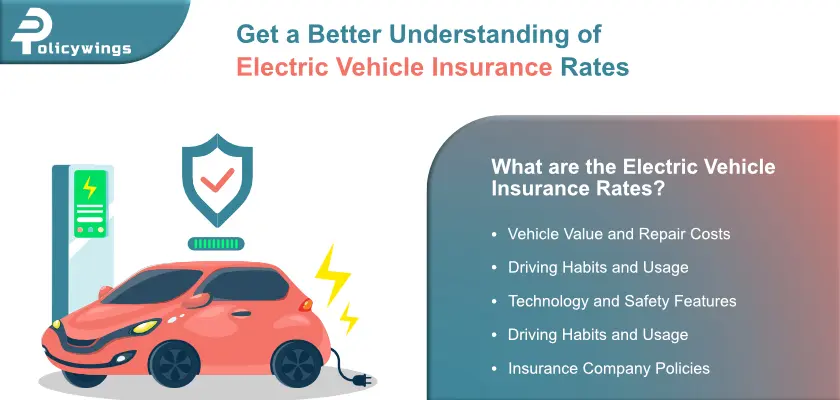
Written bySagar NarangPublished onOctober 9, 2024
General Liability Insurance Vs. Professional Liability: What Does Your Business Need?General Insurance

General Liability Insurance Vs. Professional Liability: What Does Your Business Need?

General Liability Insurance Vs. Professional Liability: What Does Your Business Need? Entrepreneurship exposes you to risks which are mostly tied to dealing with the customers, handling the employees, and perhaps doing your services. Business insurance can only be fundamental in covering risks and damages that may come when doing so. But choosing what to get sometimes gets tough because it is, after all, between general liability and professional liability. The point of contention is that both insurances cover different risks, but actually knowing the difference between general and professional liability can make a huge difference in ensuring that your business is really covered with the right insurance. What is General Liability? General Liability General liability is a type of insurance coverage for your business that will protect your business from claims of bodily injury, property damages, and advertising injury. Generally, general liability is considered one of the very basic policies most business concerns require as it offers far-ranging protection against common risks that occur in operations. General liability insurance covers This one will cover the expenses on their medical cost, your attorney fees and even settlement if a person gets hurt because of any business activities or while being on your company’s premises. Property Damage: This one will pay for the repairing or restoring of damages if your business damages any other person’s property. This would be the claims that occur on the basis of sums for slander or libel or for copyright infringement in the advertisements running for your business . Who needs general liability insurance? Most businesses, in most industries will obviously be able to take benefit of general liability insurance. Whether you run a small retail establishment, a restaurant, or are a contractor, general liability insurance provides core protection from general perils. It is particularly useful to businesses that get to interact with the public, are located inside buildings, or handle customers’ property. What is Professional Liability Insurance? It is also known as errors and omissions (E&O) insurance. This is an insurance cover that safeguards professionals practicing professional services or offering advice. They help safeguard a business from negligence, errors, omissions, or mistakes attributed to them causing financial loss to a client. What is Covered Under Professional Liability Professional liability normally covers Professional liability would deal with legal costs that may emerge while it is alleged that your business did not deliver services as they should have been; hence there was a financial loss for a client. Errors and Omissions Moulded on the principles, Errors and Omissions refer to mistakes, oversights, or omissions that may occur whilst in the process of providing professional services. Cost coverage against litigation: Professional liability pays for lawyers if there exists a frivolous lawsuit filed against you Who to Buy Professional Liability Insurance? Professional liability insurance is actually a necessary business product for any business engaged in the specialty service of consultancy, accountancy, law, real estate, and health care amongst others. It is specially for a business that quickly can bleed its clients out through an apparently innocent misstep or omission. For example, an investment advisor may give unwanted investment advice and end up losing for his client, he can sue for negligence. Diverging Factors between General Liability and Professional Liability The two types of insurance, liability and general liability, therefore, differ because each provides insurance against a different type of risk. The factors of divergence include: Scope of Coverage: General liability comes to promise protection from the risk of physical injury or damage to property. Professional liability protects against financial loss resulting from mistakes or omissions in professional services. Industry Suitability: General liability is a must for any organization that does business with the public, has a place of business, and or uses manufactured products. Professional liability is essential for any business that has or offers specialty advice or service where something can go wrong financially. Claims Recovered: General liability most often covers claims of third parties’ physical injury or damage. Professional liability is to protect against all forms of errors, omissions, and other forms of negligence in services. Do You Need General Liability and Professional Liability Insurance? This sometimes applies both general liability insurance and professional liability insurance. For instance, there is a marketing agency that requires general liability to act as cover, just in case the third party is injured or property damage occurs through events or meetings. At the same time, they might be asking for professional liability insurance against lawsuits of bad marketing advice, which escalates their client’s financial loss. Features to look for before choosing an insurance company Type of Industry and Business: The type of business you are engaged in is what goes a long way in determining the kind of insurance you need. If your business deals with one on one contact or third-party properties, then general liability insurance is absolutely essential. When you are into professional services, then professional liability insurance becomes very crucial. Risk Exposure: Clearly identify what your business is at risk to. For instance, if you are a construction firm, then the risks of property damages are higher and at a greater likelihood of personal injury that will require general liability. In law firms, the probable claim is against negligence, making professional liability more crucial. Client Contracts: Certain clients will insist that you secure general and professional liability insurance coverage before you transact business with them. Always refer to your contracts to determine if any specific coverages are required. Conclusion General liability insurance and professional liability are complementary forms of protection against risks that most businesses will face. While general liability is important for offsetting the physical risks, like physical injuries and damages to other’s properties, professional liability is also very significant for businesses whose lines of business are fundamentally services, facing exposures to potential errors, omissions, or negligence. Identify what type of insurance is appropriate for your business by viewing the industry that you are entering

Written bySagar NarangPublished onOctober 8, 2024
Why Big Businesses Need Commercial Umbrella Coverage?Business Insurance

Why Big Businesses Need Commercial Umbrella Coverage?

Why Big Businesses Need Commercial Umbrella Coverage? The risks associated with sophisticated occurrences such as legal liability and property damage of employee-related incidents happening within the firm are today characterized by high numbers of exposures to such incidents in large firms. Though most businesses have primary coverage for these occurrences, even the best of such standards do fail sometimes. That is where commercial umbrella coverage comes in. This liability coverage is more than the usual policies issued against large corporate entities; it will give cover to these corporations in case of sudden financial loss. What is Commercial Umbrella Insurance? Commercial umbrella insurance is an excess liability coverage. It kicks in when the limits of a corporation’s main insurance policies-for example, general liability, auto liability, or workers’ compensation-are exhausted. To put this another way, if a company were being sued and the amount to be paid was greater than what the primary liability insurance would pay, commercial umbrella insurance would pay the excess amount so that the company wouldn’t lose. Why Corporate Giants Require Commercial Umbrella Insurance Preventive measure against massive claims A large corporation is more likely to suffer due to its extensive scale and size, large workforce, and massive volumes of business. The possibility of huge claims is that they easily surpass standard policy limits. Be it a multi-million-dollar lawsuit or a severe accident in the workplace, fiscal implications could be huge. Commercial umbrella insurance goes a notch higher than normal protection of commercial policies to offer other types of cover that would ensure protection for business assets from the effects of a probably unknown incident. All kinds of risks Large corporations are cross-industry, cross-geography, and cross-jurisdictional. This makes them prone to all types of risks. Insurance can thus offer cover for most lines of insurance thereby protecting the companies against such risks as bodily injury to third parties, property damage, and even legal costs to defend a lawsuit. General protection is offered whereby most cases are covered. Emergent Risks Protection Among the emergent risks in the business environment include: The business environment is always in flux, and, like any change, it carries emergent risks along with it. Some of the most dominating examples of these emergent risks include cyber threats, claims regarding workplace discrimination, and liabilities related to the environment. Amongst all of these examples, some of them fall under the comprehensive umbrella of primary insurance, while the rest have to bear all the financial costs incurred by such emergent risks. Commercial umbrella insurance provides corporates with adequate cover to cope up with situations emerging due to risks that evolve with scale and complexity in their operations. Protection for high-value assets Larger corporations also own valuable assets like office buildings, factories, machinery, and fleets of vehicles. Any liability or damage related to these assets results in heavy financial losses if a corporation is held liable for an accident or damage that exceeds its general liability limits. Such differences are covered by commercial umbrella insurance. It is especially important for such corporations owning high-value assets with long-term health in terms of finance. Litigation Costs Litigation of lawsuits may take a long period and is expensive Even an organization might be involved in the lawsuit due to a workplace accident, a case of product liability or even a breach of contract Lawfully carried litigation that usually has an over cover of what they can claim of costs on the defense under the core insurance policies. Commercial umbrella insurance supplement resources to pay for these legal costs so that corporation is not legally overridden. Example scenarios for which commercial umbrella insurance must be used Claims for Product Liability: Consider for example a business dealing in the manufacture of very common and used products in which a fault is discovered leading to mass havoc or destruction. A fair number of people will sue the business. Even with the purchase of product liability insurance, the number of claims could quickly become more than policy limits and the business will be liable for the remainder. A commercial umbrella policy would protect the bottom line against liability over that amount. Industrials Workplace Accidents: Building sites, manufacturing premises, and huge office buildings are just the environments where the best laid safety plans can still go wrong. Perhaps even a serious injury or death claim would be outside of the company’s insurance umbrella. Commercial umbrella insurance will keep corporate America running without rocking the boat by covering huge claims without disrupting business or financial security. Auto Liability: Fleet operation always exposes a business firm to the possibility of a severe auto accident that may lead to very severe bodily injury claims or property damage claims. And even when a company holds commercial auto insurance, a severe accident may gobble up the limit of such insurances. That is why there is commercial umbrella insurance in place so that the business does not end up naked in such incidents. Why Commercial Umbrella Insurance Affordably priced insurance coverage Of course, the biggest benefit that one can derive from commercial umbrella insurance coverage is extremely high coverage limits for an altogether reasonable premium. What a company is left holding but adding billions of dollars to a variety of primary policy limits, rather than purchasing an umbrella policy that comes paired with extending coverage over multiple policies, for a much more modest premium. Peace of Mind This would give corporate bodies that added layer of protection, hence being able to manage risks better with peace of mind. Executives and stakeholders will be assured that the company has a broad layer of liability protection and therefore focus more on growth and innovation knowing it will not continually lose much sleep over large financial setbacks. Business Reputation Improved They shall have a business which is well covered against risks. More than that, prudent practices and expectations of the business would be set to prepare for the unexpected, thus vesting

Written bySagar NarangPublished onOctober 7, 2024
Common Mistakes Small Business Owners Make in InsuranceBusiness Insurance

Common Mistakes Small Business Owners Make in Insurance

Common Mistakes Small Business Owners Make in Insurance and How to Overcome Them Bashing it down, running a small business is like a complex collection of challenges popularized by financial and operational issues. With any significant feature running a business, an adequate coverage with proper insurance does not lag behind this need. However, most small business owners forget some very critical factors while purchasing insurance and, hence, end up making expensive mistakes that run the risk of jeopardizing the future of the business. This paper addresses common mistakes done by small business owners on insurance as well as practical tips that help to avoid such mistakes. Underinsuring the Business Most small business owners underestimate the amount of insurance required, and they mostly end up under-insured in a really understated way. Many owners try to cut costs so as to reduce the overhead costs of running a business, or they are simply not adequately informed regarding the risks entailed by running a business. At this stage, only enough coverage should appear like a waste if such an accident or litigation occurs, or if the company experiences natural disasters because what the company pays out may still be less than the damage resulting. Avoid It By: Find an insurance agent who understands your type of business and keep him informed on any change of coverage you may need. Periodically review the valuation of any business insurance you are running on the assets of your business, especially property, equipment, and stock for maximum coverage at all times. Update your insurance as your business grows. Miscellaneous Errors Small-scale business owners seem to believe that they need general liability insurance if they operate from home or see fewer customers. General liability, however is extremely basic in covering your venture against cases of damage to property, bodily and advertising injuries. Your firm will be a victim of litigation that will suck significant amounts of money out without this type of insurance cover. How to Avoid It Even if your business does not operate directly with the public, accidents can still happen. Be sure to get general liability coverage for an unforeseen accident, such as a client slipping and falling on your premises or the damage that someone causes to other people’s property. Lack of Knowledge Regarding What’s Excluded Most small business owners commit one of their biggest mistakes there-that is, they don’t know what their exclusions are under the policy. A policy normally provides exclusions to some other things that will not be covered under the policy. Some things cannot be covered even by insurance coverage. There are some events or conditions that are not even covered through insurance coverage. For example, business insurance policies often exclude any form of damage caused by natural calamities. Floods and earthquakes are examples of natural calamities, which happen to be some of the most common exclusion items on most insurance policies. It is actually at these exclusions that the opportunity exists to make such potential out-of-pocket disaster expenses if one doesn’t understand the nature of what these exclusions are. Avoid It: Read the whole policy and ask your agent to explain all the exclusions. If you need it, buy additional coverage for specific risk, like flood insurance or business interruption insurance. Literally, unawareness of what’s covered and what’s not is what makes you better prepared against possible risks. Lack of Workmen Compensation Insurance Workers’ compensation insurance is legislatively mandated in most states and countries of all businesses having employees. Sad to say, some business owners think themselves exempt or they only have a few employees and therefore do not carry this important coverage. Such a mistake would attract heavy fines, lawsuits, and very possible closure of their business in the event of an employee’s injury at work without adequate insurance. How to Avoid It: Know the laws of the states or jurisdictions that oblige you to have workers’ compensation. Even your company has just a handful of employees, such businesses have to make sure that there is workers’ compensation insurance because such preventive measures not only shield your business but also your employees from something worse happening, and then an injury or illness occurs. Failure to Provide Business Interruption Insurance Probably at the top of the list of all the types of insurance that small businesses often forget or overlook is business interruption. Business interruption coverage helps businesses from lost income, usually due to temporarily closing down operations owing to damage from a covered event. Without that, you would not be able to pay your rent, payroll, and utilities, which seem to keep going on their own. Prevention Ensure that you cover business interruption insurance. This will mean that your business would be in a position to pay off its debts and other monetary responsibilities as temporarily closed. You are supposed to carry out policy limit analyses taking into consideration the firm’s operating cost for the period of interruption. Dependence on Personal Insurance Most of the small business owners, in particular, single proprietors trap themselves by using personal policies for all the business risks. For example, they feel that car accidents that may happen while on business will be covered under personal auto insurance. In most cases, this is not so, and personal policies offer little protection to business activities. How to Avoid: Then make sure that you also have many business insurance covers for your business. For example, if you go to work and you own a car, which takes you to work, then you should have commercial auto insurance. If you work from home, then you will need business property insurance so that you may cover business assets and liabilities that your homeowner’s insurance does not cover. Rarely Review Policies The world is dynamic, as are businesses. So should your insurance cover be approached on a dynamic basis. Of course, the small business rarely revises its policy, which creates a gap in the coverage or sometimes outdated limits

Written bySagar NarangPublished onSeptember 30, 2024
Types of Insurance CoverageTerm Insurance

Types of Insurance Coverage

Types of Insurance Coverage Insurance Coverage: The saying- hope for the best and prepare for the worst is pretty much on point when it comes to practicality in life. We can never be sure of anything life throws at us, but we should keep ourselves ready with our shield in place. It is wise to choose to invest in insurance policies as they provide a safety net for our fall. Insurance plans are legal agreements between you and your insurer where they compensate you in case of loss damage or any other unfortunate suffering. In india there are two types of insurance- life insurance and general insurance LIfe insurance These plans require you to invest a fixed amount and pay a certain premium amount monthly, quarterly or yearly and in return they provide financial safety to you and your loved ones in case of your death or terminal illness. Your listed beneficiaries get to reap the benefits of this insurance plan after you. There are several types of life insurance policies that provide a range of options for your investment and financial stability. Endowment plans Like all insurance policies, the nominee of your life insurance policy reaps the benefits after you, but this plan can also act like a savings tool. The policy provides you with a maturity benefit, an amount you receive if you survive the term of the endowment plan, all including added bonuses. Term insurance As the name suggests, term insurance is similar but only lasts for a few years, a decade or two decades according to what you have chosen. Like a fixed deposit it keeps your invested amount safe and grows it as well and you receive the benefits of the term insurance plan as payout at the end of the term. Whole life insurance plans These plans are a bit expensive in terms of premium payment but the benefit is that they last for a lifetime- a 100 years and you do not have to worry about your policy renewal, which is a weight off your shoulder to start with. Whole life insurance plans are invested in with an angle of family financial coverage after you, so that after your demise your loved ones can claim the policy and look after themselves and your end of life care with the payout UIPLs Again, an insurance policy that covers your life but with twist, the premium you pay is distributed into two parts- savings and investment into the market. Through these types of plans you can be assured to have a safe savings amount but additionally and also an amount that grows with the market and your premiums. Pension plans The private sector is uncertain already, but with this insurance plan we can assure comfortable days in our old age. These plans have a certain tenure till you retire and then you receive a monthly payout out of the amount you have invested through your premiums, just like a pension. General insurance There are several aspects of your life that you can insure through these plans. Briefly, they are : Health insurance plans These insurance plans provide you with financial coverage for your health care and medical expenses. They are generally of two types- reimbursement plans or cashless claims. Both types cover medical expenses as far as the policy rules provide. Motor insurance This insurance plan provides financial coverage for loss incurred in an accident and other mishaps against your vehicle. Home insurance Home insurance as the name suggests is an insurance plan for your home in case of damage to your home be it man made or natural disaster. They provide financial coverage for contents in your house. Travel insurance Travel insurance is essential when it comes to long trips and provides financial coverage for any loss occurring during domestic or international travels, these losses could include flight cancellation, loss and damage of baggage, loss of passport, etc. It is to be kept in mind to always read the terms and conditions of your policy and stay in touch with the policy providers. All in all, investing in insurance plans is always beneficial!

Written bySagar NarangPublished onSeptember 20, 2024
How to File for a Medical Insurance Claim in India ?health Insurance

How to File for a Medical Insurance Claim in India ?

Medical Insurance In today’s stress inducing environment there is a visible spike in severe and critical health problems in the country’s population. We can never be sure of our health and safety but we should be sure of the preparation for the worst. It is necessary that we know in case life gives us lemons and we end up in a hospital, how we can make such a situation better by using health insurance policies. Just knowing that your money is growing in an insurance policy is not nearly enough to ensure our financial and mental stability when our physical health is not doing the best. It is essential that we reap the benefits of the policy we have invested our hard earned money in, in case of an actual emergency, like a possible hospitalisation. There two types of claims according your chosen policy, it either be a cashless claim or a reimbursement claim For reimbursement claims, Initially, the insured person pays the required bills to the hospital, so that they can reimburse the amount later through a medical insurance claim. There are a few tidbits to know- some hospitals are on the policy network and some aren’t , so make sure to enquire about that beforehand. It is suggested that you enquire about your policy coverage as well so you know the limits the policy insures you health as well as waiting periods for reimbursements, so you can file the claim in the specific time limit. Accurate documentation is absolutely necessary while trying to file the claim so, make sure to have a record of the following A duly filled claim form provided by your policy provider. A record of ALL the medical reports, bills, and payment receipt that to be attached with the form. Your diagnostic test reports are extremely essential for the company to ensure that the treatment is covered within the policy bounds. Your discharge summary is also to be provided to your policy prover. Lastly, your policy membership details, document and your id proof is essential to complete the documentation process Proceeding, you should keep a track of your claim review, you would usually get a notification from your policy provider if your claim is eligible for reimbursement ornot, and they may ask you for additional details. If in case the claim is accepted you receive the claimed amount in your registered bank account. For cashless claims, make sure the hospital is on the network- or panel- of your policy provider. Inform your insurer company of the hospitalisation in advance so they can initiate your claim process. As you proceed with the hospitalisation process keep submitting the necessary documents to your policy provider or as the policy rules require you to. Filing for health insurance claims is a tedious and meticulous process but it is important to keep a record of every aspect as you proceed with your claim. Make sure to read your policy details thoroughly to be able to claim your insurance benefits in a smooth and hassle free manner. For better effectiveness, keep in mind to keep the communication clear and timely with your policy provider and don’t be afraid to reach out to your service provider.

Written bySagar NarangPublished onSeptember 19, 2024
Car Insurance Explained: Navigate the Road with ConfidenceCar Insurance

Car Insurance Explained: Navigate the Road with Confidence

What would happen if you were in an accident today? Would your insurance pay for the damage, or would you have huge bills? What if the other guy was completely uninsured? These are dangers all drivers face, but many don’t consider them until it’s too late. Car insurance is not only legal—it’s also a good bet for keeping you financially healthy. A basic policy will have liability coverage for damage to other people’s property and their bodily injury, so you won’t be shelling out for someone else’s costs in an accident. Not everyone on the road, however, is insured. If you run into one of them who is not insured, you will likely be paying for it. That is why uninsured motorist bodily injury and uninsured motorist property damage insurance is so valuable. They protect you from financial loss when the unforeseen happens, so that you do not have to endure medical bills and repair costs after a crash. Pay as you go Car Insurance Pay as you go car insurance, also known as usage-based auto insurance (UBI), is a new type of coverage that rewards safe driving by lowering rates. It works by using telematics devices to track how many miles you drive and your driving behavior. The device or app will typically sense more than just miles driven, such as speeding, harsh braking and phone use, and it will register good driving habits like daytime driving and staying on well-maintained roads. Besides mileage, the type and value of your vehicle, as well as its theft and crash risk, will affect the cost of your premium. Many insurers will offer discounts for low mileage drivers, but you should always shop around to find the best deals. There are a variety of companies who provide programs based on usage, such as Root, Progressive Snapshot, and Allstate Milewise. Each of them offers minimum state liability protection, and a few offer full coverage policies too. The programs typically require the use of a plug-in device, or a smartphone app to record your driving habits over the course of up to six months. Best Car Insurance Car insurance is an expense one must have and an important part of being a good driver. Insurance will help guard against the cost of repair and financial burdens when you crash or get your car stolen. The top car insurance provides different levels of coverage and policies to meet your individual requirements. The state minimum level of coverage that is required in your home state usually is personal injury liability and property damage liability. To further protect yourself, look at full coverage with collision and comprehensive coverage. In spite of raised rates on account of ongoing shortages and tardy shipping, Allstate ranks as one of the leading automobile insurance providers with competitive rates and an array of services like Drivewise and Milewise offering premium savings in order to ensure secure driving. Plus, it possesses a great history of customer satisfaction and has exemplary customer service. It offers an expansive portfolio and VIP add-ons including OEM protection, rideshare protection and lowering deductibles. Affordable Car Insurance The best way to find affordable car insurance is to compare rates and coverage options. The cost of your policy will be influenced by several factors, including your driving history, the vehicle you drive and your location. Insurance companies may also consider your age and gender when determining rates. A good credit score and a clean driving record can lower your premiums. You can also lower your premiums by capping the amount of collision and comprehensive coverage you purchase. These coverage types pay out based on your car’s actual value minus the deductible, so they might not be worth purchasing for an older, less valuable car. If you meet the qualifications, like a good driver discount, bundling coverage or paperless, you can reduce your premiums even more. You can even compare and try to find cheaper coverage by going to smaller carriers that provide cheap car insurance where you live, like American National, Auto-Owners and Erie. Compare Car Insurance There are many ways to compare car insurance rates, including online comparison websites and local insurance agents. Be aware that some online quotes may not be accurate, and some comparison websites are not unbiased, but rather lead aggregators that sell your information to insurance companies. If you do decide to use a website or agent, ensure that you are comparing apples-to-apples by selecting the same coverage options on each quote. Several factors can impact your car insurance rates, such as state requirements and your driving history. Insurers also consider the demographics of your driver, such as age, gender and marital status. On average, women are more likely not to create accidents, and thus will have lower rates than males. If you’ve got a poor driving record, like an at-fault crash or several traffic offenses the insurance premium may be more expensive than average. It is feasible to get a low-cost insurance through comparing insurance quotes. Cheap Car Insurance Choose to have the minimum amount of coverage that your state requires if you’d like to be able to pay for inexpensive car insurance. You’ll save money also if you shop around for bargains and bundle your car insurance with other types of insurance, such as home or life insurance. Also, you should consider what kind of vehicle you use, because certain vehicles are more expensive to cover as compared to other models. People with a bad rating for driving might find it difficult to obtain affordable automobile insurance because they are viewed as riskier drivers. But, adding a new person to a family insurance policy could be an economical option, provided they’ve established their track history. It is important to compare to find the most affordable deal since some insurance policies appear low, yet they come with small coverage limits, or even high deductibles. Also, you can save on your insurance by completing a defensive driver training course, or by being a responsible

Written bySagar NarangPublished onFebruary 23, 2024
Property Insurance and Home Insurance: Understand the ImportanceHome Insurance

Property Insurance and Home Insurance: Understand the Importance

In the present capricious world, safeguarding your home and important belongings has never been more essential. Property insurance and home insurance are two fundamental defends that each homeowner ought to consider. In this article, we’ll dive into the significance of these insurance types, their advantages, and how to pick the right inclusion for your requirements. Figure out Property Insurance Property insurance is an expansive term incorporating different strategies intended to safeguard actual resources. Whether you own a house, business property, or other important resources, property insurance offers monetary security against harm or misfortunes brought about by unexpected occasions. Sorts of Property Insurance 1) Home Insurance Home insurance, a subset of property insurance, centers explicitly around protecting your home. It gives inclusion to harms to the construction, individual effects, and risk assurance if somebody is harmed on your property. 2) Business Property Insurance For entrepreneurs, business property insurance is vital. It safeguards your business property, stock, and gear from dangers like fire, burglary, or cataclysmic events, guaranteeing coherence notwithstanding difficulty. Advantages of Property Insurance 1) Inner harmony for Homeowners Homeowners can breathe a sigh of relief realizing that property insurance covers harms brought about by occasions like fire, robbery, or serious weather patterns. It likewise incorporates individual property inclusion, offering repayment for harmed or taken effects. 2) Business Security with Business Property Insurance For organizations, the strength presented by business property insurance is significant. It supports recuperating from monetary misfortunes by taking care of the expenses of property harm, permitting business people to zero in on business tasks without agonizing over startling costs. Pick the Right Property Insurance 1) Fitting Your Home Insurance Inclusion While choosing home insurance, evaluate your property’s estimation and items. Tweak your strategy to cover explicit dangers, for example, floods or quakes, which may not be remembered for standard inclusion. 2) Tweaking Business Property Insurance for Business Needs Organizations ought to painstakingly assess their insurance needs. Modify your business property insurance strategy to cover explicit dangers related to your industry, guaranteeing exhaustive security. Figuring out Home Insurance 1) Home Insurance Fundamentals: Design Inclusion Home insurance commonly incorporates inclusion for the design of your home. This truly means that assuming your home is harmed or obliterated by a covered hazard, for example, a fire, the insurance will assist with taking care of the expenses of fixes or reconstructing. 2) Individual Assets Inclusion: Safeguarding What Makes a Difference Notwithstanding primary inclusion, home insurance incorporates inclusion for individual things. This implies that your furnishings, apparel, hardware, and different belongings are safeguarded against covered risks. 3) Risk Insurance: Shielding Against Claims Home insurance additionally gives obligation assurance. Assuming somebody is harmed on your property, the obligation inclusion can help pay for clinical costs and legitimate expenses if you’re tracked down answerable for the injury. Advantages of Home Insurance 1) Monetary Security If there should arise an occurrence of Debacles Home insurance gives monetary security notwithstanding debacles. Whether it’s a characteristic catastrophe or an unexpected mishap, having the right inclusion guarantees that you won’t be left with overpowering fix or substitution costs. 2) Speedy Recuperation from Robberies and Burglaries In the sad case of thievery or burglary, home insurance steps in to cover the deficiency of taken things. This guides in recuperating monetarily as well as gives a conviction that all is good and true serenity. Picking the Right Home Insurance 1)Assessing Your Home’s Estimation To pick the right home insurance, begin by evaluating the worth of your home and its effects. Think about elements like the area, development materials, and the substitution cost of your assets. 2) Looking at Approaches: Viewing as the Best Fit Try not to make do with the primary home insurance policy you run over. Think about various strategies, taking into account inclusion cutoff points, deductibles, and any extra supports or riders that might be accessible. Last Words Property insurance and home insurance are essential apparatuses for safeguarding your most significant resources. Whether you’re a homeowner or an entrepreneur, figuring out the essentials, advantages, and ways to pick the right inclusion will engage you to settle on informed choices. Secure your home and assets today, guaranteeing a future set apart by inner harmony and monetary strength.

Written bySagar NarangPublished onFebruary 5, 2024
The Ultimate Guide to Health Insurance: Everything You Need to Knowhealth Insurance

The Ultimate Guide to Health Insurance: Everything You Need to Know

Homepage > Articles > Hey! Have you ever wondered how you would handle the burden of unexpected medical expenses? According to the National Health Expenditure Accounts (NHEA), healthcare spending in the United States reached a staggering $3.8 trillion in 2019, accounting for nearly 18% of the country’s GDP. This number is projected to rise even further in the coming years. With healthcare costs skyrocketing, it has become increasingly crucial to have proper health insurance coverage to protect ourselves and our loved ones. But with the vast array of options available, exploring the complex world of health insurance can be a daunting task. Don’t worry though, as your trusty assistant, policywings is here to help make sense of it all. This comprehensive guide aims to showcase health insurance and provide you with all the information you need to make informed decisions about your healthcare coverage. What is Health Insurance? Health insurance usually covers a range of medical expenses, including doctor visits, hospital stays, prescription medications, and certain preventive care services. The specific coverage and benefits vary depending on the insurance plan chosen. For example, let’s say you have insurance and you need to see a doctor for a regular check-up. Instead of paying the full cost of the visit out of pocket, your insurance would cover a portion of the cost, reducing your financial burden. The amount that your insurance company covers and the amount you are responsible for (such as deductibles, copayments, or coinsurance) will depend on your specific insurance plan. Having health insurance is important because it can provide financial security and access to necessary medical care. It can help protect individuals and their families from high medical expenses and ensure that they receive the care they need when they need it. Types of Health Insurance Plans There are several types of plans, each with its own benefits and limitations. Understanding the differences between these plans is crucial in choosing the one that best suits your needs. Individual Medical Insurance: Individual medical insurance plans provide coverage to an individual for medical expenses. These plans are customizable and allow individuals to choose the coverage that suits their specific needs. They usually cover hospitalization, surgeries, doctor consultations, and medical tests. Individual medical insurance plans offer a range of benefits such as cashless hospitalization, pre and post-hospitalization expenses, and coverage for day-care procedures. Examples of individual medical insurance plans include Aetna’s Individual Health Insurance Plans and Cigna’s Individual and Family Insurance Plans. Family Floater Medical Insurance: Family floater medical insurance plans offer coverage for the entire family under a single policy. These plans are useful for families as they provide a single sum insured that can be utilized by any family member as needed. Family floater plans usually cover hospitalization expenses, pre and post-hospitalization costs, doctor consultations, and medication expenses. They may also cover maternity expenses, newborn baby coverage, and vaccination costs. Examples of family floater medical insurance plans include ICICI Lombard’s Family Floater Health Insurance and HDFC ERGO’s Health Suraksha Family Floater Plan. Senior Citizens Health Insurance: Senior citizens insurance plans are specially designed for individuals above a certain age, usually 60 years and above. These plans offer coverage for age-related illnesses and additional benefits such as pre-existing condition coverage, day-care procedures, and regular health check-ups. They may also provide benefits for alternative treatments like Ayurveda or Homeopathy Examples of senior citizens health insurance plans include Star Health’s Senior Citizen Red Carpet and Max Bupa’s Senior First. Critical Illness Insurance: Critical illness insurance plans provide a lump sum payment upon diagnosis of a critical illness covered by the policy. These plans are designed to help individuals cope with the financial burden of expensive treatments for critical illnesses like cancer, heart disease, or stroke. Critical illness insurance plans generally have a specified list of illnesses covered, and the insured receives the lump sum regardless of the actual medical costs incurred. Examples of critical illness insurance plans include Religare Health Insurance’s Critical Illness Insurance and Bajaj Allianz’s Critical Illness Health Insurance. Group Health Insurance: Group health insurance plans provide coverage to a group of individuals, such as employees of a company or members of an organization. These plans often offer comprehensive coverage at lower premiums due to the size of the group. It also plans usually cover hospitalization, doctor consultations, and medication expenses. They also include benefits such as maternity coverage, pre-existing condition coverage, dental and vision care, and wellness programs. Examples of group health insurance plans include UnitedHealthcare’s Group Health Insurance and Cigna’s Group Health Insurance. Mediclaim Insurance: Mediclaim insurance plans, also known as hospitalization insurance, cover expenses related to hospitalization and medical treatments. These plans reimburse the insured for medical expenses incurred during a specified period. Mediclaim insurance plans typically cover hospitalization expenses, doctor consultations, medication costs, diagnostic tests, and surgical procedures. They also offer benefits such as cashless hospitalization, pre and post-hospitalization expenses, and coverage for day-care procedures. Examples of mediclaim insurance plans include Apollo Munich’s Optima Restore and Reliance General Insurance’s Health Infinity. Understanding Insurance Terminologies To fully understand health insurance, one needs to be familiar with certain terminologies. Here are a few common terms you might come across: Premium: The premium is the amount you pay to the insurance company on a regular basis (monthly, quarterly, or annually) to maintain your coverage. Deductible: The deductible is the amount you need to pay out of pocket before your insurance company starts covering your medical expenses. Copayment: A copayment is a fixed amount you pay for each covered service, such as a doctor’s visit or prescription medication. Coinsurance: Coinsurance is the percentage of medical expenses you are responsible for after meeting your deductible. Out-of-pocket maximum: The out-of-pocket maximum is the highest amount you’ll have to pay in a year. Once you reach this limit, the insurance company covers 100% of your remaining expenses. Choosing the Right Health Insurance Plan With so many options available, it can be easy to feel overwhelmed and confused. However, by following a few simple dos

Written bySagar NarangPublished onFebruary 1, 2024
Everything You Need to Know About ₹5 Crore Term InsuranceTerm insurance

Everything You Need to Know About ₹5 Crore Term Insurance

Homepage > Articles > ₹5 Crore term insurance Financial security is essential for peace of mind. This is especially important when it comes to ensuring the well-being of your loved ones in case of unexpected events. Term insurance, with its primary purpose of providing financial protection, has become very popular. In this detailed guide, we will explore the world of ₹5 Crore term insurance, looking at its significance, benefits, things to consider, and how it can be a strong financial safeguard for you and your family. What Is ₹5 Crore Term Insurance? Term insurance is a type of life insurance that provides coverage for a specific term or duration. In the event of the policyholder’s demise during the term, the insurance company pays out a predetermined sum, known as the death benefit, to the beneficiaries. Unlike other life insurance products, term insurance does not accumulate cash value and is solely designed to offer financial protection. The Significance of ₹5 Crore Term Insurance ₹5 Crore term insurance is a policy with a coverage amount of ₹5 Crores, which translates to ₹50 million. This sum assured significant financial support for your loved ones in case of your untimely demise. Let’s explore the advantages and considerations of opting for such a high coverage amount. https://www.youtube.com/watch?v=zMLSU5WlSA4 Advantages of ₹5 Crore Term Insurance 1. Comprehensive Financial Protection The primary advantage of ₹5 Crore term insurance is the comprehensive financial protection it offers. This substantial coverage ensures that your family is well-supported financially, even in the face of significant expenses like mortgage repayments, education fees, and daily living costs. 2. Income Replacement One of the primary purposes of life insurance is to replace the insured individual’s income in their absence. ₹5 Crore term insurance is well-suited for this task, as it provides a substantial death benefit that can help your family maintain their standard of living and meet their financial obligations. 3. Debt Repayment In the unfortunate event of your demise, your debts do not disappear. ₹5 Crore term insurance can be used to clear outstanding loans, mortgages, or credit card debts, preventing these financial burdens from falling on your loved ones. 4. Education and Future Planning With ₹5 Crore term insurance, you can ensure that your children’s education and future aspirations are secured. The policy’s substantial payout can cover higher education expenses and provide a strong financial foundation for their future endeavors. 5. Funeral and Final Expenses Funeral and final expenses can be significant, and not planning for them can add financial strain to your family’s grief. ₹5 Crore term insurance can cover these costs, allowing your family to focus on their emotional well-being during a difficult time. Important Considerations for ₹5 Crore Term Insurance While ₹5 Crore term insurance offers substantial benefits, several considerations are essential to make an informed decision: 1. Premium Affordability With higher coverage amounts come higher premiums. It’s crucial to assess your budget and ensure that you can comfortably afford the premiums for a ₹5 Crore term insurance policy. Remember that affordability is key to maintaining the policy over the long term. 2. Assess Your Financial Needs Carefully assess your financial needs and obligations. Consider factors such as outstanding debts, future expenses, and your family’s lifestyle. The goal is to select a coverage amount that adequately addresses your family’s financial requirements. 3. Health and Lifestyle Factors Insurance premiums are often influenced by your health and lifestyle. Be prepared for a thorough medical examination and disclosure of your habits, such as smoking or alcohol consumption, which can impact your eligibility and premium rates. 4. Policy Term Choose an appropriate policy term that aligns with your financial goals and the needs of your family. Longer terms may be necessary if you have young children or long-term financial commitments. 5. Riders and Additional Coverage Consider adding riders or additional coverage to your ₹5 Crore term insurance policy. Riders can provide extra protection, such as critical illness coverage or accidental death benefits, enhancing the overall value of your policy. Conclusion ₹5 Crore term insurance stands as a powerful financial safeguard, offering complete protection for your loved ones at the time of life’s uncertainties. Its advantages, including comprehensive financial protection, income replacement, debt repayment, and support for future planning, are clear. However, choosing the right coverage amount requires careful consideration of your budget, financial needs, health factors, policy term, and potential additional coverage through riders. Ultimately, ₹5 Crore term insurance is an investment in your family’s future financial well-being. It ensures that they are provided for, even in your absence, allowing you to face the future with confidence, knowing that you’ve taken a significant step towards securing their financial future. Related Posts Travel Insurance: Valuable Investment for Travellers How to File a Claim & What Is the Process? Common Insurance Myths FAQs Is ₹5 Crore Term Insurance Necessary for Everyone? While it offers substantial benefits, the necessity of ₹5 Crore term insurance depends on individual circumstances. It’s essential to evaluate your financial responsibilities, obligations, and long-term goals to determine the appropriate coverage amount. How Do Premiums for ₹5 Crore Term Insurance Compare to Lower Coverage Amounts? Premiums for ₹5 Crore term insurance are typically higher than policies with lower coverage amounts. The exact premium will depend on factors like age, health, and lifestyle. It’s crucial to assess your budget to ensure affordability. What Is the Ideal Policy Term for ₹5 Crore Term Insurance? The ideal policy term varies from person to person and depends on individual financial goals. Longer terms may be suitable if you have young children or long-term financial commitments, while shorter terms might suffice for others. Can I Add Riders to a ₹5 Crore Term Insurance Policy? Yes, most insurance providers offer riders or additional coverage options that can be added to a ₹5 Crore term insurance policy. These riders can enhance the policy’s coverage by providing protection against critical illnesses, accidental death, or other specific risks. Is Medical Underwriting Stringent for High-Coverage Term Insurance Policies?

Written bySagar NarangPublished onNovember 5, 2023
Group Accidental Insurance Explained: A Collective Safety NetAccidental Insurance

Group Accidental Insurance Explained: A Collective Safety Net

Homepage > Articles > Accidents can happen at any time and to anyone. They often strike without warning, leaving individuals and their families grappling with physical, emotional, and financial burdens. While nobody can predict when an accident will occur, one can certainly prepare for it. Group Accidental Insurance Policies are a powerful tool that not only offers financial protection but also provides peace of mind to a collective entity, whether it’s a company, an organization, or a group of people with a common interest. In this article, we will delve into the world of Group Accidental Insurance Policies, exploring what they are, why they are important, and how they can benefit various groups. Understanding Group Accidental Insurance Group Accidental Insurance is a specialized type of insurance designed to provide coverage for accidental injuries and their associated expenses. Unlike traditional health insurance, which typically covers illnesses and non-accidental injuries, accidental insurance focuses specifically on events that occur suddenly and unintentionally. These events may include slip-and-fall accidents, car crashes, sports injuries, and a wide range of other unforeseen incidents. Group Accidental Insurance can be offered to various groups, including employees of a company, members of an organization, or participants in a sports club. It is often provided as a benefit or perk, making it an attractive addition to any group’s offering. The key feature of this insurance is that it pays out a lump sum or a predetermined amount to the insured or their beneficiaries in the event of an accident, regardless of whether the insured has other forms of insurance. https://www.youtube.com/watch?v=F7_0qt8O4_Q Why Group Accidental Insurance Matters Financial Protection: Accidents can result in significant medical bills, rehabilitation costs, and even loss of income due to temporary or permanent disabilities. Group Accidental Insurance provides a financial safety net for members of a group, helping them cover these unexpected expenses. This can alleviate the financial burden that individuals and their families might face after an accident. Peace of Mind: Knowing that you are covered by a Group Accidental Insurance Policy can provide peace of mind. It allows individuals to focus on their recovery rather than worrying about the financial repercussions of an accident. For organizations, offering this insurance demonstrates a commitment to the well-being of their members or employees, enhancing morale and loyalty. Affordability: Group Accidental Insurance is often more affordable than individual policies. By pooling the risk of accidents among a larger group, insurers can offer competitive rates. This affordability makes it accessible to a wide range of organizations and their members, regardless of their financial status. Simplicity and Convenience: Managing individual insurance policies can be cumbersome. Group Accidental Insurance simplifies the process by providing coverage to all eligible members of the group under a single policy. This streamlines administration and reduces paperwork for both the insured and the organization offering the coverage. Who Can Benefit from Group Accidental Insurance? Group Accidental Insurance can be tailored to meet the specific needs of various groups. Here are some examples of who can benefit from this type of insurance: Companies and Employees: Employers can offer Group Accidental Insurance to their workforce as part of their benefits package. This not only attracts and retains talent but also ensures that employees are taken care of in case of work-related accidents or accidents that occur outside of the workplace. Sports Clubs and Athletes: Sports clubs and associations can provide Group Accidental Insurance to their members, including athletes and coaches. In the world of sports, injuries are common, and having insurance coverage can be a game-changer for athletes pursuing their passions. Nonprofit Organizations: Nonprofits often rely on dedicated volunteers to carry out their missions. Group Accidental Insurance can be a way to show appreciation and support for these volunteers, providing them with a safety net while they donate their time and effort to a worthy cause. Social Clubs and Community Organizations: Groups with a common interest, such as social clubs, hobbyist organizations, or community groups, can benefit from Group Accidental Insurance. It enhances the sense of community by taking care of members’ well-being. Educational Institutions: Schools and colleges can offer Group Accidental Insurance to students, ensuring that they are protected while pursuing their education. This can be especially valuable for students engaged in extracurricular activities or sports. Key Features of Group Accidental Insurance Group Accidental Insurance policies can vary in terms of coverage and benefits, but they typically include the following key features: Accidental Death Benefit: In the unfortunate event of an insured member’s death due to an accident, the policy pays out a lump sum to their beneficiaries. This provides financial support to the deceased member’s family during a difficult time. Accidental Disability Benefit: If an insured member becomes disabled as a result of an accident and is unable to work, the policy can provide a disability benefit. This helps cover ongoing living expenses and medical costs. Accidental Medical Expense Benefit: Group Accidental Insurance often includes coverage for medical expenses incurred due to an accident. This can encompass hospitalization, surgery, rehabilitation, and other necessary treatments. Accidental Dismemberment Benefit: In the event of the loss of a limb or a specific bodily function resulting from an accident, the policy may pay a benefit to the insured member. This benefit can assist with adaptive equipment or modifications to the insured’s living space. Additional Riders: Many insurers offer optional riders that can be added to Group Accidental Insurance policies. These riders can provide extra coverage for specific types of accidents, such as accidents that occur during travel or while participating in hazardous activities. How to Choose the Right Group Accidental Insurance Policy Selecting the right Group Accidental Insurance policy requires careful consideration. Here are some factors to keep in mind: Coverage Options: Review the coverage options offered by different insurers. Ensure that the policy aligns with the needs and preferences of the group. Consider factors such as benefit amounts, exclusions, and any optional riders that may be relevant. Cost and Premiums: Compare premium rates among different

Written bySagar NarangPublished onOctober 26, 2023
How Health Insurance Works in India?health Insurance

How Health Insurance Works in India?

Homepage > Articles > How Health Insurance Works? Health insurance is a vital aspect of modern life, providing financial protection against the high costs of medical care. While it may seem complicated at first glance, understanding how health insurance works is essential for making informed decisions about your healthcare coverage. In this comprehensive article, we will discuss the workings of health insurance, demystifying the terms, concepts, and processes involved. What is Health Insurance? Health insurance is a contractual agreement between an individual or a group and an insurance company. In exchange for regular premium payments, the insurer provides coverage for a range of medical expenses. These expenses can include doctor’s visits, hospital stays, prescription drugs, preventive care, and more, depending on the specific policy. https://www.youtube.com/watch?v=lqsOsPcGdAs Types of Health Insurance Plans There are several types of health insurance plans, each with its own features and benefits: Health Maintenance Organization (HMO): HMO plans require members to choose a primary care physician (PCP) and obtain referrals to see specialists. They often have lower premiums but limited network coverage. Preferred Provider Organization (PPO): PPO plans offer more flexibility in choosing healthcare providers and do not require referrals to see specialists. However, out-of-network care typically costs more. Exclusive Provider Organization (EPO): EPO plans combine elements of both HMOs and PPOs. They have a network of preferred providers but may provide limited coverage for out-of-network care. Point of Service (POS): POS plans also have a primary care physician requirement and referrals for specialists, similar to HMOs. They offer more coverage for out-of-network care but at a higher cost. High Deductible Health Plan (HDHP): HDHPs come with higher deductibles and lower premiums. They are often paired with Health Savings Accounts (HSAs), allowing individuals to save money tax-free for medical expenses. Medicare and Medicaid: These government-funded programs provide health insurance to eligible individuals. Medicare is primarily for seniors and some disabled individuals, while Medicaid serves low-income individuals and families. Premiums, Deductibles, and Copayments To understand how health insurance works, it’s crucial to grasp the key financial terms associated with it: Premiums: Premiums are the regular payments you make to your insurance company to maintain coverage. They can be paid monthly, quarterly, or annually and are usually a fixed amount. Deductibles: The deductible is the amount you must pay out of pocket for covered services before your insurance plan starts to pay. For example, if you have a $1,000 deductible and receive a $500 medical bill, you must pay the full $500 until you reach your deductible. Copayments and Coinsurance: Copayments are fixed amounts you pay for specific services, such as a $30 copayment for a doctor’s visit. Coinsurance, on the other hand, is a percentage of the cost you share with your insurer after meeting your deductible. For instance, if your plan has 20% coinsurance, you pay 20% of covered costs, and your insurer covers the remaining 80%. The Role of Health Insurance Providers Health insurance companies play a vital role in the healthcare system. They act as intermediaries between healthcare providers and policyholders. Here’s how they function: Provider Networks: Insurance companies establish networks of healthcare providers, including doctors, hospitals, and clinics. In-network providers have negotiated contracts with the insurer, which often leads to lower costs for policyholders. Claim Processing: When you receive medical care, your healthcare provider sends a bill to your insurer. The insurer reviews the bill, applies the terms of your policy (deductibles, copayments, and coinsurance), and pays the provider accordingly. Preauthorization: Some medical procedures or treatments may require preauthorization from your insurer to ensure they are medically necessary. Failing to obtain preauthorization can result in denied claims. Customer Support: Health insurance companies provide customer support to policyholders, helping them understand their coverage, find in-network providers, and resolve billing issues. How Health Insurance Works Step by Step Understanding the step-by-step process of how health insurance works can demystify the complexities: Enrolling in a Plan: You select a health insurance plan that suits your needs and budget. This involves choosing a plan type, coverage level, and provider network. Paying Premiums: You pay your insurance premiums regularly, typically on a monthly basis. Seeking Medical Care: When you need medical care, you visit a healthcare provider within your plan’s network. If you see an out-of-network provider, you may have higher costs. Meeting Your Deductible: If your plan has a deductible, you pay for covered services until you reach that amount. Copayments and Coinsurance: For each covered service, you pay copayments or coinsurance as specified in your policy. Claim Submission: Your healthcare provider submits a claim to your insurance company, detailing the services provided and their cost. Claim Processing: Your insurer reviews the claim, applies deductibles, copayments, and coinsurance, and pays its portion directly to the provider. Explanation of Benefits (EOB): You receive an EOB from your insurer explaining the charges, payments, and your remaining financial responsibility. Paying Your Share: You are responsible for paying any remaining balance to the healthcare provider. Common Health Insurance Terminology To navigate the world of health insurance effectively, familiarize yourself with these essential terms: Premium: The amount you pay for your insurance coverage. Deductible: The initial out-of-pocket amount you must pay before insurance coverage kicks in. Copayment: A fixed fee you pay for specific services. Coinsurance: The percentage of costs you share with your insurer after meeting your deductible. Network: A group of healthcare providers contracted with your insurer. Out-of-Network: Healthcare providers who do not have contracts with your insurer. In-Network: Healthcare providers who have contracts with your insurer, often resulting in lower costs. Preauthorization: Approval from your insurer for certain medical procedures or treatments. Explanation of Benefits (EOB): A document from your insurer explaining the charges, payments, and your financial responsibility for a claim. Choosing the Right Plan Selecting the right health insurance plan is crucial to ensure you have adequate coverage while managing costs. Consider the following factors: Your Health Needs: Evaluate your current health and anticipate any potential needs, such as prescription medications, chronic conditions,

Written bySagar NarangPublished onOctober 26, 2023
Understanding Health Insurance: A Comprehensive Guidehealth Insurance

Understanding Health Insurance: A Comprehensive Guide

Homepage > Articles > Health insurance is a vital aspect of modern life, providing financial protection against the high costs of medical care. While it may seem complicated at first glance, understanding how health insurance works is essential for making informed decisions about your healthcare coverage. In this comprehensive article, we will discuss the workings of health insurance, demystifying the terms, concepts, and processes involved. What is Health Insurance? Health insurance is a contractual agreement between an individual or a group and an insurance company. In exchange for regular premium payments, the insurer provides coverage for a range of medical expenses. These expenses can include doctor’s visits, hospital stays, prescription drugs, preventive care, and more, depending on the specific policy. Types of Health Insurance Plans There are several types of health insurance plans, each with its own features and benefits: Premiums, Deductibles, and Copayments To understand how health insurance works, it’s crucial to grasp the key financial terms associated with it: The Role of Health Insurance Providers Health insurance companies play a vital role in the healthcare system. They act as intermediaries between healthcare providers and policyholders. Here’s how they function: How Health Insurance Works Step by Step Understanding the step-by-step process of how health insurance works can demystify the complexities: Common Health Insurance Terminology To navigate the world of health insurance effectively, familiarize yourself with these essential terms: Choosing the Right Plan Selecting the right health insurance plan is crucial to ensure you have adequate coverage while managing costs. Consider the following factors: Utilizing Preventive Care Most health insurance plans emphasize preventive care to maintain overall health and reduce long-term healthcare costs. This can include regular check-ups, vaccinations, screenings, and wellness programs. Preventive services are often covered at no cost to the policyholder, meaning no copayments or deductibles are required. Special Considerations Certain life events can impact your health insurance coverage, such as marriage, divorce, childbirth, or job changes. In these situations, you may have the opportunity to enroll in a new health insurance plan or make changes to your existing coverage during open enrollment periods or through special enrollment periods. Additionally, some individuals may qualify for government assistance programs like Medicaid or the Children’s Health Insurance Program (CHIP) if they meet income and eligibility criteria. Wrapping Up Health insurance is a complex but essential aspect of our lives, providing financial protection against the high costs of medical care. Understanding how health insurance works empowers individuals to make informed decisions about their coverage, select the right plan for their needs, and navigate the healthcare system effectively. By mastering the terminology, processes, and considerations outlined in this article, you can take control of your healthcare and ensure your well-being and financial security in the face of medical expenses. Frequently Asked Questions(FAQs)

Written bySagar NarangPublished onOctober 10, 2023
Key Services

What Makes us different from other platform?

Policywings.com is operated by Policywings Insurance Broking Services Private limited. It is duly licensed by IRDAI under its broking regulations.

At Policywings, we wish to simplify and de-jargonise Insurance